
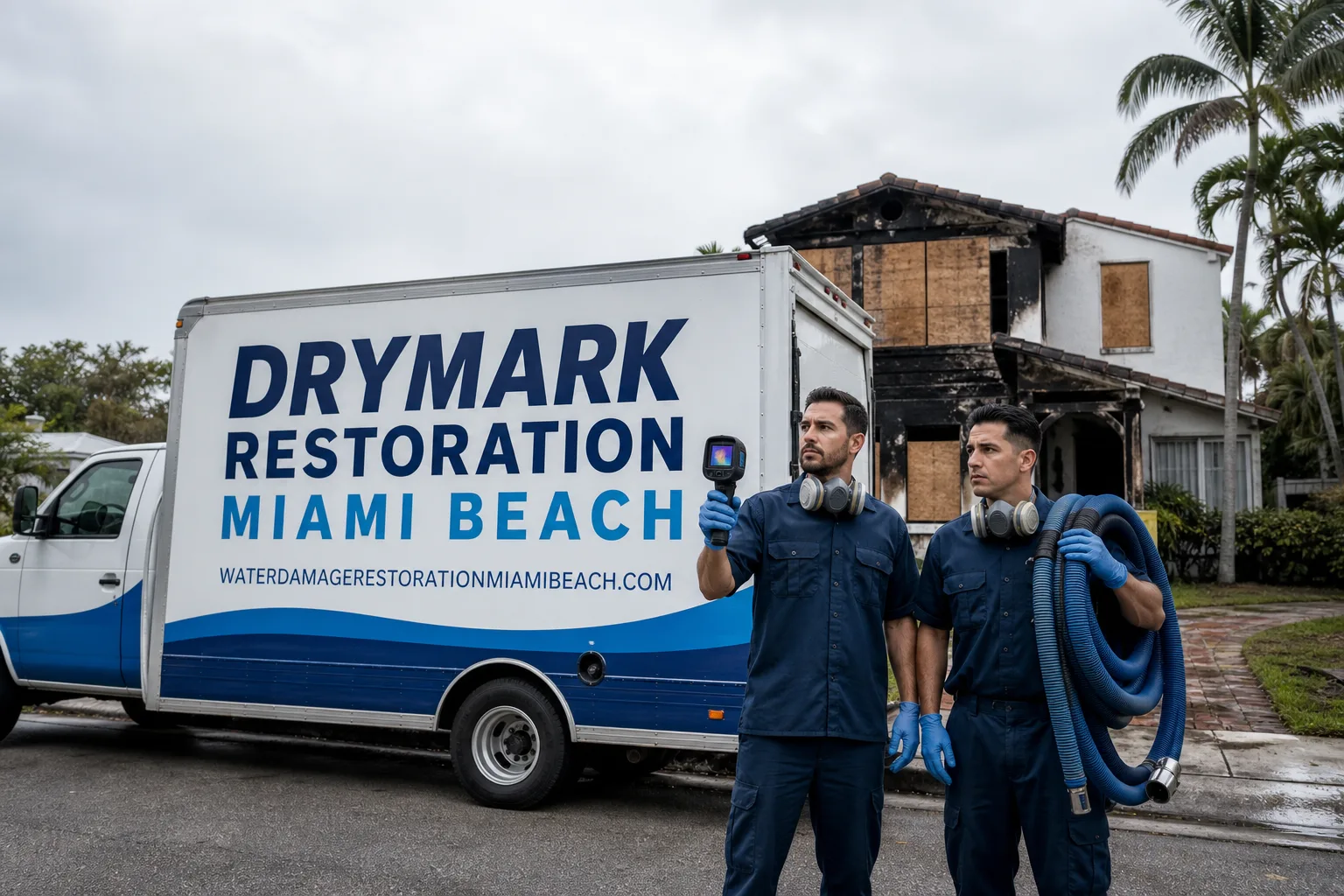
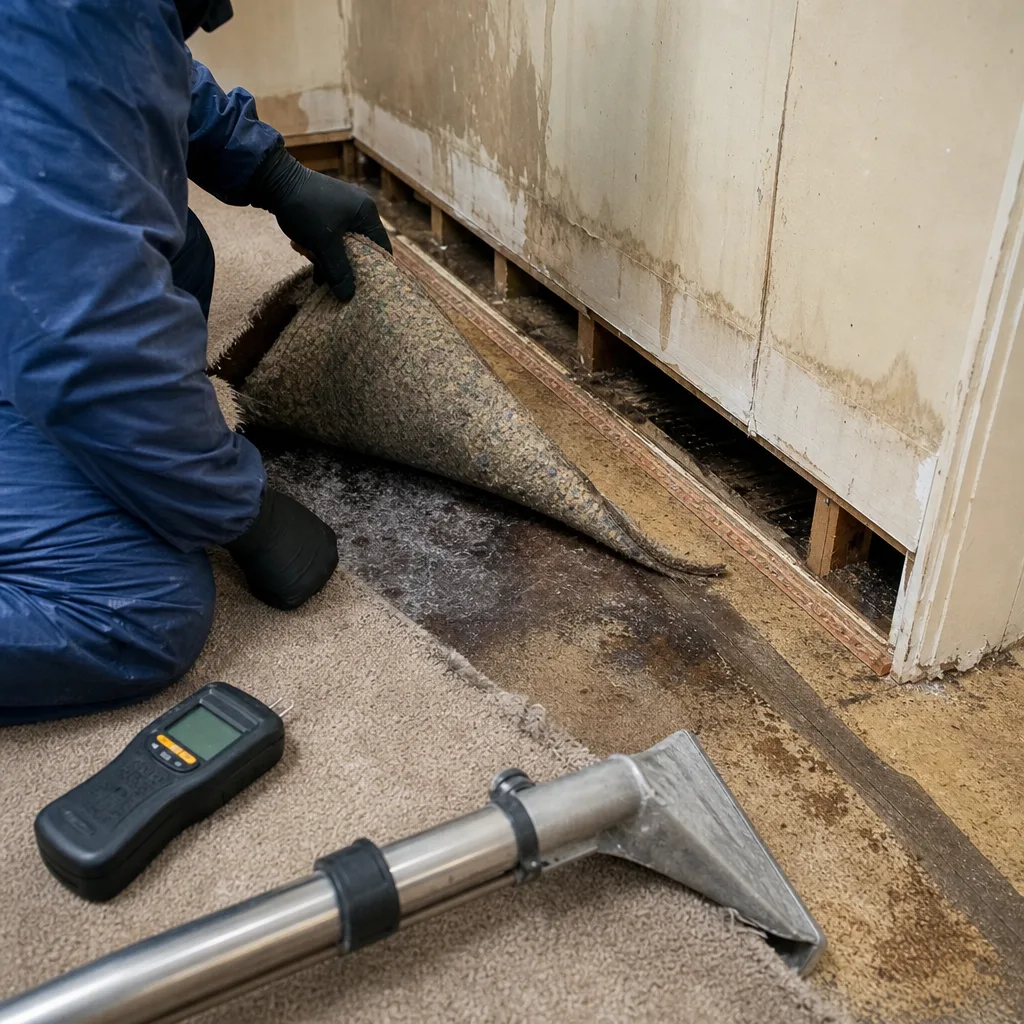
Free visual inspection and a written scope of work before any mitigation begins - photos, moisture readings, and drying logs go in your claim file
The scope we write is the scope we bill. Anything new gets shown to you, in writing, before we touch it.
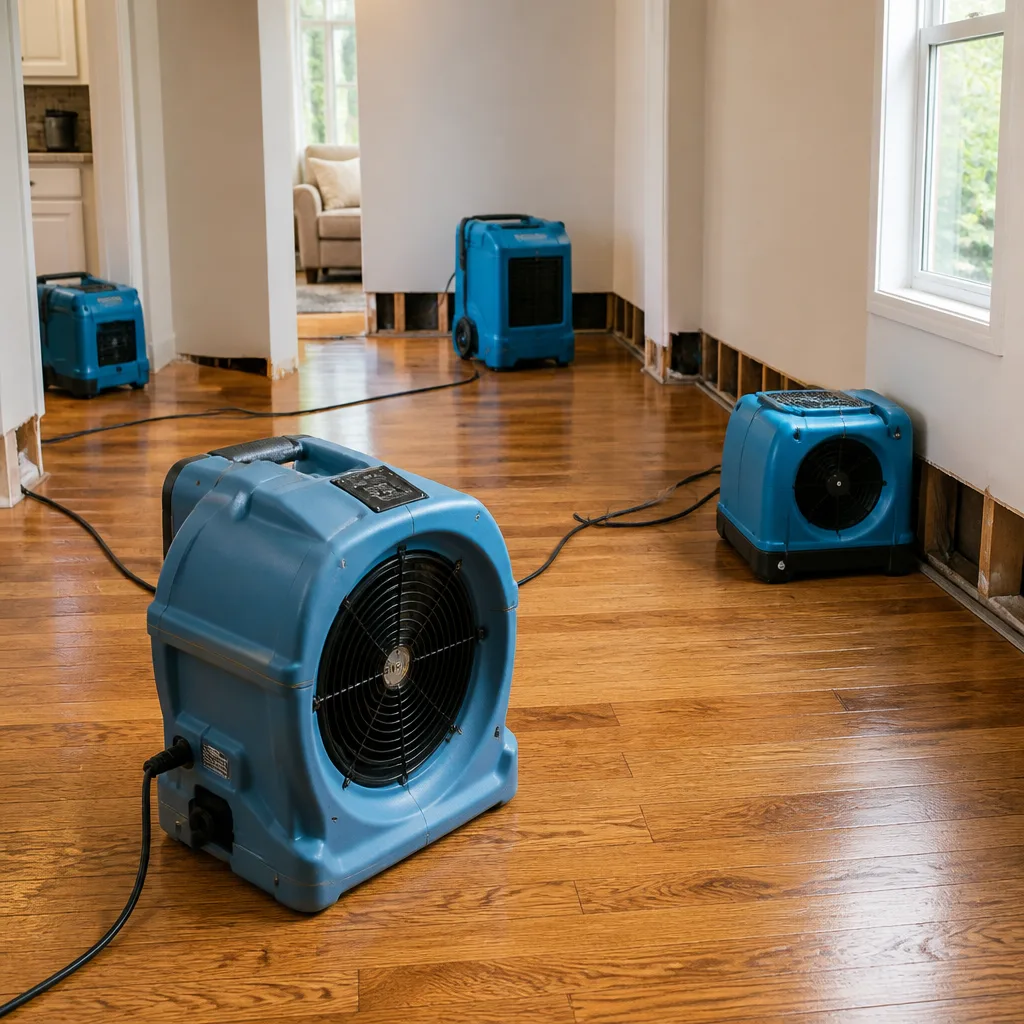
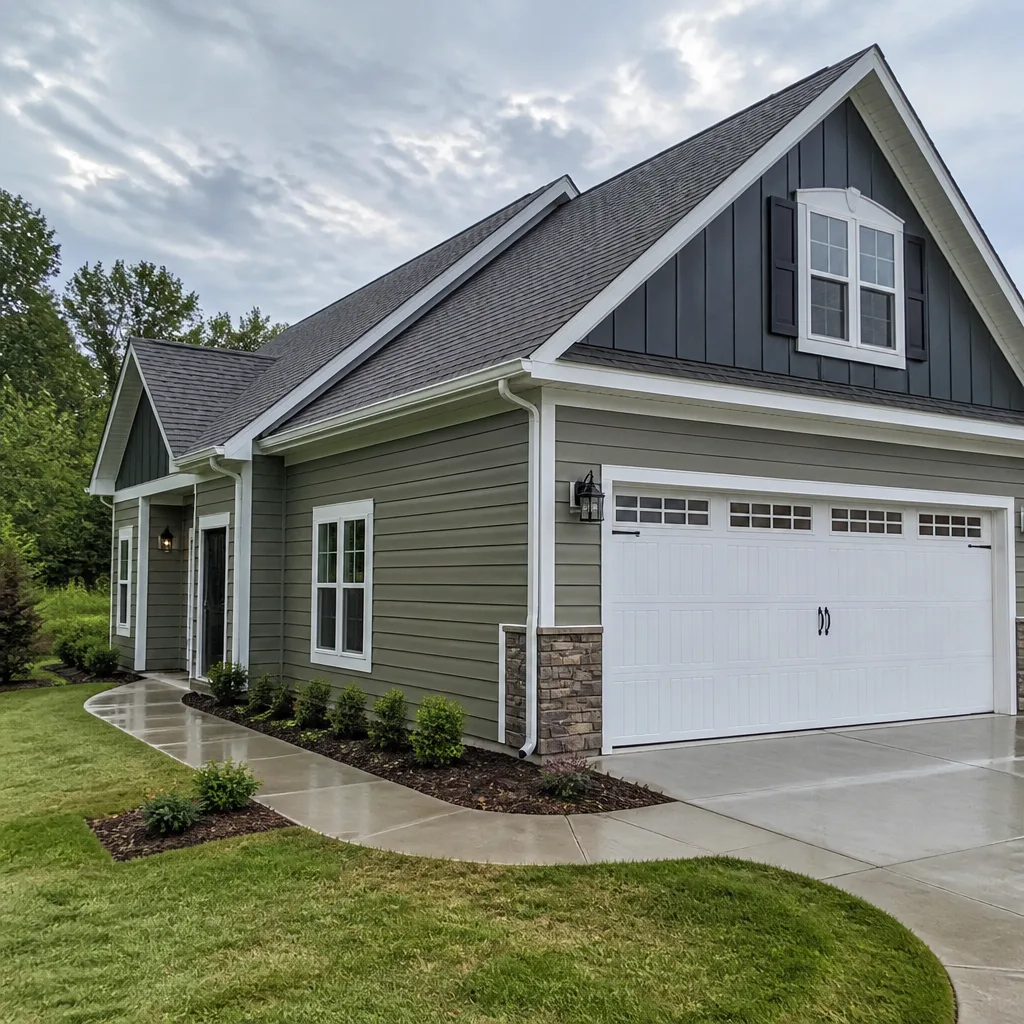
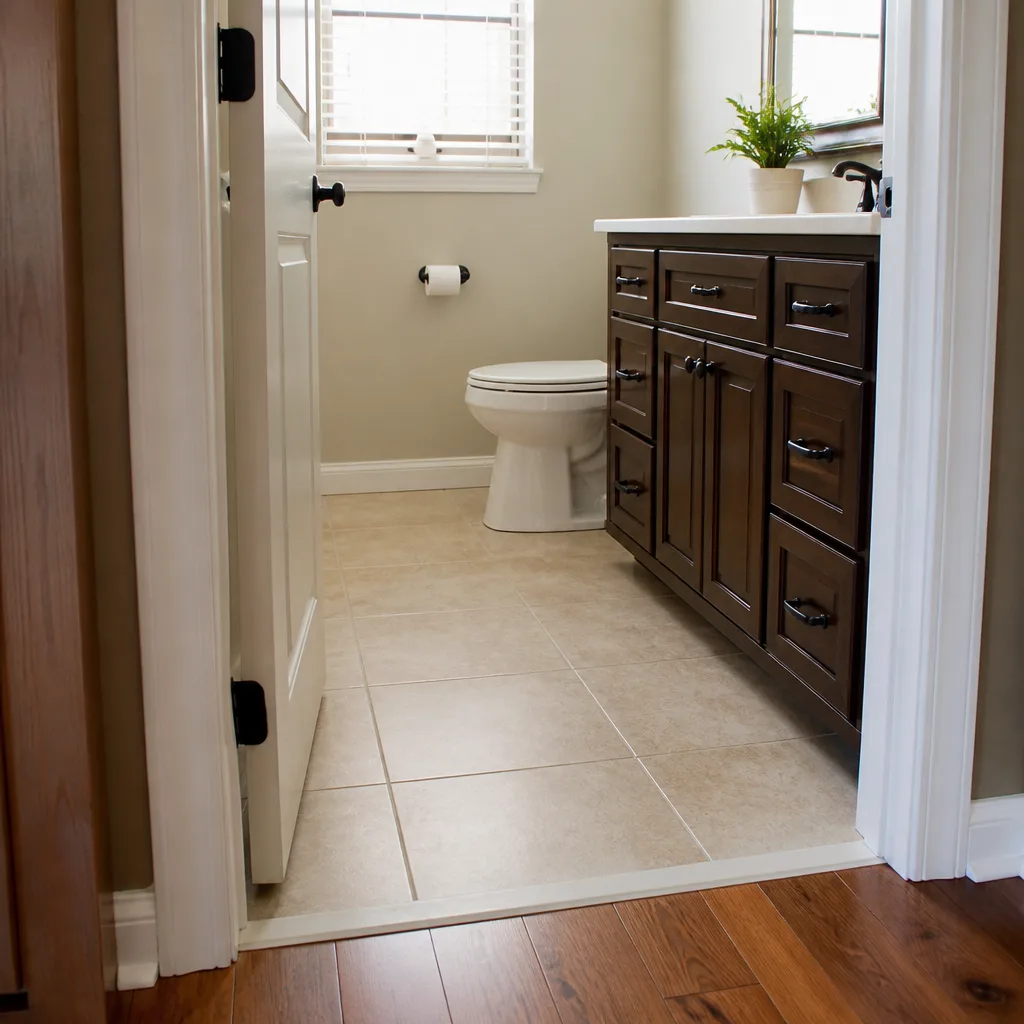
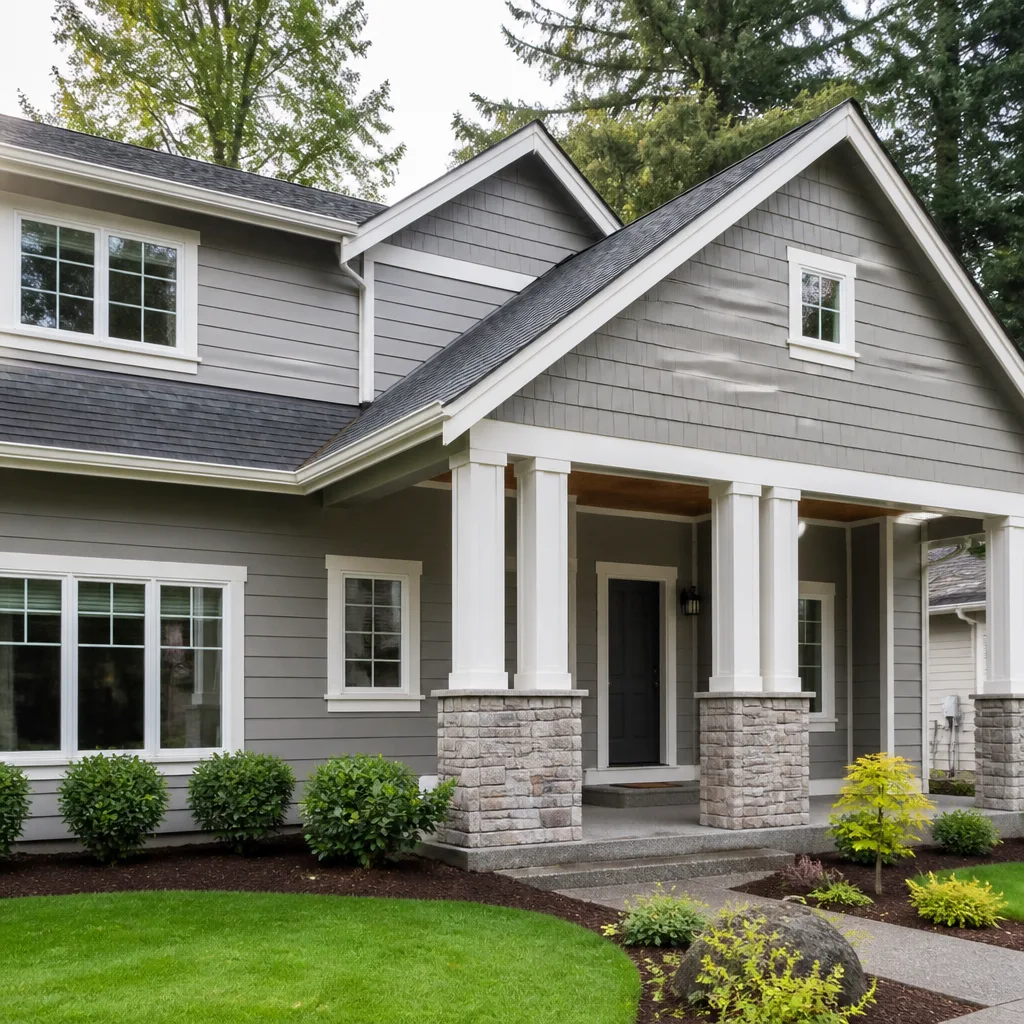
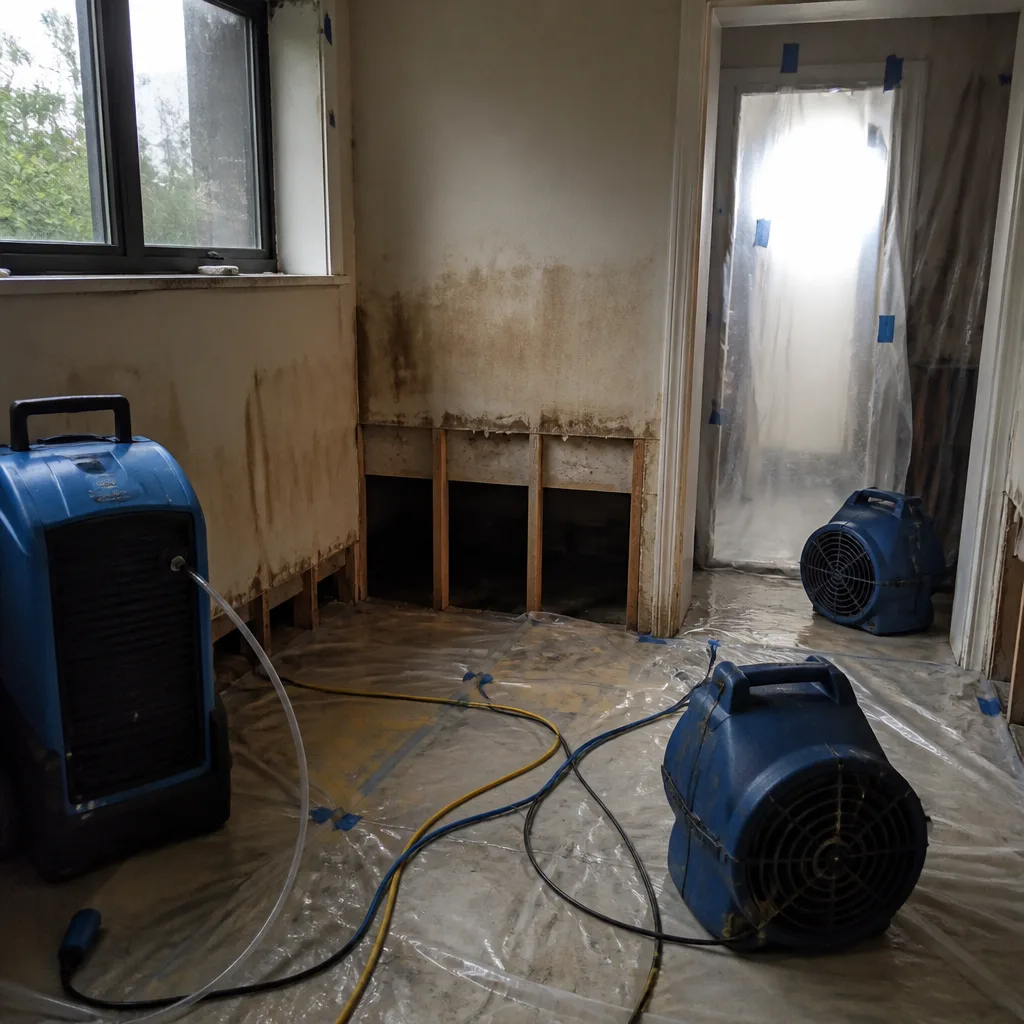 Before
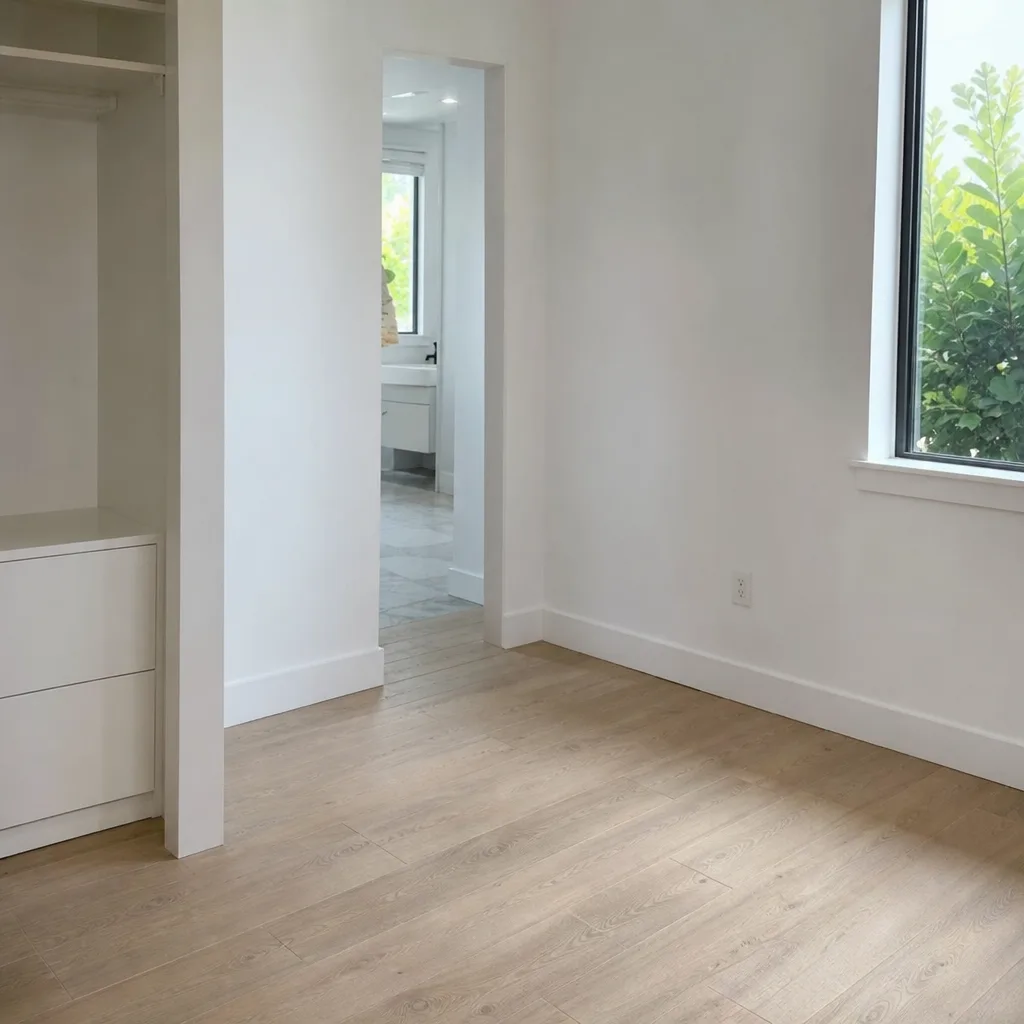 After
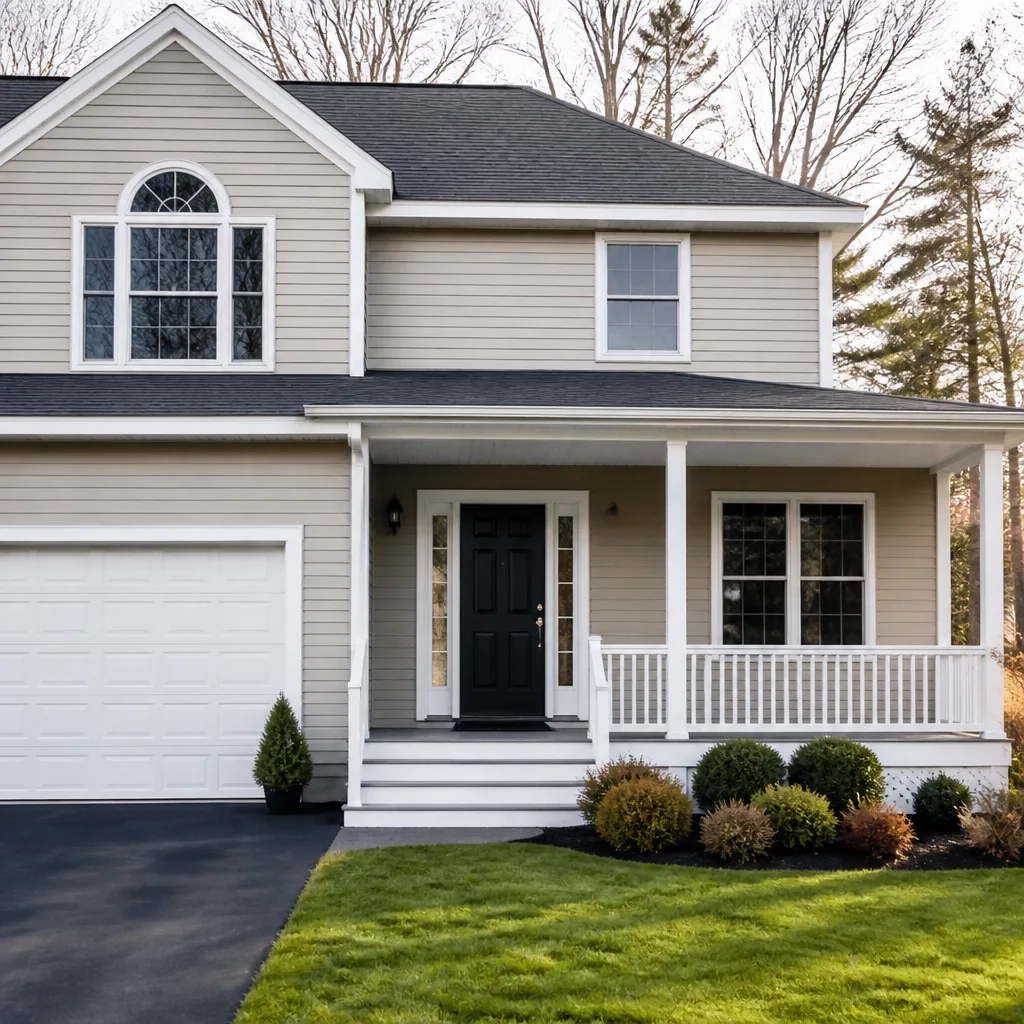
After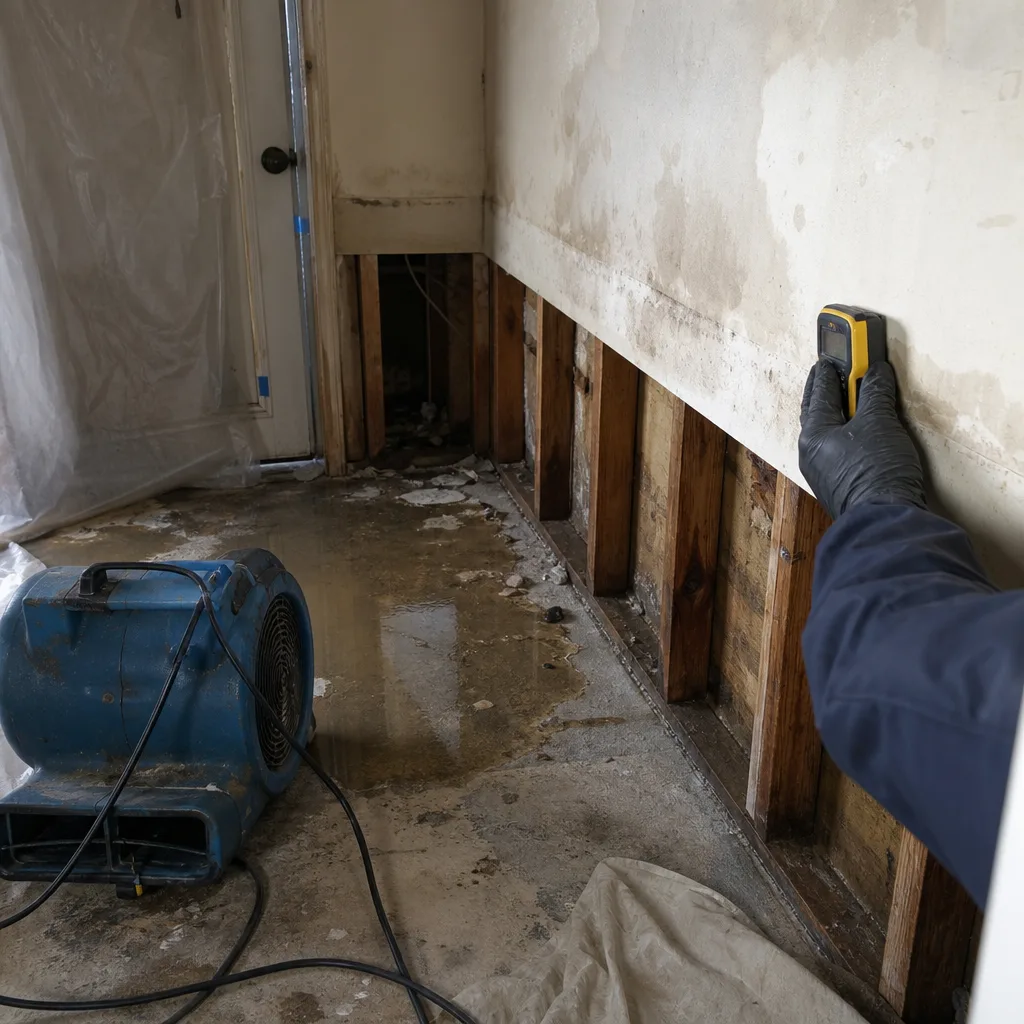 Before
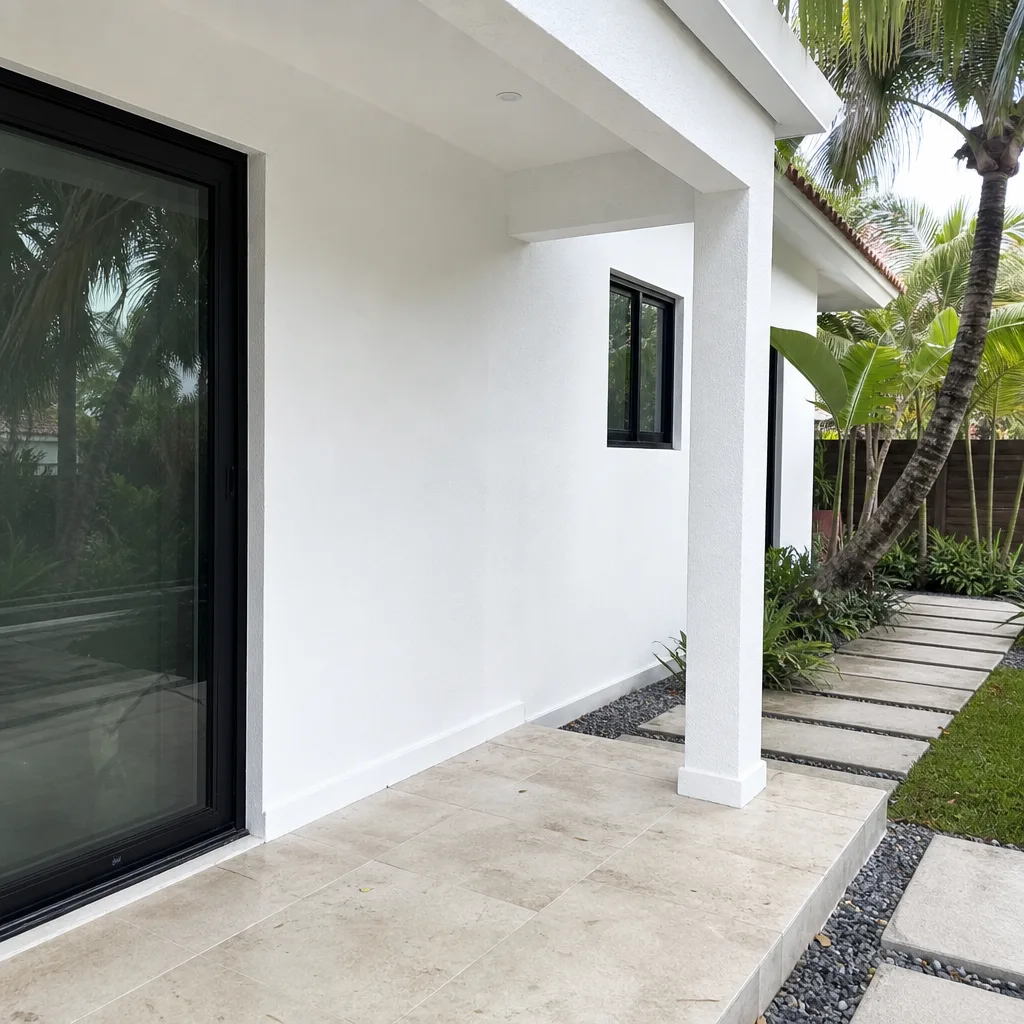 After
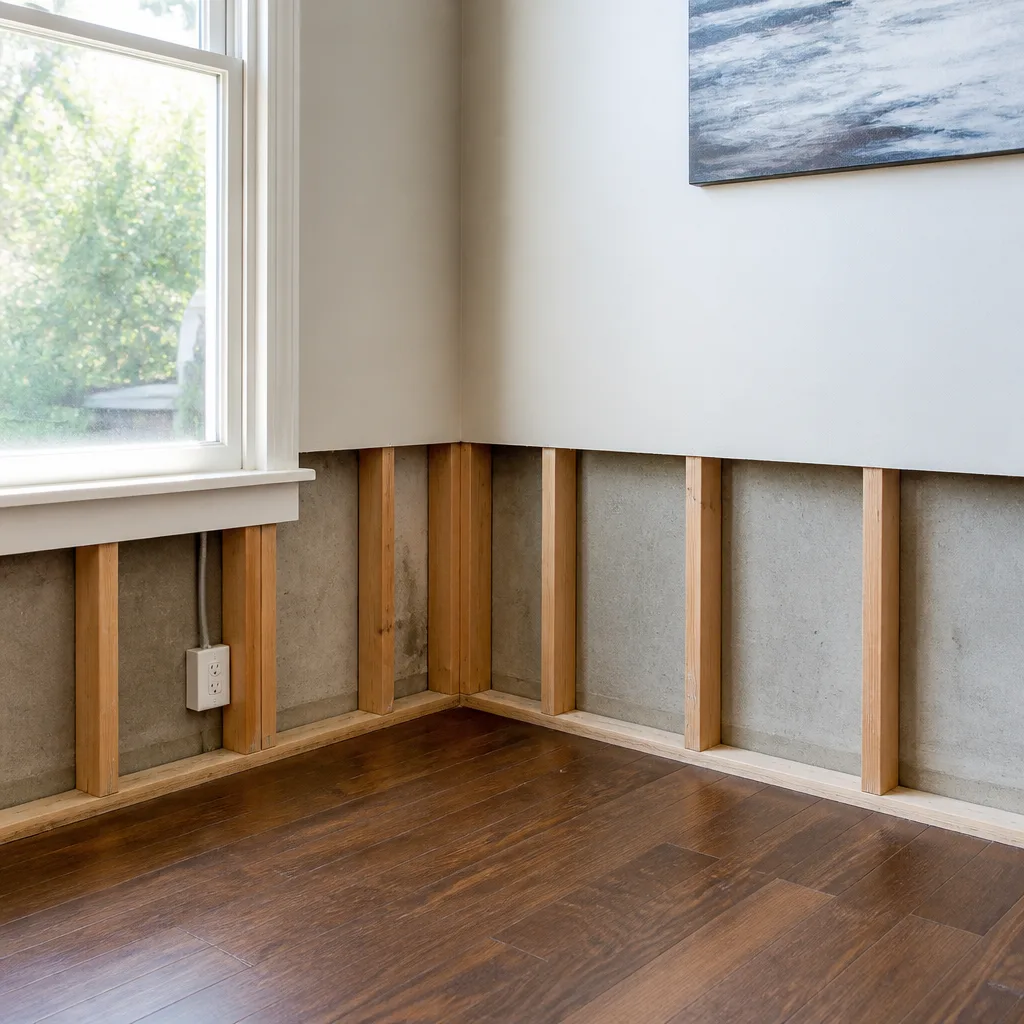
After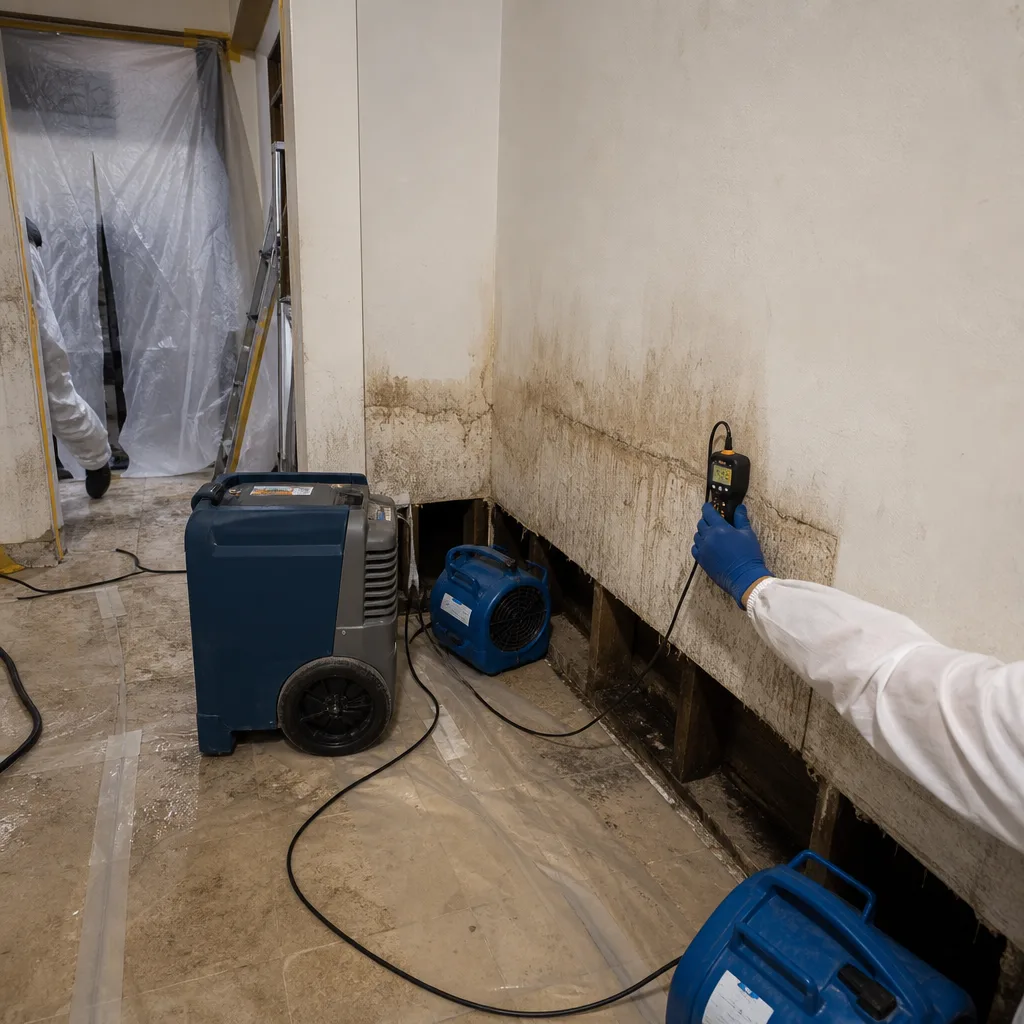 Before
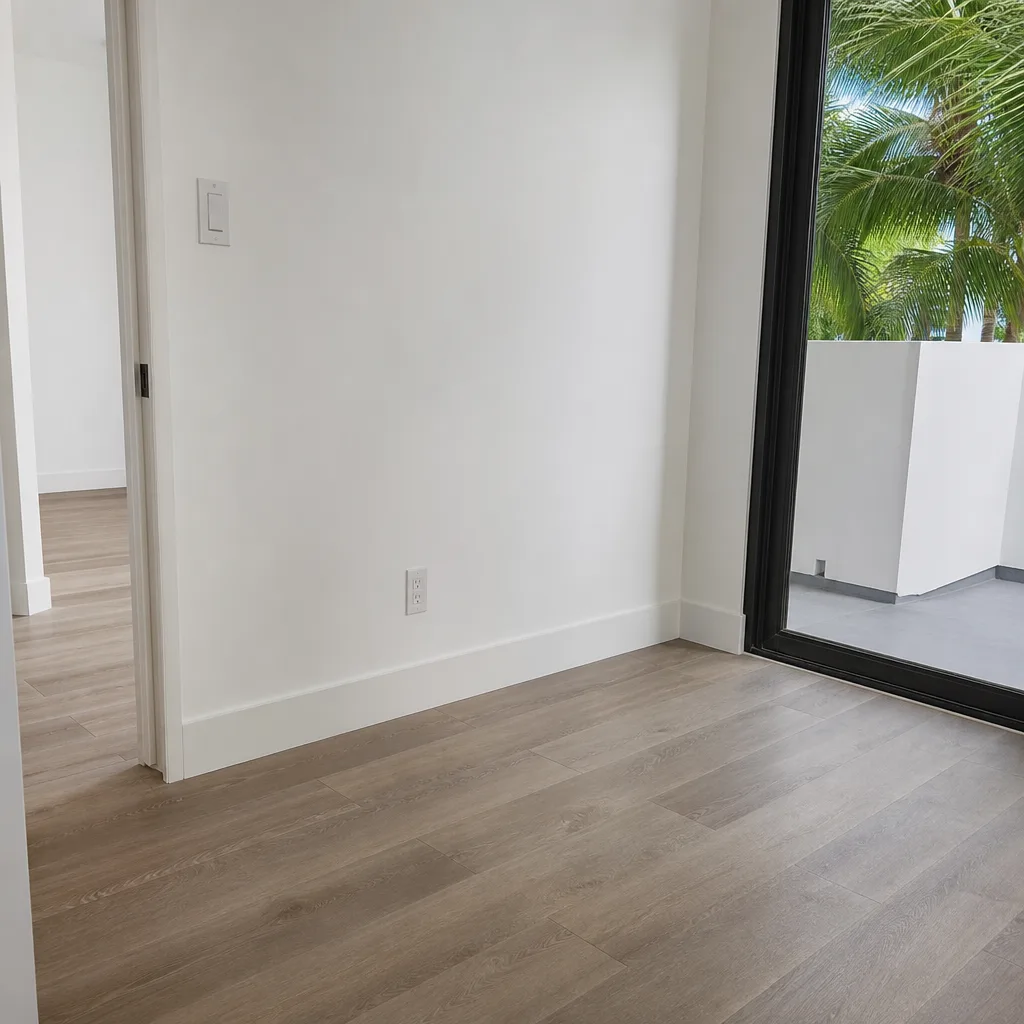 After
AfterFast, Reliable Fire & Smoke Damage Restoration Across Miami Beach
Fire and smoke damage restoration in Miami Beach typically costs $3,200-$8,500 for a single-family residence with moderate smoke and soot intrusion, while ground-floor units in South Beach’s Art Deco buildings often run $4,800-$12,000 due to Historic Preservation Board requirements and the need to match original lime plaster and terrazzo. Most emergency board-up and tarping calls in Miami Beach receive a crew within 60-90 minutes during daylight hours, with our 24-hour live dispatch answering every call directly at (786) 384-5591. We’re familiar with the island’s unique building stock, from the 1930s hollow clay-tile structures along Ocean Drive to the mid-century concrete block homes north of 41st Street, and we coordinate dispatch from our South Florida office with crews who know Miami Beach’s flood-prone corridors and narrow historic streets.
Why DryMark Restoration Miami Beach Is Miami Beach’s Preferred Fire & Smoke Damage Restoration Company
We’ve restored fire-damaged properties across Miami Beach since 2011, from Collins Avenue condos to the walk-up apartments of Flamingo Park, and our documentation-first approach has earned us a strong local reputation with both homeowners and their adjusters. Our Miami Beach customers consistently note in reviews that our written price before work starts and our photo-documented visits eliminated the scope-creep surprises they’d experienced with other restoration companies on prior claims.
Response time to Miami Beach averages under 90 minutes for emergency board-up and tarping, critical when Atlantic storm fronts or post-hurricane fire risks compound an already damaged structure. Our crews carry the specific fasteners, marine-grade tarps, and corrosion-resistant hardware needed for Miami Beach’s salt-air environment, where standard hardware fails within months.
We know the local terrain. That means understanding which South Beach blocks flood first during king tides, how the porous oolitic limestone beneath Miami Beach wicks brackish groundwater into fire-damaged slabs, and why the Historic Preservation Board’s material-matching requirements can add two to four weeks to a restoration timeline if not addressed in the initial scope. This local knowledge prevents the documentation gaps that delay insurance payments and extend displacement.
Our Fire & Smoke Damage Restoration Services in Miami Beach
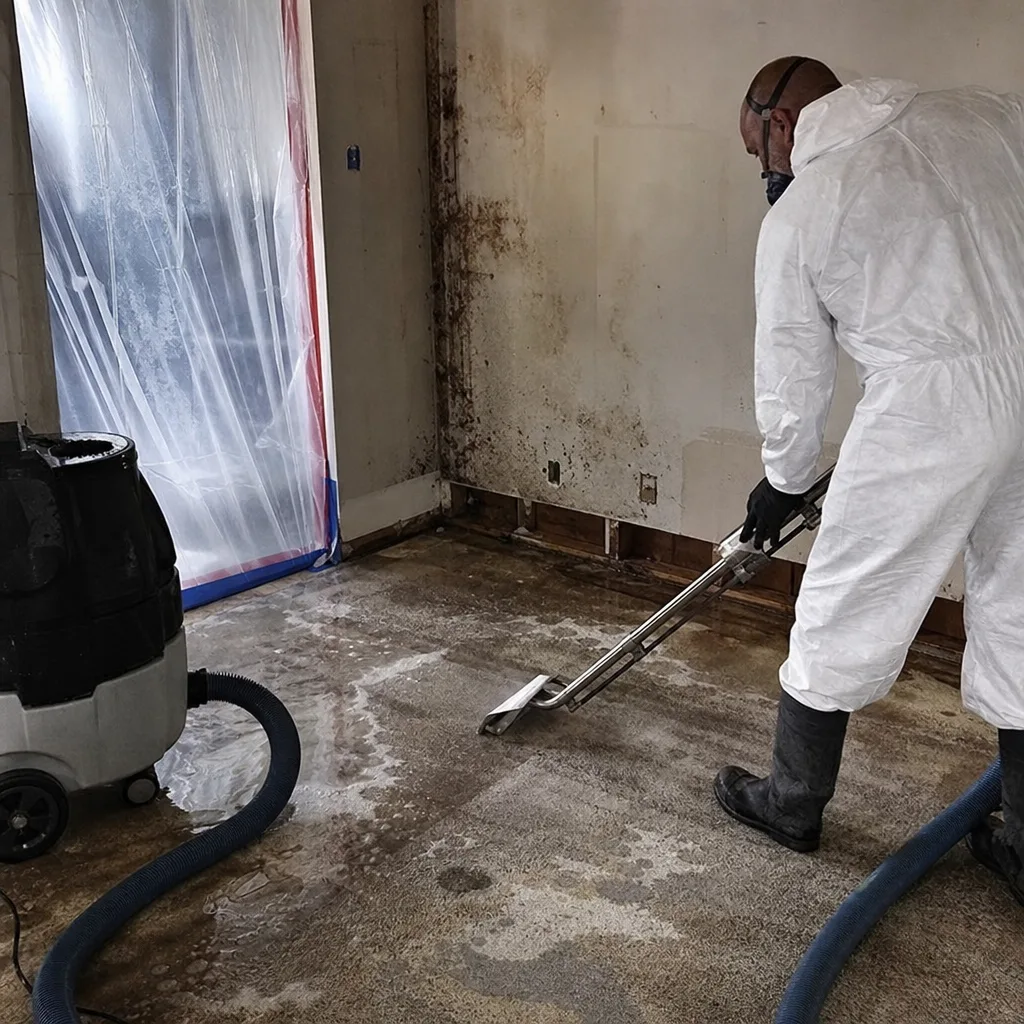
Fire Damage Cleanup
Fire damage cleanup in Miami Beach begins with a documented photo record of every affected surface before any material is disturbed, followed by a written scope delivered to the owner and adjuster before work starts, per Haven Standard, Clause 1. In Miami Beach’s Art Deco Historic District, this process includes pre-loss documentation of original lime plaster, terrazzo floors, and decorative metalwork that the Historic Preservation Board will require us to match or restore rather than replace. Our crews use HEPA filtration and contained debris removal to prevent soot migration through the porous clay-tile walls common to 1930s-1950s buildings along Ocean Drive and Espanola Way.
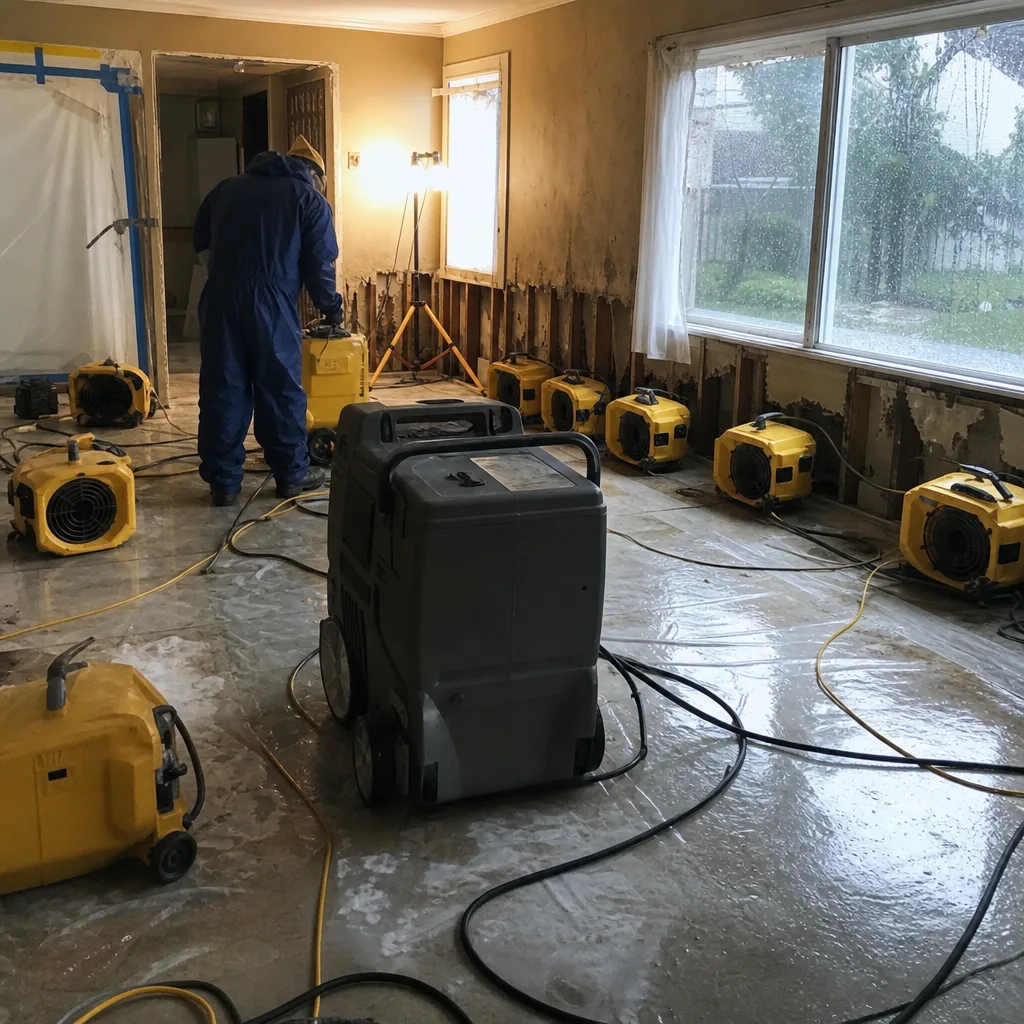
Smoke & Soot Removal
Smoke and soot removal in Miami Beach demands more than surface cleaning, especially in the Art Deco corridor where hollow clay-tile walls and lime plaster absorb volatile organic compounds deep into the substrate. Standard dry-cleaning sponges and topical treatments fail here. Our approach combines abrasive blast cleaning for non-porous surfaces, chemical sponging for delicate historic finishes, and targeted extraction for terrazzo and original hardware. We document soot penetration depth with photo evidence at each stage, producing the records adjusters need to approve extended remediation scopes when the building’s historic fabric requires it.
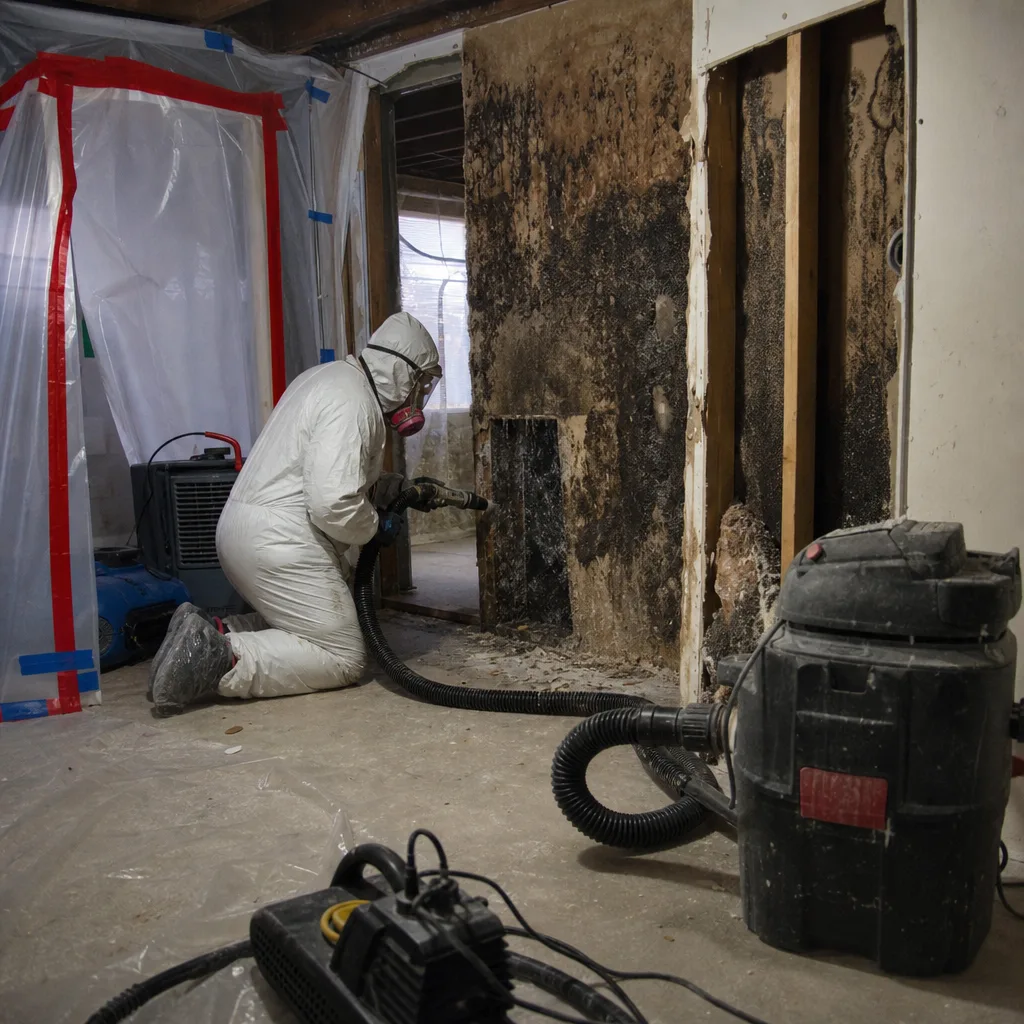
Odor Removal & Deodorization
Odor removal and deodorization in Miami Beach’s older buildings often requires multiple modalities: thermal fogging for void spaces, hydroxyl generators for occupied areas where ozone would damage rubber and plastics, and activated charcoal for HVAC systems where salt-corroded ductwork has compromised seals. On a contributing 1936 building off Ocean Drive in South Beach, a kitchen fire left smoke residue embedded in hollow clay-tile walls and terrazzo. After board-up and tarping, our crew performed odor removal and deodorization with hydroxyl and thermal fogging, then used Injectidry mats to dry the lime plaster before antimicrobial treatment. Because the building is in the Historic Preservation Board’s purview, we documented pre-loss condition and matched original materials rather than demo-and-replace, and the owner avoided a callback for efflorescence weeks later.
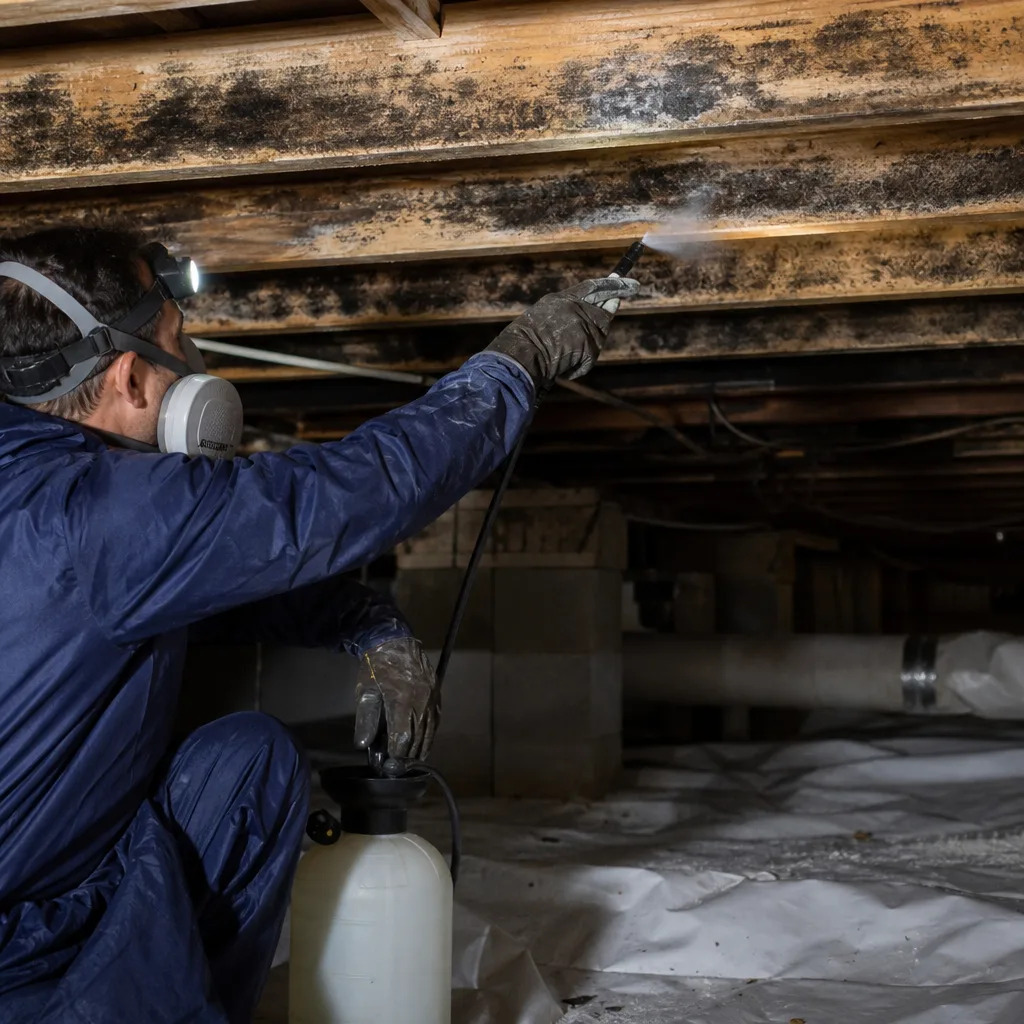
Contents Cleaning & Pack-Out
Contents cleaning and pack-out in Miami Beach must account for the island’s chronic humidity and salt-air corrosion, which accelerate tarnish and mold growth on fire-damaged personal property. We inventory every item with photo documentation, clean salvageable contents at our South Florida facility using ultrasonic and specialized textile processes, and store them in climate-controlled conditions while structural restoration proceeds. For Art Deco district owners, this includes careful handling of period fixtures, original hardware, and decorative elements that contribute to the building’s historic designation and resale value.
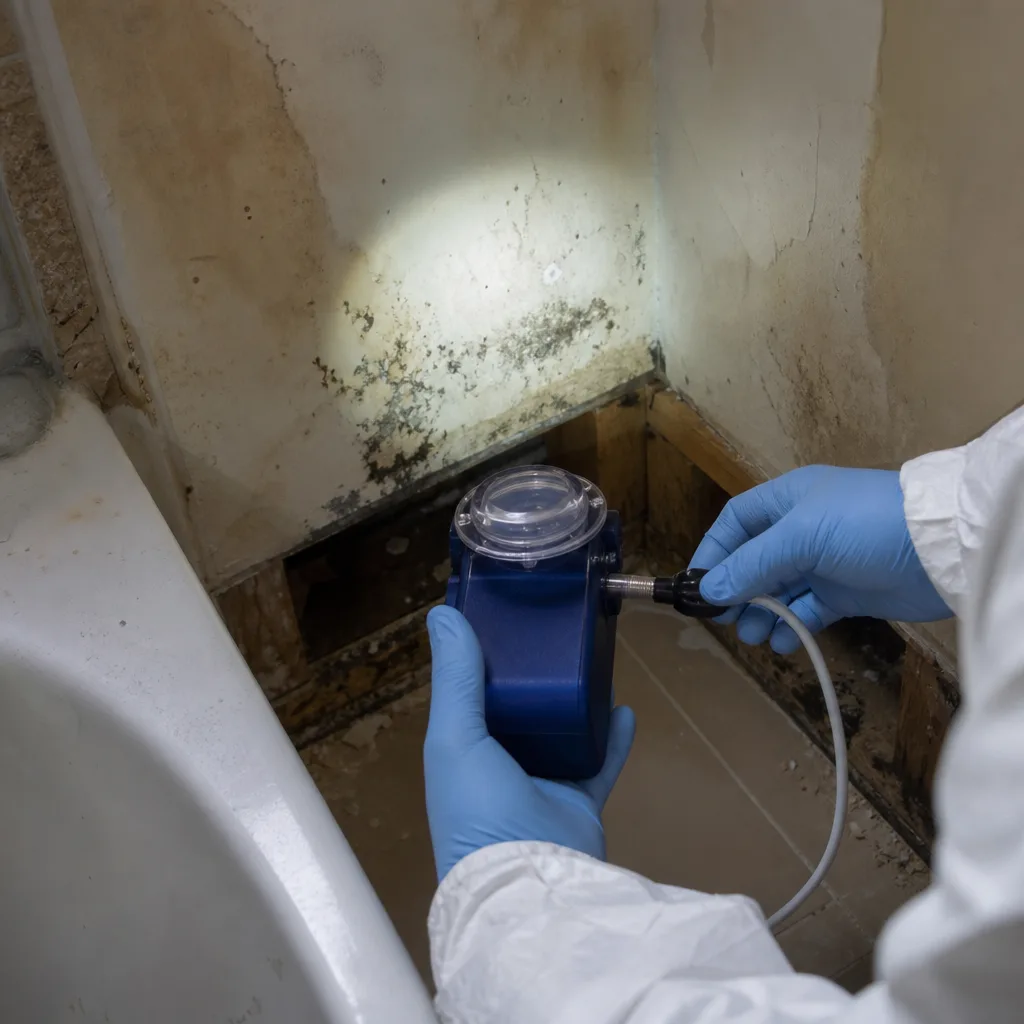
Emergency Board-Up & Tarping
Emergency board-up and tarping in Miami Beach requires marine-grade materials and corrosion-resistant fasteners that withstand the island’s salt-air saturation. Our crews carry wind-rated hardware suitable for Miami Beach’s exposure to Atlantic storm fronts and the dual-coast surge risk that makes barrier-island properties uniquely vulnerable. We document the pre-board condition with photos, secure the structure to prevent further weather intrusion, and provide a written scope for permanent repairs before any reconstruction begins.
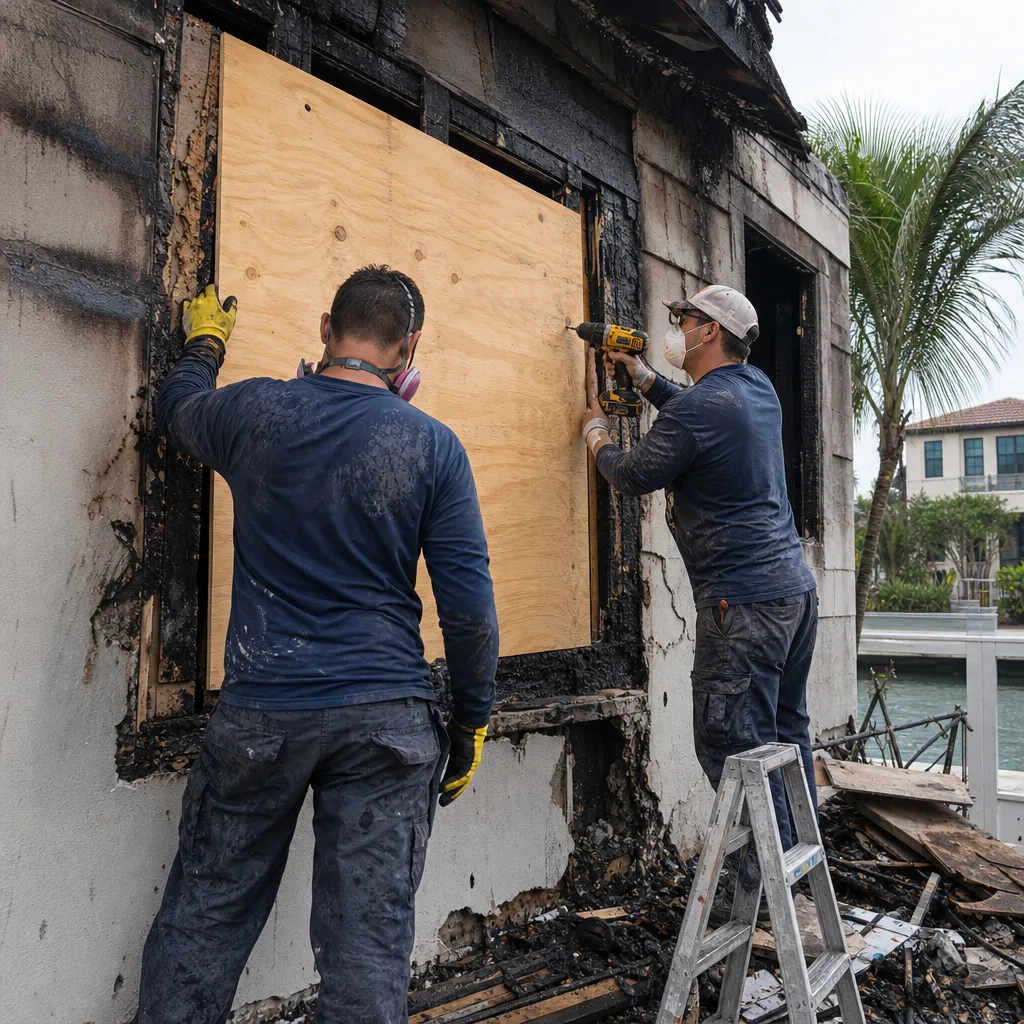
Structural Fire Repair
Structural fire repair in Miami Beach frequently uncovers salt-degraded steel lintels, fasteners, and embedded structural elements that the fire itself did not damage but that must be addressed for code compliance and long-term integrity. The corrosive salt air that pre-degrades these components means our scopes often grow once walls are opened, and we document each finding with photos and written addendums for adjuster review. In the Art Deco Historic District, structural repairs require board-approved materials and methods, extending timelines but preserving the building’s contributing status and protecting owner equity.
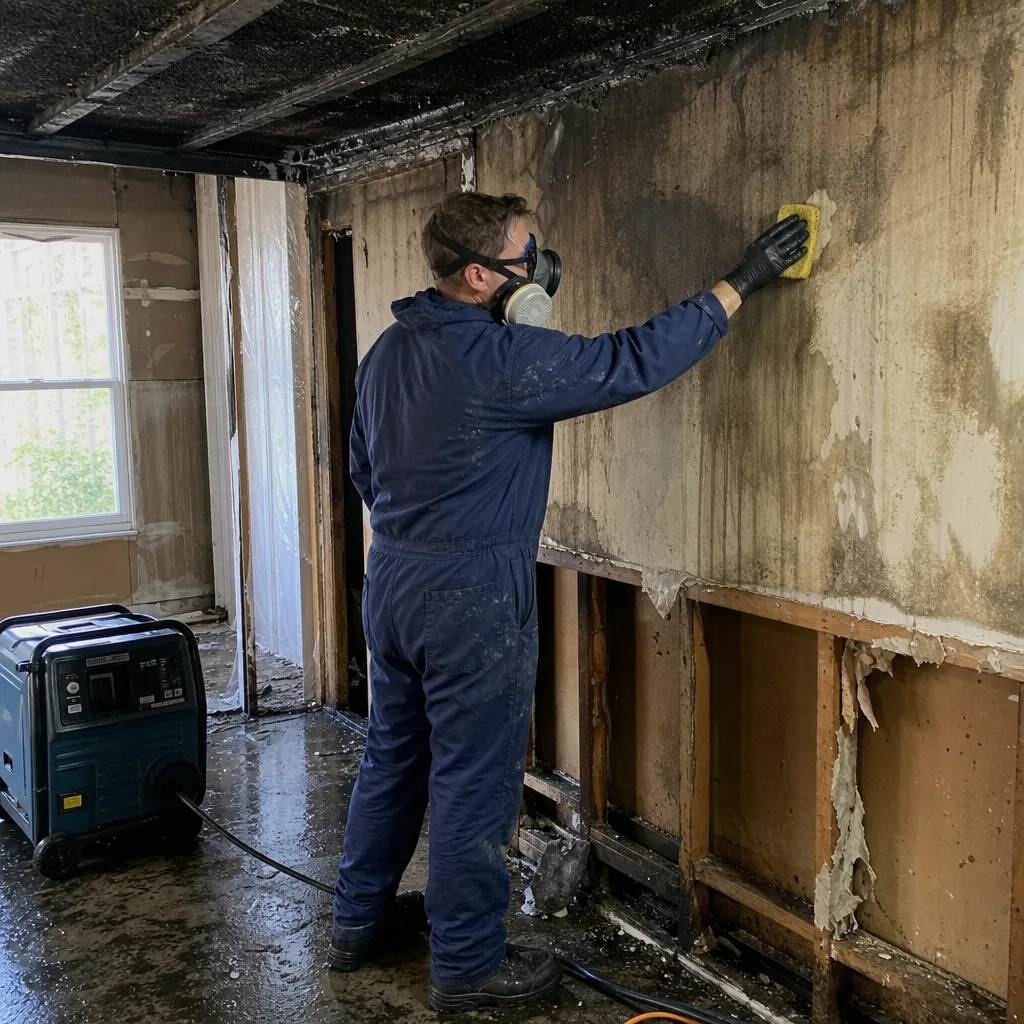
What happens when you call
- 1
A real person answersNo phone trees - you reach a local pro.
- 2
You get an upfront price rangeHonest numbers before anyone is dispatched.
- 3
A background-checked tech heads outLicensed & insured, dispatched right away.
- 4
You approve before work beginsNothing starts until you say go.
BeforeAfterTrusted Brands We Service in Miami Beach
Our crews deploy professional-grade equipment from XPOWER, B-Air, and Injectidry, with IICRC-documented protocols that produce the daily moisture logs and psychrometric data adjusters expect. We stock corrosion-resistant fasteners and marine-grade materials locally for Miami Beach’s salt-air environment, reducing wait times for hardware that standard suppliers don’t carry. This matters when a Historic Preservation Board deadline requires rapid material matching, or when a ground-floor unit’s porous limestone slab continues wicking brackish groundwater and needs repeated moisture mapping with documented readings.
Common Fire & Smoke Damage Restoration Problems We See in Miami Beach Homes
- Historic Preservation Board delays on demo-and-replace approaches. Restoring a fire-damaged Art Deco building in the Historic Preservation Board district with standard demo-and-replace triggers board review delays and scope rejections. We build material-matching and restoration-first approaches into every initial scope for contributing structures.
- Odor rebound from hollow clay-tile and lime plaster. Treating smoke odor on hollow clay-tile and lime plaster with only surface cleaning leads to odor rebound because soot and volatile compounds are absorbed deep into the 1930s substrate. Our multi-modal deodorization addresses this at the material level.
- Salt-degraded structural elements inflating repair scopes. Ignoring salt-degraded steel lintels and fasteners uncovered during structural fire repair inflates the scope beyond the fire loss and complicates the insurance claim. We document these findings as we find them, with photos, to keep the claim transparent.
- Ground-floor capillary moisture complicating fire restoration. In South Beach’s Art Deco buildings, ground-floor units often show recurring efflorescence and salt crystallization on interior plaster walls weeks after a job is closed out. The porous limestone foundation continues wicking brackish groundwater upward through the slab long after surface readings are clear, generating callbacks that insurers initially misread as a new loss rather than ongoing capillary migration from the original event. We address this with extended moisture mapping and documented drying logs.
Pricing for Fire & Smoke Damage Restoration in Miami Beach, FL
| Service | Typical Range in Miami Beach |
|---|---|
| Emergency board-up & tarping | $450-$1,200 |
| Smoke & soot removal (per affected room) | $800-$2,400 |
| Odor removal & deodorization (whole unit) | $1,600-$4,800 |
| Contents cleaning & pack-out | $1,200-$3,600 |
| Structural fire repair (moderate, per room) | $2,400-$7,200 |
| Full restoration: ground-floor Art Deco unit | $4,800-$12,000+ |
These ranges reflect Miami Beach’s specific conditions: Historic Preservation Board material-matching requirements, salt-air corrosion that extends structural repair scopes, and the porous limestone substrate that complicates drying in ground-floor units. Every job receives a written price before work begins, per Haven Standard, Clause 1, with no additions once the crew is inside. We also provide a Free Second Opinion on any competitor’s written estimate. Call (786) 384-5591 for your documented assessment.
We Also Serve Cities Near Miami Beach
Our Fire & Smoke Damage Restoration in Miami Beach crews also respond to properties in Miami, Key Biscayne, Coral Gables, and Hialeah. Dispatch and scheduling are coordinated from our South Florida office, with local crews serving each area’s distinct building stock and code requirements. Wherever you are in the metro, our Fire & Smoke Damage Restoration team brings the same documentation-first approach and written-price guarantee.
Serving Miami Beach, FL - Our Local Coverage Area
We’re based in the Miami Beach area and know this community well. Use the map below to see our service coverage - if you’re nearby, we can almost certainly help.
FAQs - Fire & Smoke Damage Restoration in Miami Beach
Yes, any demolition or material replacement on a contributing structure in the Art Deco Historic District requires Miami Beach Historic Preservation Board review before work proceeds. Our scopes for these buildings are built around restoration and material-matching rather than demo-and-replace, with pre-loss photo documentation submitted to the board as part of the approval package. This adds time upfront but prevents the scope rejections and delays that occur when standard restoration approaches are applied. Call (786) 384-5591 for a written estimate that accounts for board requirements from day one.
Smoke odor returns because hollow clay-tile walls and lime plaster absorb volatile organic compounds deep into the substrate, where surface cleaning cannot reach. Standard sponge cleaning and topical treatments leave these compounds intact; temperature and humidity fluctuations then reactivate them. Our odor removal protocol for South Beach’s 1930s-1950s buildings includes thermal fogging for void spaces, hydroxyl generation for occupied areas, and moisture-controlled drying of the substrate itself to prevent reactivation. Call (786) 384-5591 if you’ve already experienced odor rebound - we’ll assess the substrate penetration and provide a written scope for permanent resolution.
Salt air pre-corrodes structural fasteners, steel lintels, and HVAC components before any fire occurs, so post-fire inspections routinely uncover degradation that the fire itself did not cause. This inflates repair scopes beyond the initial loss estimate and complicates insurance claims if not documented properly. Our crews photo-document every salt-degraded element as it is exposed, with written addendums for adjuster review, ensuring the full scope is claimable rather than falling to the owner. This documentation-first approach is built into every Miami Beach fire restoration we perform.
The process begins with moisture mapping to distinguish fire-related water intrusion from the chronic capillary wicking that Miami Beach’s porous limestone substrate causes in ground-floor units. We use Injectidry systems and documented psychrometric data to establish drying baselines, then perform smoke and soot removal, odor remediation, and structural repair with materials matched to the building’s historic designation. Our daily drying logs track moisture readings until the substrate is stable, preventing the efflorescence callbacks that insurers often misread as new losses. Call (786) 384-5591 for a written scope that addresses both the fire damage and the underlying moisture vector.
Yes, we routinely manage compound losses where storm-driven water or wind intrusion creates the conditions for subsequent fire damage, or where emergency heating/lighting equipment used during an outage causes a fire. Our crews document the chain of causation with photos and written scopes that distinguish storm-related from fire-related damage, producing the clear records adjusters need to process each portion of the claim correctly. In Miami Beach’s dual-exposure environment, this documentation clarity prevents the coverage disputes that compound an already difficult situation. Call (786) 384-5591 for a free assessment and written scope.
Written by Alicia Brennan, Owner at Back to Dry Restoration, serving Miami Beach since 2011.