
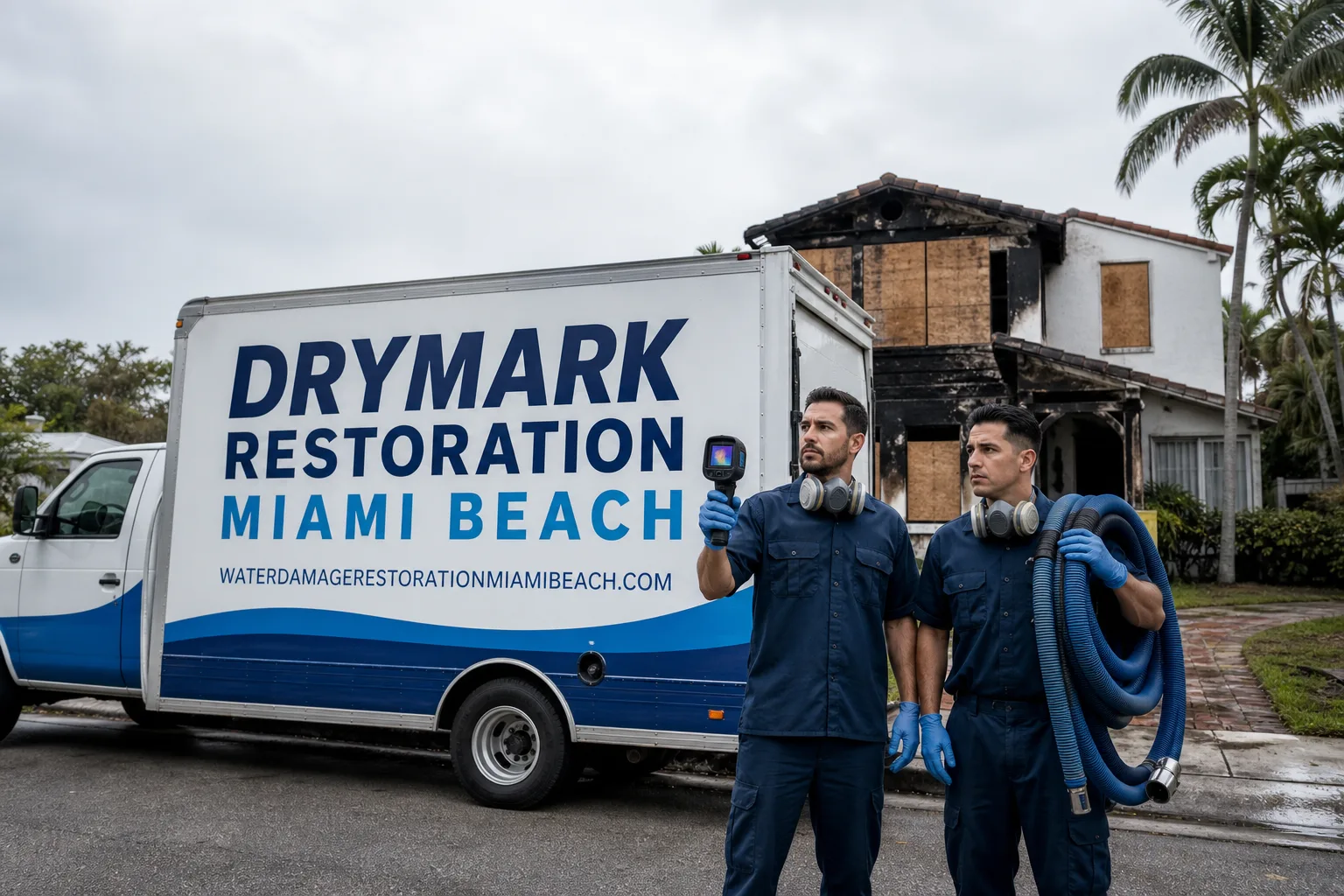
Free visual inspection and a written scope of work before any mitigation begins - photos, moisture readings, and drying logs go in your claim file
The scope we write is the scope we bill. Anything new gets shown to you, in writing, before we touch it.
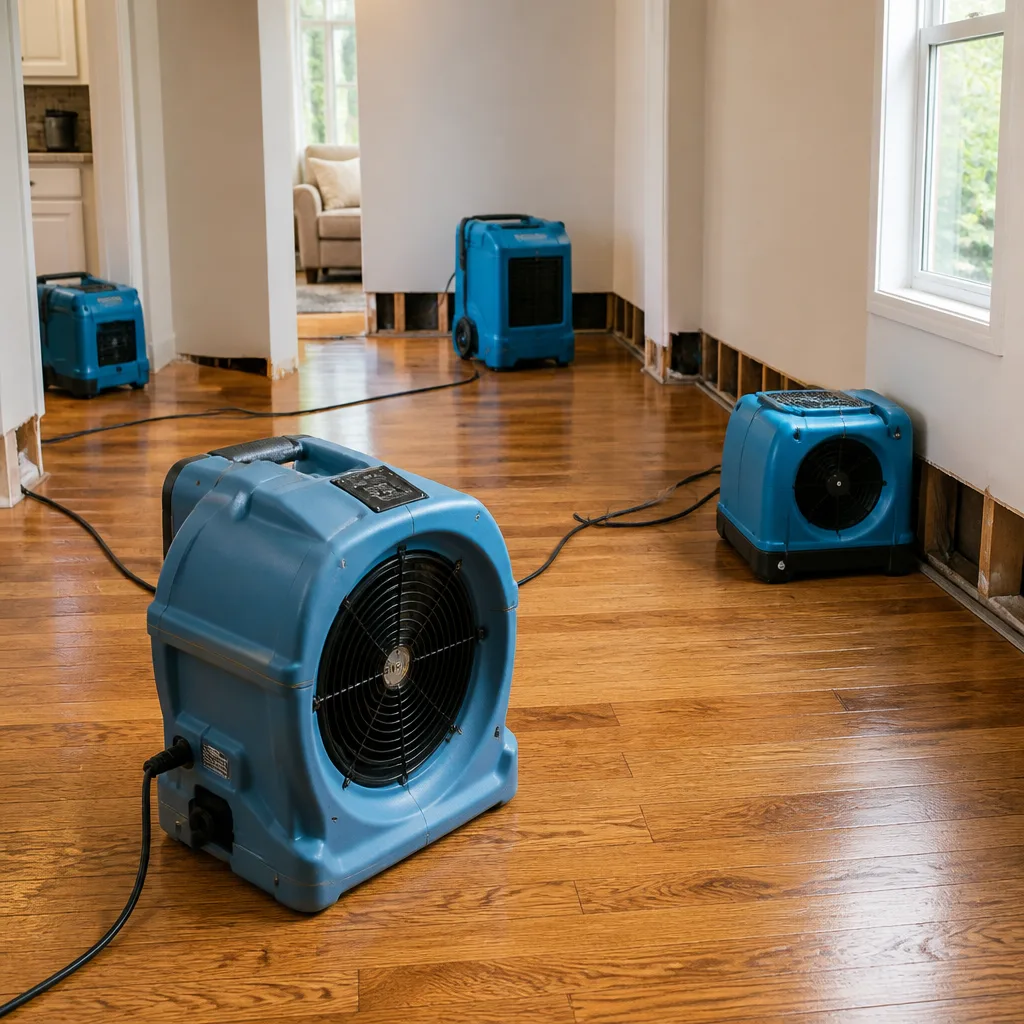
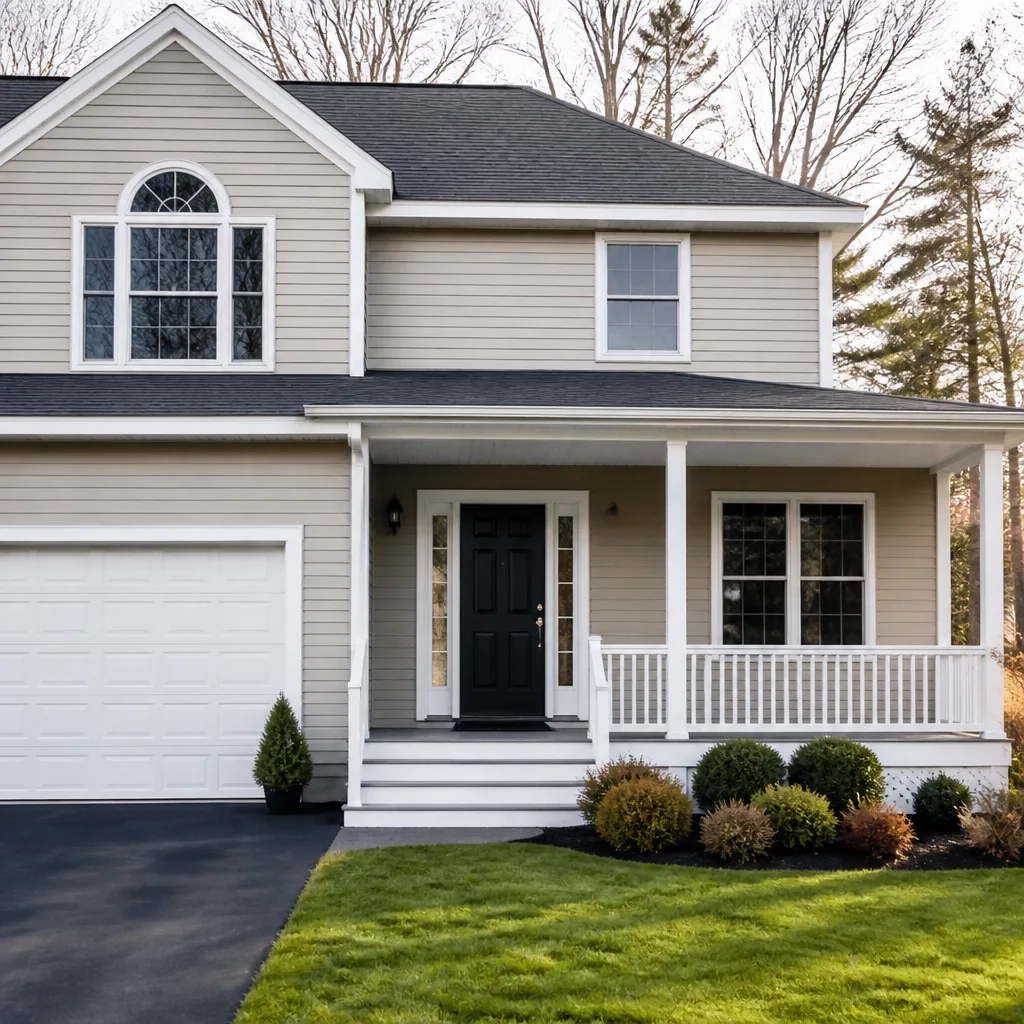
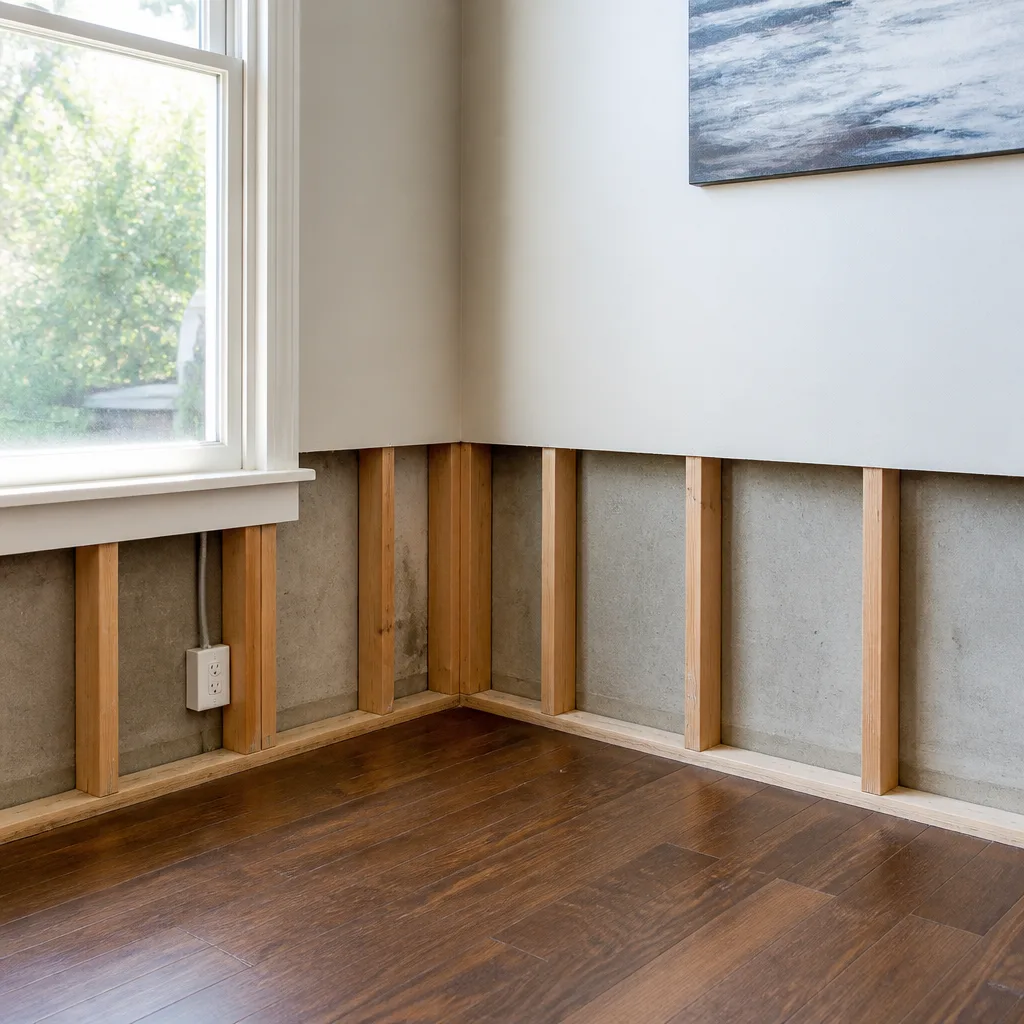
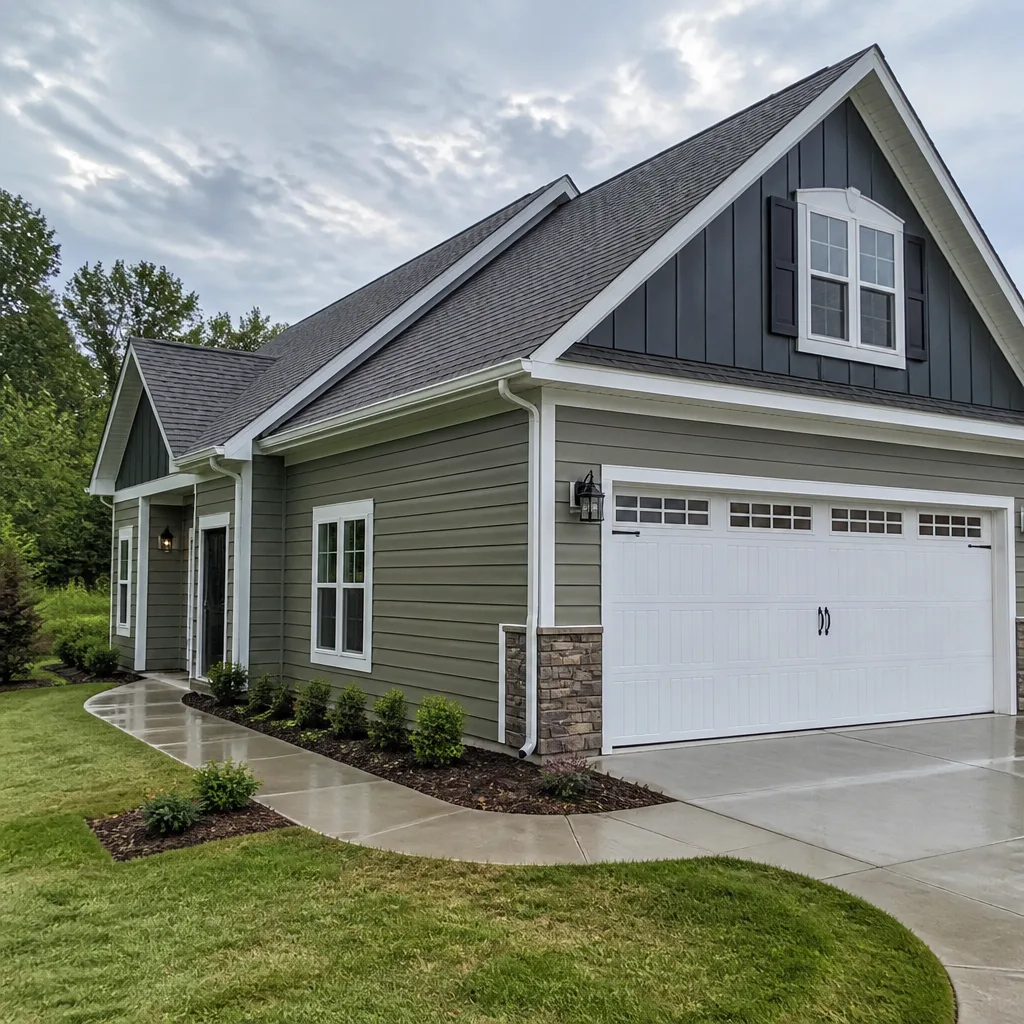
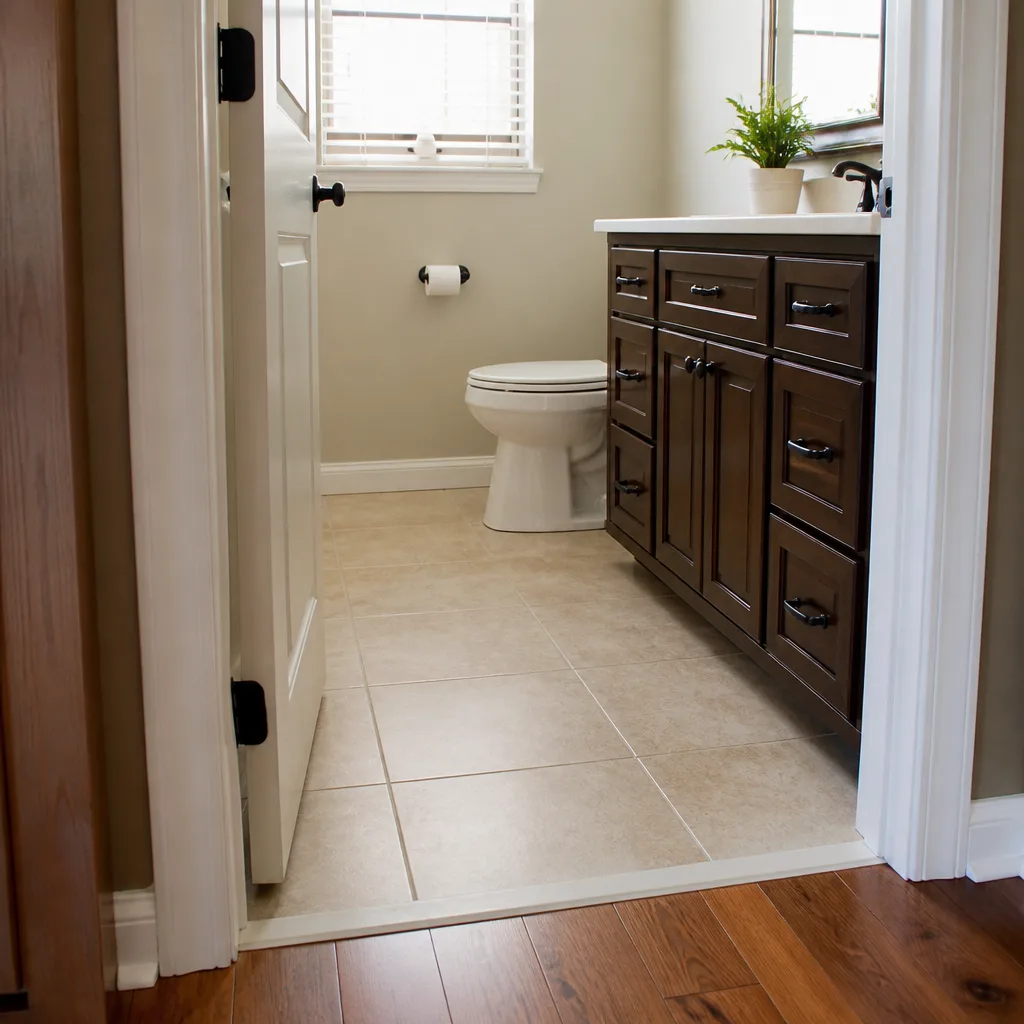
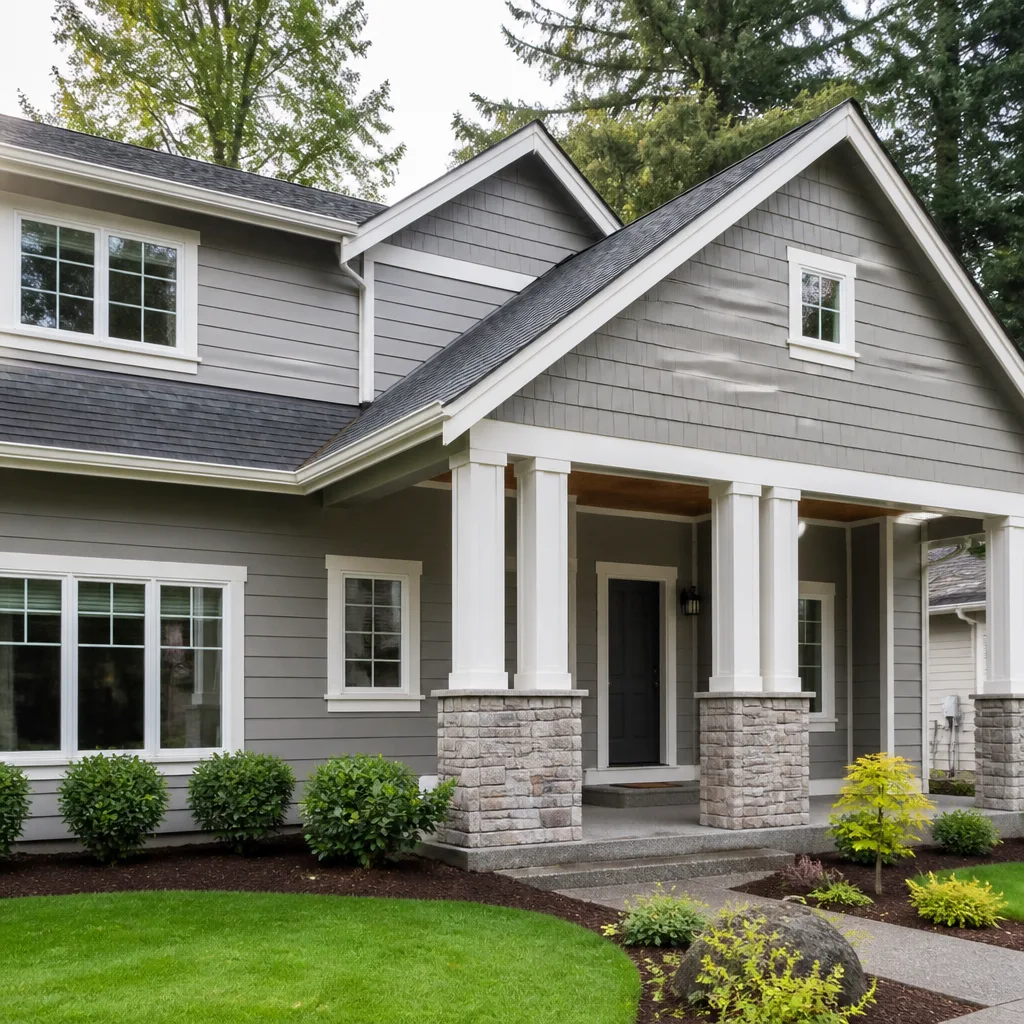
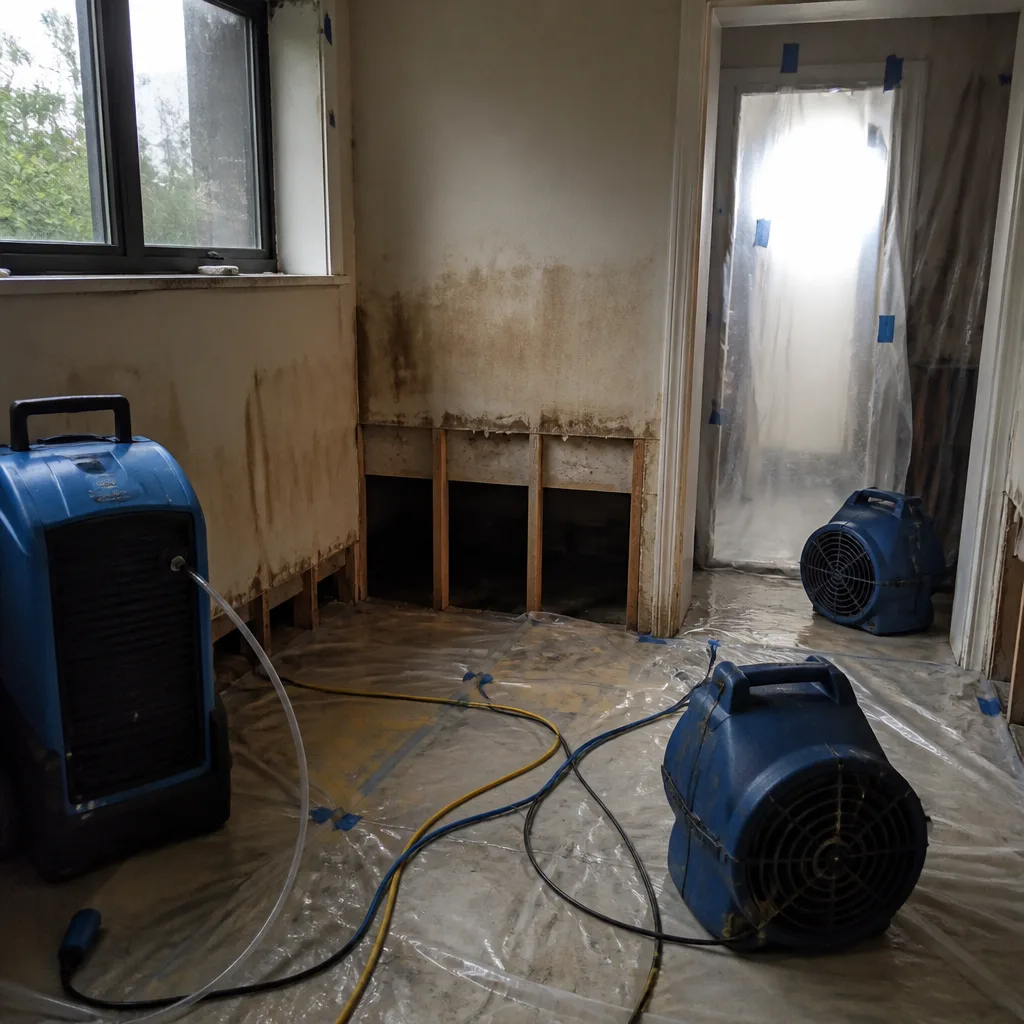 Before
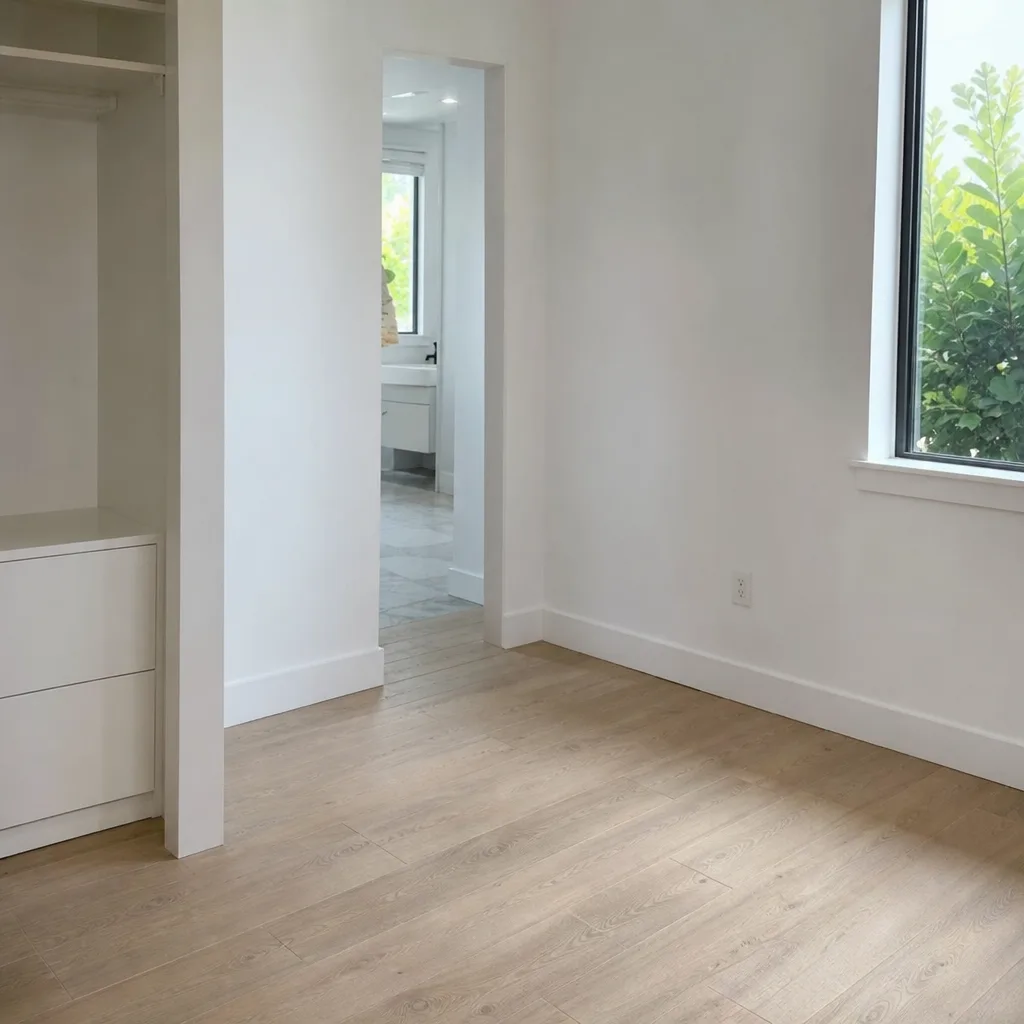 After
After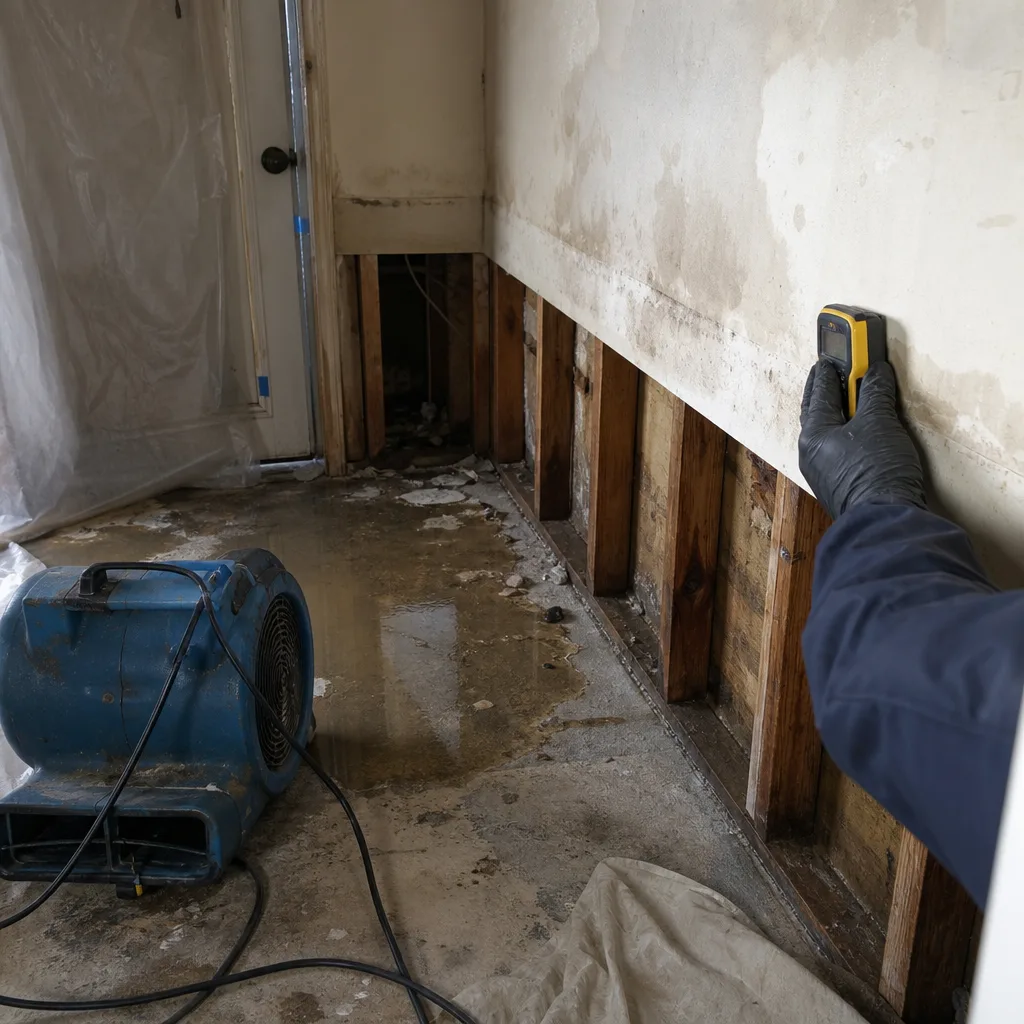 Before
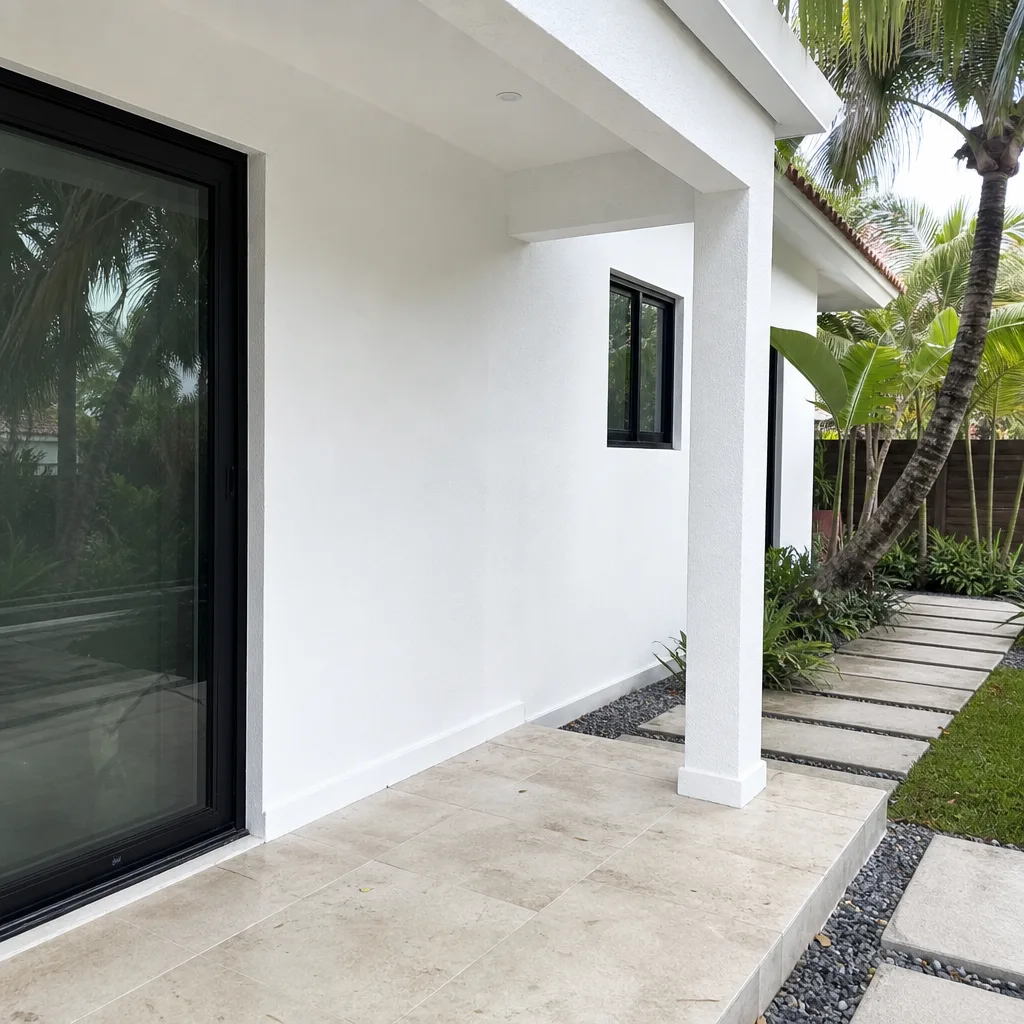 After
After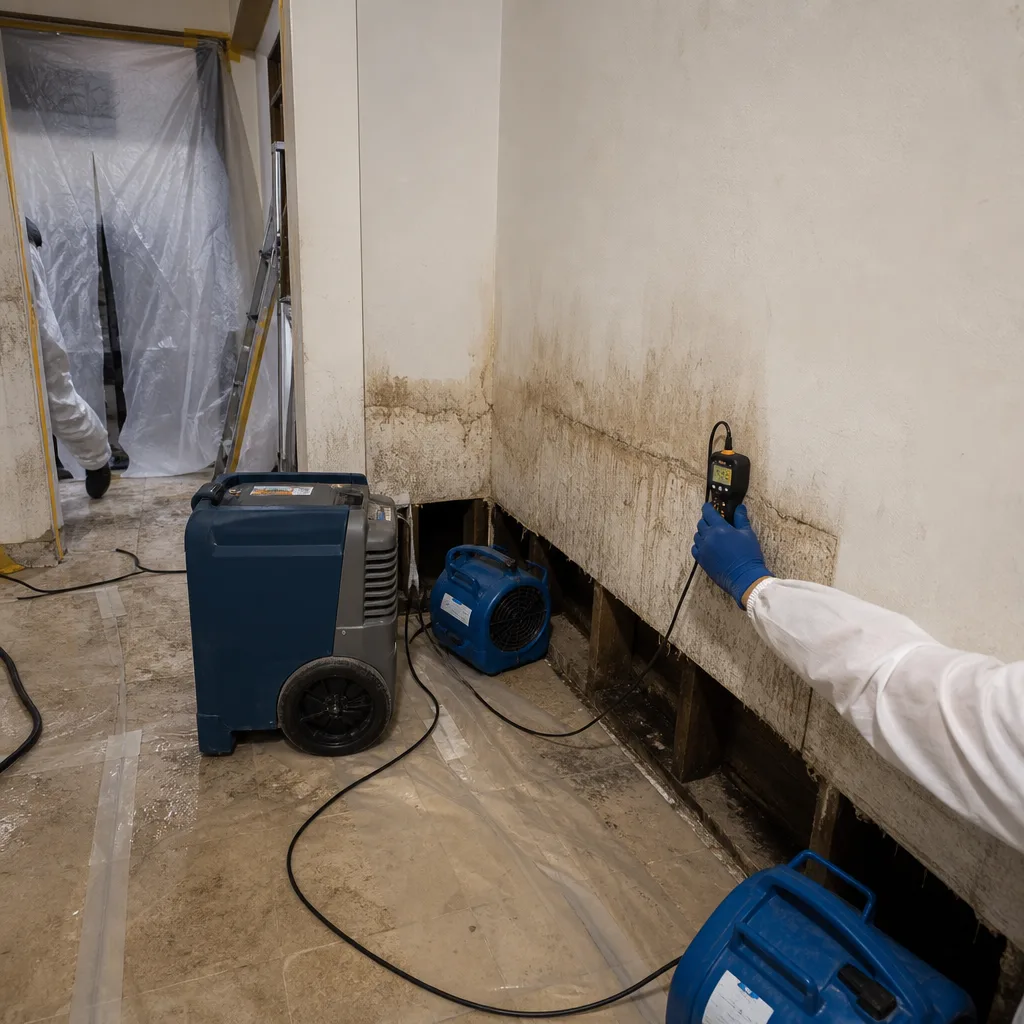 Before
 After
AfterFast, Reliable Water Damage Restoration Across Miami Gardens
Water damage restoration in Miami Gardens typically runs $2,800-$6,500 for a standard single-family extraction and drying job, with emergency response available 24 hours a day through our live dispatch line at (786) 384-5591. Our crews are dispatched from our Miami (South FL) office and serve Miami Gardens directly, carrying the trade-specific knowledge that Carol City-era construction demands.
We’re familiar with the flat-roof CBS homes along NW 183rd Street, the jalousie-window stock near Bunche Park, and the low-slope membranes that fail silently across the 1950s-1970s tracts. That local construction literacy matters because water moves differently through these walls than through post-Andrew housing in other parts of the county. When a tropical system rolls through, we’re already routing crews to Miami Gardens with the right equipment for top-down cavity saturation, not just surface drying.
Why DryMark Restoration Miami Beach Is Miami Gardens’s Preferred Water Damage Restoration Company
We’ve restored water-damaged homes in Miami Gardens since the company was founded, and our reputation here is built on documentation that holds up when adjusters review the file. Homeowners in the Carol City and Bunche Park areas specifically mention our drying logs and photo records in reviews, noting that the written scope they received before work started matched the final invoice line for line.
Response time to Miami Gardens averages under 90 minutes from dispatch confirmation during peak storm season, with live phone coverage 24 hours a day, 7 days a week - no voicemail trees, no next-business-day callbacks while water is still moving through your wall cavity. Our technicians are background-checked, uniformed, and licensed, with license numbers documented on every job file.
We know the local failure patterns: the flat modified-bitumen membranes that pool water until they find a seam, the original jalousie window heads that leak under wind-driven rain, the storm-drain backups along NW 27th Avenue during intense convective events. That knowledge changes what we test, where we place air movers, and how long we run dehumidification before signing off on dryness.
Our Water Damage Restoration Services in Miami Gardens
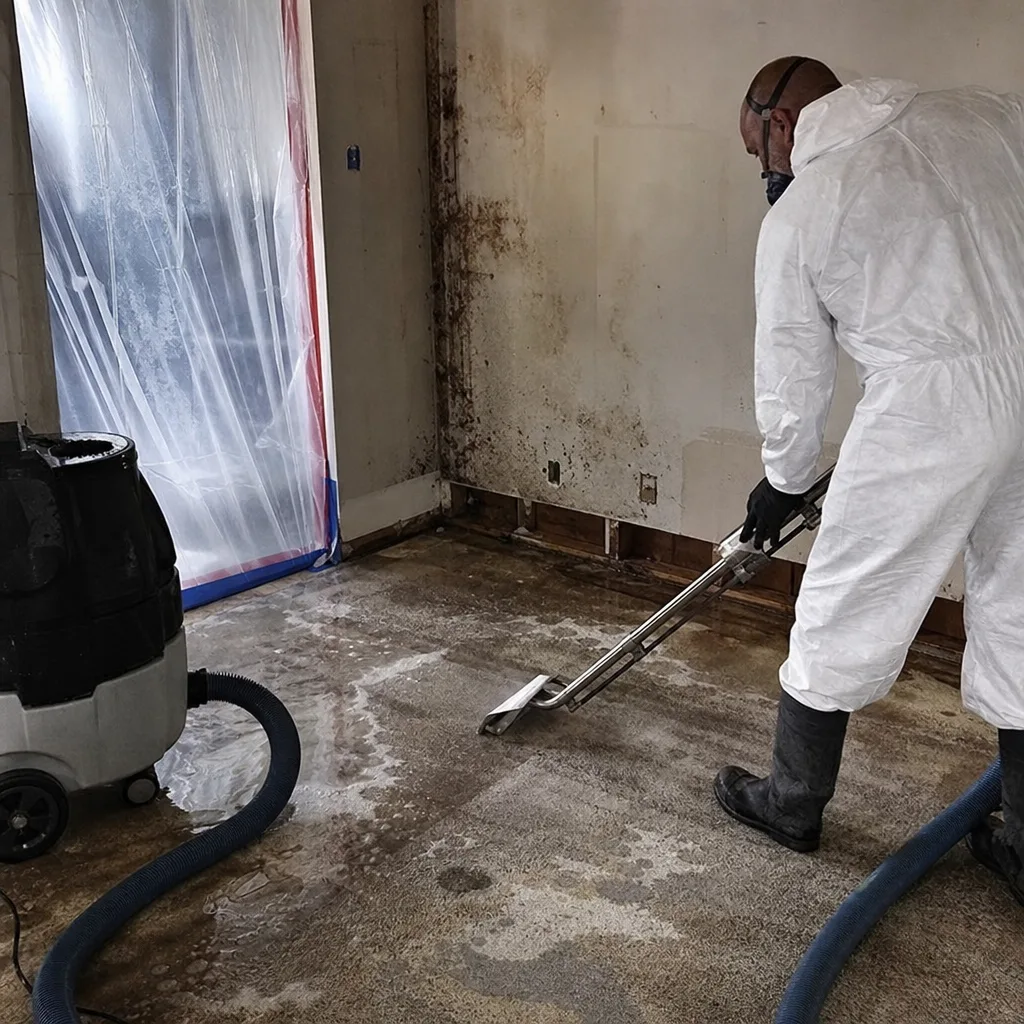
Emergency Water Extraction
When a storm hits Miami Gardens, water often enters through multiple pathways at once - a compromised flat-roof membrane plus failed jalousie window seals, or a backed-up storm drain sending sheet flooding through the ground level. Our emergency extraction teams arrive with truck-mounted and portable extraction units sized for the dense single-family stock in the Carol City tracts, where homes sit on slab with minimal grade and water can sheet across finished floors rapidly. We document standing water depth, affected square footage, and material classification by trade name in the initial photo record, then deliver a written price before any extraction begins - Haven Standard, Clause 1.
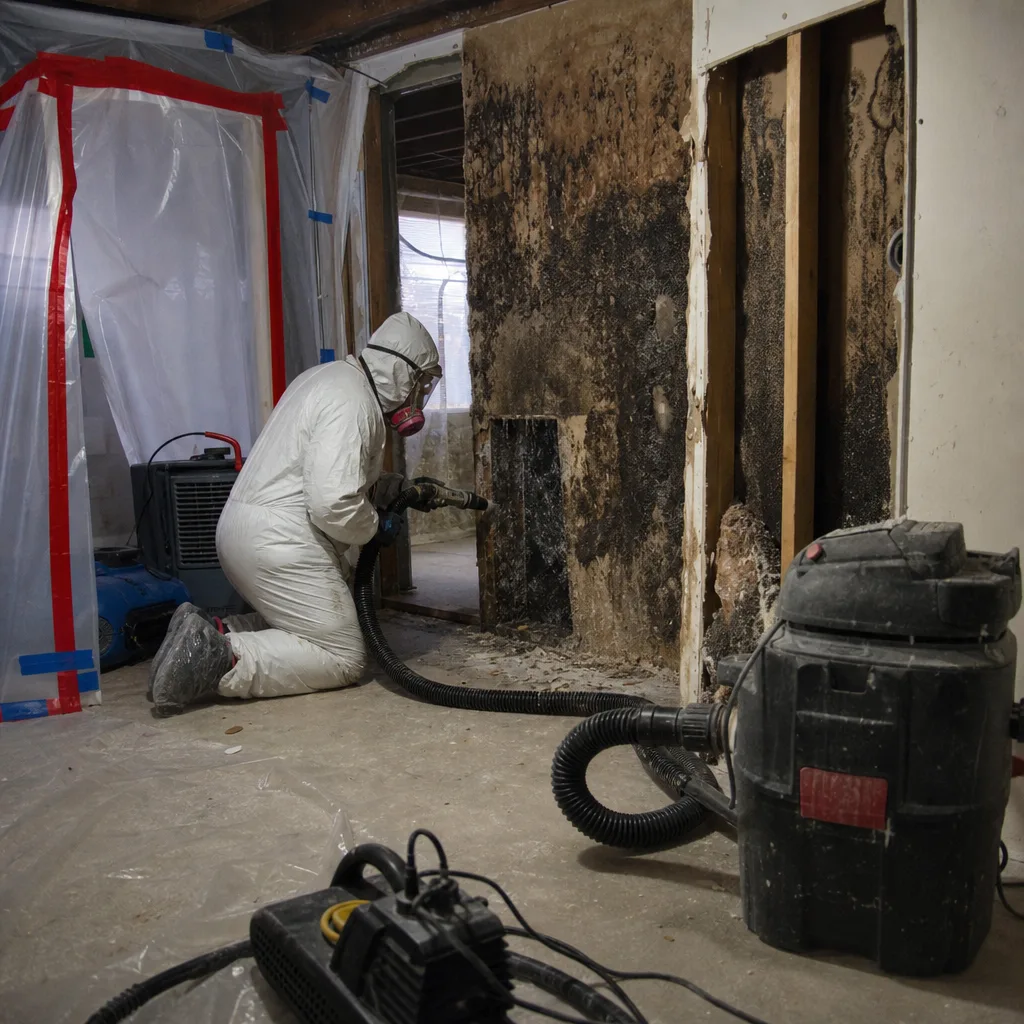
Structural Drying & Dehumidification
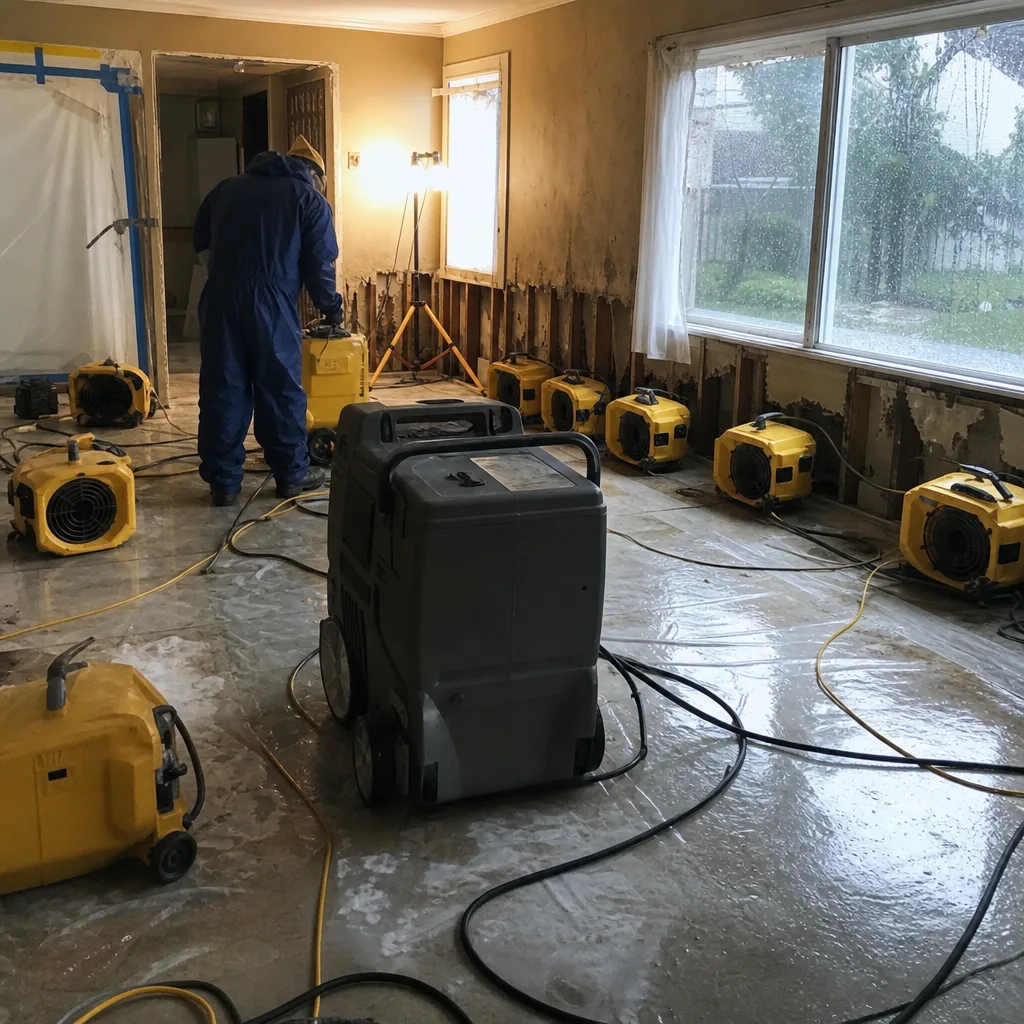
This is where Miami Gardens construction demands specialized expertise. The CBS wall cavities in Carol City-era homes are uninsulated and open from plate to plate, so water from a flat-roof seam can saturate the entire cavity before showing at the interior wall-ceiling joint. Our crews use thermal imaging and pin meters to map moisture migration behind the drywall, then deploy Dri-Eaz and Phoenix air movers with calculated airflow patterns to drive vapor pressure differential - the measurable force that moves moisture out of porous materials - while dehumidifiers maintain target specific humidity. Daily drying logs record moisture content readings at each test point, producing the psychrometric data that turns restoration invoices into payable insurance claims.
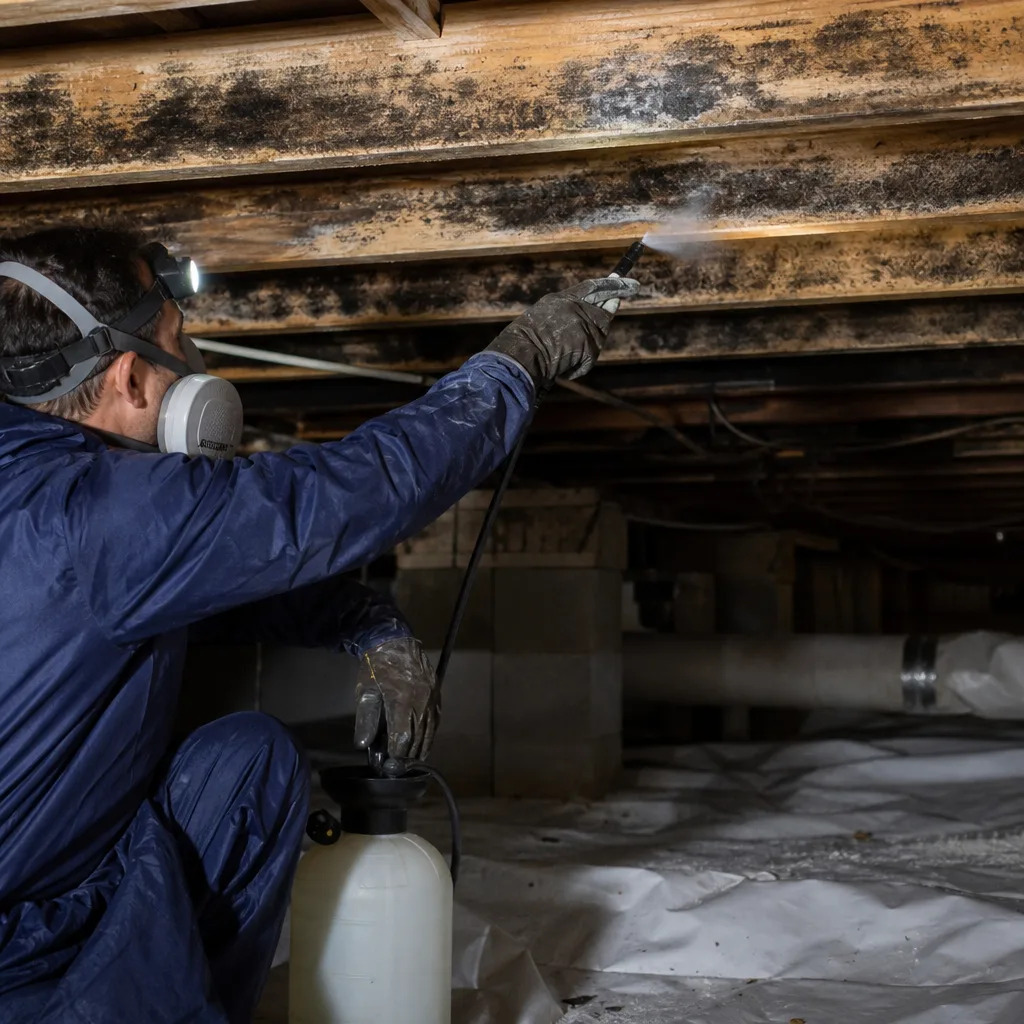
Flood Cleanup
Miami Gardens sits at low elevation on the flat limestone shelf of northern Miami-Dade County, and the area’s storm-drain system can stress under the 6-10 inch convective rain events common June through October. When sheet flooding enters a home near Bunche Park or along major corridors like NW 27th Avenue, the water carries Category 2 or 3 classification from the start, requiring full PPE, antimicrobial application, and often material removal rather than drying. We photograph flood lines on every wall, test salinity and contamination levels, and build a written scope that distinguishes salvageable from non-salvageable before demolition begins.
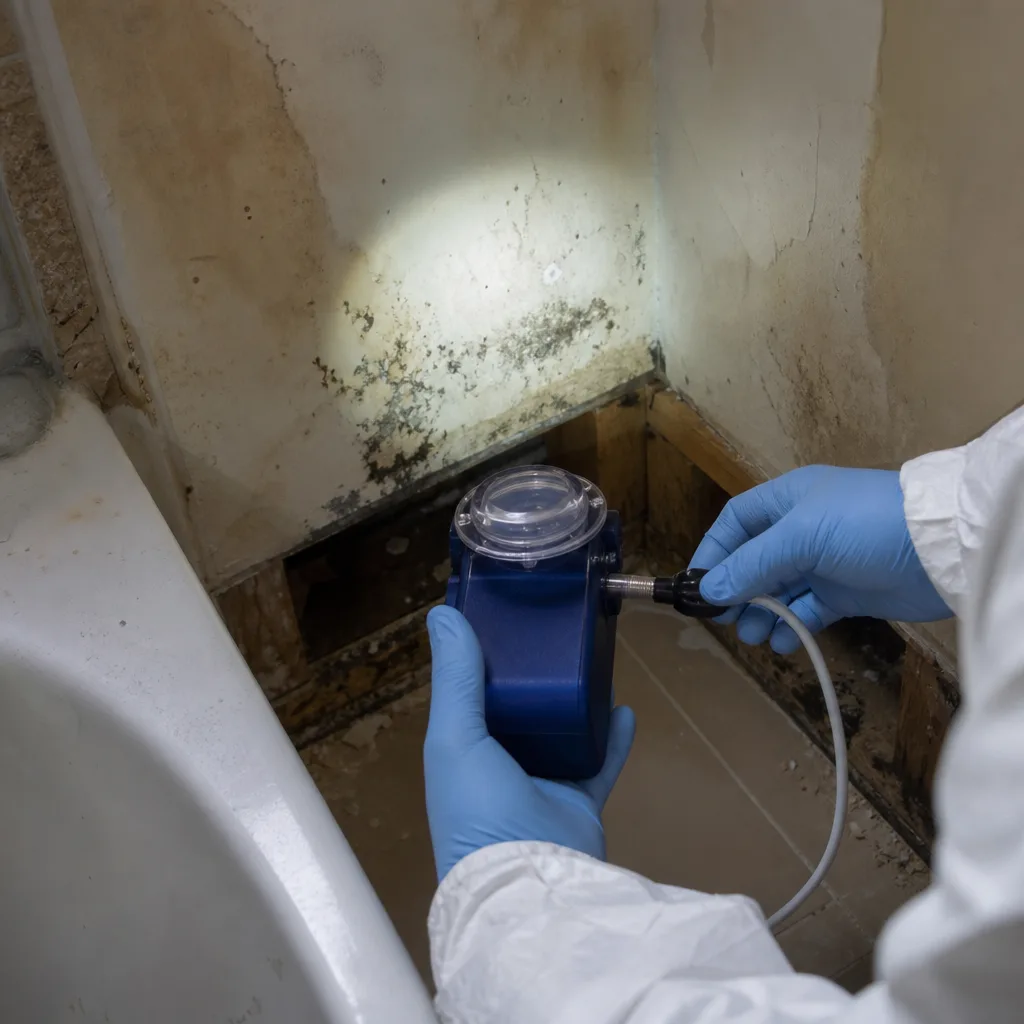
Burst Pipe Restoration
Older plumbing penetrations in Miami Gardens’s 1950s-1970s stock are a common failure point, particularly where galvanized supply lines or original cast-iron drains have corroded. A burst pipe in a Carol City-era slab home sends water across the concrete with nowhere to go but outward, and the original construction’s minimal vapor barrier means moisture can wick into flooring substrates fast. We locate the breach, document the water migration pattern with moisture mapping, extract standing water, and set targeted drying for the affected assembly - always with a written price before work starts and a photo record on every visit.
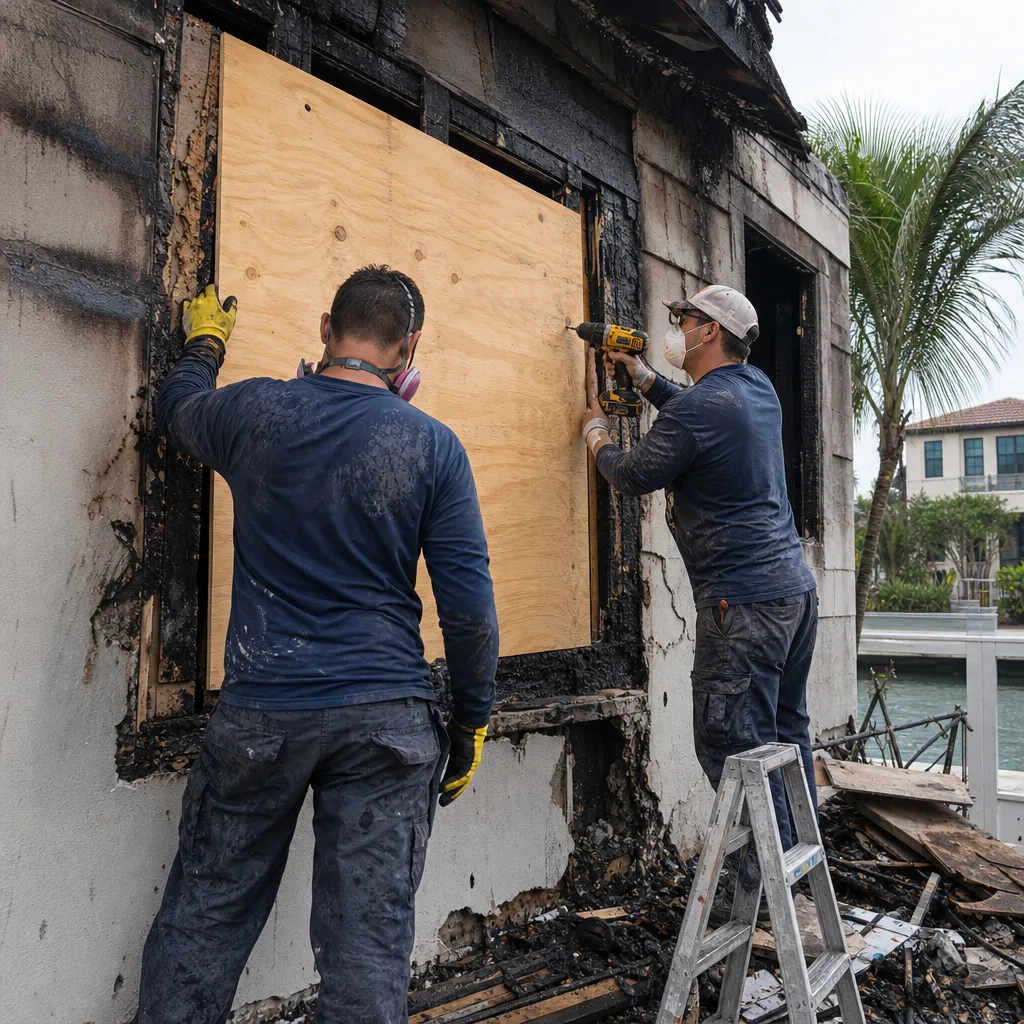
Ceiling & Roof Leak Water Damage
The flat or very low-slope roofs on Miami Gardens homes create a distinctive “slow bathtub” failure mode. Water pools on the aged modified-bitumen or gravel-cap membrane, finds a seam or penetration, and silently saturates the concrete block wall cavity from the top down. Homeowners often don’t notice until weeks after a storm, when the drywall finally sags or black mold appears along the wall-ceiling joint. Our ceiling and roof leak protocol includes thermal scanning of the full cavity, not just the visible stain area, because crews that only dry the ceiling drywall miss the water already tracking down the CBS wall and call the job dry too early.
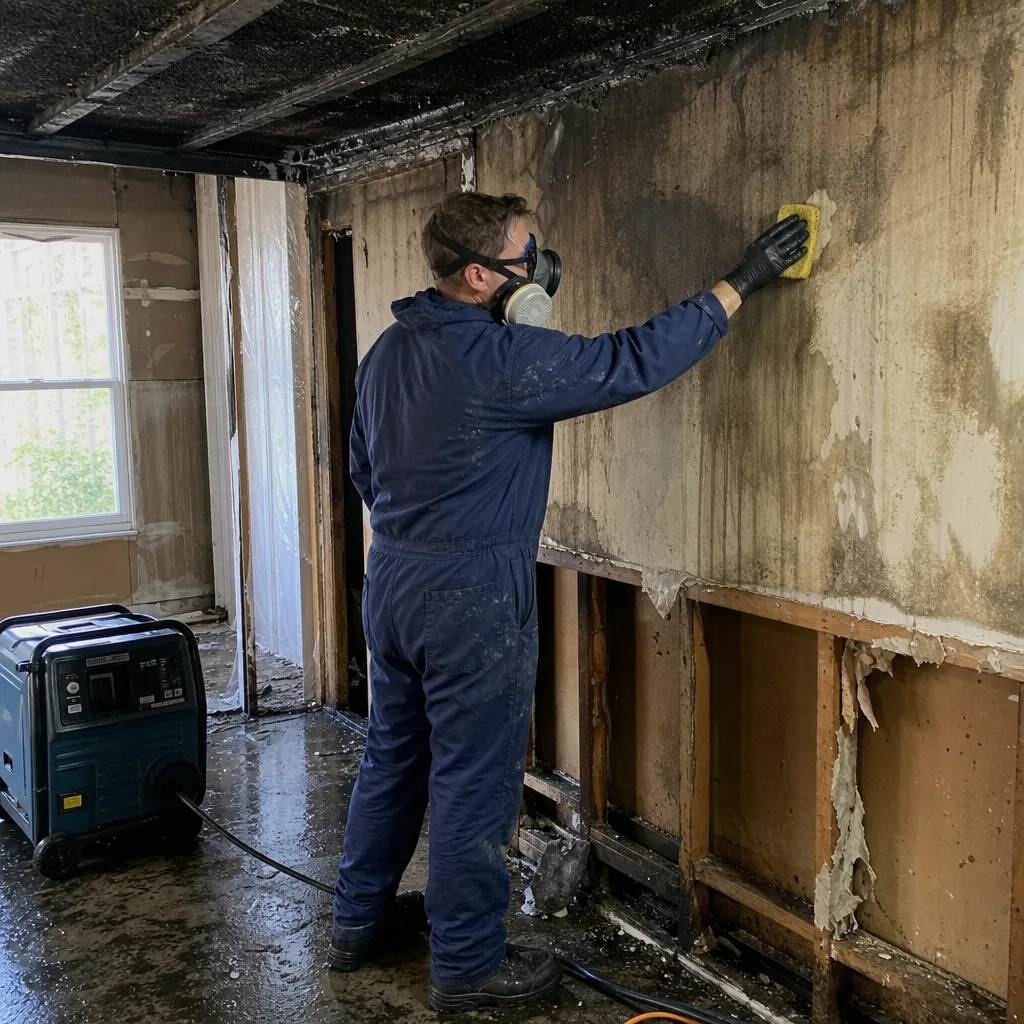
What happens when you call
- 1
A real person answersNo phone trees - you reach a local pro.
- 2
You get an upfront price rangeHonest numbers before anyone is dispatched.
- 3
A background-checked tech heads outLicensed & insured, dispatched right away.
- 4
You approve before work beginsNothing starts until you say go.
BeforeAfterTrusted Brands We Service in Miami Gardens
Our drying and dehumidification equipment comes from Dri-Eaz, Phoenix, and XPOWER - brands that produce the airflow volume and moisture removal capacity needed for Miami Gardens’s humid climate and dense construction. We stock B-Air and Injectidry components locally for rapid deployment, which matters when mold can begin colonizing wet drywall within 24-48 hours in year-round ambient humidity above 70% RH. Every piece of equipment is documented to IICRC, RIA, and IFA standards, and the serial numbers go into your job file alongside the daily drying logs.
Common Water Damage Restoration Problems We See in Miami Gardens Homes
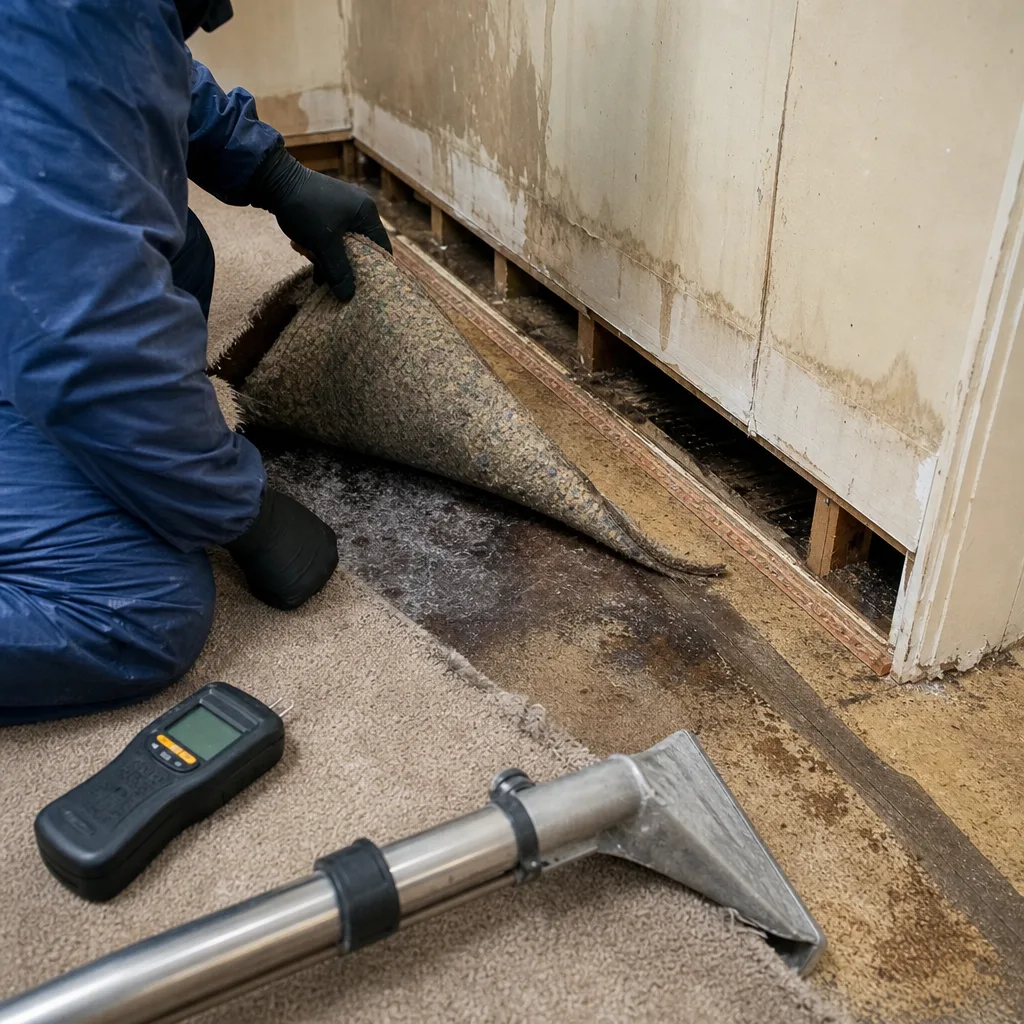
- Flat-roof “slow bathtub” leaks. The aged membranes on Carol City-era homes pool water until they find a seam, then saturate the CBS wall cavity from the top down. Homeowners discover the damage weeks later when mold appears at the wall-ceiling joint, by which time Category 1 water may have crossed to Category 2.
- Wind-driven rain through original jalousie windows. The single-pane awning and jalousie windows common in 1960s Miami Gardens tracts leak at the head and jamb under tropical storm conditions, creating an active water source that feeds the same wall cavity as a roof leak. A restoration scope that treats only the roof leaves this pathway open.
- Storm-drain sheet flooding. Miami Gardens’s low elevation and stressed drainage infrastructure mean intense rain events can back up into homes, particularly in the flatter sections near Bunche Park. This water arrives as Category 2 or 3, requiring antimicrobial treatment and often full material removal.
- Delayed discovery compressing the remediation window. Because water can hide in uninsulated CBS cavities for weeks, homeowners often call after mold is already visible. At that point, drying alone is insufficient; the scope must include controlled demolition, HEPA containment, and full reconstruction planning.
Pricing for Water Damage Restoration in Miami Gardens, FL
Water damage restoration in Miami Gardens follows these typical ranges based on job classification and square footage:
- Emergency water extraction (standard single-family): $1,200-$2,400
- Structural drying and dehumidification (3-5 day protocol): $1,600-$3,800
- Flat-roof leak with cavity saturation and mold remediation: $4,500-$8,200
- Flood cleanup with Category 2/3 contamination: $3,200-$7,500
- Ceiling and wall reconstruction after controlled demolition: $2,800-$6,000
These ranges reflect Miami Gardens’s specific housing stock - the dense CBS construction, minimal attic buffer, and common need for cavity-access drying that adds labor hours compared to post-1992 frame construction. Every job is quoted in writing before work begins, with no scope-creep additions once the crew is inside - Haven Standard, Clause 1. We also offer a Free Second Opinion on any competitor’s written estimate. Call (786) 384-5591 for an exact quote; estimates are free.
We Also Serve Cities Near Miami Gardens
Our crews respond throughout northern Miami-Dade and southern Broward, including Water Damage Restoration in Miami Gardens and neighboring Hialeah, North Miami Beach, Pembroke Pines, and Hollywood. Dispatch and scheduling are coordinated from our Miami (South FL) office, with local routing optimized for traffic patterns along I-95, the Palmetto Expressway, and surface corridors like NW 27th Avenue.
Serving Miami Gardens, FL - Our Local Coverage Area
We’re based in the Miami Gardens area and know this community well. Use the map below to see our service coverage - if you’re nearby, we can almost certainly help.
FAQs - Water Damage Restoration in Miami Gardens
Water entered through a seam or penetration in your aged flat-roof membrane, then tracked down the uninsulated CBS wall cavity behind the drywall. Because the cavity has no insulation to show staining early, the moisture traveled the full height of the wall before reaching the interior wall-ceiling joint where you finally noticed it. A homeowner near NW 183rd Street and 27th Avenue in the Carol City tract called us after a July storm for exactly this pattern; we found the aged flat membrane had failed at a vent penetration, water had tracked down the CBS wall cavity behind the drywall, and the original jalousie window head was leaking under wind-driven rain. We ran moisture mapping with thermal and pin meters, set up containment, extracted standing water, and used Dri-Eaz and Phoenix air movers plus dehumidification for the structural drying; the drying logs documented the interior wall cavity returning to pre-loss condition after the roof and window repairs. Call (786) 384-5591 if you’re seeing delayed stains - we’ll map the full cavity, not just the visible damage.
In Miami Gardens’s climate, with year-round ambient humidity consistently above 70% RH, mold can begin colonizing wet drywall and wood framing within 24-48 hours of a weather event. That compresses your response window significantly compared to drier climates. We recommend emergency extraction and initial dehumidification within 12 hours of discovery, with full moisture mapping to identify hidden cavity saturation. Call (786) 384-5591 for immediate dispatch; our live answer team routes crews directly with no voicemail delay.
Yes. Original jalousie and awning windows let wind-driven rain in at the head and jamb, creating an active Category 2 water source that feeds the same wall cavity as a roof leak. A restoration scope that treats only the roof leak leaves this pathway open, so drying equipment runs indefinitely against an active water source. Our protocol includes window testing and temporary sealing during the drying phase, with documentation of the leak pathway in your photo record and written scope. Call (786) 384-5591 and we’ll assess both roof and window contributions before quoting.
It depends on how long the water sat and what it contacted. Clean rainwater entering through a roof seam starts as Category 1, but in Miami Gardens’s humid climate, water sitting in an uninsulated CBS wall cavity for more than 24-48 hours can cross to Category 2 as microbial growth begins, or Category 3 if it picks up contaminants from the wall interior. The “slow bathtub” flat-roof leak is particularly prone to this progression because homeowners often don’t discover it for weeks. We test water classification at multiple points in the cavity, not just at the visible stain, and adjust the scope accordingly. Call (786) 384-5591 for testing and a written scope based on actual classification.
A proper scope for Carol City-era CBS construction includes: moisture mapping of the full wall cavity with thermal and pin meters, not just visible surfaces; calculated airflow patterns using Dri-Eaz and Phoenix equipment to drive vapor pressure differential through dense concrete block; daily drying logs with specific humidity and moisture content readings at each test point; photo documentation on every visit as a standard deliverable; and a written price before work begins with no additions once the crew is inside - Haven Standard, Clause 1. If the water has crossed to Category 2 or 3, the scope also includes antimicrobial application, controlled demolition of non-salvageable materials, and reconstruction planning. Call (786) 384-5591 for a detailed written scope on your specific loss.
Written by Alicia Brennan, Owner at Back to Dry Restoration, serving Miami Gardens since 2011.