
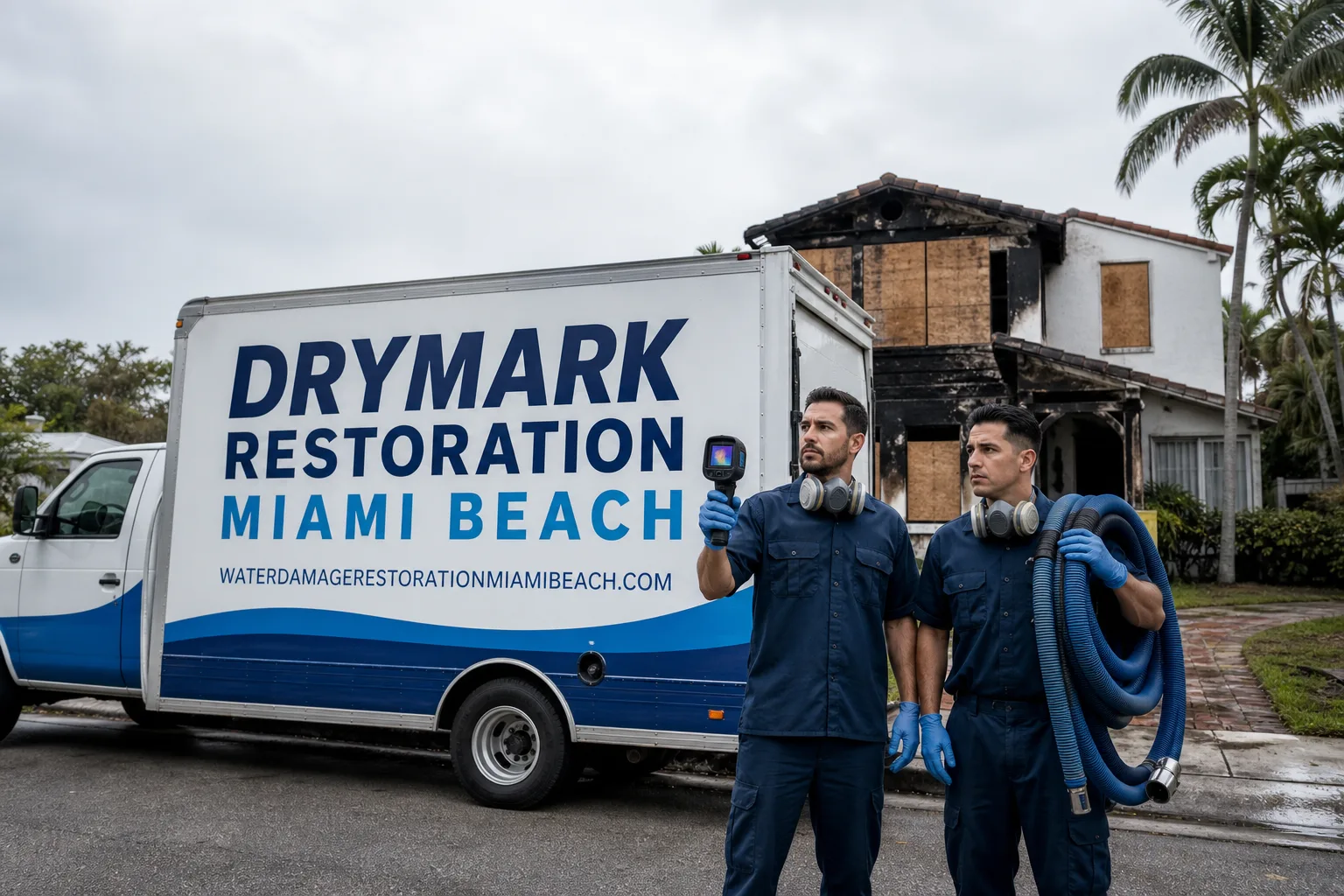
Free visual inspection and a written scope of work before any mitigation begins - photos, moisture readings, and drying logs go in your claim file
The scope we write is the scope we bill. Anything new gets shown to you, in writing, before we touch it.
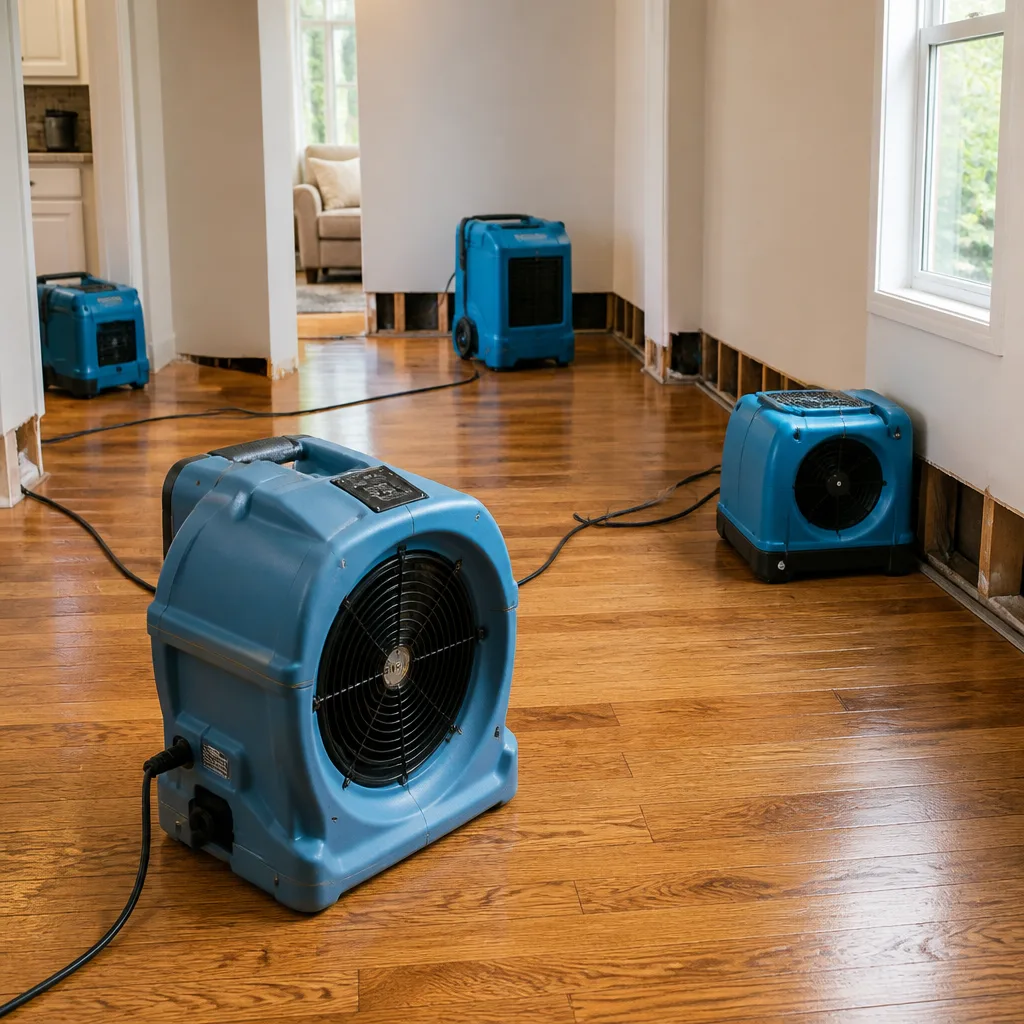
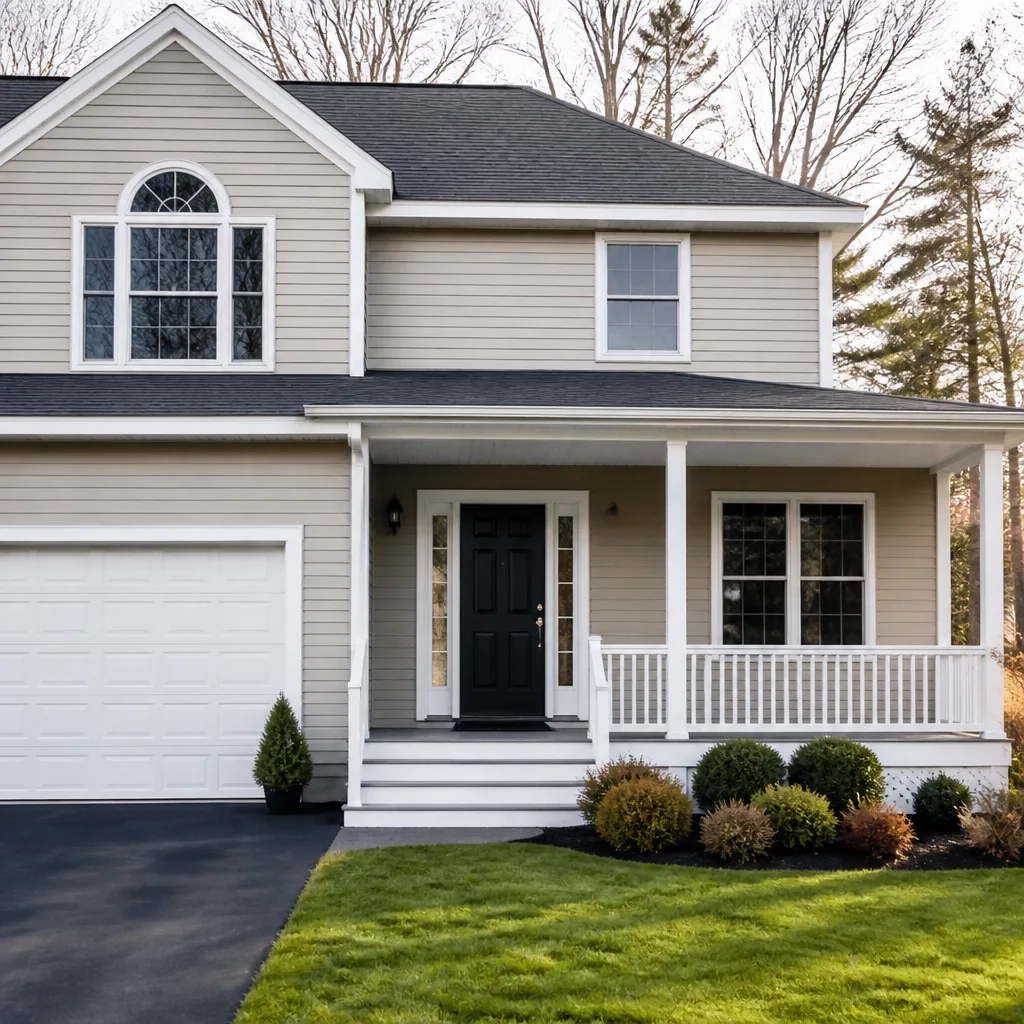
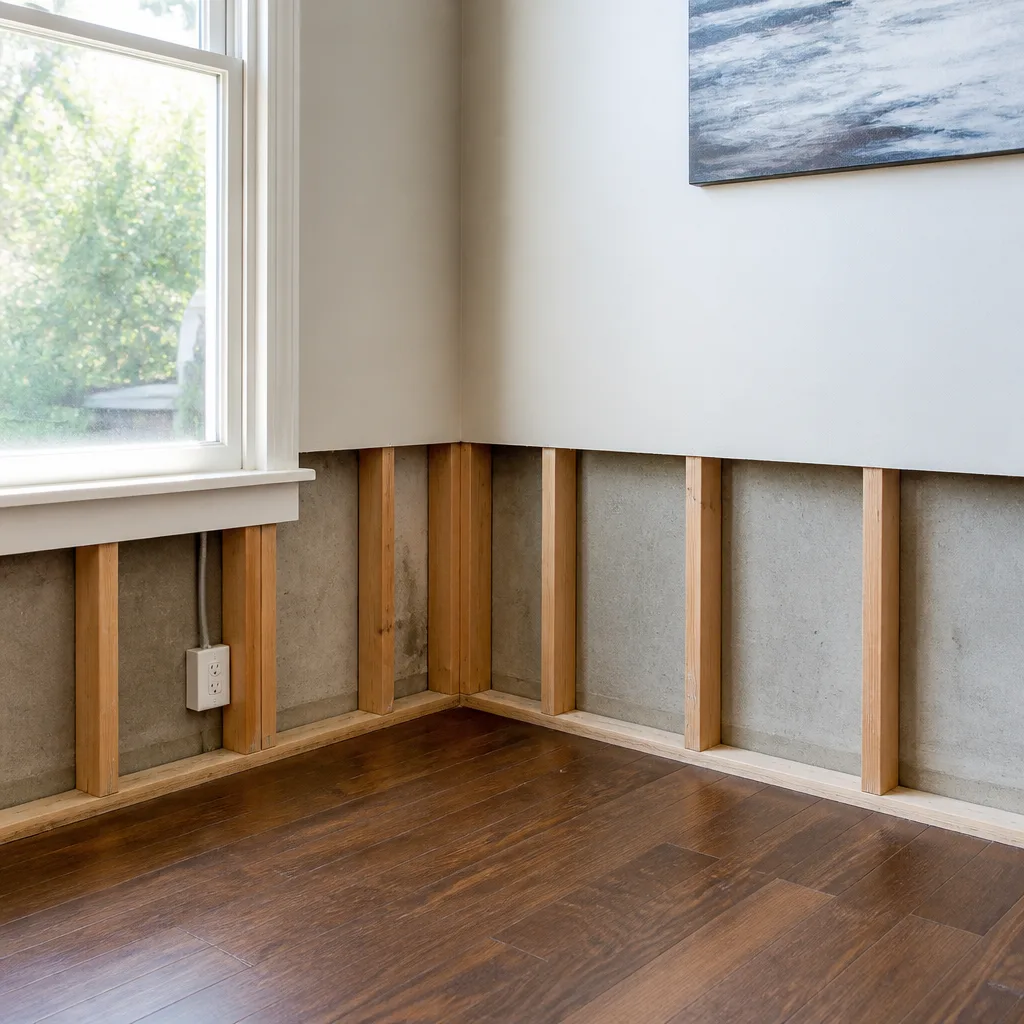
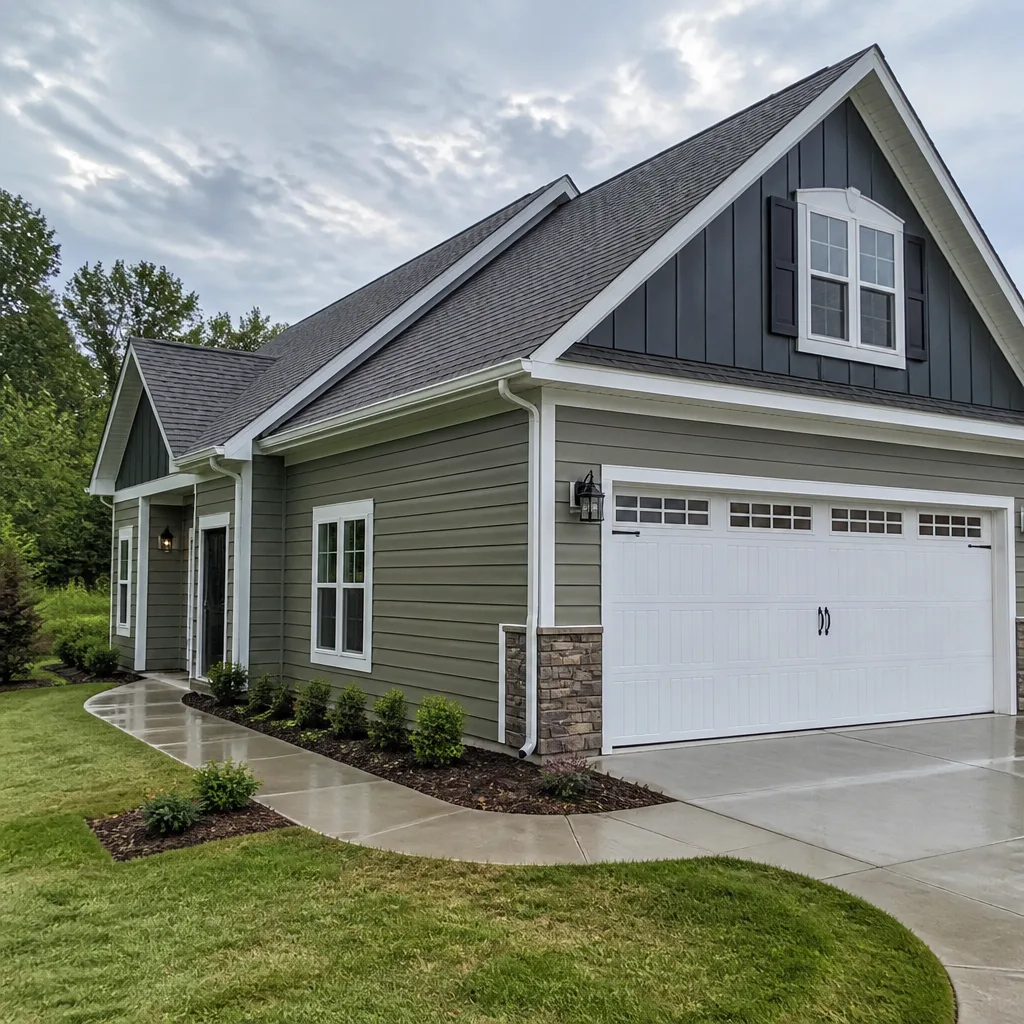
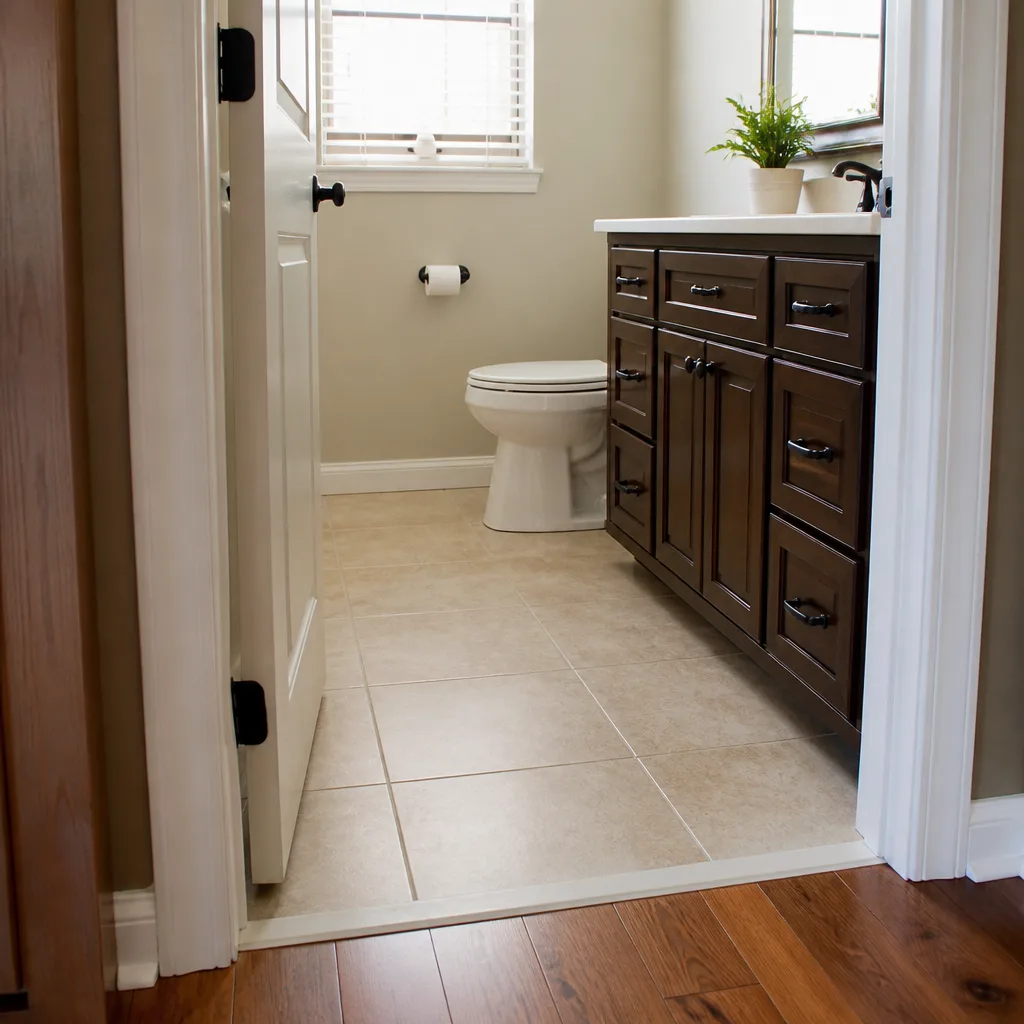
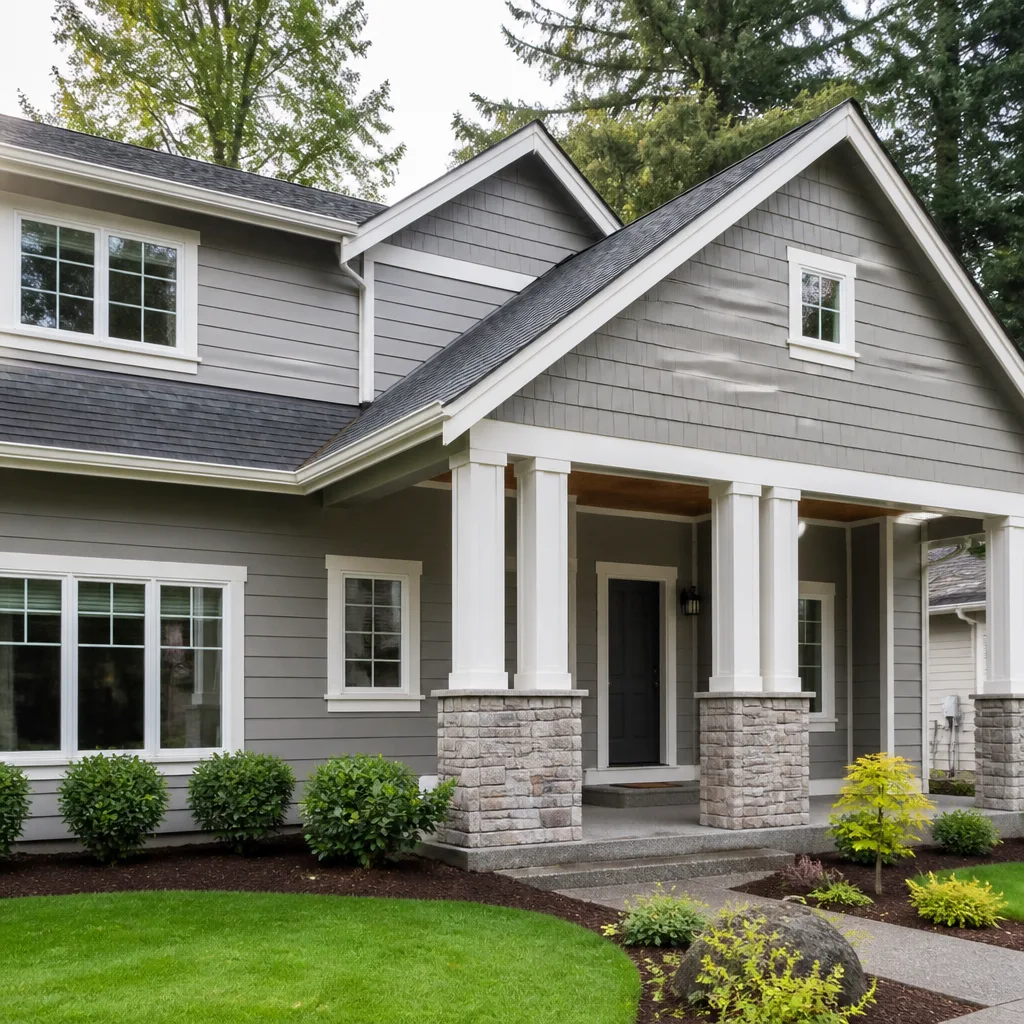
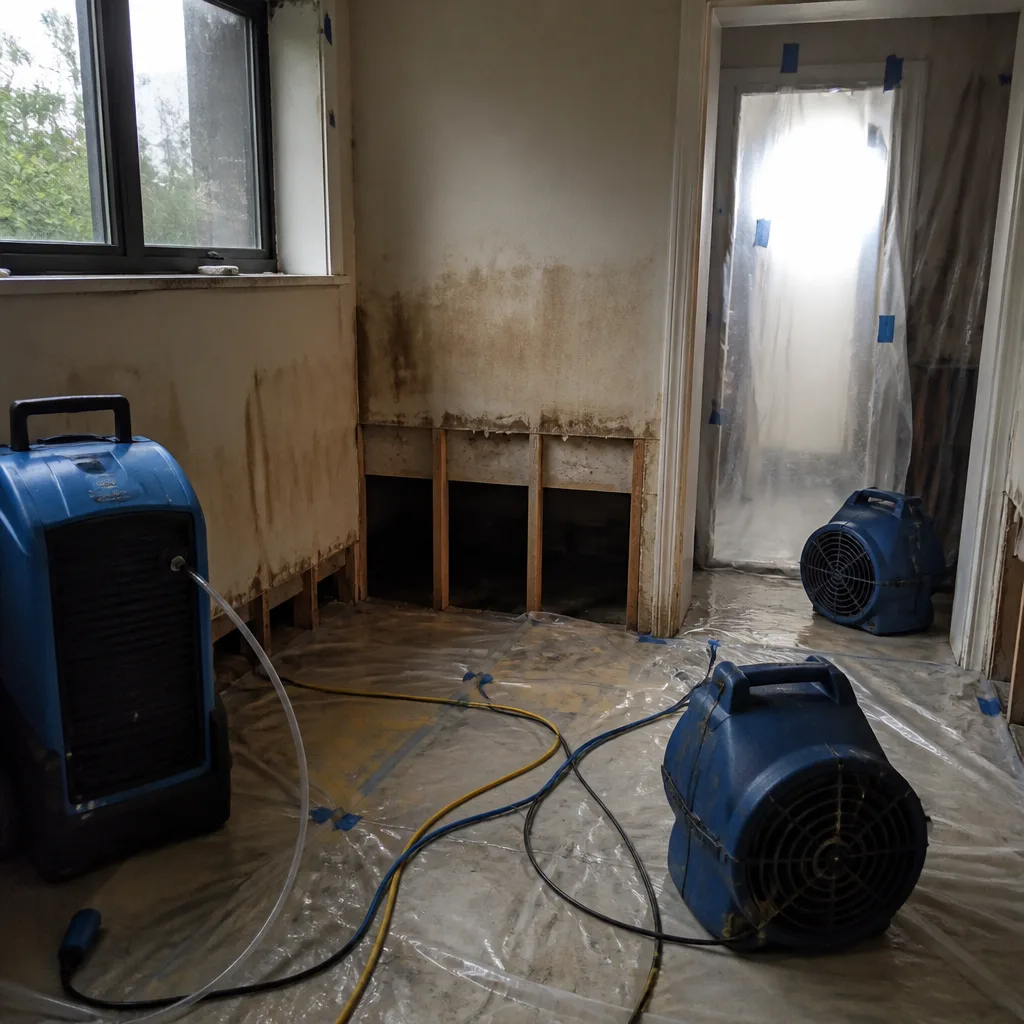 Before
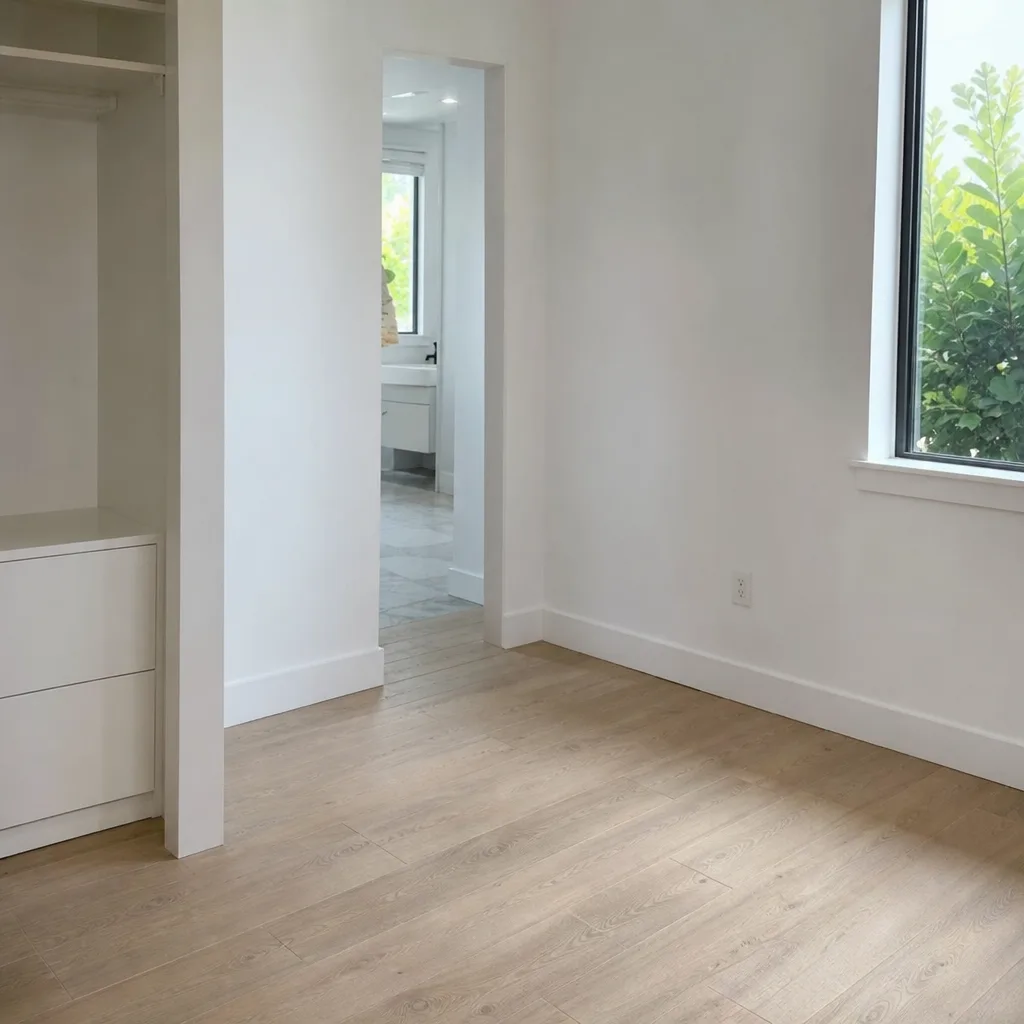 After
After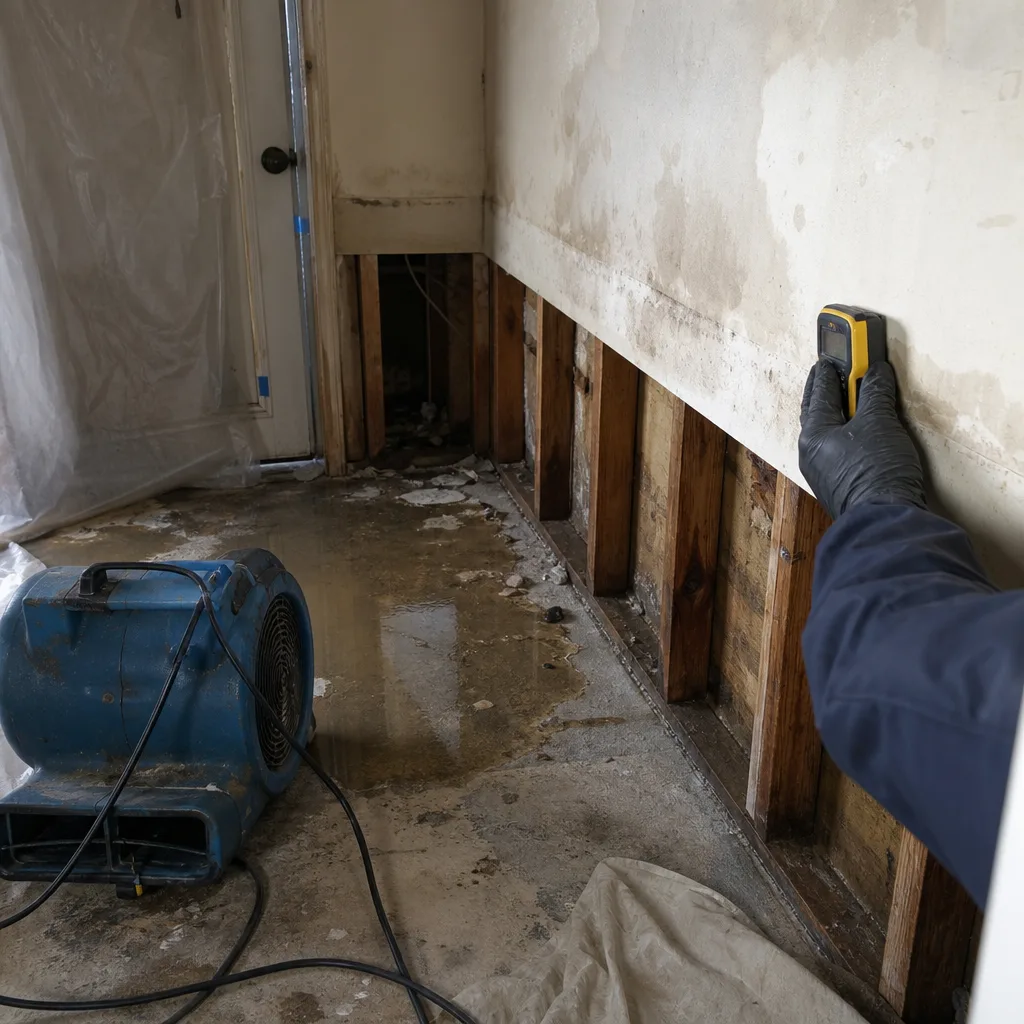 Before
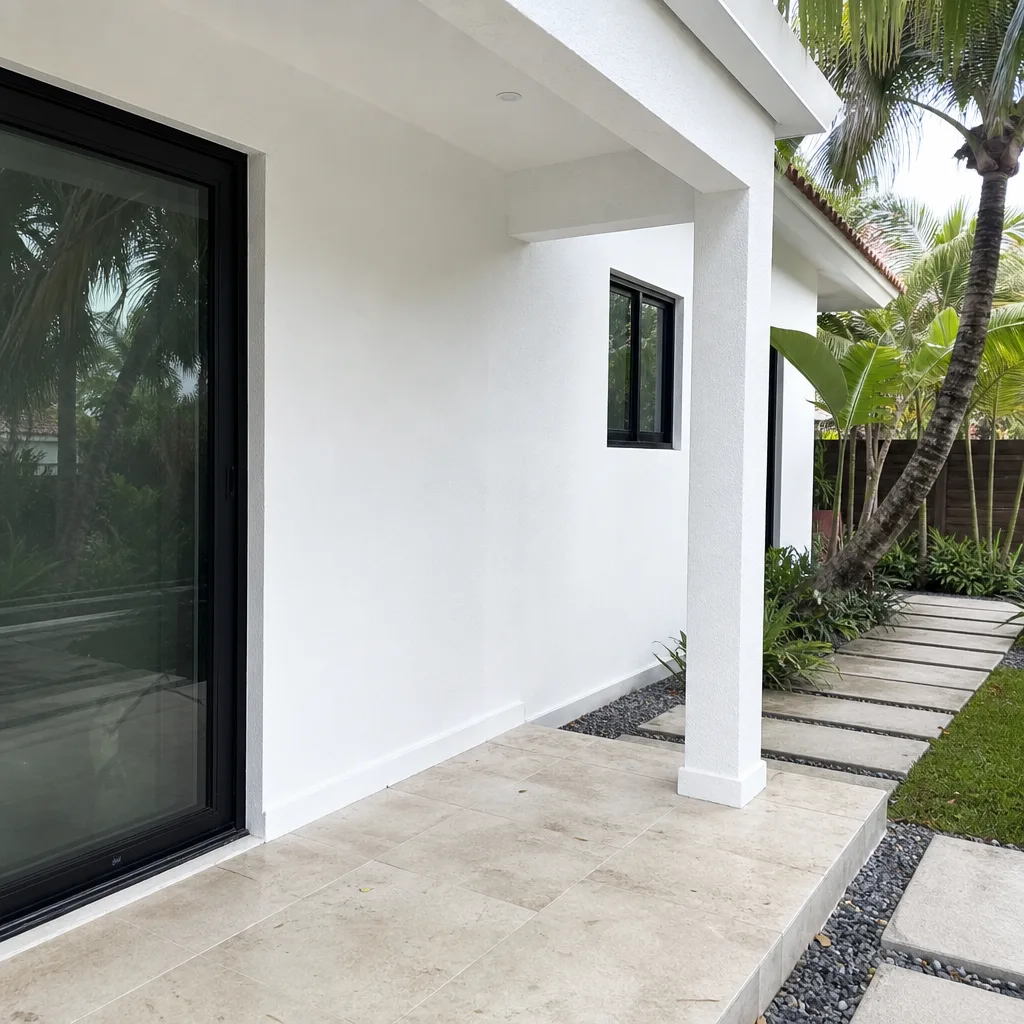 After
After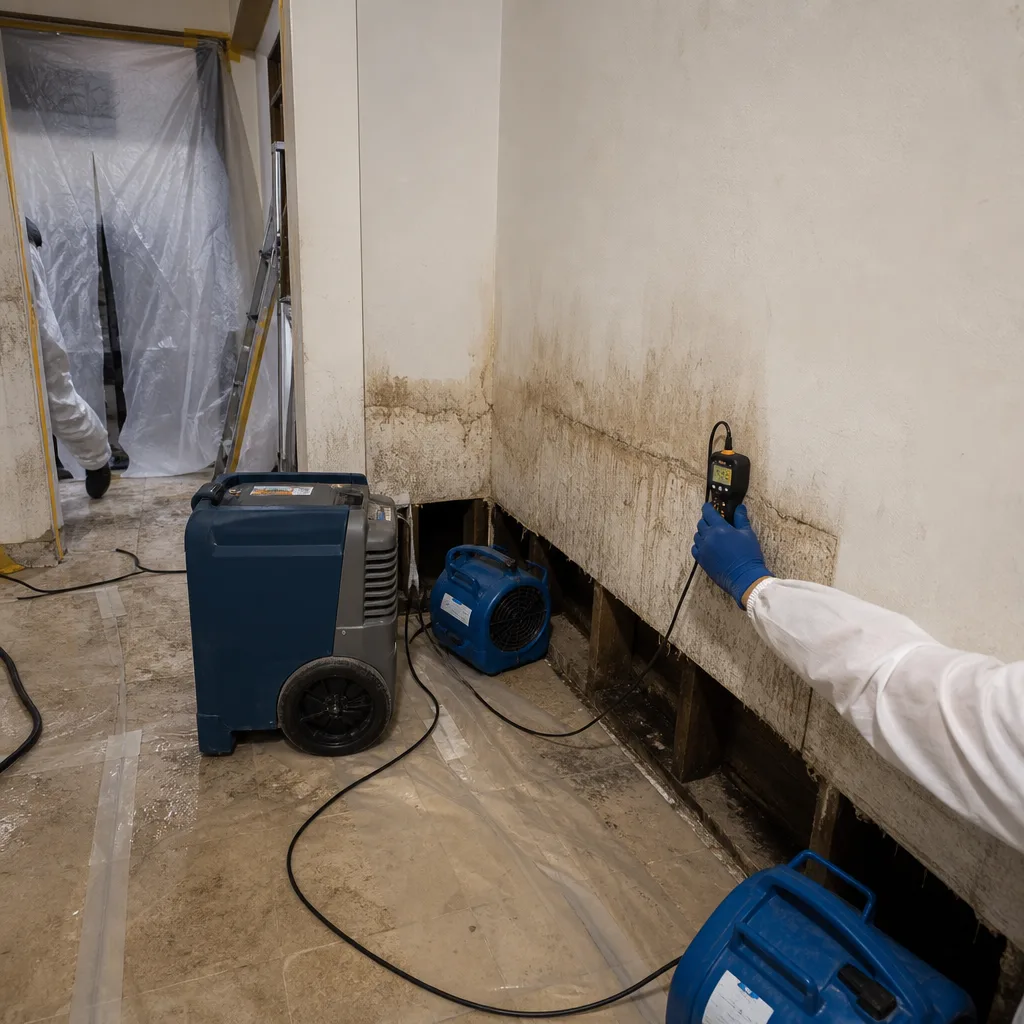 Before
 After
AfterFast, Reliable Water Damage Restoration Across Opa-locka
Water damage restoration in Opa-locka typically runs $2,800-$7,500 for a standard residential mitigation, with emergency extraction starting at $1,200 and structural drying adding $1,600-$4,200 depending on affected square footage and material class. Our crews are dispatched from our South Florida office and can be on-site anywhere in Opa-locka within 45-60 minutes on emergency calls. Call (786) 384-5591 - a live person answers 24 hours a day, 7 days a week, and we’ll have a written price in your hands before any equipment starts running.
We’ve restored water-damaged homes across Opa-locka’s low-lying grid since 2011, from the older CBS blocks near Ali Baba Avenue to the rental corridors along Sharar Avenue. The city’s chronically under-resourced stormwater infrastructure and 1940s-1970s housing stock create a specific damage profile we’ve documented on thousands of jobs: standing water that persists 24-48 hours after routine summer storms, jalousie window frames that have trapped slow leaks for years, and wall cavities wet to 40%+ moisture content that present as “simple” single-event losses. Our Water Damage Restoration team maps every wall, documents every reading, and delivers a written scope before the first dehumidifier powers on.
Why Back to Dry Restoration Is Opa-locka’s Preferred Water Damage Restoration Company
Back to Dry Restoration is independently owned and operated under The Haven Standard, led by Alicia Brennan, a former claims adjuster who built the company around the documentation gap that costs homeowners their insurance settlements. In Opa-locka specifically, that gap is lethal: residents here face one of the lowest median household incomes in Miami-Dade County, which drives delayed or partial self-remediation that compounds across storm seasons. When we open a wall on a “new” flood call, we routinely find hidden mold colonies from prior unmitigated events - evidence that sloppy or absent documentation from earlier work has turned a Category 1 into a Category 3 demolition.
We’ve restored 12,000+ homes since 2011, every one with a written price before work started and a photo record when the crew left. Our Opa-locka customers receive the same deliverable: a documented photo record on every visit, daily drying logs with psychrometric data (temperature, relative humidity, and vapor pressure differential - the measurable force that actually moves moisture out of materials), and a 365-Day Done Right Promise backed by The Haven Standard. Free Second Opinion on any competitor’s written estimate - bring us their scope and we’ll review it at no charge.
Our response time to Opa-locka is 45-60 minutes on emergency calls. We know the local grid: which blocks flood first when the drainage canals back up, where the 1950s CBS with original flat roofs cluster, and why a moisture map on these homes is non-negotiable. Background-checked, uniformed technicians arrive with license numbers visible and equipment from Dri-Eaz, Phoenix, and Injectidry already staged.
Our Water Damage Restoration Services in Opa-locka
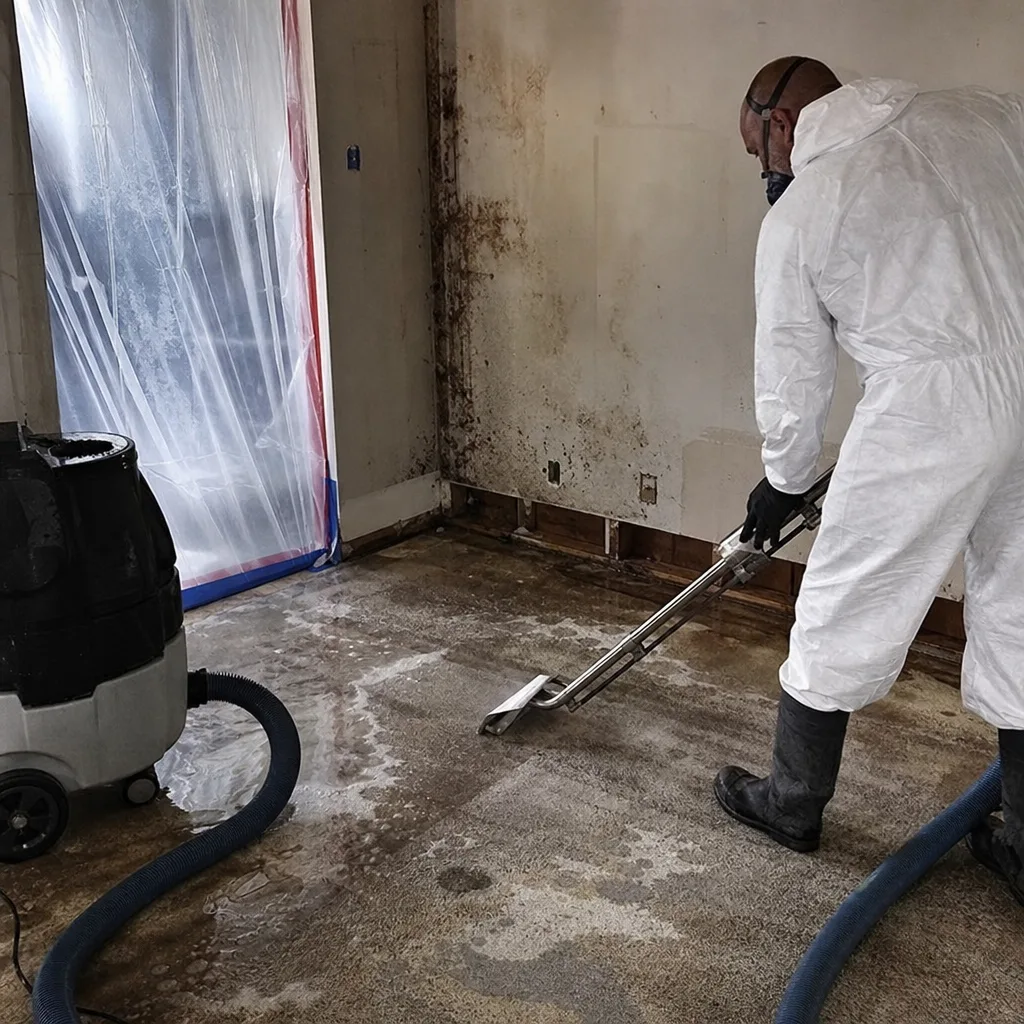
Emergency Water Extraction
Opa-locka’s flat terrain and aging catch basins mean standing water can persist inside structures for 24-48 hours even after a routine summer convective storm - no named hurricane required. Our emergency extraction crews deploy truck-mounted systems and portable submersible pumps to remove water fast, but speed without documentation is worthless. We photograph standing water levels before touching a drop, classify the water category (Category 1 clean, Category 2 gray, Category 3 black), and deliver a written extraction scope before work begins. Haven Standard, Clause 1: written price before work starts, every time, with no exceptions.
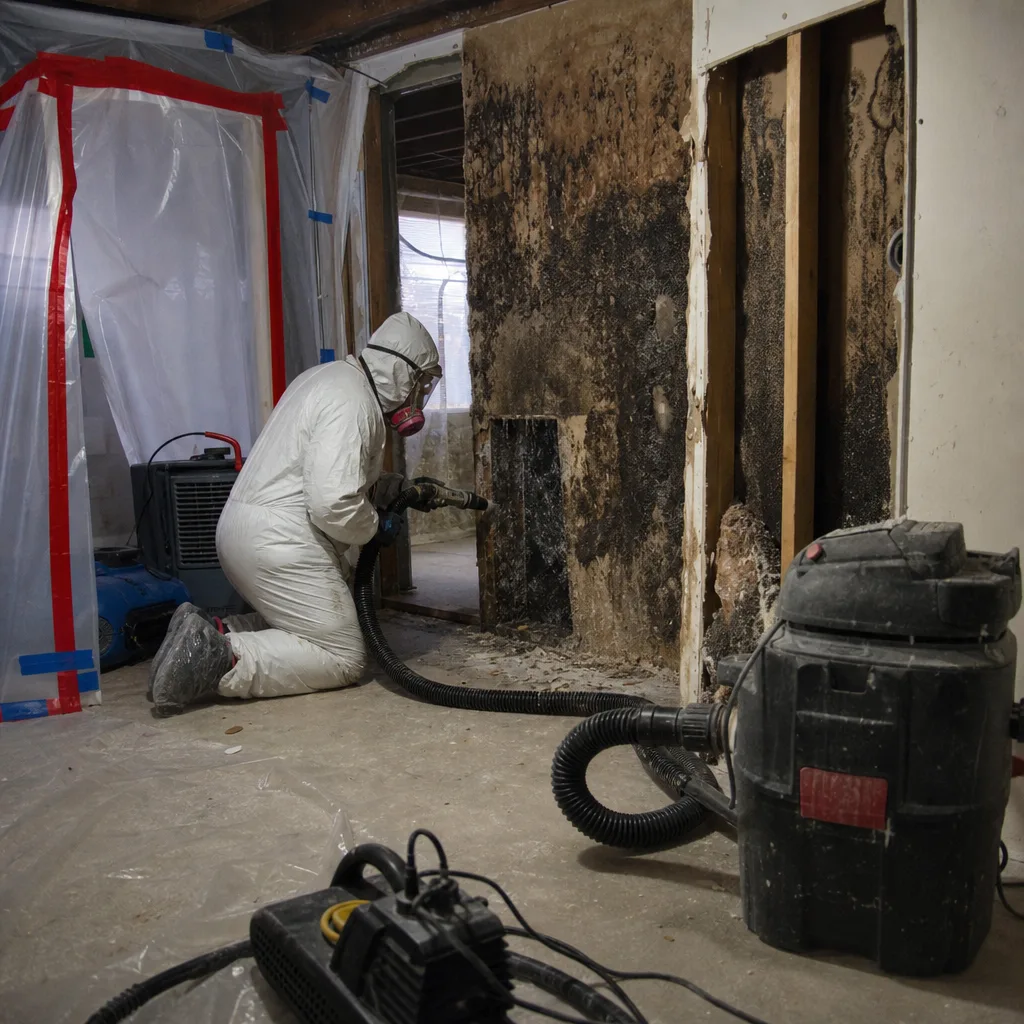
Structural Drying & Dehumidification
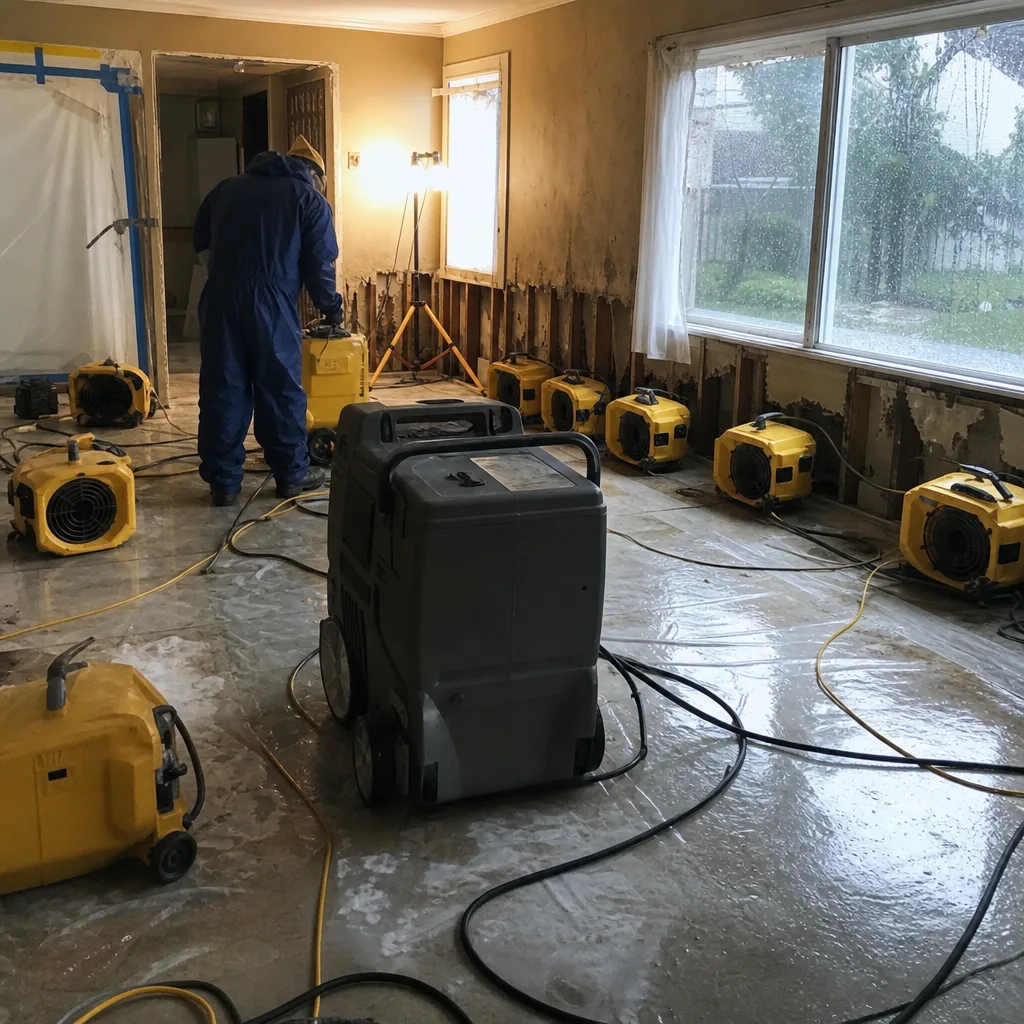
This is where Opa-locka’s conditions break standard assumptions. IICRC drying protocols assume normal drainage and a 24-48 hour window before mold colonization on drywall. In Opa-locka, standing water from backed-up canals compresses that clock aggressively. We stage Dri-Eaz and Phoenix LGR dehumidifiers at higher capacity than we deploy in better-drained neighbors like Miami Lakes, and we run Injectidry wall-cavity drying panels on nearly every 1940s-1970s CBS home because these structures lack vapor barriers - water wicks silently into block cavities for months before visible damage appears.
On a 1950s CBS block near Sharar Avenue, our tech pulled moisture readings on what the work order called a single-event water loss and found the wall cavity wet to 40%+ MC - the jalousie window frame had been painted shut years earlier, trapping a slow leak behind original corroding aluminum louvers. We set containment, ran Dri-Eaz dehumidifiers and Injectidry wall-cavity panels for structural drying, tagged it Category 2 on the drying logs, and applied antimicrobial treatment before closing the wall. Daily moisture logs tracked vapor pressure differential until readings returned to dry standard. That’s the documentation that turns a restoration invoice into a claim an insurer pays without a fight.
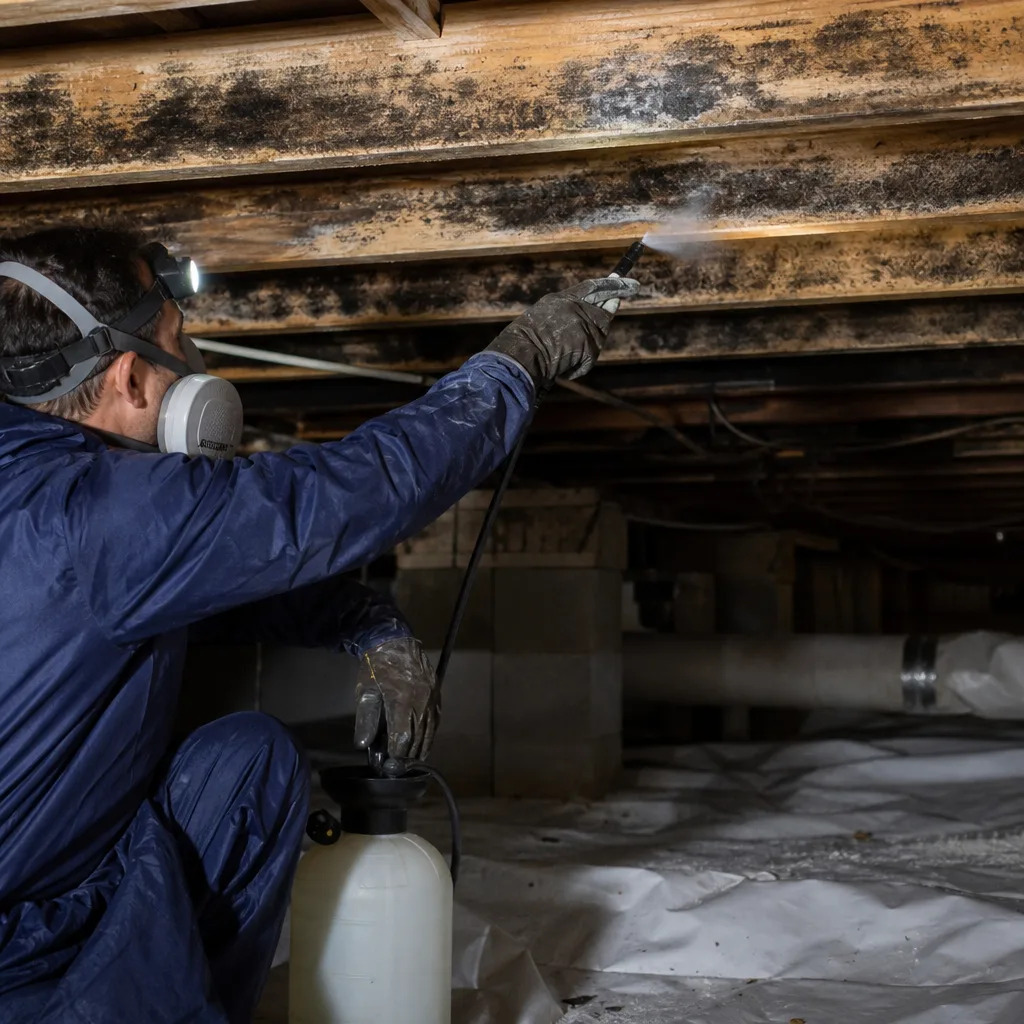
Flood Cleanup
Opa-locka’s repetitive flooding pattern - driven by low elevation and under-resourced stormwater infrastructure - means flood cleanup here often involves multiple contamination events stacked on top of each other. We don’t guess at water category; we test and document. Our flood cleanup includes contaminated material classification by trade name (drywall, plaster, lath, tackless strip, etc.), room-by-square-footage scope, and photo documentation for adjuster coordination. Direct insurance billing available.
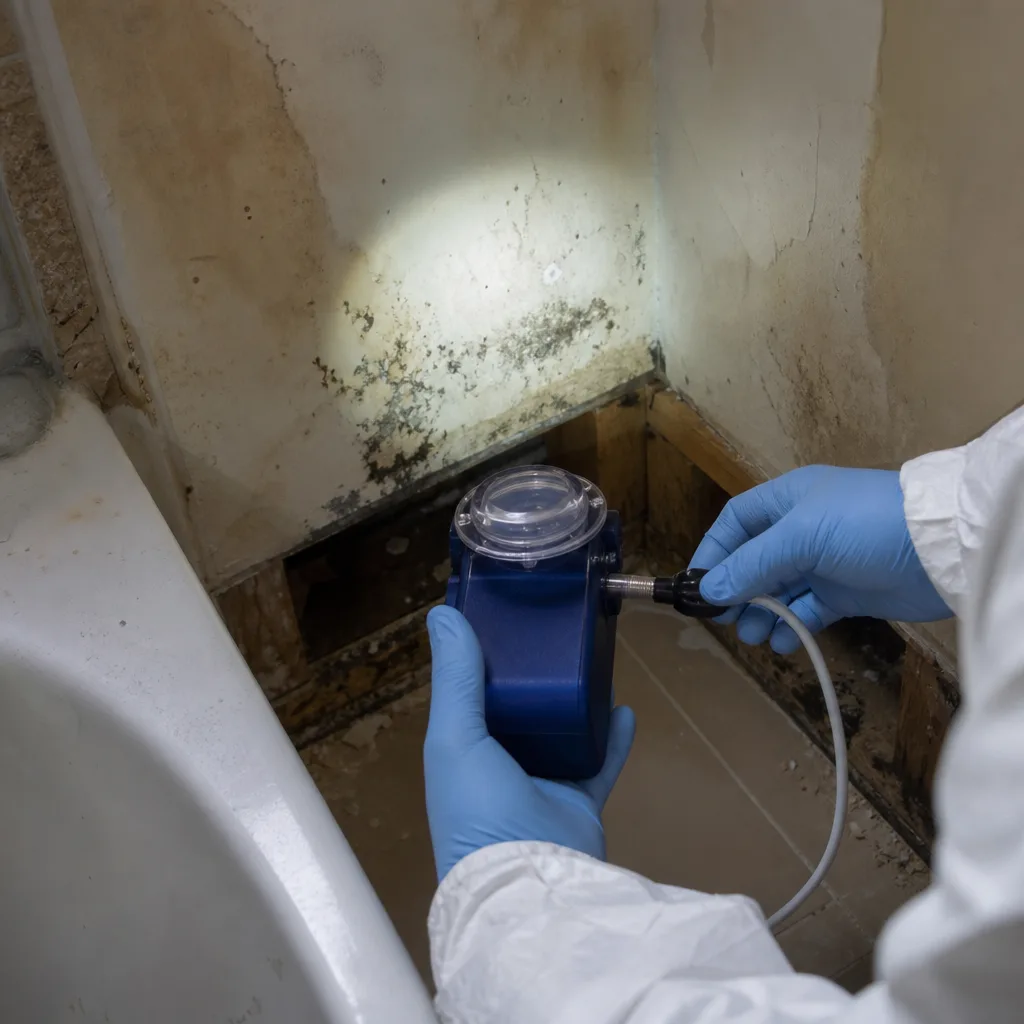
Burst Pipe Restoration
Older Opa-locka homes with original galvanized or early copper plumbing face corrosion-related bursts at higher rates than newer construction. When a pipe lets go inside a 1960s CBS wall with no vapor barrier, water travels horizontally through block cavities far beyond the visible damage. We map the full moisture perimeter with thermal imaging, document the spread in a written scope, and dry to tertiary drying standards - the final phase where we verify that hidden cavities have reached equilibrium, not just surface dryness.
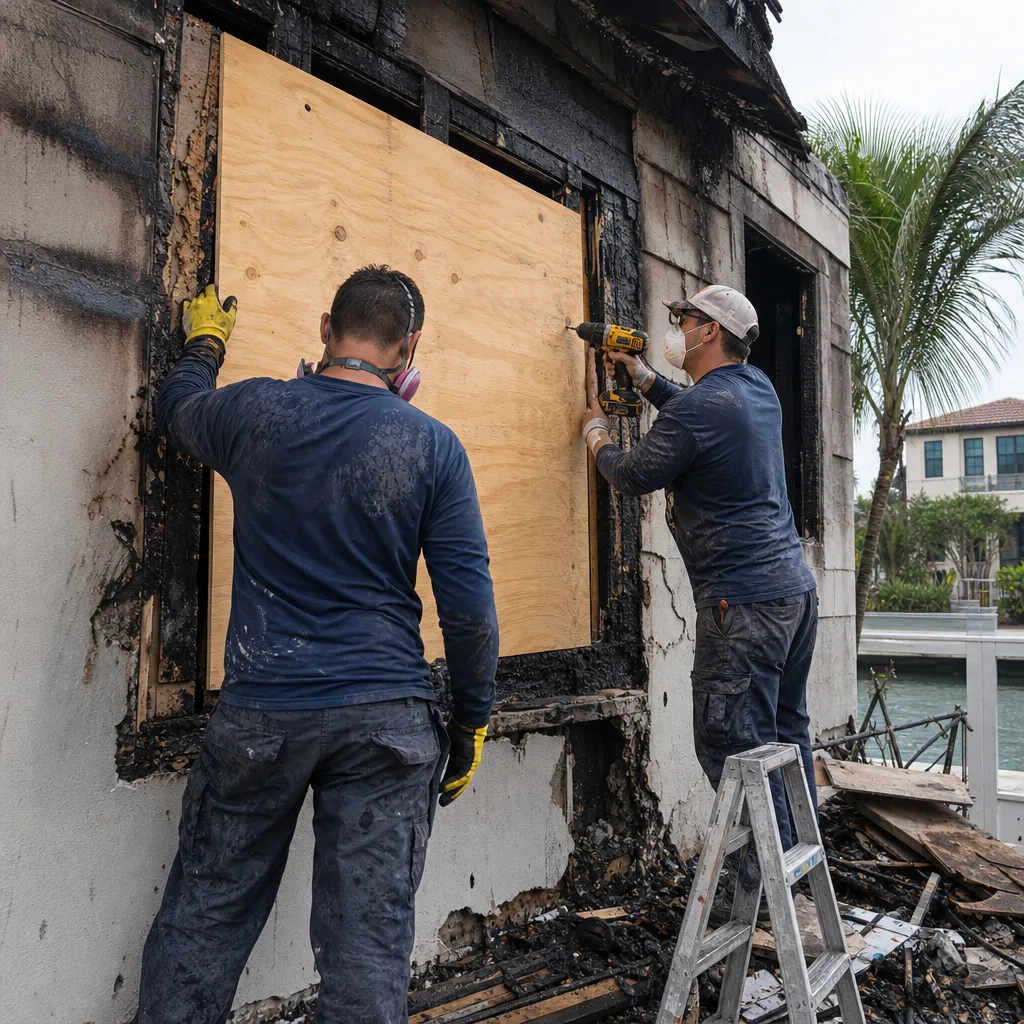
Ceiling & Roof Leak Water Damage
Opa-locka’s dominant flat and low-slope built-up roofs from the 1940s-1970s are past service life in most cases. Ponding water on these membranes breaches slowly, and the damage shows first as ceiling stains that homeowners patch repeatedly. We trace the true entry point, document roof membrane condition with photos for adjuster review, and scope ceiling cavity drying or replacement with written square footage and material specifications.
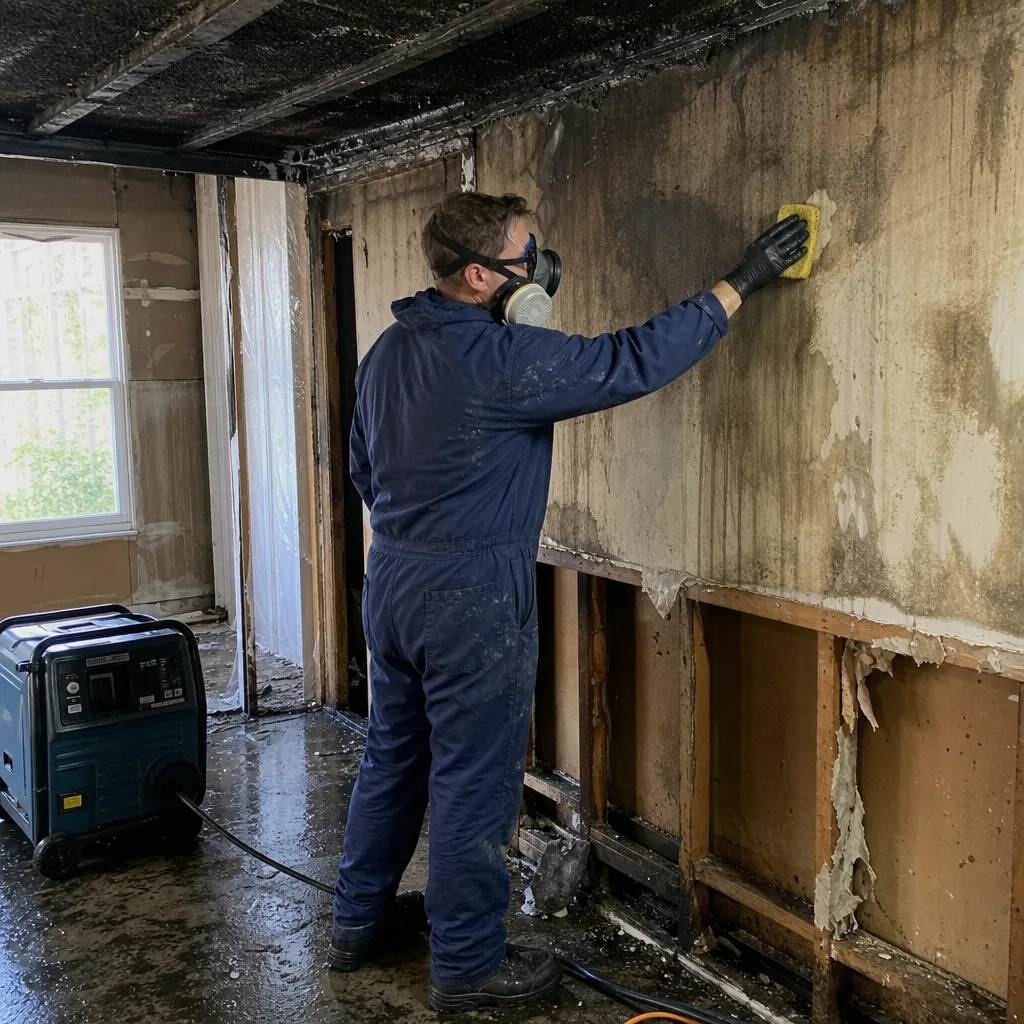
Basement Water Removal
Full basement construction is rare in Opa-locka’s flat, flood-prone terrain, but partial below-grade utility rooms and crawl spaces exist in some 1950s-60s slabs. These spaces flood first when drainage canals back up. We deploy XPOWER and B-Air axial air movers with low-grain refrigerant dehumidifiers sized to the cubic volume, with daily moisture logs tracking specific humidity reduction.

What happens when you call
- 1
A real person answersNo phone trees - you reach a local pro.
- 2
You get an upfront price rangeHonest numbers before anyone is dispatched.
- 3
A background-checked tech heads outLicensed & insured, dispatched right away.
- 4
You approve before work beginsNothing starts until you say go.
BeforeAfterTrusted Equipment & Standards We Deploy in Opa-locka
Our equipment inventory includes professional-grade drying systems from Dri-Eaz, Phoenix, XPOWER, B-Air, and Injectidry - brands chosen for documented performance under the sustained high-humidity conditions we see in Opa-locka. All work is documented to IICRC, RIA, and IFA standards. We don’t just meet these standards; we exceed them on dehumidification staging because Opa-locka’s drainage conditions demand it. The daily drying logs we produce - with psychrometric readings, equipment placement maps, and moisture content percentages by room - are the documentation that distinguishes a payable claim from a disputed invoice.
Common Water Damage Restoration Problems We See in Opa-locka Homes
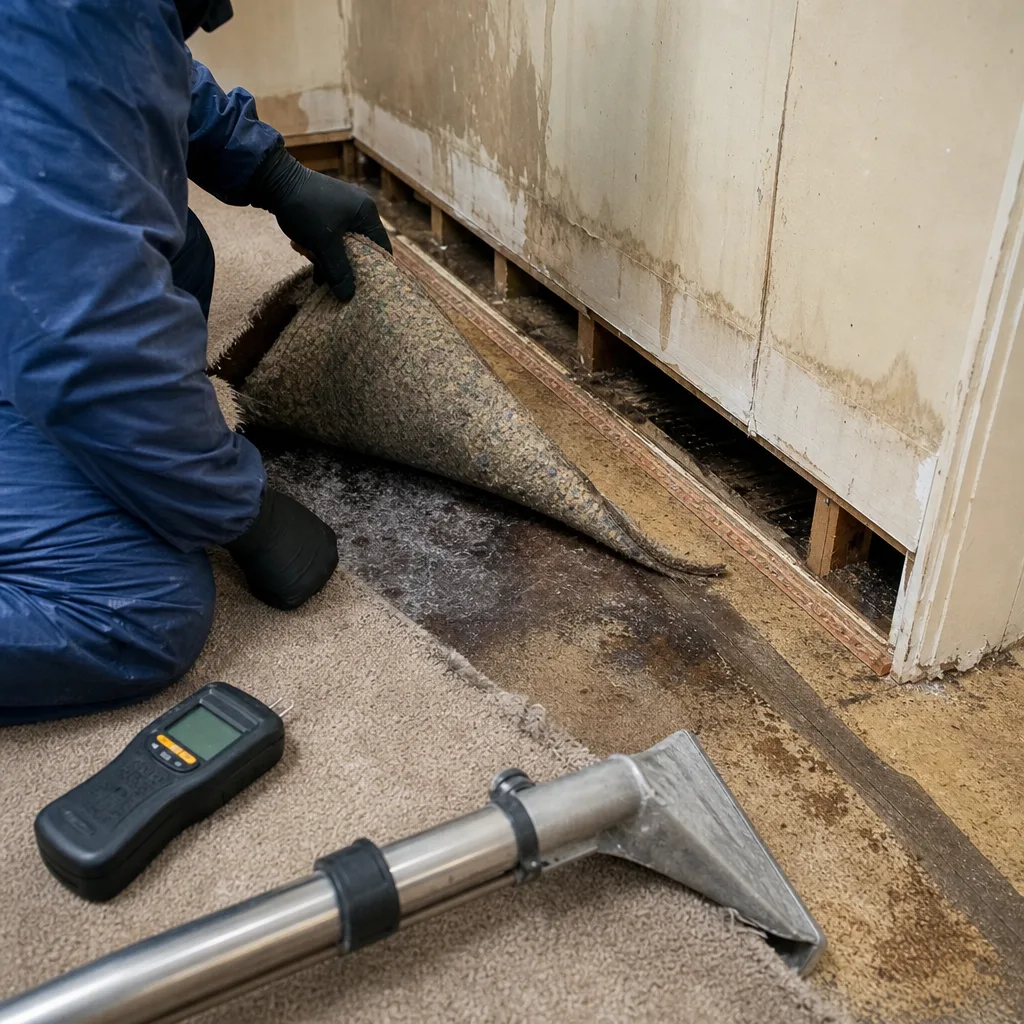
- Jalousie window frames painted shut or screened over - standard on 1950s-60s Opa-locka homes, these corroding aluminum louvers trap moisture in wall cavities for years. The visible stain is a symptom; the hidden cavity damage is the real loss.
- No vapor barrier in 1940s-1970s CBS construction - water wicks silently into block cavities through capillary action, spreading horizontally far beyond the visible damage until a second storm season turns mitigation into demolition.
- Drainage canal backups compressing the mold clock - Opa-locka’s aging infrastructure means standing water persists 24-48 hours inside structures, pushing secondary mold growth timelines well inside IICRC standard assumptions.
- Prior unmitigated events compounding in rental stock - low median household income drives delayed or partial self-remediation, so we routinely open walls on “new” calls to find mold colonies from earlier floods that were never properly dried or documented.
Pricing for Water Damage Restoration in Opa-locka, FL
Emergency water extraction in Opa-locka starts at $1,200 for a single-room incident and runs to $3,800 for whole-house standing water removal. Structural drying and dehumidification typically adds $1,600-$4,200 depending on affected square footage, material classification, and the aggressive staging Opa-locka’s drainage conditions often require. Category 3 contamination - common when drainage backups introduce sewage or when prior unmitigated events have advanced - adds $800-$2,400 for antimicrobial treatment and controlled demolition.
Factors that move Opa-locka jobs toward the higher end: 1940s-1970s CBS homes with no vapor barrier requiring wall-cavity drying, jalousie window frames with years of hidden moisture, and properties near Ali Baba Avenue or Sharar Avenue where repetitive flooding has stacked damage across multiple storm seasons. Every job is quoted in writing before work begins - Haven Standard, Clause 1 - with no scope-creep additions once the crew is inside. Free Second Opinion on any competitor’s written estimate.
| Service | Typical Range in Opa-locka |
|---|---|
| Emergency Water Extraction | $1,200 - $3,800 |
| Structural Drying & Dehumidification | $1,600 - $4,200 |
| Category 3 Antimicrobial & Demolition | $800 - $2,400 additional |
| Full Residential Mitigation (typical) | $2,800 - $7,500 |
We Also Serve Cities Near Opa-locka
Our Opa-locka crews are dispatched from our South Florida office and also serve Miami Beach, Miami, North Miami Beach, and Key Biscayne with the same documented standards: written price before work starts, photo record on every visit, and 365-Day Done Right Promise under The Haven Standard.
Serving Opa-locka, FL - Our Local Coverage Area
We’re based in the Opa-locka area and know this community well. Use the map below to see our service coverage - if you’re nearby, we can almost certainly help.
FAQs - Water Damage Restoration in Opa-locka
Because these 1940s-1970s structures lack vapor barriers, water wicks horizontally through block cavities for months before visible damage appears, and jalousie window frames painted shut trap years of slow leaks behind corroding aluminum. What presents as a single-event stain is almost always multi-year hidden moisture that demands full cavity drying and often controlled demolition. Call (786) 384-5591 for a written scope - estimates are free.
Within hours, not days. Opa-locka’s standing water can persist 24-48 hours inside structures when canals and catch basins back up, compressing the mold colonization window far below standard IICRC assumptions. We dispatch within 45-60 minutes and begin extraction and aggressive dehumidification staging immediately. Call (786) 384-5591 - live person, no voicemail.
Yes, on the city’s nationally recognized commercial and civic buildings with arched facades and ornate stucco detailing. Water or fire damage to these structures triggers Florida historic-preservation review, ruling out standard replacement materials and methods. Our scopes specify matching materials and techniques, with photo documentation for both adjuster and preservation officer review.
Category 2 or 3 more often than the initial work order suggests. Prior unmitigated events - common here due to economic pressures on residents - leave hidden mold and bacterial growth that elevates clean Category 1 water to gray or black classification once we map the full cavity. We test and document before finalizing scope, never assume.
Opa-locka sits at one of the lowest elevations in northern Miami-Dade, with stormwater infrastructure that backs up in routine summer storms. Standing water persists 24-48 hours inside structures, and the 60-plus inches of annual South Florida rainfall hits this flat grid harder than better-drained neighbors like Miami Lakes. We stage Dri-Eaz and Phoenix LGR dehumidifiers at higher capacity and run wall-cavity panels on nearly every CBS home to hit dry standard before mold colonizes.
Call (786) 384-5591 for a free written estimate. Live person answers 24/7. Every job gets a written price before work starts, a photo record on every visit, and our 365-Day Done Right Promise under The Haven Standard.
Written by Alicia Brennan, Owner at Back to Dry Restoration, serving Opa-locka since 2011.