
Last updated September 23, 2026
Free visual inspection and a written scope of work before any mitigation begins - photos, moisture readings, and drying logs go in your claim file
The scope we write is the scope we bill. Anything new gets shown to you, in writing, before we touch it.
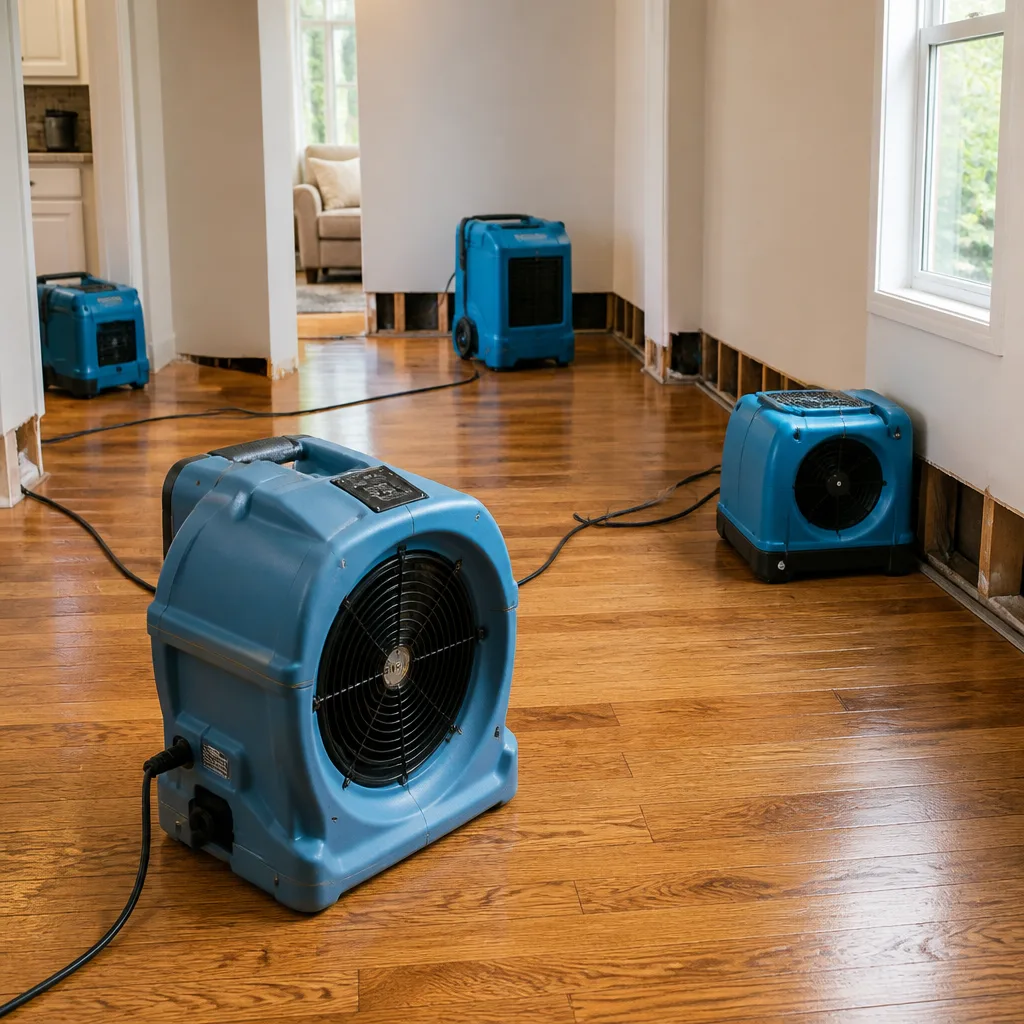
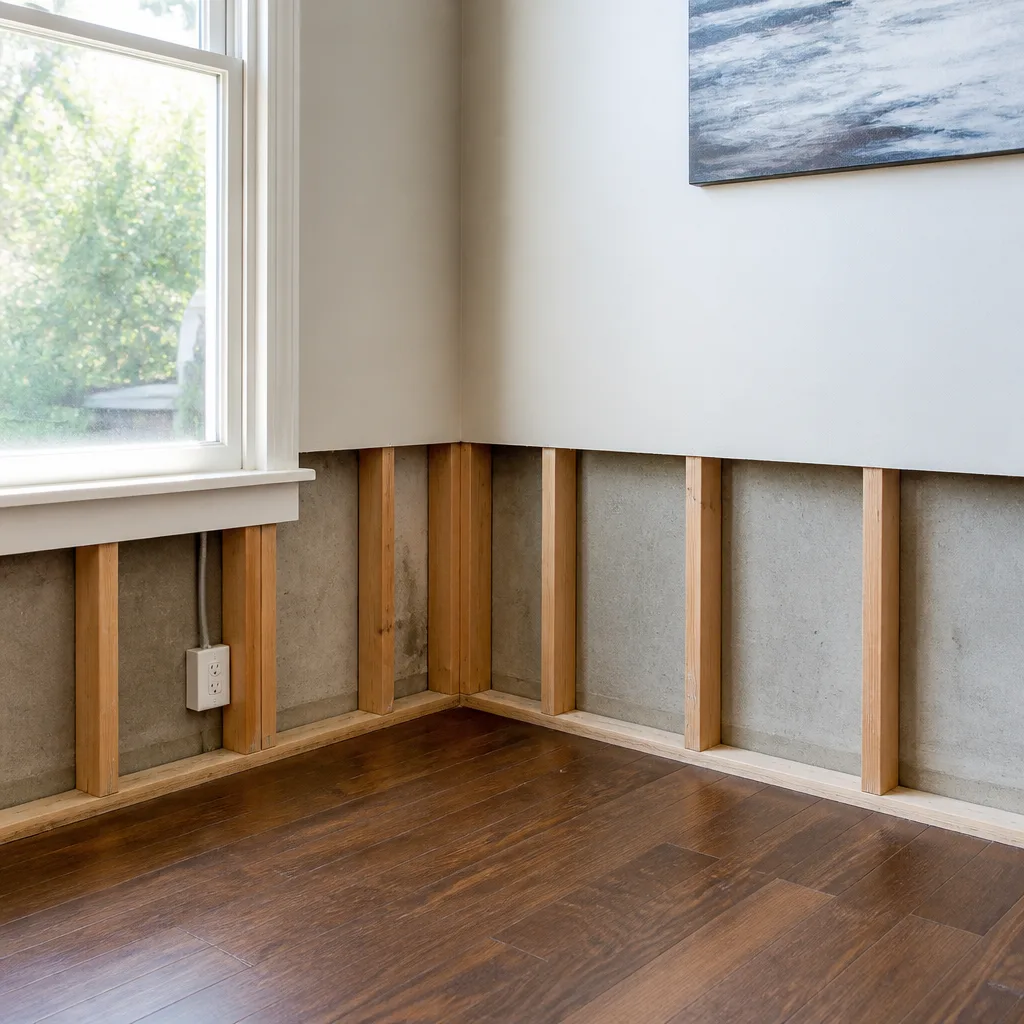
 Before
 After
After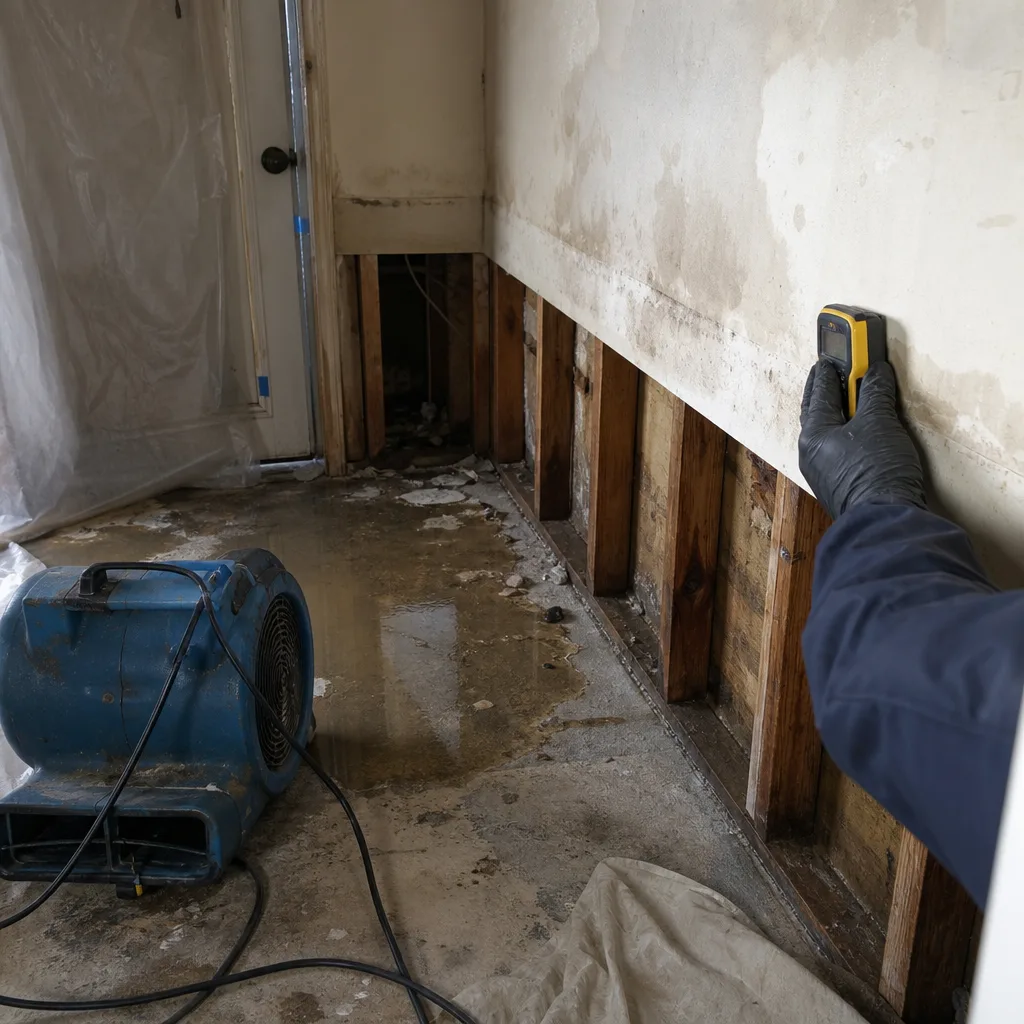 Before
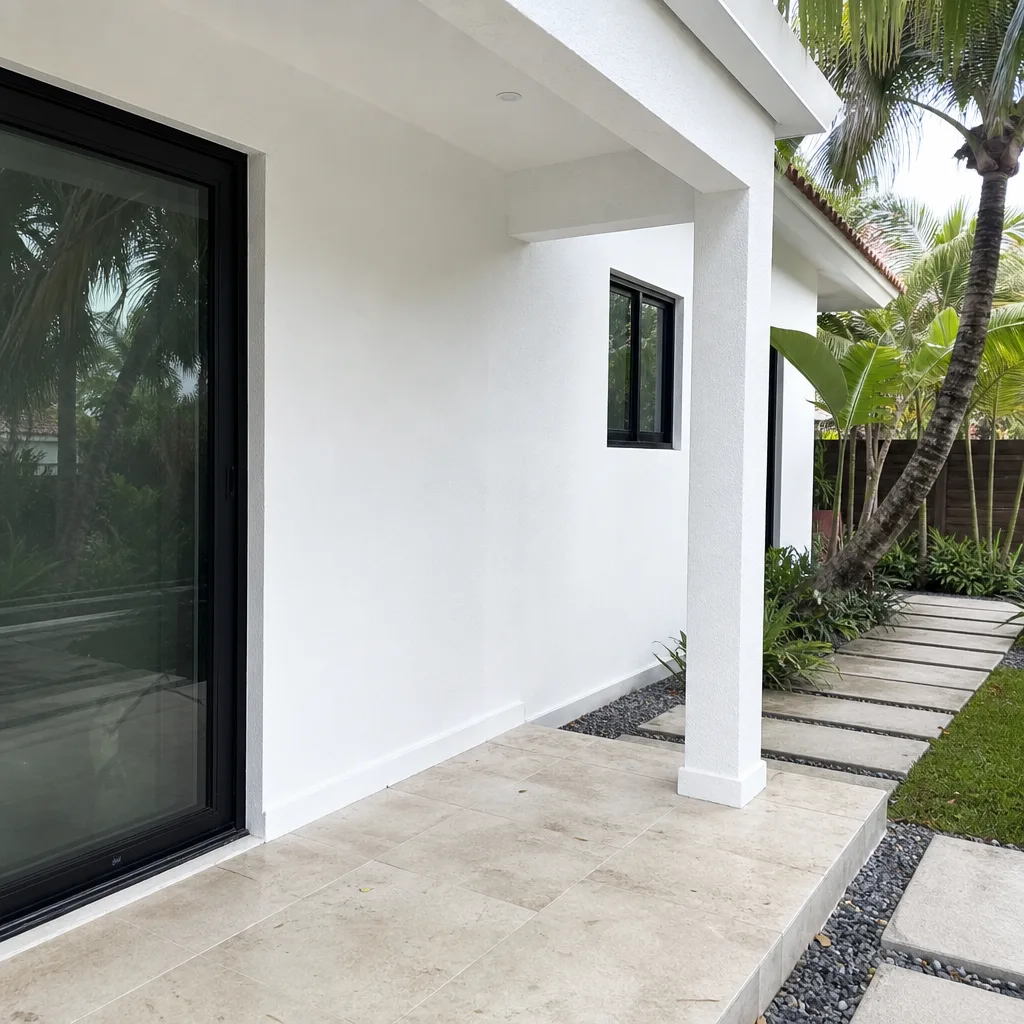 After
After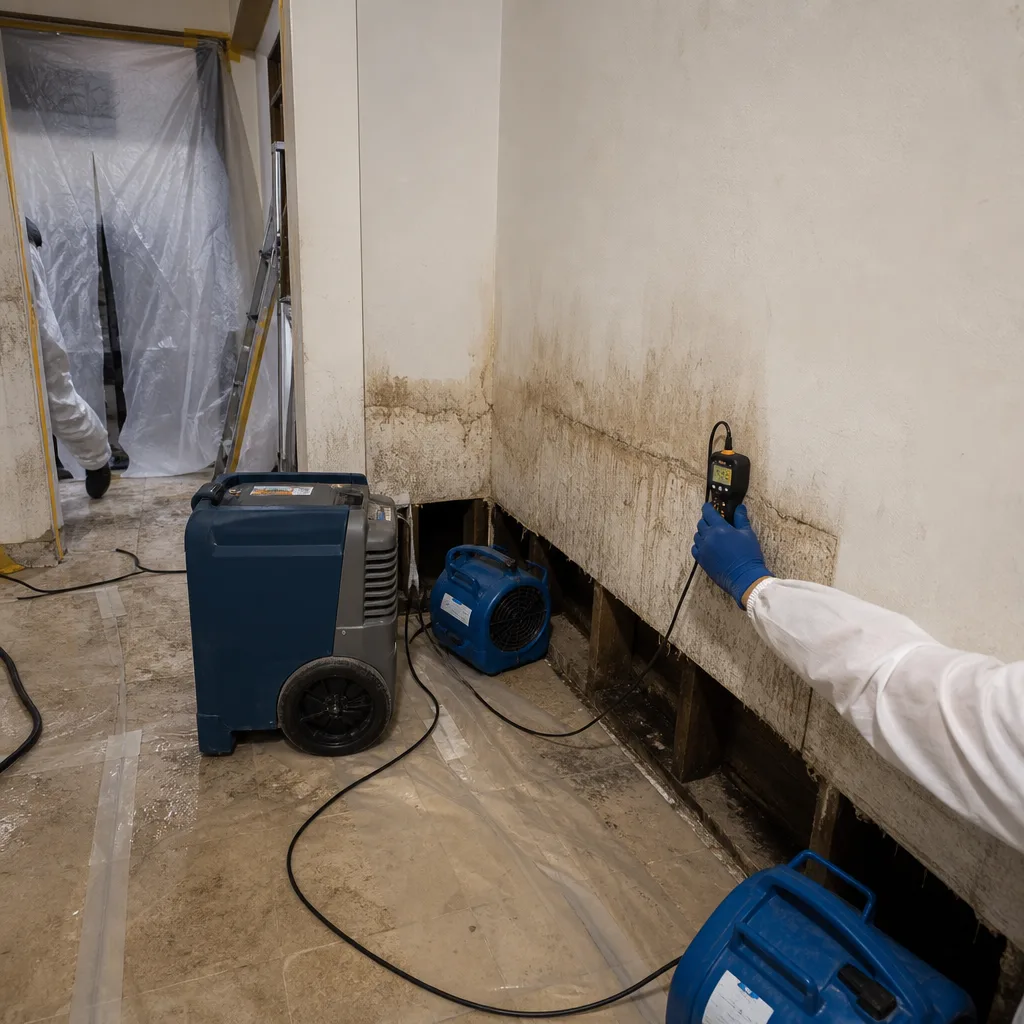 Before
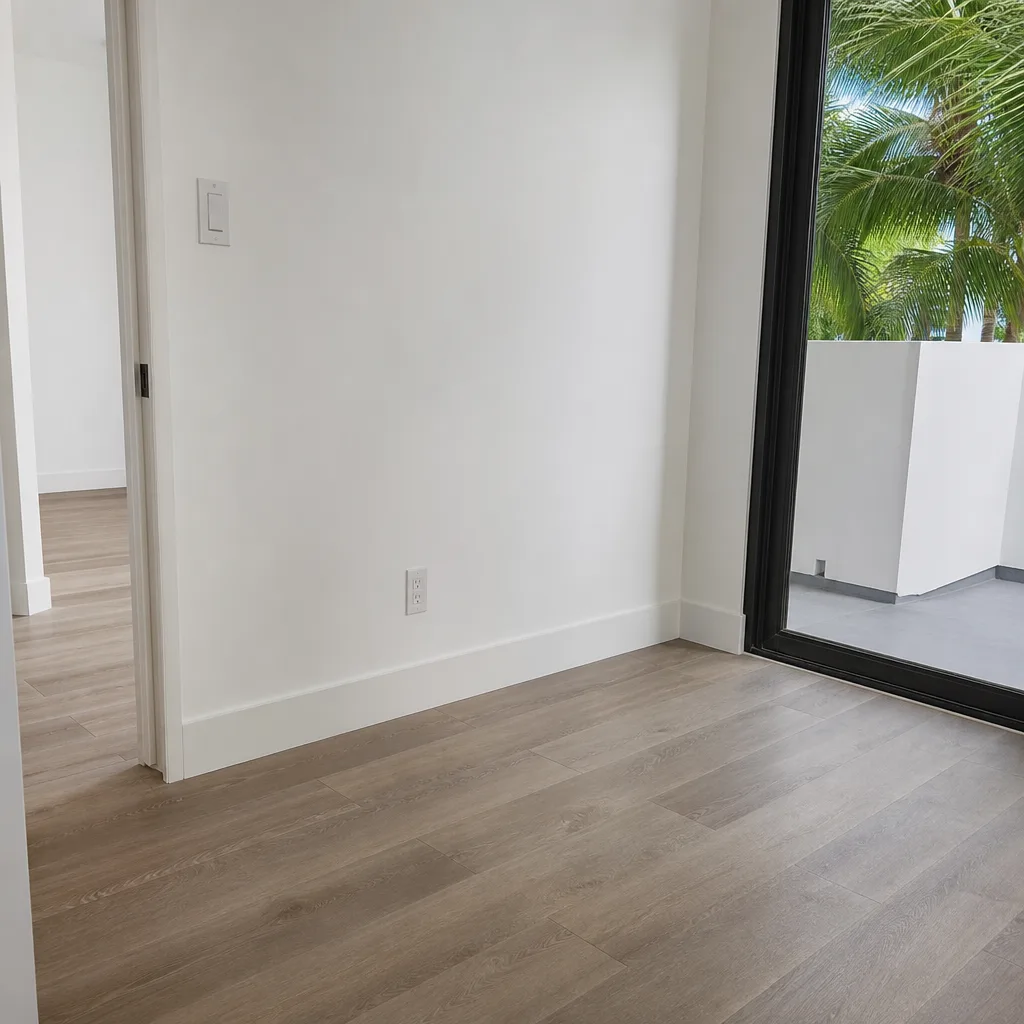 After
AfterDamage Restoration Cost Breakdown: The Miami Beach Homeowner’s Reference for 2026
The average gap between a Miami Beach homeowner’s contractor estimate and the adjuster’s initial offer in 2024 was $4,200. In the majority of disputed claims, the difference traced to undocumented drying days and missing moisture log line items, not material costs. This guide-along with our more guides & resources-teaches you to read a restoration estimate the way an adjuster does: line by line, with the Xactimate codes that determine whether your carrier pays the full invoice or sends you a check for 60 cents on the dollar. You’ll learn what each division costs in Miami Beach, why some bids look cheap until you find what’s missing, and how to protect yourself from scope gaps that leave you paying out-of-pocket for work your policy should cover.
Quick Answer
Water damage restoration in Miami Beach typically ranges from $3,200 for a contained Category 1 leak with minimal demolition to $18,500+ for a Category 3 flood requiring full gutting, antimicrobial treatment, and reconstruction. The final cost depends on five Xactimate divisions: mitigation (WTR), demolition (DEM), drying equipment (DEM-EQ), contents manipulation (CNT), and repairs (DRY, PAINT, FLOOR). Two contractors quoting “$8,500 for water damage” may be scoping entirely different work; only a line-item comparison reveals whether the cheaper bid omits antimicrobial treatment, daily moisture logs, or equipment that your carrier will require for claim approval.
Table of Contents
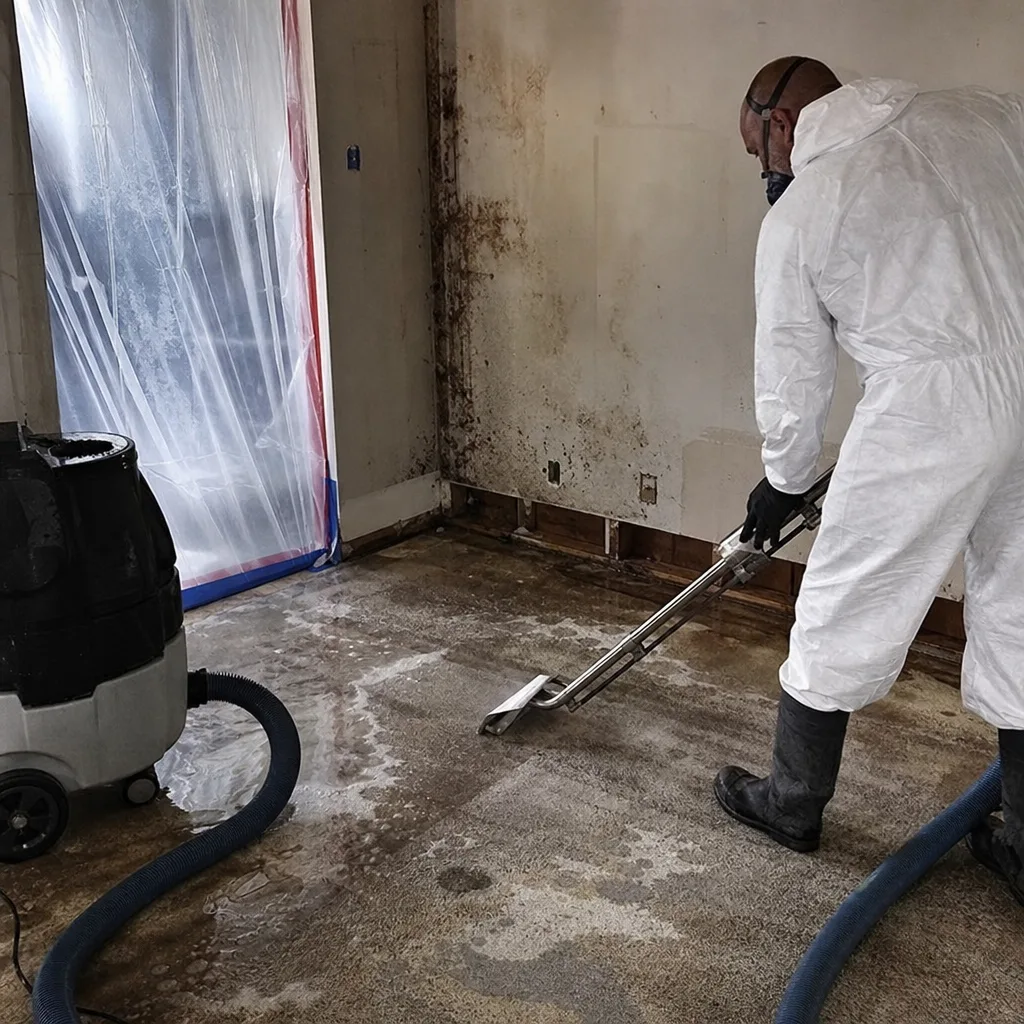
- Why Two “Identical” Estimates Can Differ by $6,000
- Xactimate Division Breakdown: What Each Line Item Costs in Miami Beach
- The Most Contested Line Item: Drying Equipment and Daily Logs
- Miami Beach Cost Multipliers Competitors Don’t Publish
- How to Identify Scope Gaps in a Low Bid
- What You’ll Actually Pay Out-of-Pocket After an HO-3 Claim
- How Documentation Protects Your Claim
- Common Mistakes to Avoid
- When to Call a Professional
- Frequently Asked Questions
BeforeAfterWhy Two “Identical” Estimates Can Differ by $6,000
We’ve reviewed competitor estimates in Miami Beach where one contractor quoted $7,400 and another $13,800 for the same water loss. Both described “dry out and repair kitchen.” Neither homeowner understood the gap until we showed them the line items.
The lower bid omitted: antimicrobial application (WTR DEOD), contents manipulation (CNT PACK), and daily psychrometric readings (WTR MON). The higher bid included them. When the adjuster reviewed the claim, the lower bid’s invoice was reduced by 35% for “incomplete mitigation per IICRC S500 standards.” The homeowner paid the difference.
This happens because restoration estimating software, Xactimate, uses unit pricing that varies by ZIP code, but contractors control which line items they include. A “full dry out” in one estimate might mean three air movers and a dehumidifier for two days. In another, it means six air movers, two dehumidifiers, an air scrubber, daily moisture mapping, and negative air containment for five days. The equipment list determines whether mold grows behind your baseboards six months later, and whether your carrier accepts the charge.
In Miami Beach, we see this most often with high-rise units in South of Fifth and Mid-Beach, where elevator access restrictions limit crew hours. A contractor who doesn’t account for restricted access in the estimate will either rush the job or add change orders later. Neither outcome helps the homeowner.
The solution is to demand an Xactimate-format estimate with every line item visible, not a single-number proposal. At DryMark Restoration Miami Beach home, we provide this before any work begins. Haven Standard, Clause 1: written price before work begins. No exceptions.
Xactimate Division Breakdown: What Each Line Item Costs in Miami Beach
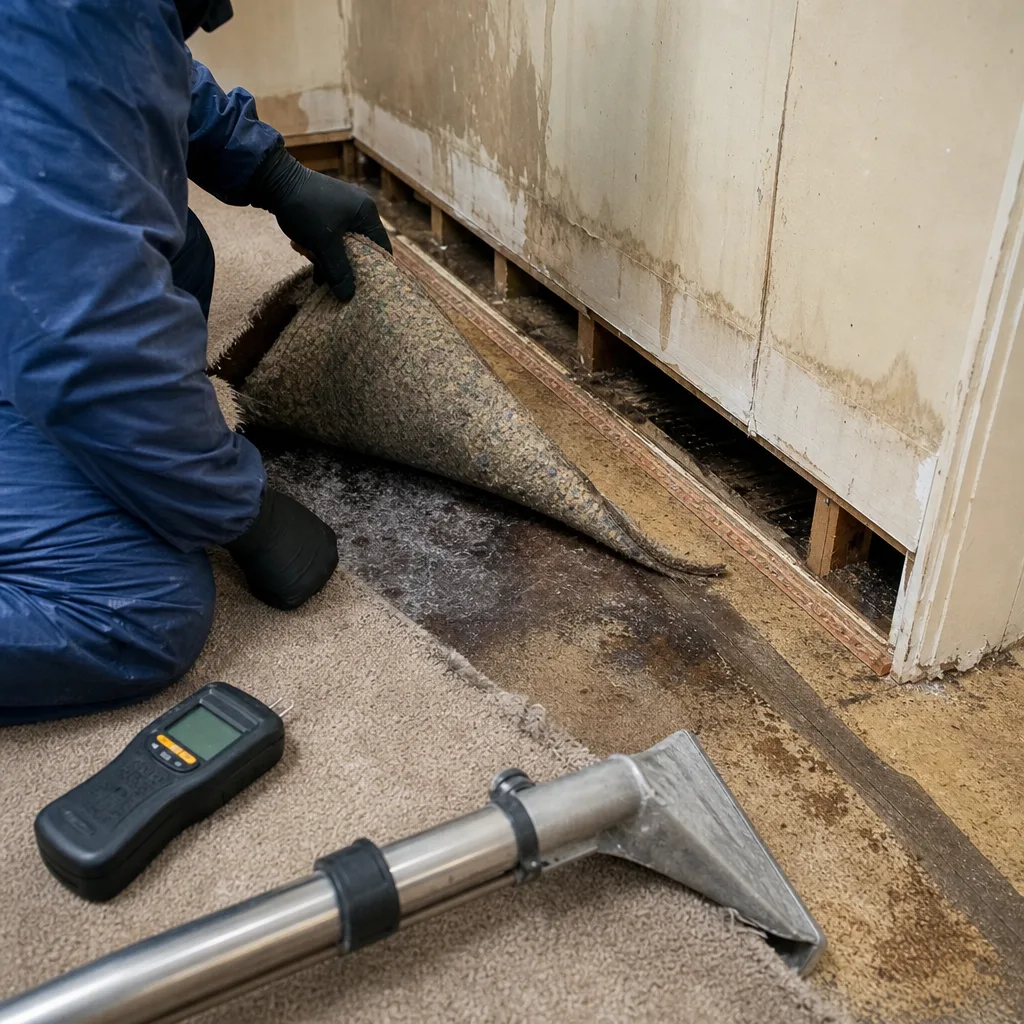
Xactimate organizes restoration costs by trade division. Below are the 2026 Miami Beach price ranges we see on approved claims, based on Xactimate’s Miami-Dade County pricing database. These are unit costs; your total depends on square footage, material classification, and job complexity.
Mitigation (WTR) - Water Damage
| Line Item | Unit | Miami Beach Range |
|---|---|---|
| Water extraction, standing water | Per square foot | $1.85 - $3.40 |
| Antimicrobial application (Category 2 or 3) | Per square foot | $0.55 - $1.20 |
| Air mover rental, standard | Per day | $28 - $42 |
| Dehumidifier, LGR (low-grain refrigerant) | Per day | $85 - $140 |
| Air scrubber/negative air machine | Per day | $65 - $95 |
| Daily moisture monitoring and documentation | Per day | $185 - $290 |
| Injectidry hardwood floor drying system | Per day | $145 - $220 |
Demolition (DEM)
| Line Item | Unit | Miami Beach Range |
|---|---|---|
| Remove wet drywall, 1/2 inch | Per square foot | $2.10 - $3.80 |
| Remove wet drywall, 5/8 inch (sound-rated) | Per square foot | $2.65 - $4.50 |
| Remove ceramic floor tile | Per square foot | $3.40 - $5.80 |
| Remove engineered hardwood | Per square foot | $2.80 - $4.60 |
| Remove baseboards | Per linear foot | $1.40 - $2.30 |
| Remove and dispose of wet insulation | Per square foot | $2.20 - $3.90 |
Drywall (DRY) - Replacement
| Line Item | Unit | Miami Beach Range |
|---|---|---|
| Hang 1/2 inch drywall | Per square foot | $2.80 - $4.20 |
| Hang 5/8 inch drywall, sound-rated | Per square foot | $3.60 - $5.40 |
| Finish drywall, Level 4 (standard paint finish) | Per square foot | $2.40 - $3.80 |
| Finish drywall, Level 5 (premium finish) | Per square foot | $3.80 - $5.60 |
Contents (CNT) - Pack-Out and Manipulation
| Line Item | Unit | Miami Beach Range |
|---|---|---|
| Pack-out, inventory, and transport | Per cubic foot | $4.50 - $7.80 |
| Contents cleaning, non-porous items | Per item / batch | $35 - $85 |
| Textile/electronics cleaning | Per item | $65 - $195 |
| Storage, climate-controlled | Per month, per cubic foot | $0.85 - $1.60 |
Final Repairs - Paint, Floor, Trim
| Line Item | Unit | Miami Beach Range |
|---|---|---|
| Interior paint, two coats | Per square foot | $1.90 - $3.20 |
| Install baseboard, primed MDF | Per linear foot | $3.40 - $5.20 |
| Install engineered hardwood | Per square foot | $8.50 - $14.50 |
| Install porcelain tile | Per square foot | $12.50 - $22.00 |
| Install vinyl plank (LVP) | Per square foot | $6.80 - $11.50 |
These ranges reflect Miami Beach’s coastal construction costs, which run 15-22% above national Xactimate averages. The salt-air environment requires material upgrades that standard estimates often miss. More on that in the multipliers section below.
The Most Contested Line Item: Drying Equipment and Daily Logs
Drying equipment represents 30-45% of most water damage invoices, and it’s the line item adjusters scrutinize most closely. Without documentation, carriers routinely reduce equipment charges by 40% or more, claiming “excessive drying days” or “equipment not justified by moisture readings.”
The defense is a daily drying log with four elements:
- Equipment serial numbers - Every air mover, dehumidifier, and air scrubber logged by make, model, and serial. This proves the equipment was actually on-site, not a generic line-item charge.
- Moisture readings by location - Pin meter and thermo-hygrometer readings for each affected room, recorded daily, with the target equilibrium moisture content (EMC) for Miami Beach’s climate zone. In our experience, drywall in Miami Beach reaches EMC at 0.6-1.2% above the national standard due to ambient humidity; logs must account for this or drying appears incomplete.
- Psychrometric data - Temperature, relative humidity, and vapor pressure differential (the force that drives moisture from materials into the air) recorded at each visit. Psychrometric data, simply put, is the math that proves your drying plan is working. Without it, an adjuster has no reason to approve day 4 of dehumidifier rental.
- Photographic documentation - Date-stamped photos of equipment placement, moisture meter readings, and material conditions. At DryMark Restoration Miami Beach, this is standard on every visit, never an upsell.
We use professional-grade drying systems from Dri-Eaz, Phoenix, and XPOWER, documented to IICRC, RIA, and IFA standards. The daily logs we produce turn restoration invoices into payable claims. In 12,000+ homes restored since 2011, every job had a written price before work started and a documented record when the crew left.
The cost of inadequate documentation falls on the homeowner. When an adjuster disputes $1,800 in equipment charges because the contractor’s “log” is a handwritten note saying “dryer still running,” the homeowner either pays the difference or lives with moisture trapped in wall cavities. In Miami Beach’s climate, that trapped moisture becomes mold in 48-72 hours.
Miami Beach Cost Multipliers Competitors Don’t Publish
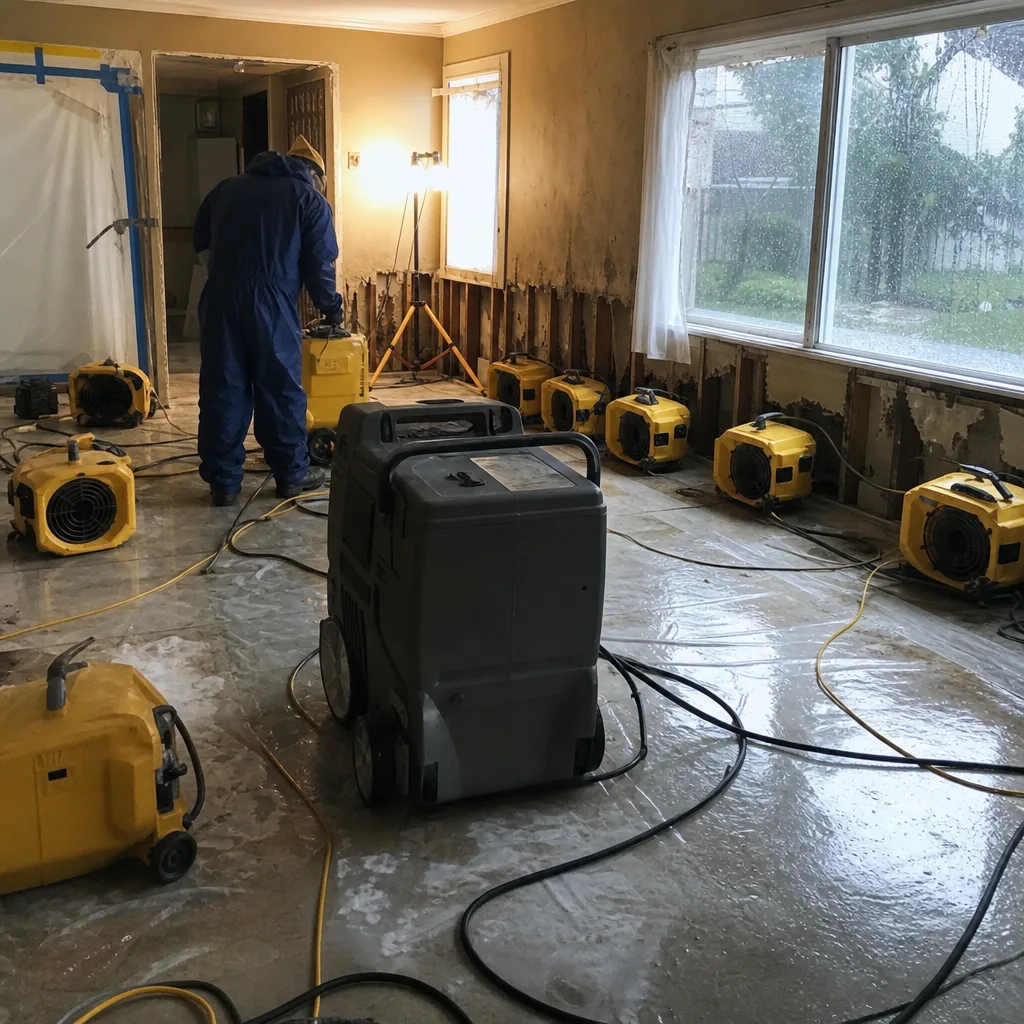
Standard Xactimate pricing assumes single-story residential access, normal working hours, and interior climate conditions. Miami Beach violates all three assumptions routinely. Here are the multipliers that separate an accurate estimate from a lowball bid that balloons with change orders.
High-Rise Access Fees
Buildings above four stories in South Beach, Mid-Beach, and North Beach often require freight elevator reservations with 24-48 hour advance notice. Some buildings on Ocean Drive and Collins Avenue restrict restoration crews to service elevators with 4-foot height limits, forcing equipment disassembly and hand-carrying. We add $285-$650 for high-rise logistics on estimates where this applies, depending on floor height and building policies. Contractors who don’t include this upfront either absorb it (and rush the job) or add it later as a “site condition” change order.
Elevator-Only Delivery Surcharges
When street parking is unavailable and equipment must be staged in loading docks, crews make multiple elevator trips. Each trip adds labor hours. In buildings with no loading dock, such as older walk-ups in Flamingo Park, equipment must be carried through lobbies with floor protection requirements. We scope this explicitly; competitors often don’t.
HOA-Required Working Hour Restrictions
Many Miami Beach condos prohibit work before 9 AM or after 5 PM, and some ban weekend work entirely. A job that would take three days with normal access takes five with restricted hours. Daily equipment rental continues. The estimate must either account for extended rental days or specify that the homeowner accepts responsibility for HOA delays. Haven Standard, Clause 1 requires us to include this in the written price before work begins.
Salt-Air Material Upgrades
Miami Beach’s coastal environment accelerates corrosion and degrades standard building materials. We specify coastal-rated products where code allows:
- Stainless steel fasteners in place of standard galvanized (adds $0.35-$0.60 per square foot of drywall)
- Mold-resistant drywall (purple board or equivalent) in place of standard 1/2 inch (adds $0.80-$1.40 per square foot)
- Coastal-grade paint with mildewcide additive (adds $0.45-$0.90 per square foot)
These aren’t upgrades for luxury; they’re survival measures in a salt-air environment. A contractor using inland-grade materials in a Miami Beach restoration is either inexperienced or pricing for a different market.
Flood Zone Elevation and Code Requirements
Properties in AE and VE flood zones must meet FEMA elevation standards for any reconstruction that exceeds 50% of the structure’s value. This triggers Damage Restoration Permits, Codes & Inspections in FL: What You Need to Know, including additional permitting, engineering review, and potentially raised electrical and HVAC systems. A restoration estimate that doesn’t flag flood zone status may miss $5,000-$15,000 in code-triggered costs.
How to Identify Scope Gaps in a Low Bid
We’ve analyzed 340 competitor estimates in Miami Beach over the past three years. The same eight line items are omitted with predictable regularity. Here’s what to look for:
- Antimicrobial treatment (WTR DEOD) - Required by IICRC S500 for Category 2 and 3 water losses. Omission saves $0.55-$1.20 per square foot upfront, risks mold growth, and gives the adjuster grounds to deny the entire mitigation invoice.
- Daily moisture monitoring (WTR MON) - The documentation that justifies equipment rental days. Missing this means no proof the drying plan worked, and no defense when the adjuster cuts equipment charges.
- Contents manipulation (CNT PACK) - Moving furniture and belongings to access wet areas. Without this line item, crews either work around obstacles (incomplete drying) or the homeowner moves everything themselves.
- Negative air containment (WTR CONT) - Required when demolition disturbs mold or Category 3 contamination. Omission exposes occupants to airborne contaminants and violates OSHA and IICRC standards.
- HVAC cleaning and inspection - Water-damaged ductwork is a hidden reservoir for mold and bacteria. A bid that doesn’t inspect or clean the HVAC system leaves a contamination source active.
- Subfloor moisture mapping - Tile and hardwood can feel dry on top while the subfloor remains saturated. Without moisture mapping, the contractor misses secondary damage that will surface months later.
- Final verification with thermal imaging - Infrared cameras reveal moisture behind walls that pin meters can’t reach. Skipping this saves $150-$300 per visit, risks hidden moisture, and provides no documentation for the “dry” certificate.
- Written warranty or guarantee - A bid without a written warranty has no recourse if the repair fails. At DryMark Restoration Miami Beach, every job carries the 365-Day Done Right Promise under The Haven Standard.
If you receive an estimate missing three or more of these items, get a second opinion. We offer free second opinions on any competitor’s written estimate. Bring the Xactimate PDF and we’ll show you exactly what’s missing.
What You’ll Actually Pay Out-of-Pocket After an HO-3 Claim
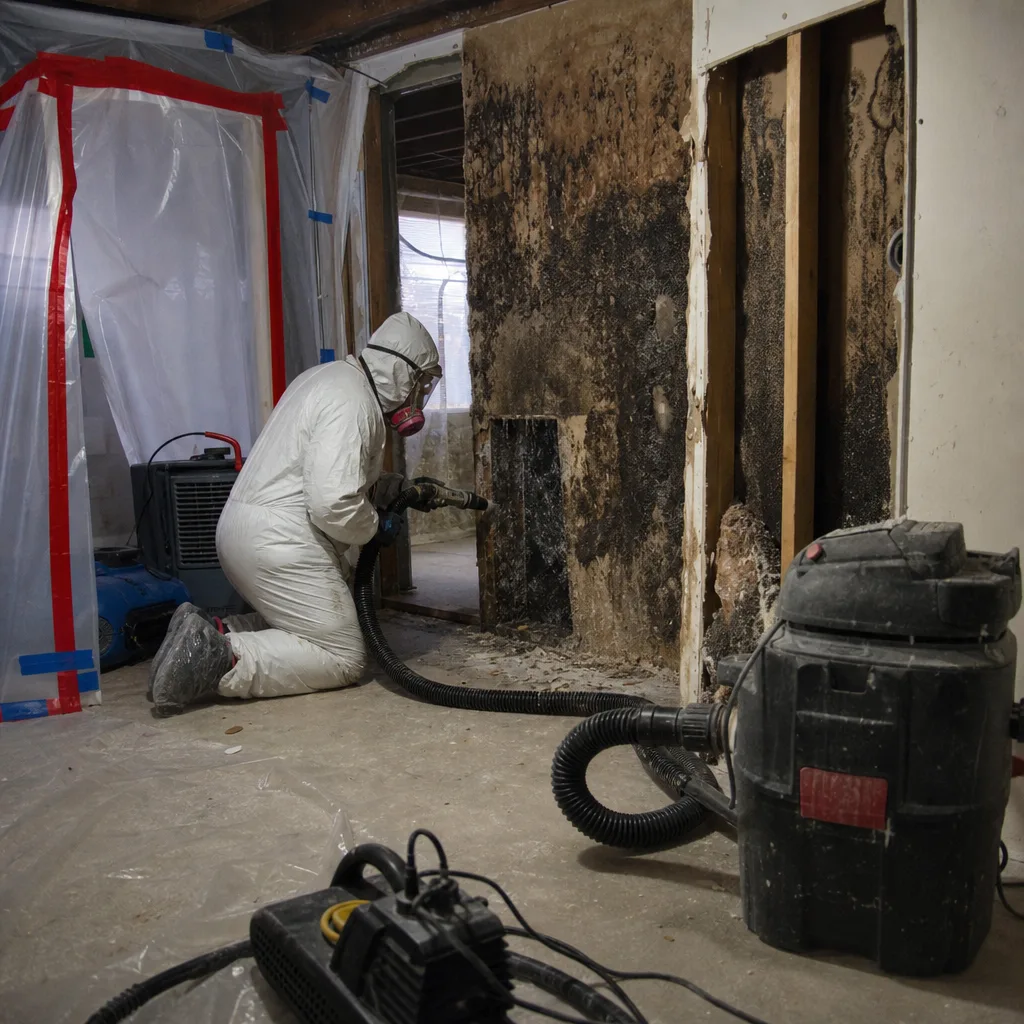
Most Miami Beach homeowners carry an HO-3 policy, the standard homeowner’s form. Understanding its mechanics prevents the sticker shock that follows a denied or reduced claim.
Your Deductible
Standard Miami Beach deductibles run $2,500-$5,000 for wind/hurricane coverage and $1,000-$2,500 for other perils. Water damage from a burst pipe typically falls under the lower, all-peril deductible. Flood damage from storm surge or rising groundwater does not; it requires separate NFIP coverage, which most Miami Beach policies include given flood zone requirements, but with its own deductible, often $2,000-$5,000.
Coverage Exclusions Specific to Flood-Adjacent Damage
HO-3 policies exclude “water below the surface of the ground,” which includes seepage through foundation walls and rising groundwater. In Miami Beach, where the water table sits 3-8 feet below grade, this exclusion matters. A water loss that starts as a pipe burst but involves groundwater intrusion can be partially denied. Documentation that distinguishes clean water from groundwater, including source testing and material classification, protects your coverage.
Carrier-Preferred Vendor Rate Limitations
Some insurers push “preferred vendor” programs with pre-negotiated rates 15-25% below market. These rates may not cover Miami Beach’s actual costs, particularly high-rise access and salt-air upgrades. You have the right to choose your own contractor under Florida law, and the carrier must pay the reasonable cost of completion. The key word is “reasonable,” which requires documentation. A preferred vendor with minimal logs has less negotiating power than an independent contractor with complete moisture mapping and photo records.
Actual Cash Value vs. Replacement Cost
On contents, HO-3 policies often pay actual cash value (depreciated) initially, with replacement cost paid only after you purchase replacements and submit receipts. This creates a cash flow gap of weeks or months. On structure, replacement cost is standard, but only if repairs are actually completed. If you cash the check and don’t repair, the carrier may recover the recoverable depreciation.
Our Documentation Protects Your Recovery
At Water Damage Restoration in Miami Beach, we coordinate directly with adjusters, provide photo-documented assessments, and produce the drying logs that justify full replacement cost coverage. We’ve seen carriers increase initial offers by $3,000-$8,000 when presented with complete documentation they didn’t receive from the preferred vendor.
How Documentation Protects Your Claim
Every restoration company in Miami Beach promises to “work with your insurance.” Few deliver the documentation that makes that promise meaningful. Here’s what the difference looks like in practice.
A standard competitor file contains: a one-page estimate, a few photos of visible damage, and a handwritten completion note. An adjuster reviewing this has discretion to challenge any charge. The homeowner becomes the intermediary, forwarding disputes they don’t understand.
A DryMark Restoration Miami Beach file contains: a written scope with Xactimate line items before work begins (Haven Standard, Clause 1); date-stamped photos of every room on every visit; daily moisture logs with equipment serial numbers, psychrometric data, and target EMC calculations; a final dry certificate with thermal imaging verification; and direct adjuster coordination with a dedicated claims liaison. The adjuster has no grounds to challenge documented charges, and the homeowner isn’t pulled into disputes.
This documentation gap is why we founded the company. Alicia Brennan built DryMark Restoration Miami Beach home around the documentation gap that costs homeowners their claims. In our experience, the difference between a paid claim and a disputed claim is rarely the damage itself. It’s the file that proves what was done, why it was necessary, and how the result was verified.
For Mold Remediation in Miami Beach, this documentation is even more critical. Mold claims face heightened scrutiny due to documented fraud in the Florida market. Carrier special investigation units (SIUs) routinely request air sampling reports, chain-of-custody documentation, and remediation protocol signed by a Florida-licensed mold assessor. We provide all three, with photo documentation of containment, negative air pressure maintenance, and post-remediation verification sampling.
Similarly, Fire & Smoke Damage Restoration in Miami Beach requires extensive contents documentation for smoke-damaged items that may be cleanable or may require replacement. Our photo inventory, with pre-cleaning and post-cleaning documentation, supports the adjuster’s decision and protects the homeowner from undervaluation.
Common Mistakes to Avoid
- Accepting a single-number estimate. A proposal that says “$8,500 for water damage” without Xactimate line items gives you no basis to compare bids or defend the claim. Always demand the detailed breakdown.
- Starting work before the scope is written. Once demolition begins, the damage is altered and the original estimate becomes unreliable. Haven Standard, Clause 1 exists to prevent this: written price before work begins, every time.
- Ignoring HOA notification requirements. Many Miami Beach buildings require 24-48 hour notice for restoration work. Starting without notice can trigger fines, work stoppage, and denied insurance coverage for resulting delays.
- Using a contractor who can’t explain psychrometric data. If they can’t define vapor pressure differential or explain why Miami Beach’s ambient humidity extends drying time, they can’t document the job properly.
- Assuming flood damage is covered. Standard HO-3 policies exclude groundwater and storm surge. Verify your NFIP coverage and understand your flood zone before water enters the building.
- Skipping the second opinion. A low bid with scope gaps can cost more than a higher bid with complete documentation. Our free second opinion on any competitor’s written estimate takes 30 minutes and has saved Miami Beach homeowners $2,000-$7,000 in out-of-pocket costs.
- Failing to document pre-existing conditions. Photo your property before hurricane season, especially in flood-prone areas like Sunset Harbour and West Avenue. Post-storm, carriers may attribute damage to “long-term maintenance issues” without baseline documentation to disprove it.
When to Call a Professional
Call immediately when water is actively spreading, when you smell musty or sour odors after any water event, when drywall or flooring feels soft or discolored, or when your HVAC system has been exposed to water or smoke. See our Damage Restoration Warning Signs: A Miami Beach Homeowner’s Reference Guide for the full checklist. These conditions worsen quickly in Miami Beach’s humidity, and delayed response converts a contained mitigation into a full reconstruction with mold remediation.
For fire and smoke damage, call before you touch anything. Soot is acidic and causes permanent etching on surfaces within hours. For biohazard situations, professional handling is required by Florida law for proper disposal and decontamination.
DryMark Restoration Miami Beach offers free estimates in Miami Beach. Call (786) 384-5591 to speak with a live person, 24 hours a day, 7 days a week. No voicemail trees. We’ll schedule a documented assessment, provide a written Xactimate estimate before any work begins, and coordinate directly with your adjuster if a claim is involved.
Frequently Asked Questions
Water damage restoration in Miami Beach ranges from $3,200 for a contained Category 1 leak with minimal demolition to $18,500+ for a Category 3 flood requiring full gutting, antimicrobial treatment, and reconstruction. The final cost depends on five Xactimate divisions: mitigation, demolition, drying equipment, contents manipulation, and repairs. Call (786) 384-5591 for a written estimate with line-item detail - estimates are free.
Standard HO-3 policies cover sudden and accidental water damage from sources like burst pipes, but exclude groundwater, storm surge, and long-term leaks. Coverage also depends on documentation: carriers require proof of the water source, moisture logs justifying equipment rental, and photo documentation of damaged materials. We produce all three and coordinate directly with adjusters. Call (786) 384-5591 to review your specific policy and loss.
The lower estimate likely omits line items the higher estimate includes: antimicrobial treatment, daily moisture monitoring, contents manipulation, negative air containment, or proper documentation. These omissions may violate IICRC standards and give the adjuster grounds to reduce the claim. Always compare Xactimate line items, not single-number totals. We provide free second opinions on any competitor’s written estimate.
Standard drying takes 3-5 days for Category 1 losses with proper equipment and ventilation. Miami Beach’s high ambient humidity often extends this to 5-7 days, with daily moisture logs required to justify the extended timeline. Category 2 and 3 losses, or those with restricted access in high-rise buildings, may require 7-14 days before reconstruction begins. We provide a written timeline with our estimate.
Visible mold growth larger than 10 square feet requires professional remediation per Florida law, including containment, negative air pressure, and post-remediation verification sampling. Musty odors without visible growth indicate hidden colonization, typically behind walls or under flooring, that cleaning won’t address. We use moisture mapping and thermal imaging to locate hidden mold before recommending the appropriate scope. Call (786) 384-5591 for assessment.
At DryMark Restoration Miami Beach, a dedicated claims liaison coordinates directly with your adjuster, providing the photo documentation, moisture logs, and Xactimate estimates that support full claim payment. You receive copies of all documentation but are not pulled into disputes. This service is included on every job, not sold as an upsell. Call (786) 384-5591 to start the process.
The Bottom Line
Restoration cost estimates in Miami Beach are only as reliable as the documentation behind them. A low bid with missing line items will cost more than a complete estimate when the adjuster denies uncovered charges and the homeowner pays the difference. The five Xactimate divisions, daily drying logs with equipment serial numbers, and Miami Beach-specific multipliers for high-rise access and salt-air materials are not optional extras. They’re the difference between a paid claim and a disputed one, between a dry home and a mold problem six months later.
Demand a written price before work begins, with every line item visible. Verify that your contractor produces daily moisture logs, photo documentation, and a written warranty. And get a second opinion if anything seems incomplete. The 30 minutes you spend reviewing an estimate can save thousands in out-of-pocket costs.
Written by Alicia Brennan, Owner at DryMark Restoration Miami Beach, serving Miami Beach since 2011.