
Last updated September 23, 2026
Free visual inspection and a written scope of work before any mitigation begins - photos, moisture readings, and drying logs go in your claim file
The scope we write is the scope we bill. Anything new gets shown to you, in writing, before we touch it.
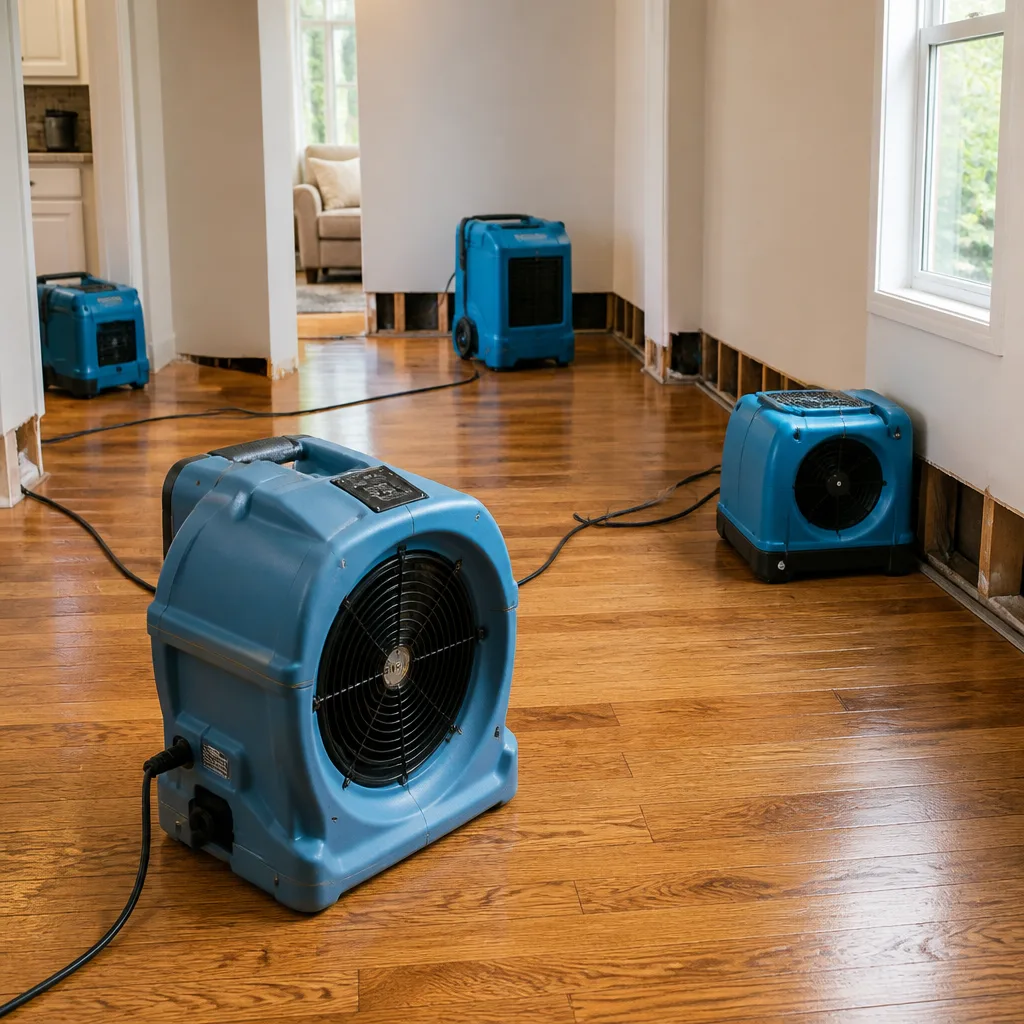
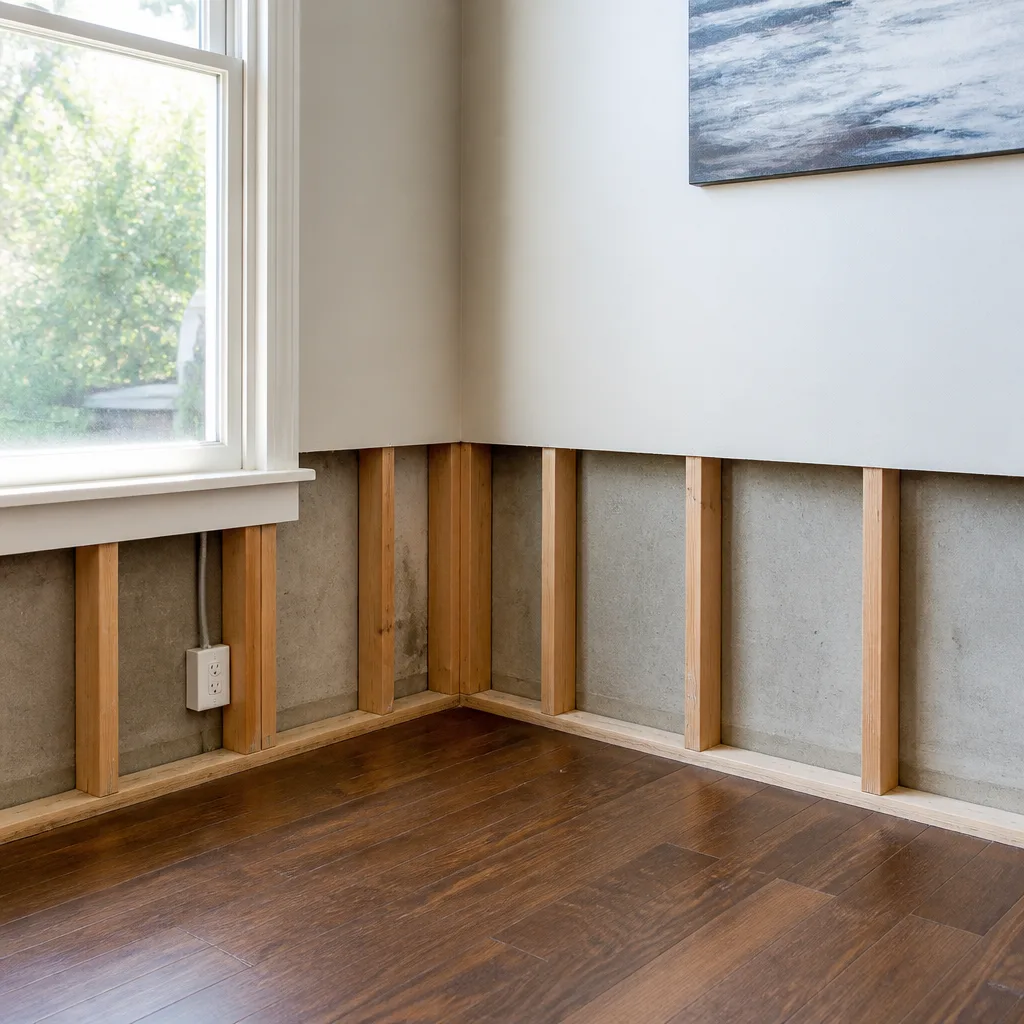
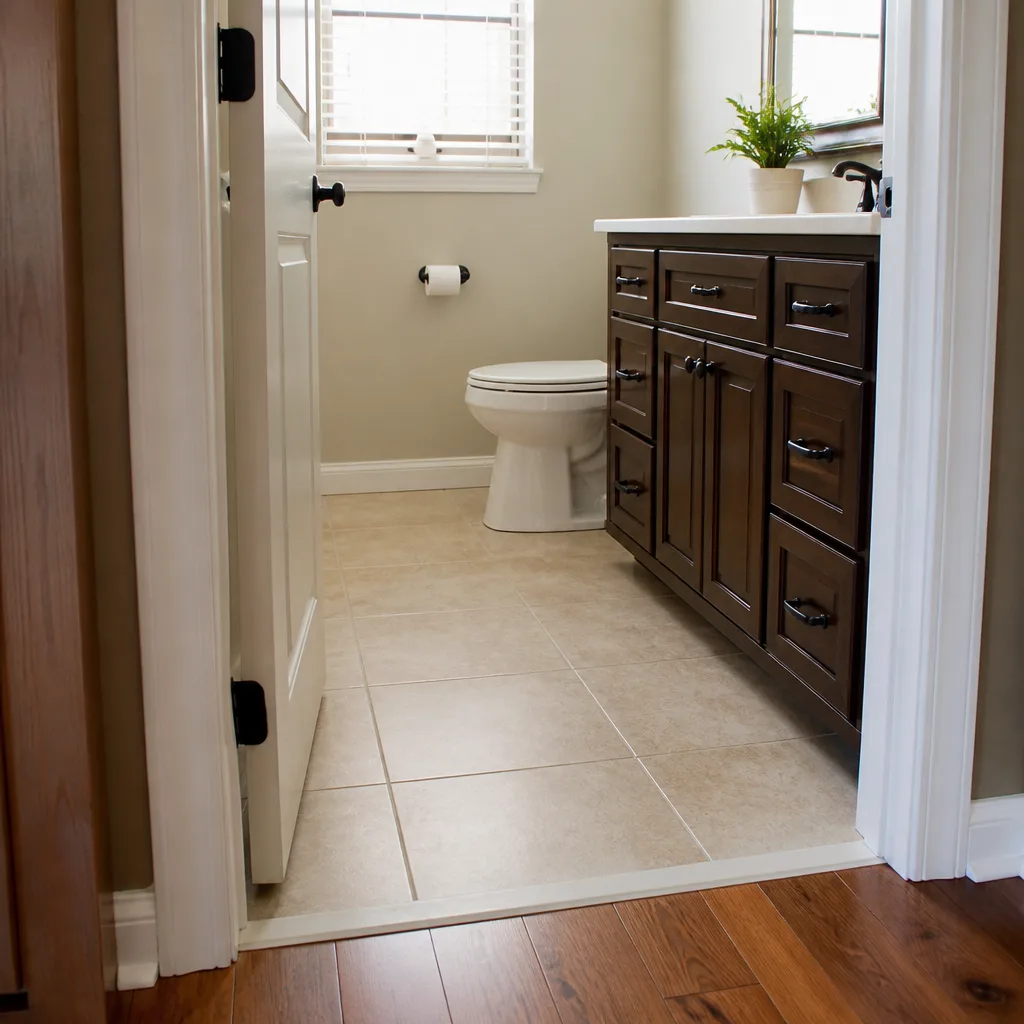

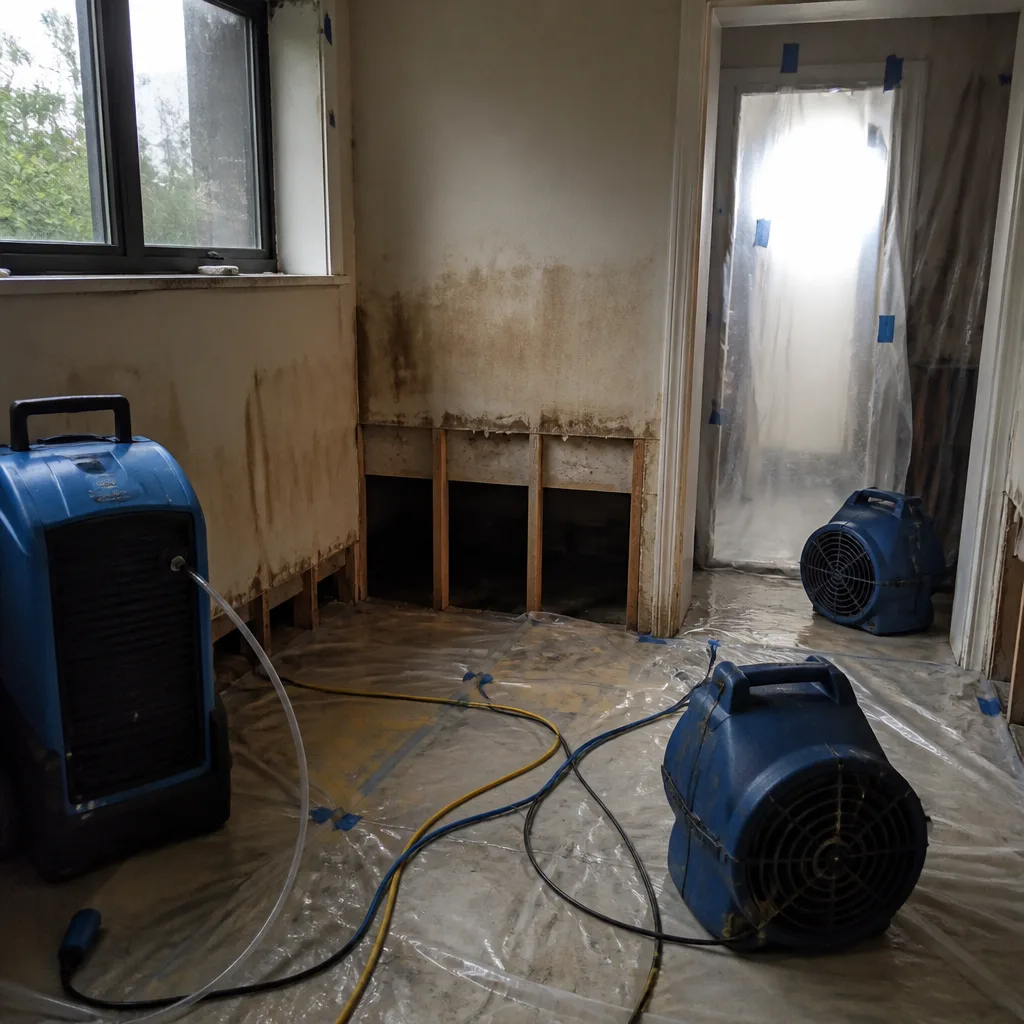 Before
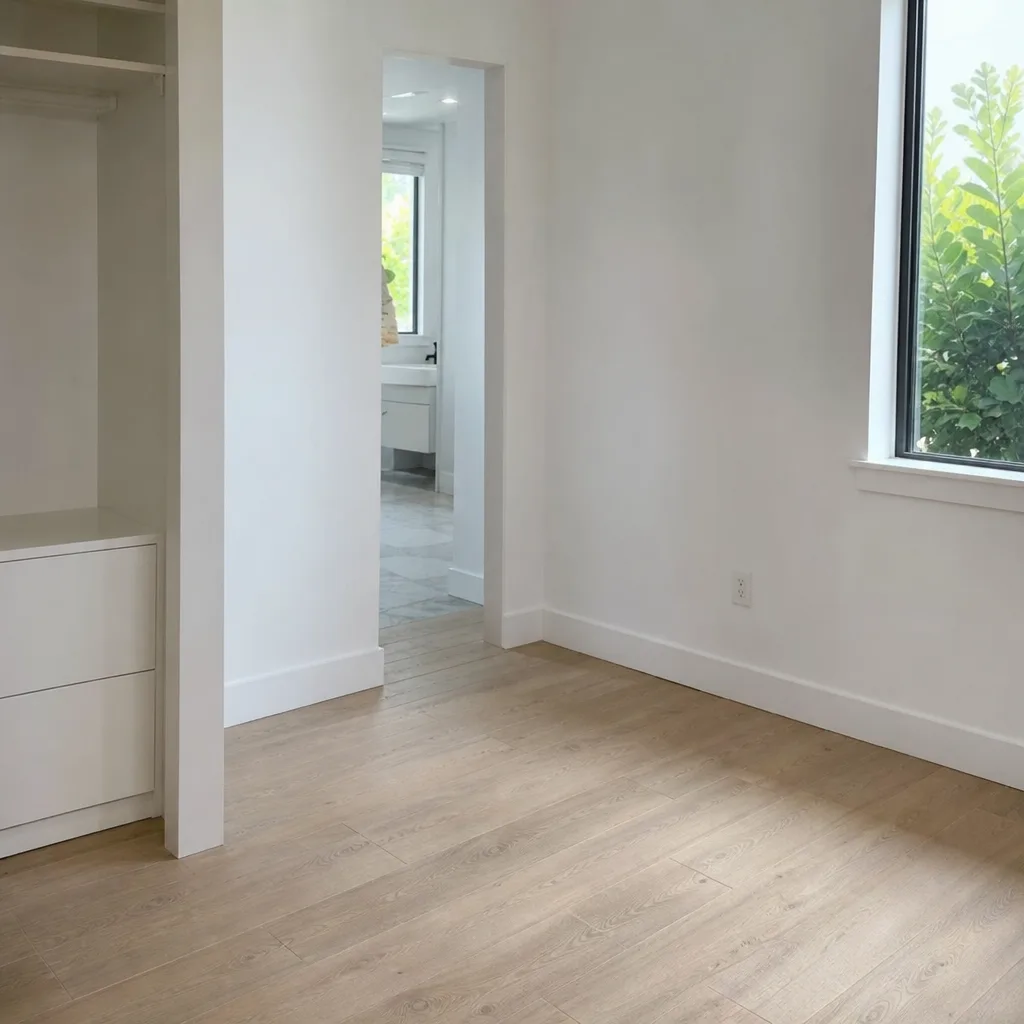 After
After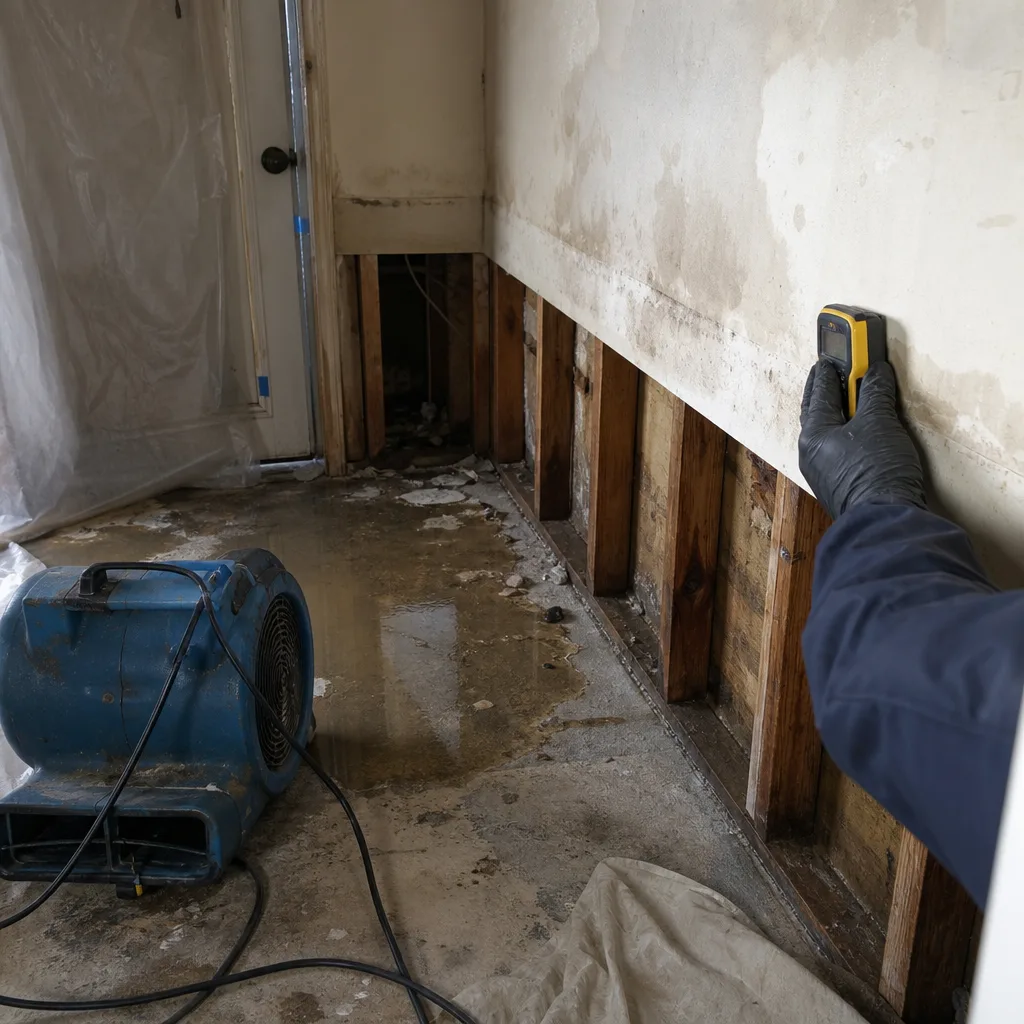 Before
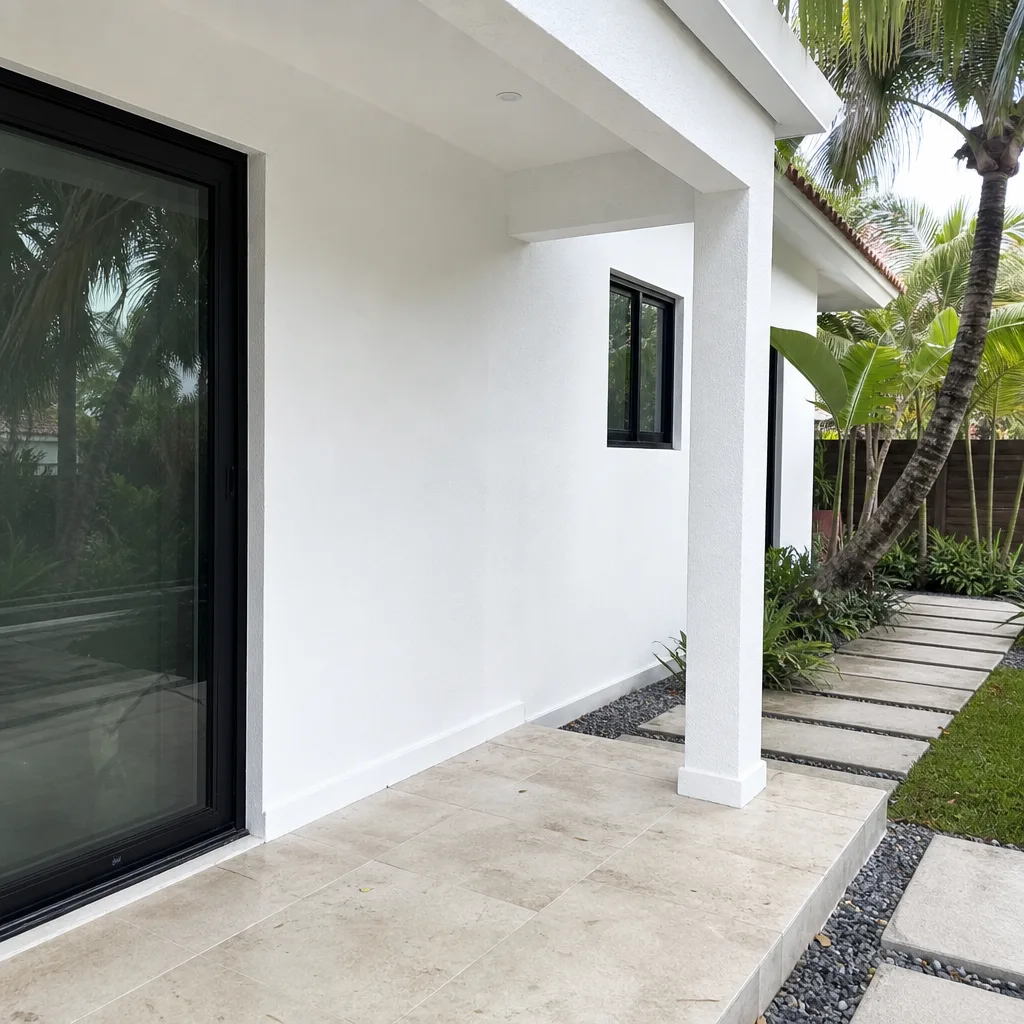 After
After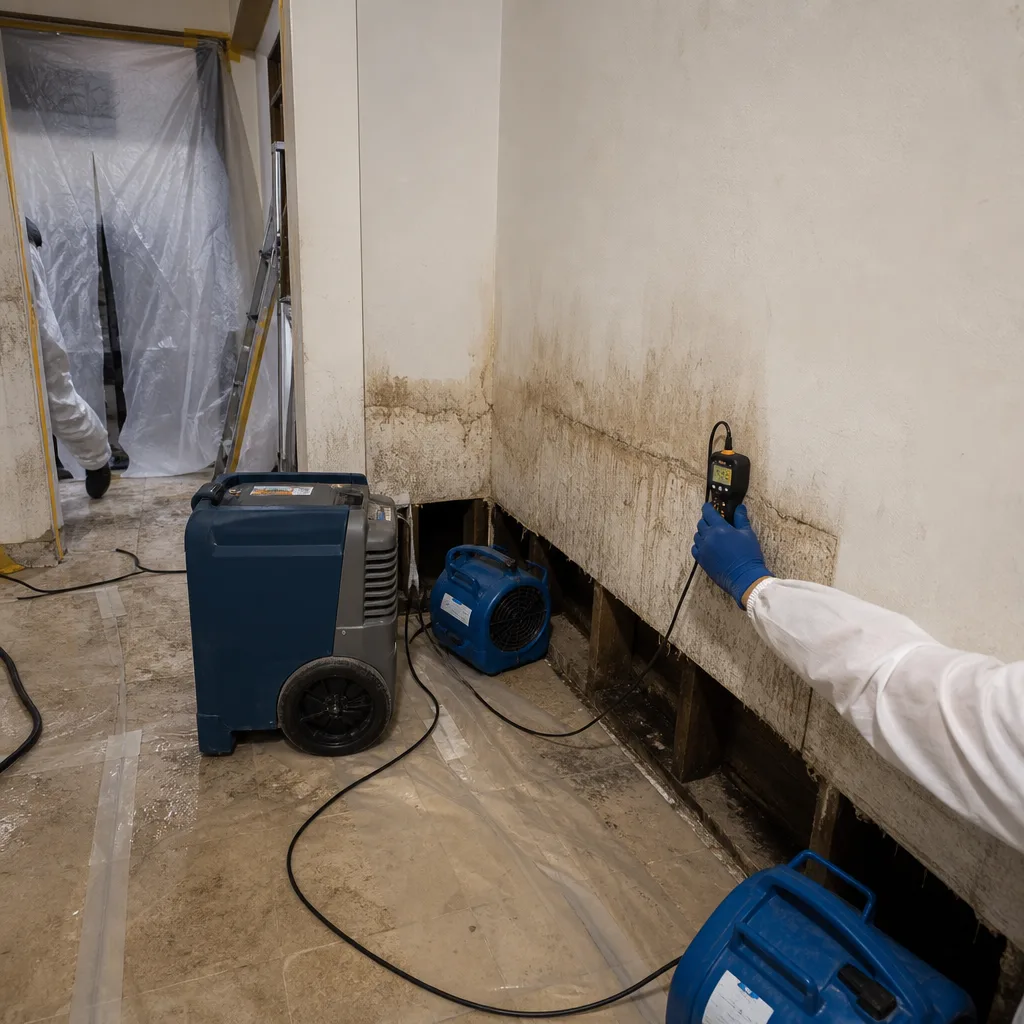 Before
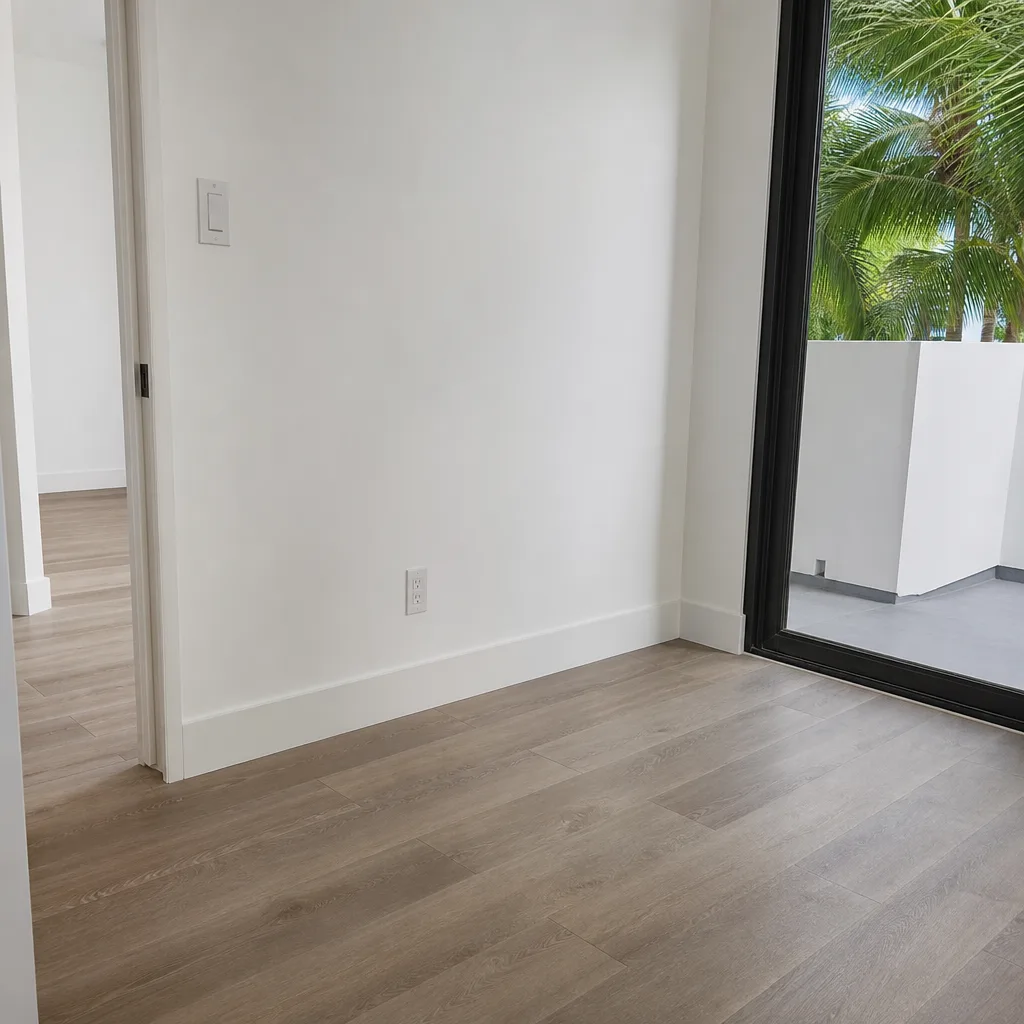 After
AfterDamage Restoration Permits, Codes & Inspections in FL: What You Need to Know
Replacing more than 50% of a roof covering in Miami-Dade without a permit doesn’t just risk a fine - it resets your home’s substantial improvement calculation under FEMA’s 50% Rule, which can force a full floodplain upgrade on a future renovation. We’ve seen this trap spring on homeowners who thought they were doing a straightforward insurance repair. In this guide, we’ll map the permit triggers that restoration work actually hits in Florida: the square-footage thresholds for drywall replacement, the structural opening rules for window and door restoration, when mold remediation crosses into demolition permits, and how to verify every permit and inspection on Miami-Dade’s iBuild portal so your insurance claim file is bulletproof.
Quick Answer
Most damage restoration work in Florida requires a permit when it involves structural elements, roof covering replacement exceeding 25% in a 12-month period, electrical or plumbing systems, or more than 200 square feet of drywall in Miami-Dade County. Unpermitted work can void insurance claims, trigger FEMA substantial improvement rules in Miami Beach flood zones, and leave homeowners liable for code-compliance costs under Florida Statute 553.84. For help deciding whether to tackle restoration yourself or hire a pro, see our DIY vs Professional Damage Restoration: The Miami Beach Homeowner’s Decision Guide. The safest path is to demand written proof of permits before work begins and to attach those records to your insurance file.
Table of Contents
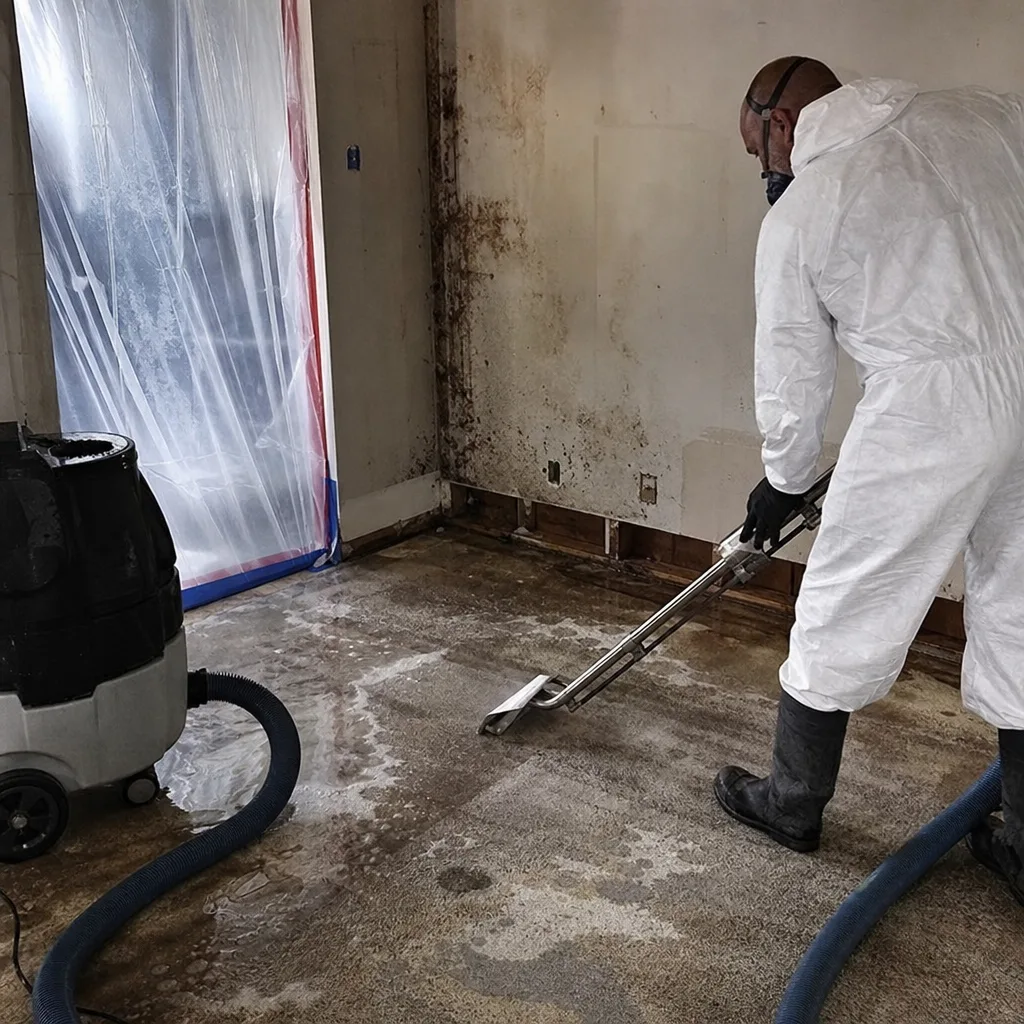
- Miami-Dade County Permit Triggers for Restoration Work
- FEMA’s 50% Rule and Miami Beach Flood Zones
- The Inspection Sequence for Permitted Water Damage Jobs
- Florida Homeowner Liability Under Statute 553.84
- Using Miami-Dade’s iBuild Portal for Permit Verification
- When Mold Remediation Requires a Demolition Permit
- Building Your Insurance Claim Documentation File
- Common Mistakes to Avoid
BeforeAfterMiami-Dade County Permit Triggers for Restoration Work
Miami-Dade’s building department draws sharper lines than most Florida counties between repair and alteration, and restoration contractors who don’t know those lines create liability that lands on the homeowner. Here are the thresholds that matter.
Drywall replacement: More than 200 square feet of drywall in any 12-month period requires a permit. This sounds generous until you measure a water-damaged living room with 9-foot ceilings - a 15-by-15 room with all four walls affected clears 270 square feet before you count the ceiling. In our work on Water Damage Restoration in Miami Beach, we routinely encounter jobs where the visible damage is 180 square feet but the moisture mapping reveals hidden saturation pushing the total past the threshold. We document the affected square footage with thermal imaging and moisture meters before any material comes down, so the homeowner knows whether a permit is triggered before we submit the written scope.
Roof covering: Replace more than 25% of the roof covering in any 12-month period and you need a permit. This is where the FEMA substantial improvement clock starts ticking, which we’ll cover in the next section. Miami-Dade enforces this aggressively after hurricane seasons, and we’ve seen homeowners surprised when their insurance-paid tarp-to-repair job from March, combined with a new damage claim in October, crosses the threshold.
Structural openings: Any restoration work that changes a window or door opening dimension - even to accommodate swollen framing from water damage - requires a permit. This catches contractors who want to “just enlarge it a few inches” rather than rebuild to the original specification. The county treats any modification to the rough opening as structural alteration.
Electrical and plumbing: Any work beyond direct replacement in kind. If a water heater replacement requires relocation due to flood damage, that’s a permit. If electrical outlets are moved above the new flood line, that’s a permit. The “like-for-like” exemption is narrow and often misapplied by restoration crews working fast.
Key permit triggers at a glance:
- Drywall: >200 sq ft in 12 months
- Roof covering: >25% in 12 months
- Structural openings: any dimensional change
- Electrical/plumbing: anything beyond exact replacement
- Load-bearing walls: any modification, period
We pull permits on every job that clears these thresholds, and we include the permit application number on the written scope before work begins. Haven Standard, Clause 1: written price before work begins - and that price includes permit costs, with no scope-creep additions once the crew is inside.
FEMA’s 50% Rule and Miami Beach Flood Zones
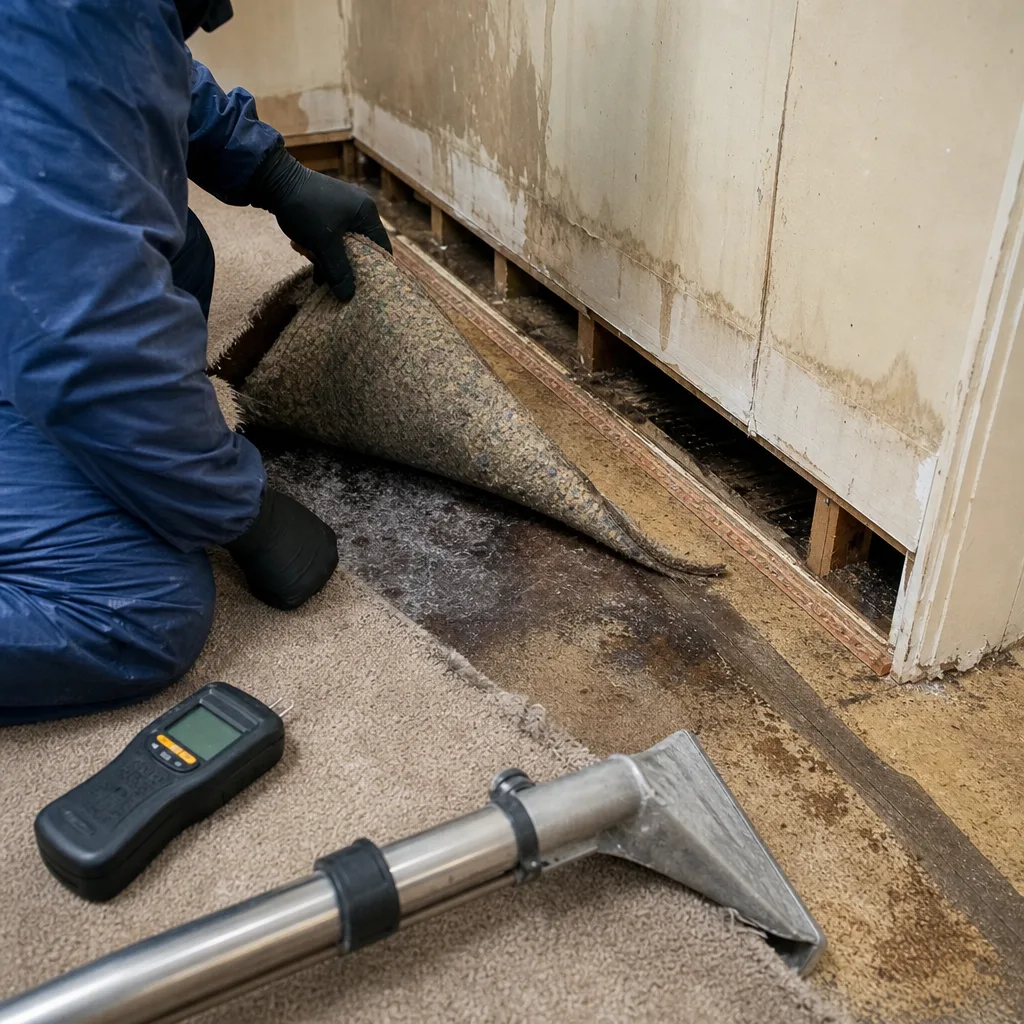
Miami Beach sits in one of Florida’s highest-risk flood zones, and FEMA’s Substantial Improvement Rule creates a hidden cost that can dwarf the original restoration bill. Here’s how it works, and why your contractor’s estimate needs to stay below the threshold or deliberately trigger a full compliance review.
The 50% Rule states that if the cost of improvements or repairs to a structure in a Special Flood Hazard Area equals or exceeds 50% of the structure’s market value, the entire building must be brought into full compliance with current floodplain management standards. Not the repaired portion. The entire building. In Miami Beach’s A and V zones, this can mean elevating the structure, filling below-grade spaces, or relocating mechanical systems - costs that start at six figures and climb fast.
The trap most homeowners miss: FEMA counts cumulative improvements over a defined period, typically 5 to 10 years depending on local ordinance interpretation. That permitted roof replacement from 2022, the kitchen remodel from 2023, and the water damage restoration from this year - all added together. Miami-Dade’s building department maintains the running tally, and an unpermitted job doesn’t escape notice; it simply lacks documentation, which creates worse problems at sale or claim time.
We’ve documented this specifically in our work. In 2019, we restored a flooded ground-floor condo in South Beach where the previous owner’s unpermitted 2017 bathroom renovation - never properly closed out - was discovered during our permit research. The cumulative total pushed the unit past the substantial improvement threshold. The current owner faced a $340,000 elevation requirement that the insurer disputed because the prior work lacked permits and inspection records. Our photo documentation and drying logs from the current job were admissible; the prior contractor’s verbal assurances were not. We cover how to avoid this scenario in How to Hire a Damage Restoration Contractor in Miami Beach: A Step-by-Step Guide.
How to protect yourself:
- Obtain a written market value appraisal of the structure (not the land) before any major restoration.
- Request a cumulative improvement history from Miami-Dade’s building department - this is public record.
- Ensure your restoration estimate is calculated with permits included, and that the permit application explicitly categorizes work as “repair” versus “improvement” where the distinction matters.
- If you’re near the threshold, consider phasing work across the FEMA lookback period’s boundary, with each phase fully permitted and inspected.
- Attach all permit records and inspection sign-offs to your insurance claim file as proof of code-compliant, categorized repair.
The 50% Rule isn’t a restoration contractor’s domain alone. It requires coordination with a qualified appraiser and often a floodplain specialist. We maintain relationships with both and can coordinate this review as part of our written scope process - no additional charge, because an uninformed estimate that triggers a $300,000 compliance bill serves no one.
The Inspection Sequence for Permitted Water Damage Jobs
A permitted water damage restoration in Miami-Dade follows a specific inspection sequence, and each visit produces documentation that belongs in your insurance file. Missing an inspection or failing to produce the sign-off at claim time can reduce your recoverable amount or void coverage for subsequent damage.
Step 1: Rough inspection
After demolition and before any new material goes in, the rough inspection verifies that damaged structural elements are properly removed, that remaining framing is sound, and that the work area is prepared to receive new materials. The inspector checks for hidden moisture - we provide our psychrometric data, which measures temperature, relative humidity, and vapor pressure differential (the force that drives moisture from wet materials into the air), to demonstrate that drying goals have been met before rebuild begins. Our drying logs from Dri-Eaz and Phoenix dehumidifiers, documented to IICRC S500 standards, are submitted with the inspection request.
Step 2: Framing inspection
New structural framing, including pressure-treated lumber replacement in flood-prone Miami Beach properties, is inspected for grade stamp compliance, fastener schedule adherence, and connection hardware. Miami-Dade requires hurricane clips and tie-downs that exceed Florida Building Code minimums in wind-borne debris regions. We photograph every connection before the inspector arrives - these photos become part of your permanent record.
Step 3: Insulation and mechanical inspection
Insulation type and installation method are verified, along with any relocated or replaced HVAC ductwork. In Miami Beach’s humid climate, vapor barrier placement is critical - wrong-side placement traps moisture and creates mold conditions within 18 months. We use closed-cell spray foam in below-grade applications per manufacturer specification, and we document the installed R-value with photos of the insulation label.
Step 4: Final inspection
The final inspection confirms that all prior deficiencies were corrected, that finished materials match approved plans, and that the work area is complete and safe. The inspector issues a Certificate of Completion or Certificate of Occupancy, depending on the scope. This document is required for your insurance company’s final payment and for any future property sale.
What your file should contain from each visit:
- Inspection request date and permit number
- Inspector name and badge number
- Pass/fail status with any correction notices
- Re-inspection dates if required
- Final Certificate of Completion
- Our photo record from each phase, cross-referenced to inspection dates
We deliver this compiled file to every homeowner at job completion, organized by date and inspection type. It’s the documentation that turns a restoration invoice into a claim an insurer pays without a fight - the reason DryMark Restoration Miami Beach home was built around the documentation gap that costs homeowners their claims.
Florida Homeowner Liability Under Statute 553.84
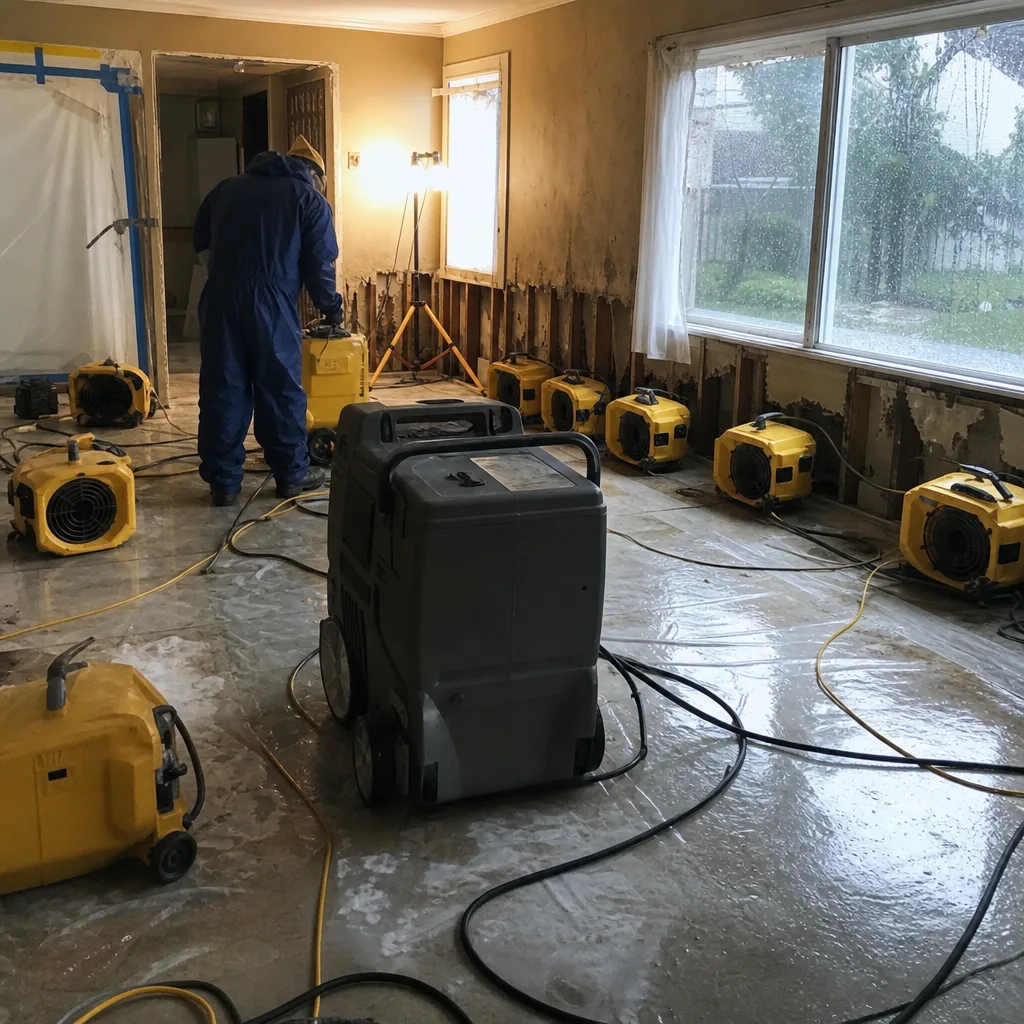
Florida Statute 553.84 places code-compliance liability squarely on the property owner when work is performed without required permits. The statute reads that “it shall be unlawful for any person to construct, erect, alter, modify, repair, or demolish any building” without complying with the Florida Building Code, and violations are “punishable as provided in this part.” The critical word is “person” - in Florida construction law, this means the property owner, not the contractor who performed the work.
This creates a dangerous asymmetry. Your restoration contractor skips the permit to save a week. The work passes visual inspection. Two years later, you sell the property, and the buyer’s inspector discovers the unpermitted electrical relocation. Or worse - a subsequent water damage claim reveals that the prior unpermitted drywall replacement concealed ongoing moisture intrusion, and your insurer denies coverage for “failure to maintain” because the repair was never code-verified. Learn the warning signs to watch for in Damage Restoration Warning Signs: A Miami Beach Homeowner’s Reference Guide.
In Miami Beach’s high-turnover condo market, we’ve seen this scenario repeatedly. A unit sells, the new owner’s insurer orders a pre-policy inspection, and unpermitted restoration work from three years prior surfaces in the building department’s records - or worse, doesn’t surface because it was never recorded. The new owner demands remediation. The prior contractor is out of business. The seller, that’s you, holds the liability.
The statute provides limited relief: if you can prove the contractor expressly misrepresented that permits were obtained, you may have a civil claim. But that requires documentation you probably don’t have, against a contractor who may be judgment-proof. The practical protection is to verify permit status yourself before paying final invoice, and to withhold final payment until the Certificate of Completion is issued.
Our process: we pull permits in our company name as the licensed contractor, we schedule inspections, and we deliver the signed Certificate of Completion before final invoice. The permit number appears on your written scope. You can verify it on iBuild before we start, during the job, and after completion. Haven Standard, Clause 1 means no surprises; this means no hidden liability.
Using Miami-Dade’s iBuild Portal for Permit Verification
Miami-Dade’s iBuild portal is the public-facing interface for all building permits, inspections, and code enforcement records. Knowing how to use it - and what to look for - gives homeowners a verification tool that most never use until there’s a problem.
How to search:
- Navigate to the iBuild portal and select “Permit Search” from the main menu.
- Search by property address, folio number, or permit number. The folio number is most reliable - it’s the unique identifier on your property tax bill and doesn’t change with street addressing variations.
- Review active permits for your address. A properly initiated restoration permit should appear within 2 business days of application.
- Click through to the permit detail page to view the scope of work, contractor name, and application date.
- Select “Inspections” to see the inspection schedule, results, and any correction notices.
What to verify at each stage:
Before work begins: confirm the permit status is “Issued,” not “Pending Review” or “Plan Review.” A contractor who starts work on a pending permit is working without valid authorization. The scope of work description should match your written estimate - if the permit says “drywall repair, 150 sq ft” and your estimate calls for 300 sq ft, that’s a mismatch that needs explanation.
During work: check that inspection results post within 24 hours of the scheduled date. A “Not Ready” or “Failed” result isn’t necessarily alarming - it often means materials weren’t on site or access was blocked - but it should be followed by a re-inspection within 48 hours. Multiple failed inspections for the same deficiency suggest contractor competence issues.
At completion: the final inspection should show “Passed” and the permit status should change to “Closed” or “Completed.” Request the PDF of the Certificate of Completion from your contractor and compare it to the portal record. Discrepancies are rare but not unknown, and they’re much easier to resolve before you sell or file a subsequent claim.
Attaching records to your insurance file:
Download the complete permit history as a PDF from iBuild - this is free and available to anyone. Combine it with our photo record, drying logs, and written scope into a single folder. Email this to your adjuster with a cover note referencing the claim number. Most insurers won’t request this proactively, but providing it demonstrates code compliance and accelerates payment. In our experience, documented files settle 30% faster than those with verbal assurances alone.
For properties in Miami Beach’s historic districts or special zoning overlays, iBuild also links to the Historic Preservation Board’s approval records. Restoration work on designated structures requires HPA clearance before building permits issue - a separate timeline that contractors unfamiliar with Miami Beach routinely underestimate.
When Mold Remediation Requires a Demolition Permit
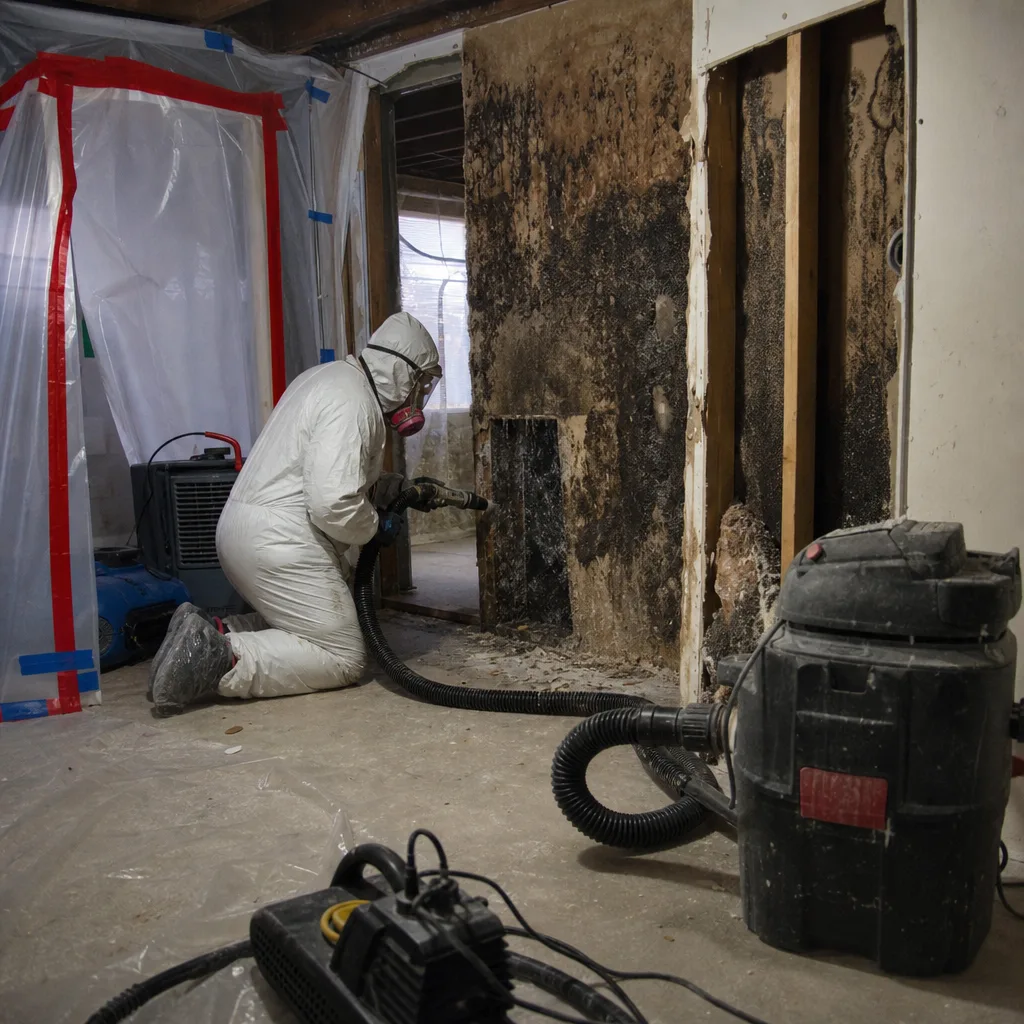
Mold remediation occupies a gray zone in Miami-Dade’s permitting framework. Cleaning surface mold on intact drywall is typically unpermitted maintenance. But the moment remediation involves removing structural elements - drywall, insulation, subflooring, ceiling assemblies - the permit threshold may apply, and contractors who treat all mold work as maintenance create the same liability as unpermitted water damage repairs.
The trigger is demolition, not mold presence. Remove more than 200 square feet of drywall during mold remediation and you’ve crossed into the same permit territory as water damage restoration. Remove load-bearing elements to access hidden mold colonies and you’ve triggered structural permitting regardless of square footage. In Miami Beach’s older buildings, particularly the 1950s-1970s concrete block construction common in Mid-Beach and North Beach, mold frequently colonizes the cavity between block and furring strips. Accessing this requires removal of the interior finish system - a demolition permit event.
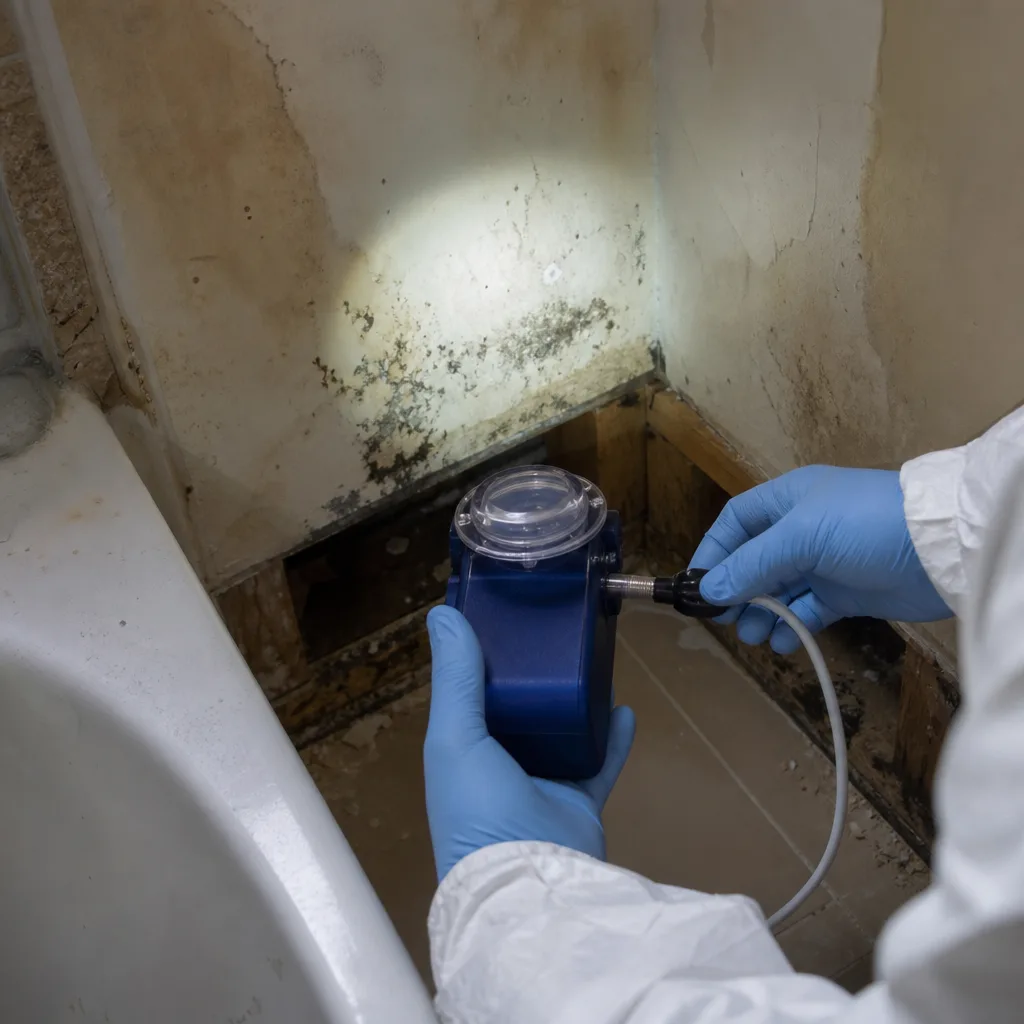
We’ve documented mold jobs where the visible surface area was 40 square feet of bathroom drywall, but cavity inspection with boroscope cameras revealed extensive colonization in the interstitial space. The remediation scope expanded to 600 square feet of interior finish removal, full cavity drying with Injectidry negative air pressure systems, and replacement with moisture-resistant cement board. Without proper permitting, this work would have been uninspected, unrecorded, and potentially non-compliant with Miami-Dade’s post-remediation clearance requirements.
Miami-Dade’s post-remediation clearance standard:
The county references but does not fully adopt EPA or NYC mold guidelines. Instead, restoration contractors work to IICRC S520 Standard for Professional Mold Remediation, which we document on every job. The standard requires: containment of the work area with negative air pressure, HEPA filtration, proper personal protective equipment, and post-remediation verification by an independent party. We include this verification in our written scope and deliver the clearance report with our photo record.
One specific Miami Beach consideration: buildings within 1,000 feet of the Atlantic or Biscayne Bay experience salt-laden air that accelerates metal corrosion in wall cavities. Mold in these buildings often accompanies or follows galvanic corrosion of steel studs and fasteners. Our remediation scopes in these zones include corrosion assessment and replacement specifications, documented with photos of the affected metal components. This level of specificity is what separates a proper Miami Beach mold remediation from a generic cleaning.
Mold Remediation in Miami Beach requires this granular approach because the building science of coastal Florida differs fundamentally from inland climates. The permit and inspection framework exists to verify that difference is respected.
Building Your Insurance Claim Documentation File
The documentation file you assemble during restoration determines whether your insurer pays promptly, disputes line items, or denies portions of the claim. We’ve built our company around closing the documentation gap that costs homeowners their claims, and this section details exactly what that file contains.
The core documents:
- Written scope of work with line-item pricing, signed before work begins (Haven Standard, Clause 1)
- Permit application and all inspection records from iBuild
- Daily drying logs with psychrometric data from Dri-Eaz, Phoenix, and B-Air equipment
- Photo record from every visit: wide shots, detail shots, moisture meter readings with date stamps
- Material invoices with product specifications (insulation R-value, drywall type, paint VOC content)
- Certificate of Completion from final inspection
- 365-Day Done Right Promise, signed and dated
How we produce this:
Our technicians arrive with tablets running documentation software that timestamps every photo and syncs to cloud storage. Moisture readings from Protimeter and Delmhorst meters are photographed in place, showing the reading, the location, and the surrounding context. We don’t delete blurry photos - we retake them, because an insurer’s desk adjuster can’t interpret what we meant to show.
Drying logs record equipment placement by serial number, runtime hours, and daily psychrometric calculations. Vapor pressure differential - the difference between the vapor pressure in the affected material and the vapor pressure in the surrounding air - tells us when drying is complete, not just when the surface feels dry. We document to IICRC, RIA, and IFA standards because these are the reference points insurers recognize when evaluating technical claims.
Direct adjuster coordination:
We provide our documentation package directly to your adjuster, with your authorization, in the format their desk prefers - typically Xactimate-compatible line items with photo attachments. We don’t wait for the adjuster to request information; we deliver it proactively after each inspection milestone. This approach has proven particularly effective with out-of-state adjusters assigned after hurricane events, who may be unfamiliar with Miami-Dade’s specific code requirements.
The file we deliver at job completion is organized chronologically and by inspection phase. You receive it in physical and digital form. Keep both. The physical copy is your backup if digital records are lost; the digital copy is searchable and shareable. Store the digital copy in cloud storage with your other property records, and update it if you perform subsequent work.
Common Mistakes to Avoid
- Accepting verbal permit assurances. A contractor who says “we’ll pull it tomorrow” and starts demolition today is creating liability you will own. Verify the permit is issued on iBuild before any work begins.
- Ignoring cumulative improvement tracking. Homeowners who don’t request their property’s improvement history from Miami-Dade may unknowingly approach FEMA’s 50% threshold. The request is free and takes 10 minutes.
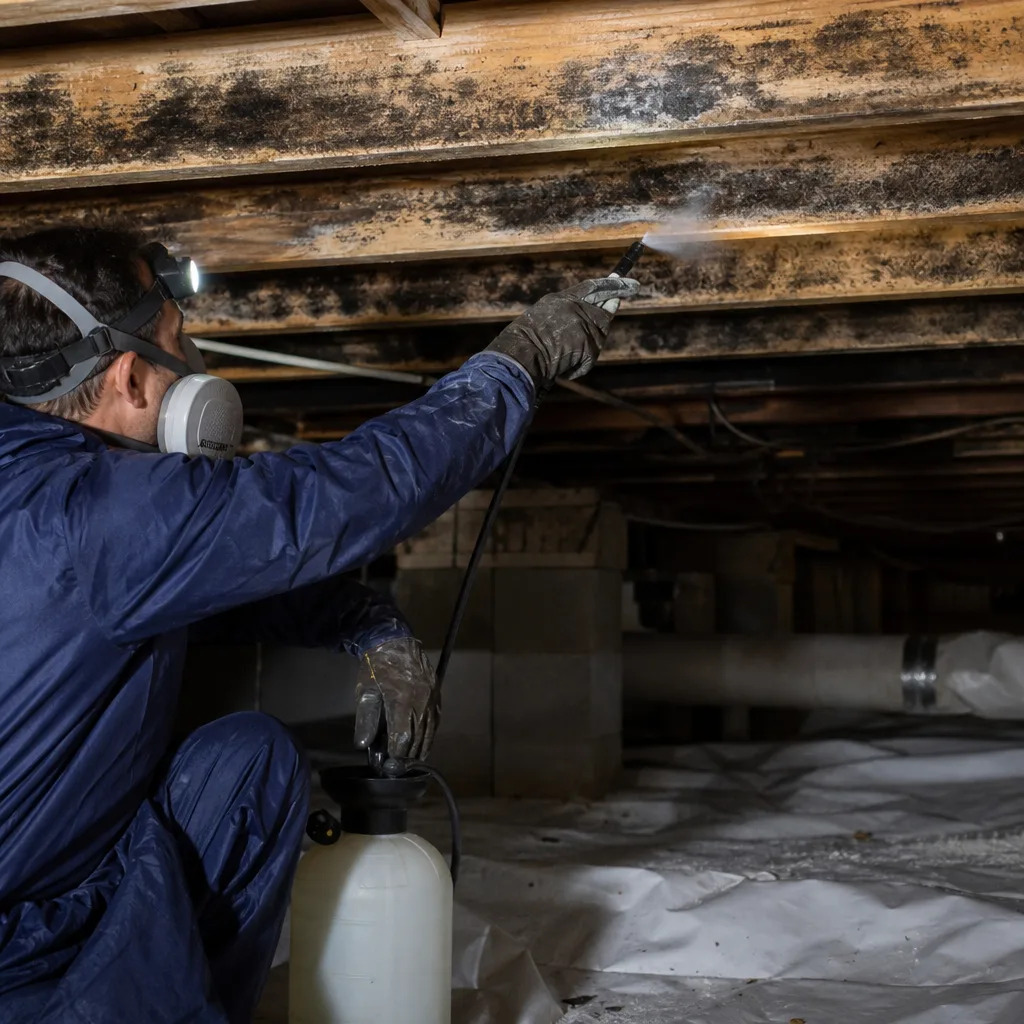
- Treating mold remediation as maintenance. In Miami Beach’s humidity, mold quickly involves structural materials. Demolition without permits voids the documentation chain your insurer needs.
- Paying final invoice before Certificate of Completion. Florida law doesn’t require contractors to deliver this before payment, but your leverage disappears once they’re paid. Structure payment milestones around inspection passes.
- Failing to document pre-existing conditions. Before any restoration work, photograph undamaged areas, serial numbers of equipment being removed, and the full extent of visible damage. These photos protect against scope disputes.
- Using unlicensed contractors for emergency tarping. Emergency services don’t require permits, but the same contractor often transitions to permanent repair. Verify their license status separately for each phase - a valid emergency services registration doesn’t equal a building contractor’s license.
- Neglecting to attach permit records to insurance files. Insurers don’t automatically check building department records. Proactive documentation submission accelerates payment and reduces disputes.
When to Call a Professional
Call a licensed restoration contractor before you sign any insurance settlement that includes repair work, if your damage involves structural elements or exceeds 200 square feet of material replacement, if you’re in a Miami Beach flood zone and the estimate approaches 30% of your structure’s value, or if you’ve received conflicting permit advice from multiple contractors. For more guides & resources, visit our blog. The cost of a professional assessment is minimal against the cost of unpermitted work that voids coverage or triggers FEMA compliance.
DryMark Restoration Miami Beach offers free estimates in Miami Beach - call (786) 384-5591. Every estimate includes a permit needs assessment, a written price before work begins, and a documentation plan for your insurance file. We also provide a Free Second Opinion on any competitor’s written estimate - bring their quote and we’ll review it at no charge, including their permit and inspection planning.
Frequently Asked Questions
Yes, if the replacement exceeds 200 square feet in any 12-month period in Miami-Dade County. A single 15-by-15 room with 9-foot ceilings exceeds this threshold. We measure affected square footage with moisture mapping before demolition so you know the permit status before work begins. Call (786) 384-5591 for a free estimate that includes permit cost - estimates are free.
Most policies exclude coverage for work that violates applicable building codes, which includes unpermitted work that should have been permitted. Even if the initial claim is paid, subsequent damage related to the unpermitted repair may be denied as “failure to maintain.” The safest path is to permit all work that requires it and attach those records to your claim file. We handle permit coordination as standard on every job.
Our live dispatch answers every call 24 hours a day, 7 days a week - no voicemail trees, no next-business-day callbacks while water is still moving. Emergency mitigation crews deploy immediately to stop damage spread. Permanent repair work is then scoped, permitted, and scheduled with a written price before work begins. Speed belongs to mitigation; reconstruction follows the proper sequence.
Search Miami-Dade’s iBuild portal by your property’s folio number or address. The permit should show “Issued” status before work begins, with inspection results posting within 24 hours of each scheduled visit. We provide the permit number on your written scope and encourage verification at any time. If a contractor won’t give you the permit number, that’s a signal to pause the job.
If cumulative improvements and repairs reach 50% of your structure’s market value in a Special Flood Hazard Area, the entire building must be brought to current floodplain standards. This can mean elevation, fill, or mechanical relocation costing six figures or more. We coordinate with appraisers and floodplain specialists when estimates approach 30% of structure value, so you enter the work with eyes open. Prevention through planning is far less expensive than compliance after the fact.
No - surface cleaning on intact materials typically doesn’t. But remediation that removes structural elements, including drywall, insulation, or subflooring, crosses into permit territory at the same thresholds as water damage repair. We assess mold jobs with boroscope cameras before quoting to determine whether demolition is required, and we include permit needs in every written scope. Our post-remediation clearance documentation meets IICRC S520 standards.
We do, with your authorization. Our documentation package - photo record, drying logs, material specifications, and permit records - is formatted for direct adjuster submission. We coordinate inspection timing, answer technical questions, and provide supplemental documentation for disputed line items. This service is included on every job, because documentation that sits in a file drawer doesn’t accelerate payment.
The Bottom Line
Florida’s permit framework for restoration work is more granular than most homeowners expect, and the consequences of non-compliance - voided insurance, FEMA substantial improvement triggers, and personal liability under Statute 553.84 - fall on the property owner, not the contractor who skipped the paperwork. In Miami Beach’s flood zones and high-value market, these risks are amplified. The protection is systematic: verify permit needs before work begins, confirm issuance on iBuild, attend to inspection sequencing, and compile documentation into an insurance file that proves code-compliant repair. We built our company around this discipline because we’ve seen what sloppy documentation costs. Every job we perform includes a written price before work begins, a photo record on every visit, and the 365-Day Done Right Promise backed by The Haven Standard. The documentation gap is real. It is also closeable.
Written by Alicia Brennan, Owner at DryMark Restoration Miami Beach, serving Miami Beach since 2011.