
Last updated September 23, 2026
Free visual inspection and a written scope of work before any mitigation begins - photos, moisture readings, and drying logs go in your claim file
The scope we write is the scope we bill. Anything new gets shown to you, in writing, before we touch it.
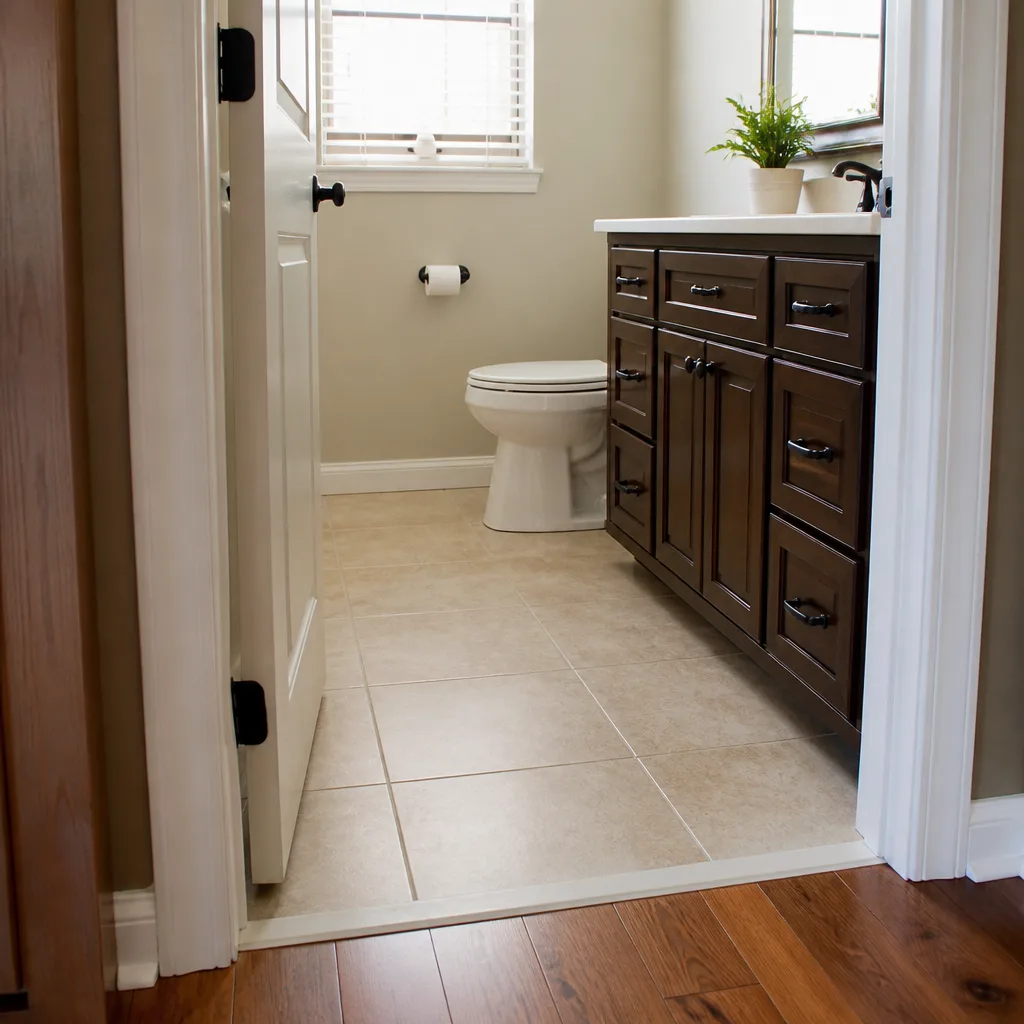
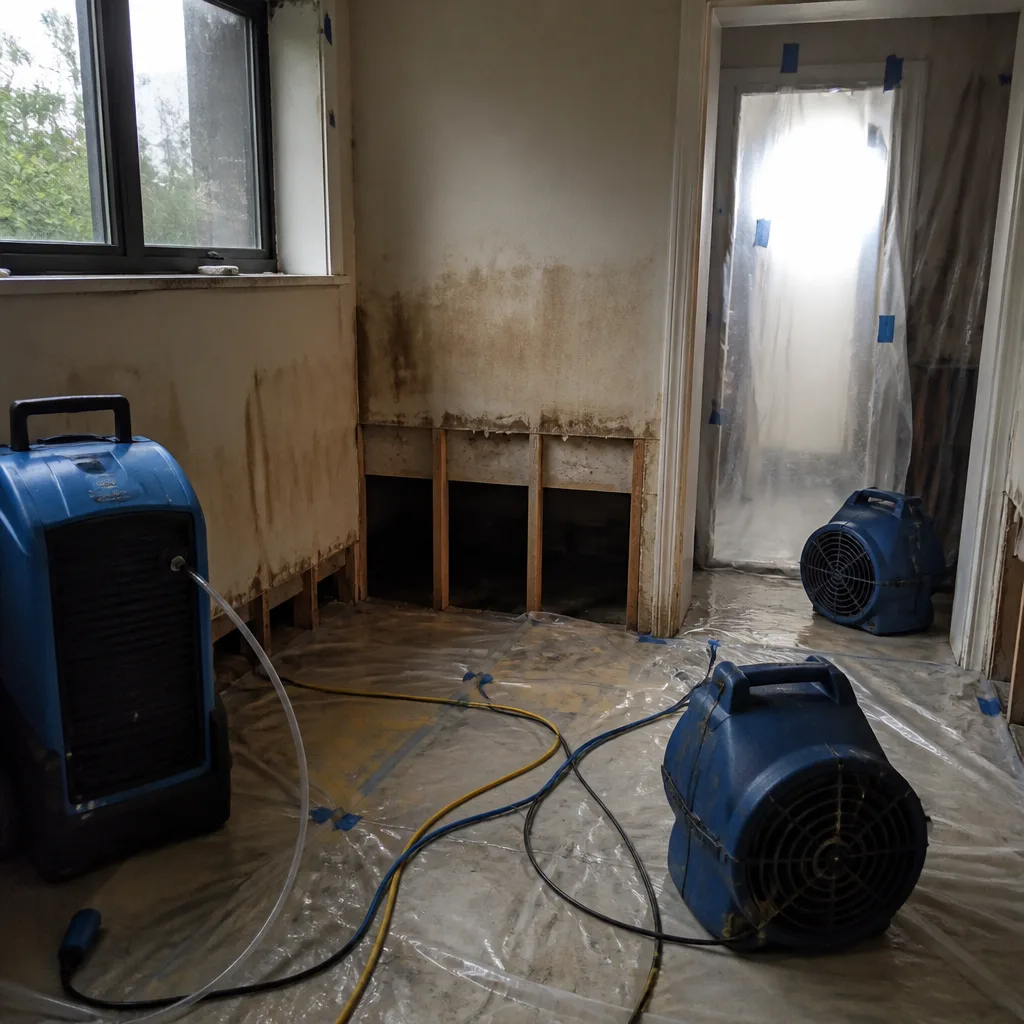 Before
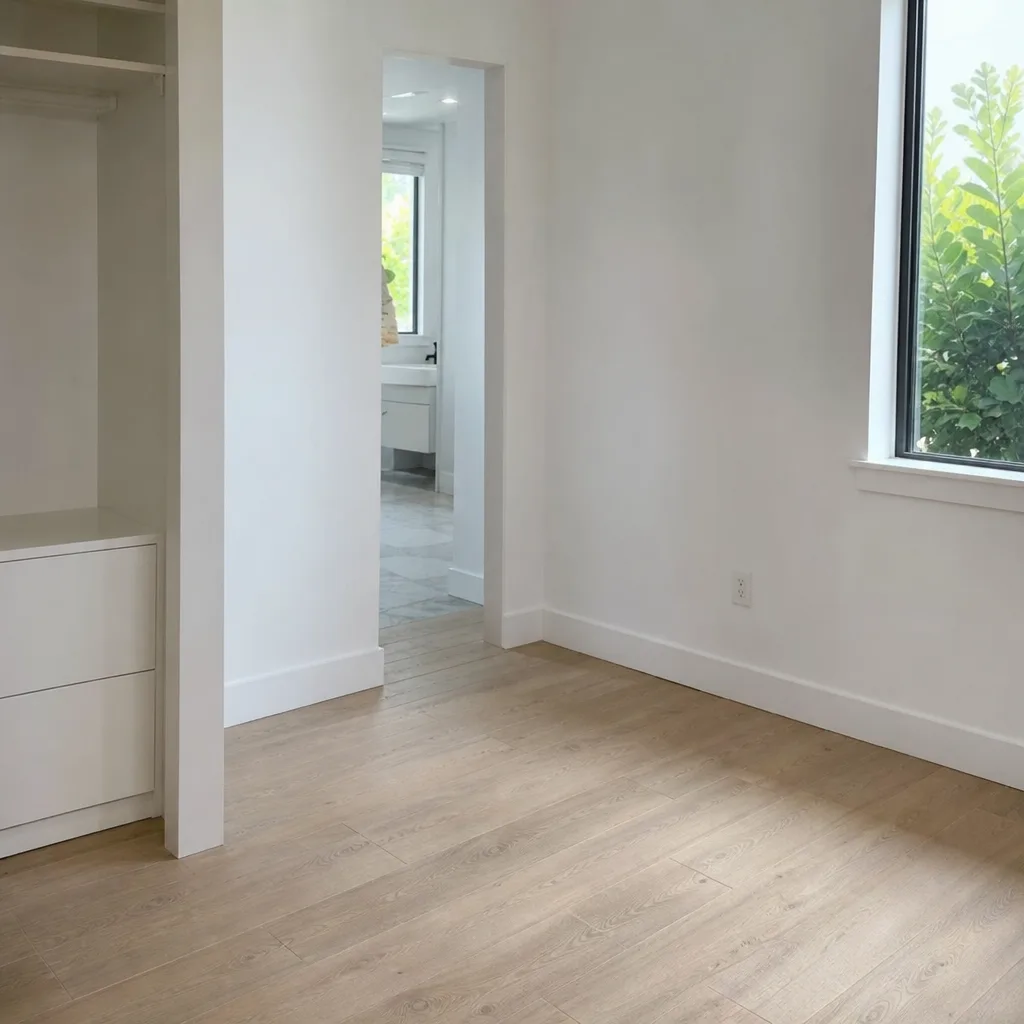 After
After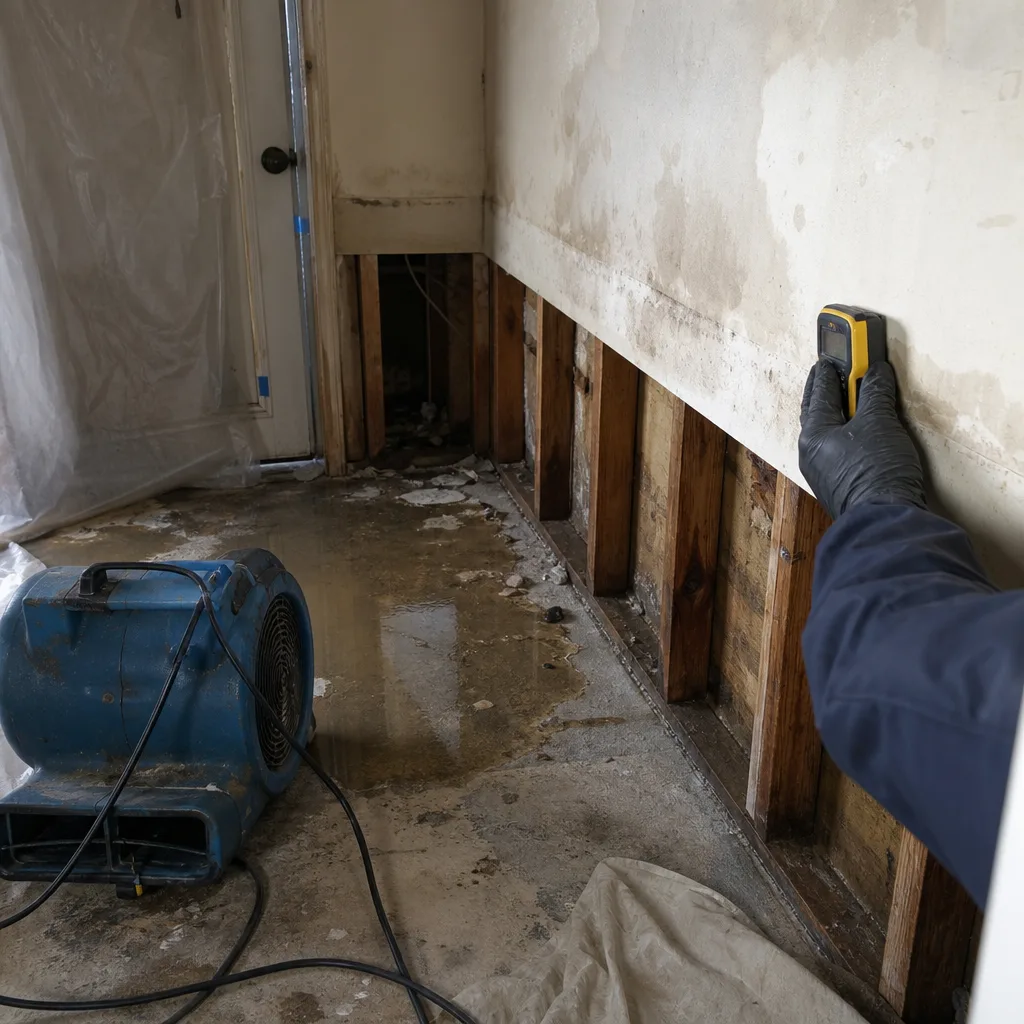 Before
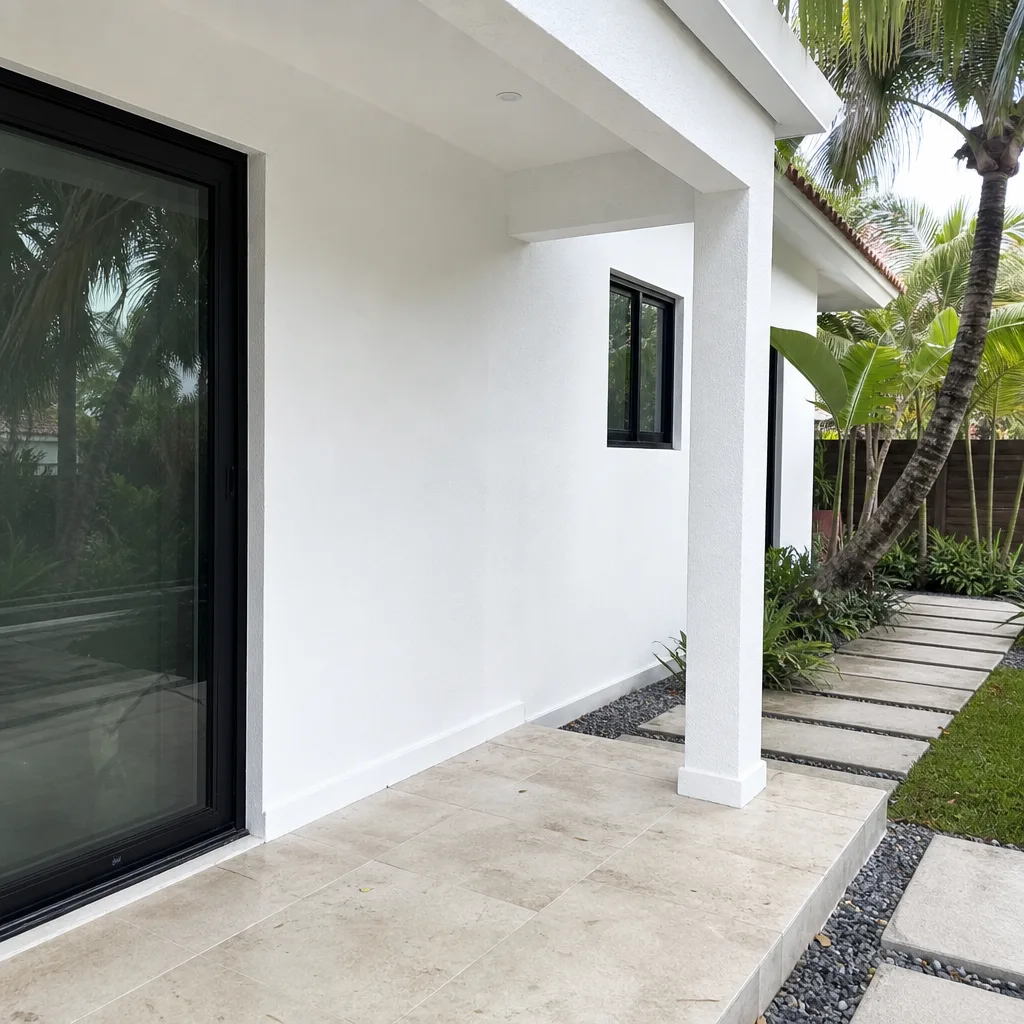 After
After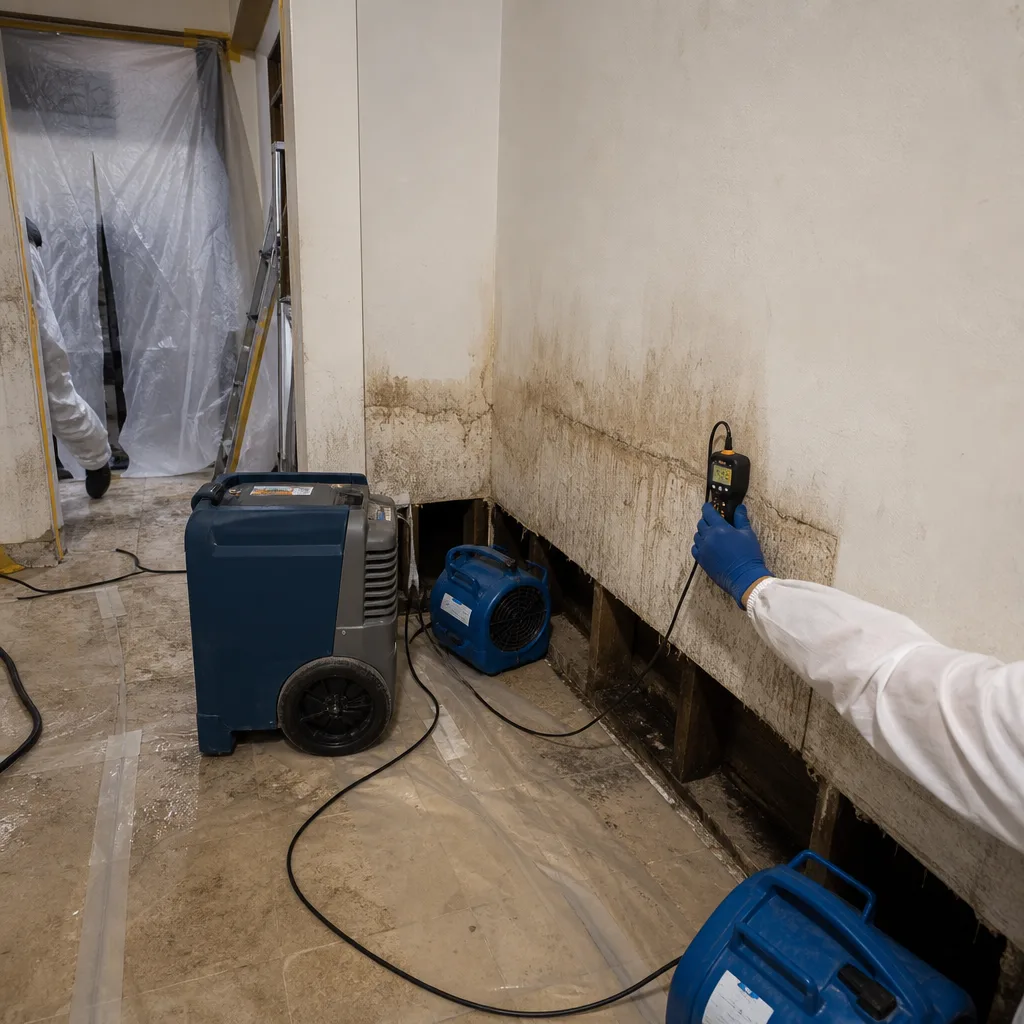 Before
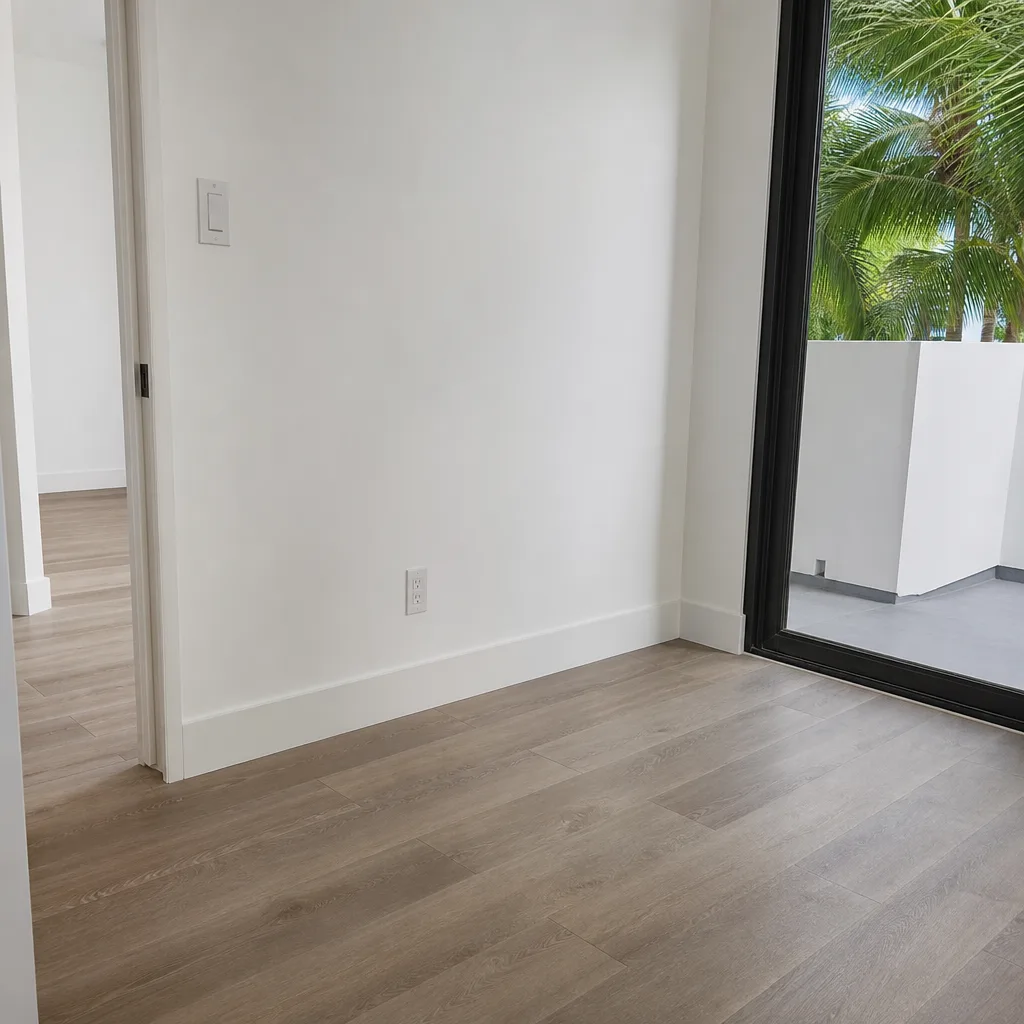 After
AfterThe Complete Guide to Damage Restoration in Miami Beach
In Miami Beach, a water damage call arrives with a hidden clause: the job isn’t done when the drywall looks dry. It’s done when the documentation proves it. We’ve restored over 12,000 homes since 2011, and the claims that paid without dispute were the ones where every moisture reading, every photo, and every written approval lived in a file an adjuster could follow from first call to final sign-off. Miami Beach’s salt air, high water table, and tourism-driven rental economy create restoration conditions that mainland Florida playbooks simply don’t address. This guide walks through what actually happens during professional damage restoration here-drawing on our Damage Restoration Warning Signs: A Miami Beach Homeowner’s Reference Guide-why documentation matters more than speed, and how to protect yourself from the liability that follows an undocumented job.
Quick Answer
Professional damage restoration in Miami Beach is a documented sequence of mitigation, drying, remediation, and reconstruction, governed by IICRC standards and shaped by local conditions including salt-air corrosion, SFWMD flood zone requirements, and short-term rental disclosure rules. A properly documented restoration produces a written scope before work begins, photo records on every visit, daily moisture logs, and a final inspection package that insurers and Miami-Dade building officials accept without dispute. The difference between a paid claim and a denied one is rarely the quality of the drying; it’s the quality of the paperwork.
Table of Contents
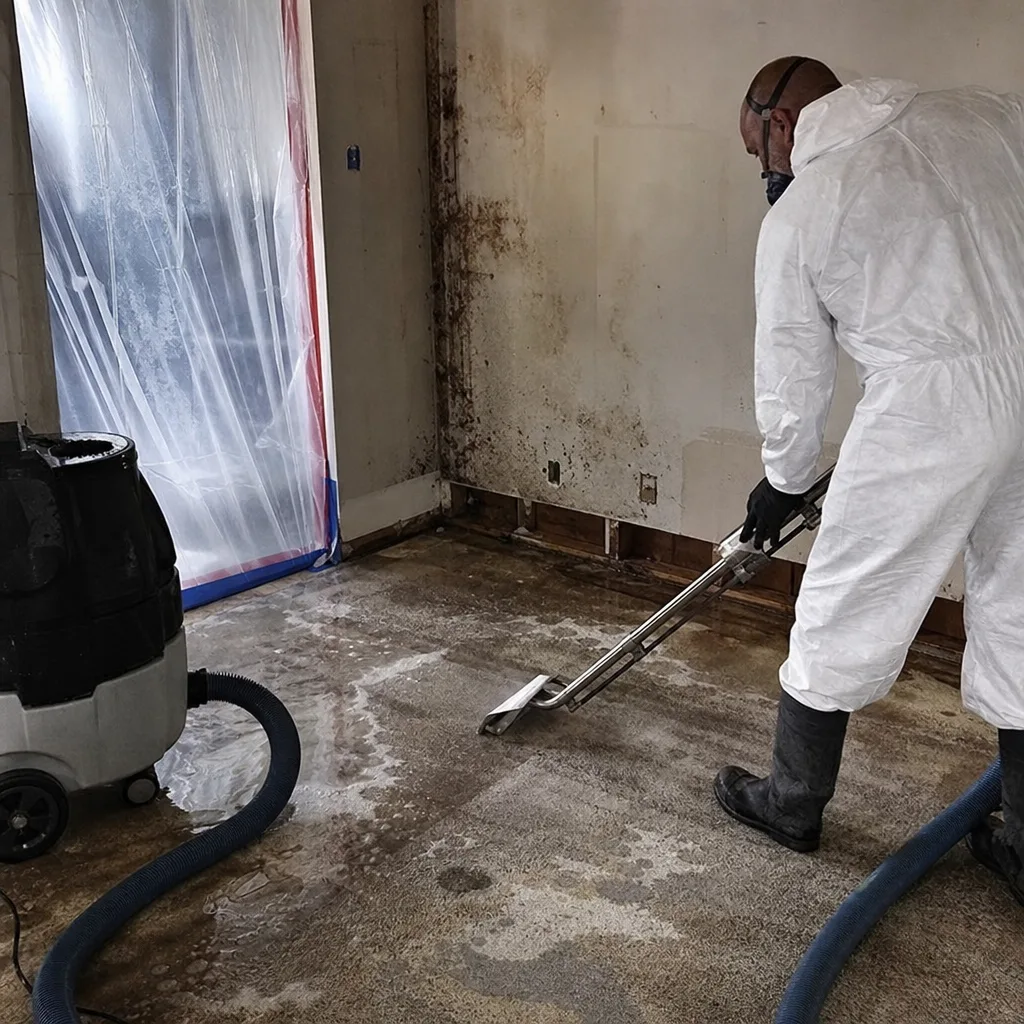
- Why Miami Beach Restoration Is Different
- The Documentation Chain: From First Call to Final Sign-Off
- Water Damage Restoration in Miami Beach
- Mold Remediation and Salt-Air Considerations
- Fire and Smoke Damage Restoration
- Storm, Disaster, and Flood Restoration
- Sewage Cleanup and Biohazard Scenarios
- Reconstruction and the Permit Path
- Insurance Claims and the RMA vs. Estimate Distinction
- Short-Term Rentals: Disclosure and Permit Requirements
- Common Mistakes to Avoid
- When to Call a Professional
- Frequently Asked Questions
BeforeAfterWhy Miami Beach Restoration Is Different
Three conditions separate Miami Beach from standard Florida restoration markets: salt-air corrosion, a high water table that complicates sub-slab drying, and a building stock heavily weighted toward short-term rental properties with strict disclosure obligations.
Salt-air corrosion accelerates metal degradation in framing, fasteners, and HVAC components. In our work across South Beach, Mid-Beach, and North Beach, we’ve documented galvanic corrosion on steel studs that appeared sound during initial assessment but failed pull-testing after moisture exposure. This matters because corrosion must be classified as pre-existing damage before any moisture remediation begins. If a technician photographs a corroded fastener after drying but not before, an insurer may classify that corrosion as water-damage-related and dispute the line item, or worse, classify it as pre-existing and exclude coverage for the structural repair. We document every metal surface with pre-mitigation photos under The Haven Standard, Clause 3: photo record on every visit, including the first.
The high water table, typically 3 to 5 feet below grade in Miami Beach per South Florida Water Management District (SFWMD) data, means groundwater intrusion follows storm events differently than in inland Florida. Standard extraction may remove surface water while capillary wicking continues from below. Our crews use Water Damage Restoration in Miami Beach protocols that include sub-slab moisture testing with calcium chloride kits and in-situ relative humidity probes, not just surface meters.
Short-term rental density in neighborhoods like Flamingo Park, Sunset Harbour, and the Collins Park area means restoration often occurs with guests booked, deposits held, and platform-mandated cancellation policies in effect. The property owner faces parallel obligations: guest safety, platform terms, and Miami Beach’s local licensing requirements. Restoration documentation here serves multiple audiences simultaneously.
The Documentation Chain: From First Call to Final Sign-Off
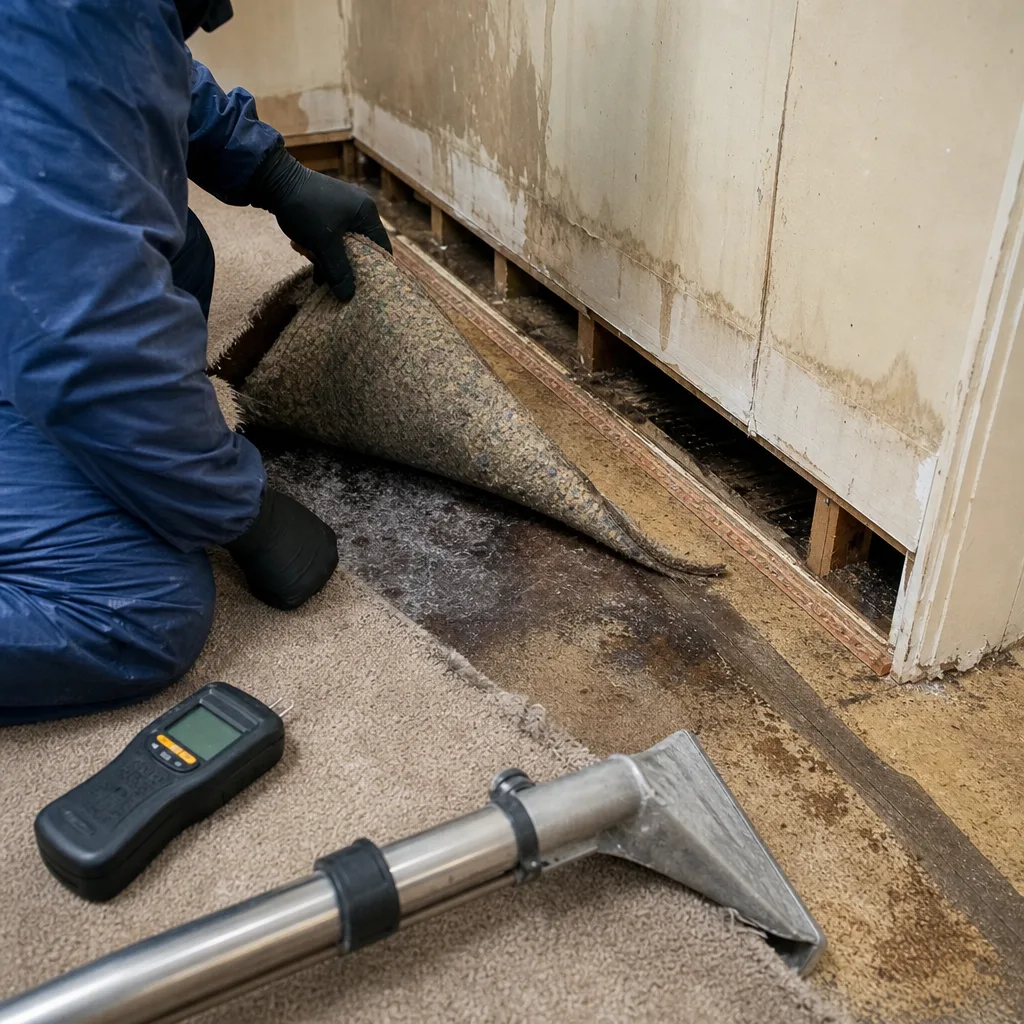
We built The Haven Standard around a simple observation from our founding in 2011: the documentation gap between what a contractor does and what an adjuster sees costs homeowners their claims. Here’s the chain we follow on every job, with the deliverable at each phase.
Phase 1: Initial Assessment (Hour 0-4)
The technician arrives with a moisture detection kit, a calibrated camera, and a tablet running documentation software. Within 30 minutes of arrival, we deliver:
- Pre-mitigation photo record: every affected room, four corners plus ceiling, all visible structural elements, all HVAC registers, and all electrical outlets within the water pattern
- Moisture mapping with pin and pinless meters, readings recorded by room and material type
- Classification of water category (1, 2, or 3 per IICRC S500) and class of destruction (1 through 4)
- Written scope of work with line-item pricing, delivered before any equipment is placed or any material is removed
Haven Standard, Clause 1: written price before work starts. No exceptions. In Miami Beach, where emergency calls often arrive at 2 a.m. from property managers handling guest complaints, this clause prevents the scope-creep that turns a $3,200 drying job into a $9,000 invoice dispute.
Phase 2: Mitigation and Drying (Day 1-5, typically)
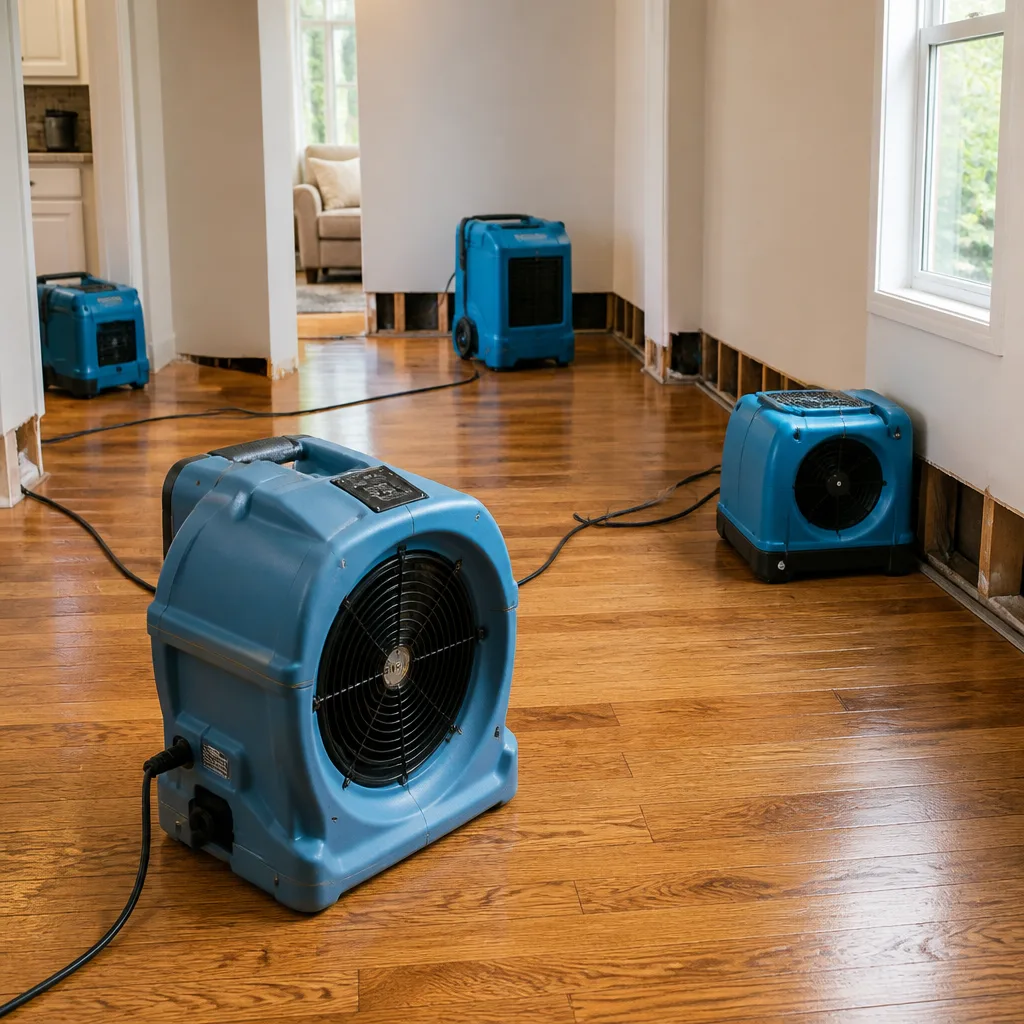
Equipment placement follows the written scope exactly. We deploy professional-grade drying systems, including XPOWER air movers and B-Air dehumidifiers sized to the cubic footage and vapor pressure differential, which is the measurable force that drives moisture from wet materials into the drier air. Higher vapor pressure differential means faster drying; we calculate and document this daily.
Daily deliverables:
- Technician visit with moisture meter readings at identical locations to Day 0
- Photo record of equipment placement, any material removal, and visible changes
- Drying log entry with psychrometric data: temperature, relative humidity, and specific humidity, recorded and graphed
- Adjustment to drying plan if readings plateau, with written justification
Psychrometric data, for those unfamiliar, is simply the measurable air conditions that predict how fast materials will release moisture. Without it, drying is guesswork. With it, an adjuster can verify that drying continued until materials reached equilibrium moisture content, typically 12% or below for wood framing in Miami Beach’s climate.
Phase 3: Remediation or Cleaning (Day 3-10, as needed)
If mold, smoke, or sewage contamination is present, remediation follows IICRC S520 (mold), S700 (fire/smoke), or S500 (sewage) protocols. Each requires:
- Containment barrier photos, negative air pressure readings, and HEPA filtration logs
- Removal and disposal documentation with waste manifest numbers
- Post-remediation verification: air sampling or surface sampling with third-party lab results
Phase 4: Reconstruction and Final Documentation (Day 7-30+, variable)
Reconstruction is scoped, scheduled, and priced in writing like any construction project. No same-day reconstruction promises; this work requires permit review in Miami Beach for structural, electrical, or plumbing modifications. Final deliverables include:
- Complete photo record, indexed by date and technician
- Drying logs with psychrometric graphs
- Written scope with any change orders, all signed by the property owner
- 365-Day Done Right Promise, signed and dated under The Haven Standard
- Permit closure documentation where applicable
Water Damage Restoration in Miami Beach
Water damage in Miami Beach arrives through multiple paths: storm surge and tidal flooding in SFWMD-designated flood zones, plumbing failures in high-rise condos, roof intrusions during tropical weather, and the chronic issue of AC condensate line backups in buildings where cooling runs 10 months a year.
The restoration sequence differs by water category. Category 1, clean water from a supply line, becomes Category 2 after 48 hours of contact with building materials, and Category 3 if sewage or groundwater enters the mix. In Miami Beach’s warm climate, this timeline compresses. We’ve measured Category 1 water reaching Category 2 conditions in 24 hours during July and August when indoor temperatures hold above 80°F.
Class of destruction determines equipment load. A Class 1 loss, minimal moisture on low-porosity materials, might need two air movers and a dehumidifier. A Class 4 loss, deep water saturation in plaster, concrete, or hardwood, requires Injectidry systems that deliver heated, dehumidified air through hoses into wall cavities and subflooring. We’ve used Injectidry mat systems on original terrazzo floors in MiMo District homes where demolition would have destroyed historic material.
The Miami Beach-specific complication is saltwater intrusion. Storm surge or tidal flooding brings salt-laden water that leaves chloride residues on framing and in concrete. Standard drying removes moisture but not chloride. Left untreated, chloride accelerates corrosion and can cause efflorescence, the white crystalline deposits that signal ongoing moisture migration. Our protocol includes chloride testing on flood-affected concrete and masonry, with neutralization treatment documented in the scope.
DryMark Restoration Miami Beach home protocols require that every water damage job include sub-slab moisture testing where the water table is within 5 feet of grade, which covers most of Miami Beach south of 41st Street.
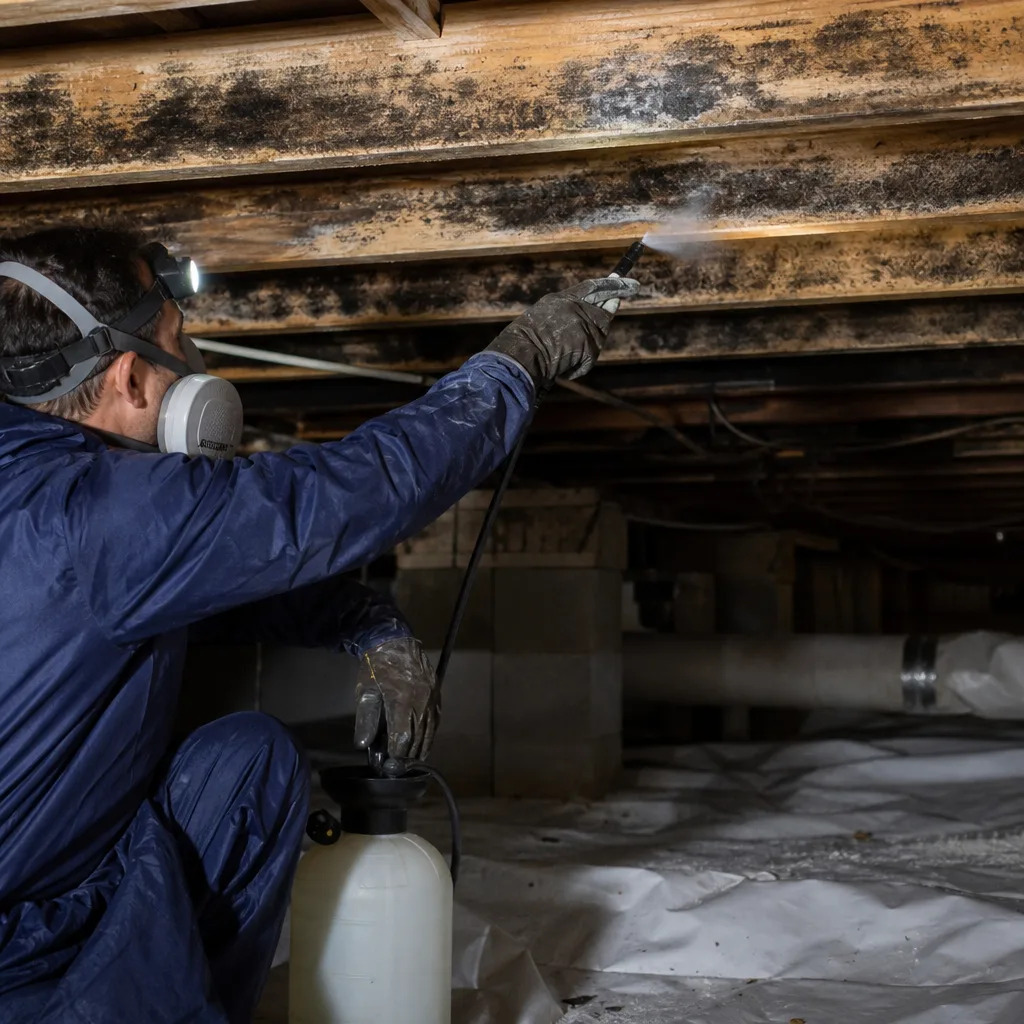
Mold Remediation and Salt-Air Considerations
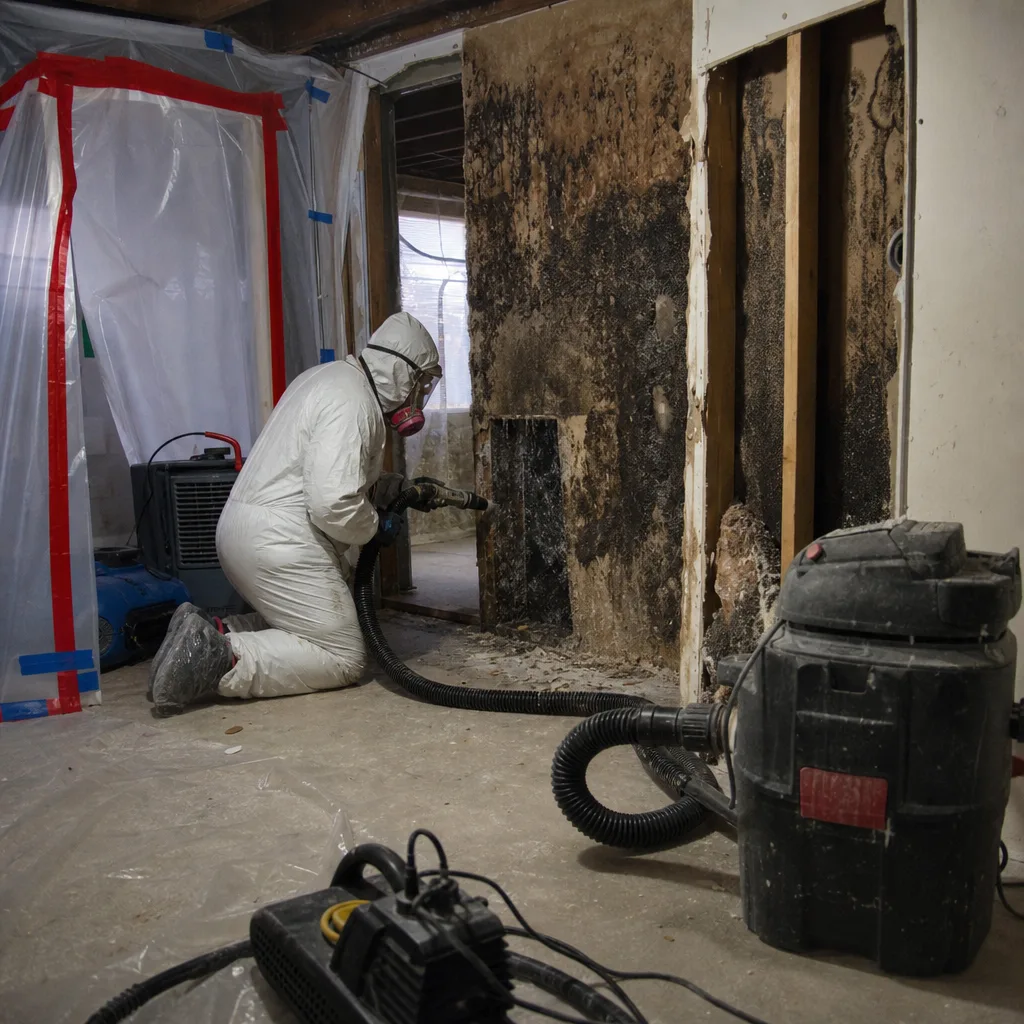
Mold in Miami Beach doesn’t behave like mold in Orlando or Jacksonville. The combination of year-round humidity, salt-air deposition on exterior surfaces, and frequent HVAC cycling creates microclimates inside walls that standard assessments miss.
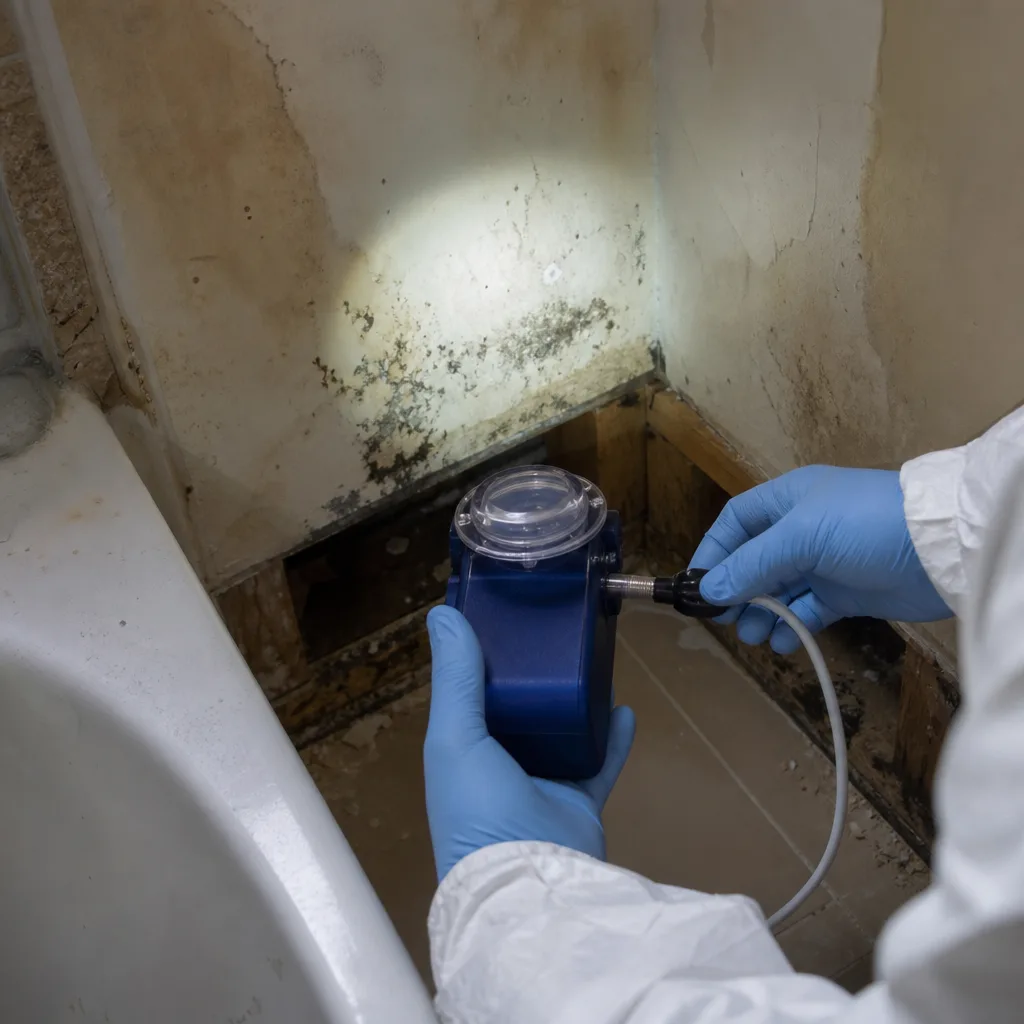
We’ve found active mold growth behind vinyl wallpaper in oceanfront condos where the wall surface read dry but the paper-facing gypsum behind it held 18% moisture. The salt air, drawn through window seals and balcony door tracks, deposits hygroscopic salts that attract moisture at relative humidity levels below the 60% threshold that typically triggers mold growth. A standard moisture meter on the surface reads normal; a meter on the substrate reveals the problem.
Mold Remediation in Miami Beach follows IICRC S520 with these additions:
- Pre-remediation salt-deposition testing on exterior-facing walls
- Hygroscopic material assessment: will the substrate continue attracting moisture after remediation?
- HVAC coil and duct inspection, because salt-air corrosion on aluminum coils creates condensation points that drip into wall cavities
- Post-remediation verification at 30 days, not just 24 hours, to catch delayed growth from residual hygroscopic salts
The health consideration is real but often overstated by competitors. We state what we find: species identification through third-party lab analysis, concentration levels in air samples, and comparison to outdoor baseline levels. Stachybotrys chartarum, the “black mold” of media attention, is less common in Miami Beach than Aspergillus and Penicillium species, which are allergenic but manageable with proper remediation. We don’t sell fear. We sell documentation of what exists, what we removed, and what the post-remediation verification proves.
Fire and Smoke Damage Restoration
Fire damage in Miami Beach presents a documentation challenge that inland markets rarely face: the proximity of high-value contents, the density of high-rise buildings with shared HVAC systems, and the corrosive interaction of smoke residues with salt-air-deposited metals.
Smoke is categorized by source and temperature. Protein fires, common in kitchen incidents, leave nearly invisible residues that carry intense odor. Synthetic fires, from plastics and petroleum products, leave thick, acidic residues. High-heat fires produce dry, powdery smoke that penetrates deeply. Each requires different cleaning chemistry and different documentation for contents restoration versus structural restoration.
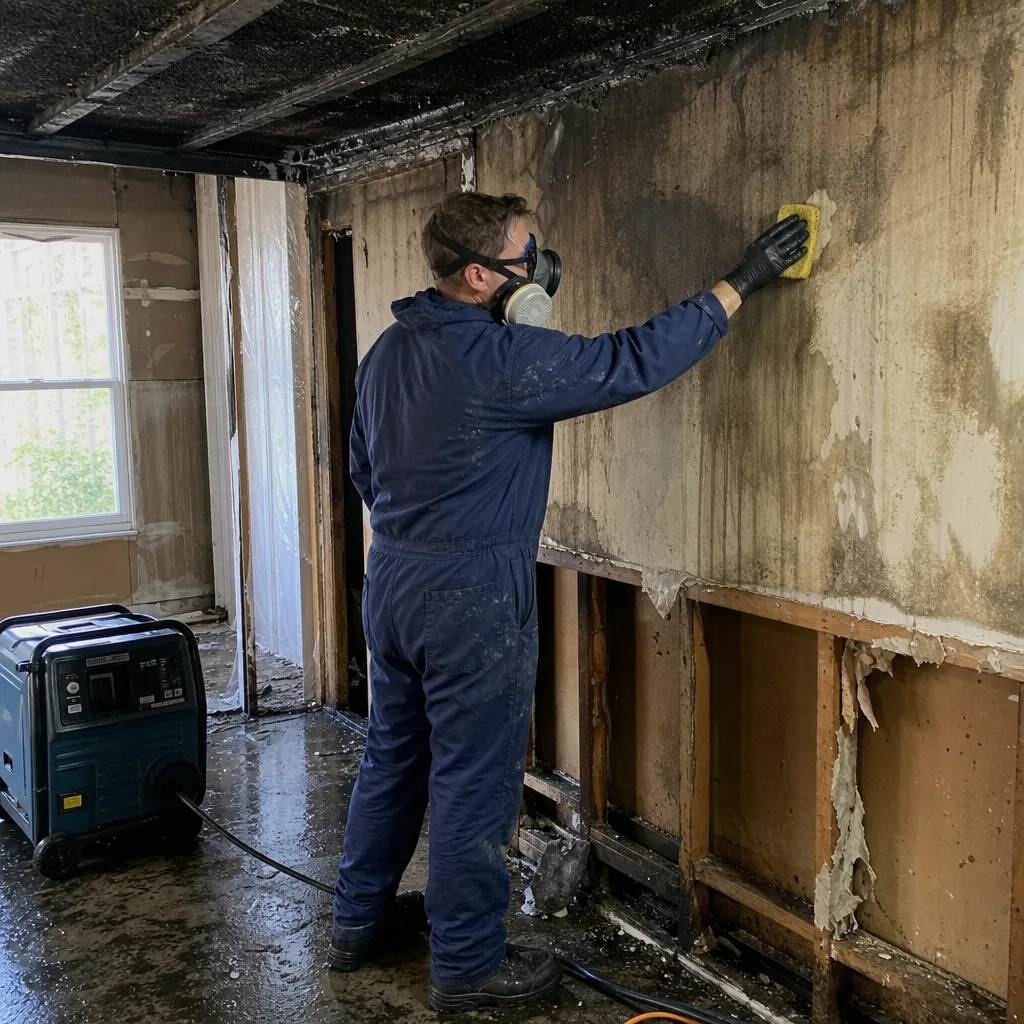
Fire & Smoke Damage Restoration in Miami Beach must account for:
- Content inventory and condition documentation: Every item in the affected area is photographed, described, and classified as cleanable, unrestorable, or requiring specialist restoration. This inventory becomes the basis for the contents claim.
- HVAC system contamination: In condos and apartments with shared ductwork, smoke migration through the HVAC system can affect units far from the fire origin. We document pressure testing and duct camera inspection.
- Corrosion acceleration: Smoke residues are acidic; salt-air deposits are hygroscopic. The combination accelerates metal corrosion. We photograph all metal surfaces pre-cleaning and post-cleaning, with corrosion classification per ASTM standards.
Odor removal requires multiple techniques: thermal fogging for inaccessible cavities, ozone treatment for unoccupied spaces, and hydroxyl generation for occupied areas where ozone is unsafe. We document which technique was used where, with treatment duration and post-treatment air sampling results.
Storm, Disaster, and Flood Restoration
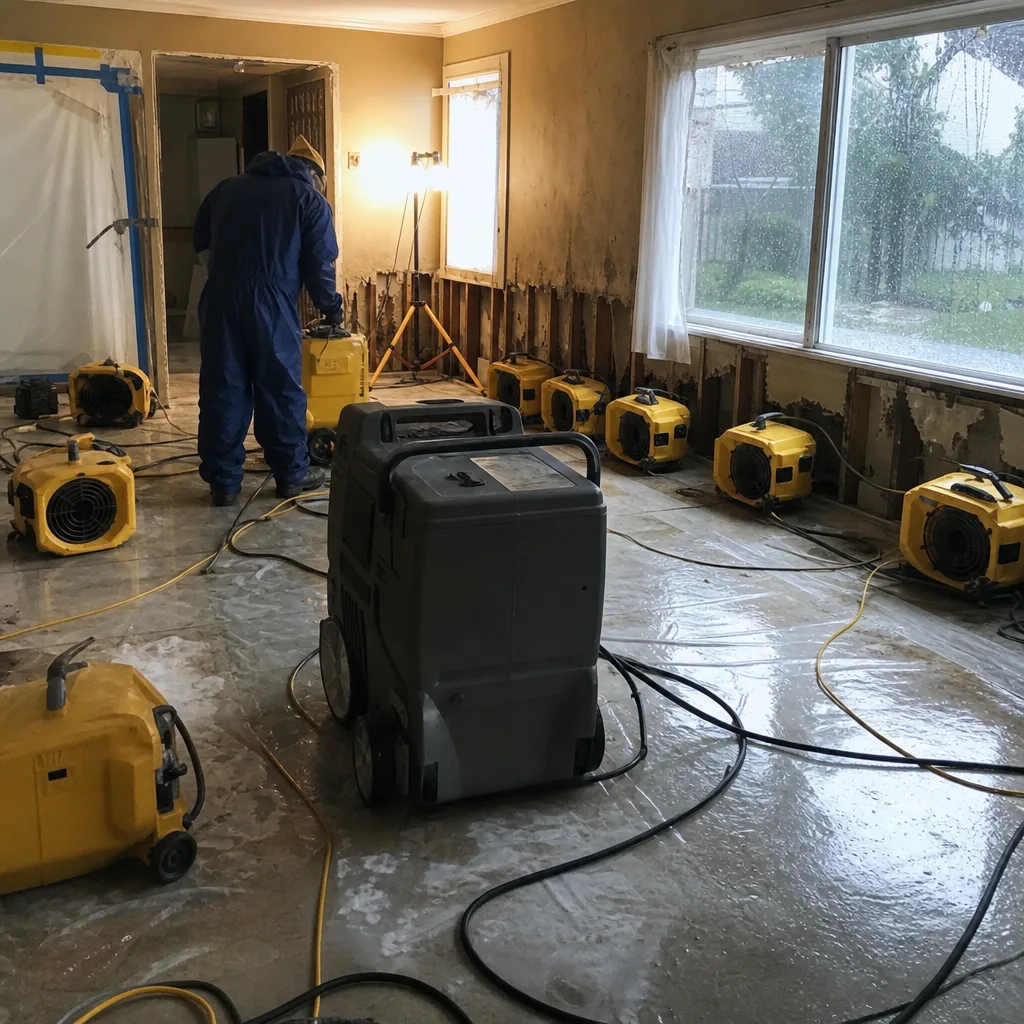
Miami Beach sits in Miami-Dade County’s Class 5 wind zone, the highest classification, and within SFWMD flood zones that range from AE to VE along the oceanfront. These designations change the required restoration sequence versus standard Florida counties.
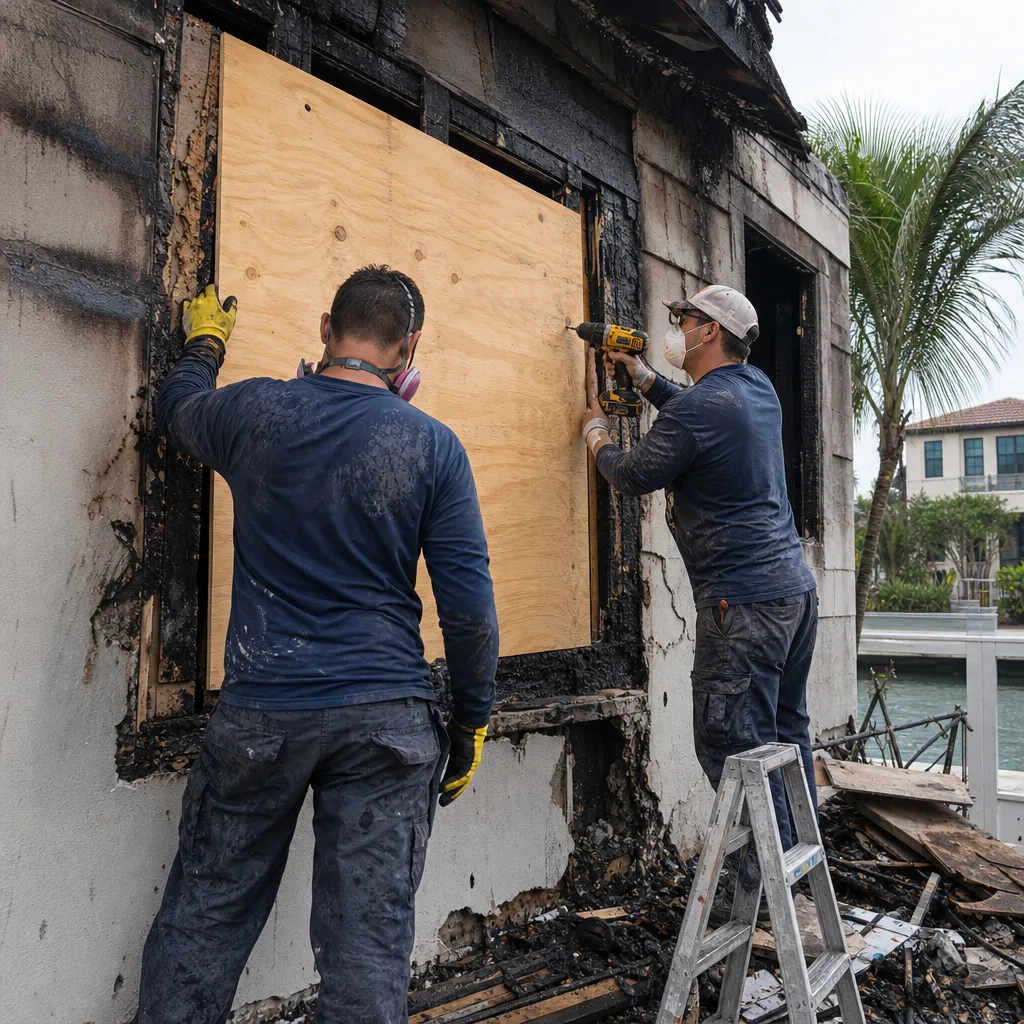
After a named storm or flood event, the standard sequence is: emergency board-up and stabilization, water extraction and debris removal, structural drying, remediation of contaminated materials, and reconstruction. In Miami Beach, this sequence is modified by:
- Wind-borne debris documentation: Class 5 wind zones require that damage from wind-borne debris be distinguished from damage from wind pressure itself. Insurers cover these differently. We photograph debris in place before removal, document trajectory where possible, and retain samples where material identification affects coverage.
- Flood zone elevation requirements: Reconstruction in VE zones must comply with Base Flood Elevation requirements, which may require raising electrical systems, HVAC equipment, or even the finished floor level. We coordinate with Miami Beach Building Department on elevation certificates and permit requirements before reconstruction begins.
- SFWMD coordination: Bulk water removal into storm drains may require SFWMD notification during major events. We document discharge volumes and locations.
Storm restoration also triggers the 365-Day Done Right Promise differently than standard losses. Storm repairs often occur under emergency conditions with temporary materials. Our documentation distinguishes temporary repairs from permanent repairs, with written schedules for replacement of temporary measures.
Sewage Cleanup and Biohazard Scenarios
Sewage backups in Miami Beach frequently involve high-rise buildings with aging cast-iron waste lines, particularly in Mid-Beach and South Beach properties built between 1950 and 1980. The restoration challenge is not just the Category 3 water classification but the vertical migration through multiple floors and the shared-utility complications.
IICRC S500 defines Category 3 water as “grossly contaminated.” This includes sewage, but also includes all groundwater flooding in Miami Beach after the first 48 hours, because saltwater flooding carries pathogens, chemicals, and petroleum products from street level. Many competitors misclassify post-storm flooding as Category 2 to reduce scope; we classify by actual content, documented with sample analysis where insurers require it.
Biohazard scenarios, including crime scene cleanup and unattended death, require additional protocols: OSHA bloodborne pathogen compliance, Florida Department of Health notification where required, and chain-of-custody documentation for any materials removed as evidence. Our technicians are trained to these standards with documentation of training dates and certification numbers available on request.
Safety consideration: sewage cleanup involves genuinely dangerous biological agents including hepatitis B, hepatitis C, HIV, and various bacterial pathogens. Do not attempt cleanup without proper PPE, which includes full-face respirators with organic vapor cartridges, not just dust masks. Our crews use this equipment as standard; homeowners should not enter affected areas until professional assessment is complete.
Reconstruction and the Permit Path
Reconstruction in Miami Beach requires permits for structural work, electrical, plumbing, and mechanical modifications-see our Damage Restoration Permits, Codes & Inspections in FL: What You Need to Know for details. The city’s building department, located at 1700 Convention Center Drive, reviews permits with attention to flood zone requirements and historic preservation districts.
Our reconstruction process:
- Written scope with line-item pricing, delivered before any work begins (Haven Standard, Clause 1)
- Permit application with required documentation: plans, elevations, and contractor licensing
- Pre-construction photo record of all adjacent finishes to document pre-existing condition
- Progress inspections at rough-in, insulation, and final, with photo documentation at each
- Final inspection sign-off and certificate of occupancy or completion where required
In historic districts including the Art Deco Historic District, Miami Beach Design Review Board approval may be required for exterior alterations. We coordinate this process and document approvals in the project file.
The documentation chain continues through reconstruction. Every material substitution, every change order, every inspection result is photographed and written into the record. When the property sells, the next owner receives a complete file, or it’s available from our archives.
Insurance Claims and the RMA vs. Estimate Distinction
This distinction costs Miami Beach homeowners thousands when misunderstood. A Restoration Mitigation Assessment (RMA) is a scope of work prepared by a restoration contractor that documents the required mitigation and drying, with line-item pricing, intended for insurer review and approval. A contractor estimate is a price to perform work, often without the documentation standards that insurers require for payment. For line-item pricing benchmarks, see our Damage Restoration Cost Breakdown: The Miami Beach Homeowner’s Reference for 2026.
Miami-Dade insurers treat these differently. An RMA includes:
- Cause of loss documentation with photo evidence
- Water category and class classification per IICRC
- Equipment calculations with psychrometric justification
- Daily monitoring requirements with endpoint criteria
- Post-mitigation verification standards
An estimate without these elements may be rejected for “insufficient scope detail,” leaving the homeowner to pay the difference or fight the denial. We prepare RMA-standard documentation on every job, even when the homeowner hasn’t yet filed a claim, because the documentation is the claim.
We also offer a Free Second Opinion on any competitor’s written estimate. Bring a competitor’s quote and we’ll review it against IICRC standards and Miami Beach permit requirements at no charge. We’ve found estimates that omitted required flood-zone elevation compliance, that specified Category 2 treatment for Category 3 water, or that failed to include permit costs that became the homeowner’s surprise expense.
Direct insurance billing is available; we coordinate with adjusters using the photo record and drying logs as primary documentation. Adjusters who receive complete files rarely dispute line items. Adjusters who receive invoices without documentation rarely pay without fight.
Short-Term Rentals: Disclosure and Permit Requirements
Miami Beach’s short-term rental market, concentrated in South Beach, Flamingo Park, and the Collins Park area, adds regulatory layers to restoration. Properties licensed for VRBO, Airbnb, or similar platforms must maintain active certificates of compliance with Miami Beach’s short-term rental ordinance, which includes safety inspections and annual renewals.
During restoration, the property owner must navigate:
- Guest cancellation and relocation: Platform policies vary; documentation of uninhabitability from a licensed restoration contractor supports refund claims and host protection insurance filings
- Licensing compliance: If restoration triggers a safety inspection, the property must pass before rental activity resumes; we coordinate inspection scheduling
- Disclosure to future guests: Some platforms require disclosure of recent restoration; our documentation package supports accurate disclosure without speculation
- Condo association requirements: Many Miami Beach condos require board notification for water damage affecting common elements; we provide written notification templates
The Haven Standard requires that we flag short-term rental status during initial assessment, because the restoration timeline and documentation needs differ from owner-occupied properties. A guest-occupied property needs faster initial response to minimize cancellation losses, but equally thorough documentation to support insurance claims for business interruption.
Common Mistakes to Avoid
- Accepting a verbal scope of work. Florida’s open-permit statute means undocumented work can surface as your liability when you sell. A verbal agreement leaves no record of what was promised, what was performed, or what was paid.
- Skipping pre-existing condition documentation. Salt-air corrosion, prior water stains, and settled cracks must be photographed before mitigation begins, or they become disputed line items.
- Misclassifying flood water. All groundwater flooding in Miami Beach becomes Category 3 after 48 hours. Competitors who classify it as Category 2 to reduce scope leave you with undocumented contamination.
- Ignoring sub-slab moisture. The high water table means drying isn’t done when surface materials read dry. Sub-slab testing with calcium chloride kits or in-situ probes is required for documentation.
- Failing to distinguish temporary from permanent repairs. Storm restoration often begins with emergency measures. Without written schedules for permanent replacement, temporary repairs become permanent by default.
- Neglecting short-term rental disclosure. Platform terms and Miami Beach ordinance require accurate disclosure of restoration activity. Incomplete documentation leads to compliance violations and guest disputes.
- Not requesting an RMA-format scope. Insurers in Miami-Dade expect IICRC-standard documentation. A simple invoice without classification, justification, and verification triggers delays and disputes.
When to Call a Professional
Call a professional restoration company when water has affected more than a single small area, when the water source is unknown or potentially contaminated, when mold is visible or suspected, when fire or smoke has affected multiple rooms or the HVAC system, or when any structural element shows damage. In Miami Beach specifically, call when the property is in a flood zone, when saltwater intrusion is possible, or when the property is licensed for short-term rental and guest occupancy is affected. For additional guidance, explore more guides & resources on our blog.
DryMark Restoration Miami Beach offers free estimates in Miami Beach. A technician will arrive with documentation equipment, deliver a written scope with line-item pricing before any work begins, and establish the photo record that protects your claim. Call (786) 384-5591. Live person answers every call, 24 hours a day, 7 days a week, with no voicemail on emergency lines.
Frequently Asked Questions
Water damage mitigation typically ranges from $1,800 for a contained Class 1 loss to $8,500+ for a Class 4 loss with sub-slab drying, while mold remediation runs $15-$30 per square foot of affected area depending on containment complexity, and fire restoration starts around $4,000 for light smoke damage and escalates based on contents inventory and structural repair scope. Every job receives a written price before work begins under Haven Standard, Clause 1. Call (786) 384-5591 for an exact quote; estimates are free.
Most homeowner policies cover sudden and accidental water damage, fire damage, and storm damage, but exclude gradual leaks, flooding from outside without separate flood coverage, and damage from lack of maintenance. The key to coverage is documentation: cause of loss, pre-existing condition photos, and IICRC-standard classification. We prepare RMA-format documentation specifically for insurer review and coordinate directly with adjusters. Call (786) 384-5591 to discuss your specific policy and loss.
Our live dispatch answers emergency calls 24 hours a day, 7 days a week, and technicians typically arrive within 60-90 minutes for water and sewage emergencies in Miami Beach. Mitigation work, including extraction and equipment placement, begins same day. Reconstruction is scoped, scheduled, and priced in writing before work starts, not dispatched for immediate performance. Call (786) 384-5591 to confirm current response time for your location.
Full remediation, with containment and negative air pressure, is required when mold growth exceeds 10 square feet, when HVAC systems are contaminated, or when immune-compromised occupants are present. Surface cleaning is appropriate only for small, non-porous areas with no hidden growth. We determine the appropriate scope through moisture mapping, air sampling, and visual inspection, documented in a written scope before work begins. Call (786) 384-5591 for assessment.
We coordinate directly with adjusters, providing the photo record, drying logs, and written scope as primary documentation. Our RMA-format reports are structured for adjuster review, and we participate in adjuster site visits by appointment. You remain the policyholder and approve all scopes and change orders, but we handle the documentation burden that adjusters require for payment. Call (786) 384-5591 to discuss your specific claim.
Properties in SFWMD flood zones AE and VE face additional requirements: elevation certificates for reconstruction, flood-resistant materials for below-BFE work, and potential SFWMD notification for bulk water discharge. These requirements affect scope, timeline, and cost. We identify flood zone status during initial assessment and incorporate compliance into the written scope. Undocumented flood zone work can be rejected by insurers and flagged by building officials. Call (786) 384-5591 for flood-zone-specific assessment.
The Bottom Line
Damage restoration in Miami Beach succeeds or fails on documentation. The salt air, high water table, flood zone requirements, and short-term rental economy create conditions that standard restoration playbooks don’t address. A written price before work begins, a photo record on every visit, daily moisture logs with psychrometric data, and a final inspection package that satisfies Miami-Dade insurers and building officials: this is the documentation chain that turns a restoration invoice into a paid claim. The 365-Day Done Right Promise under The Haven Standard exists because documentation without accountability is just paperwork. We’ve restored over 12,000 homes since 2011, every one with a written price before work started and a documented record when the crew left. The alternative is a verbal agreement, an undocumented job, and a liability that surfaces when you least expect it.
Written by Alicia Brennan, Owner at DryMark Restoration Miami Beach, serving Miami Beach since 2011.