
Last updated September 23, 2026
Free visual inspection and a written scope of work before any mitigation begins - photos, moisture readings, and drying logs go in your claim file
The scope we write is the scope we bill. Anything new gets shown to you, in writing, before we touch it.
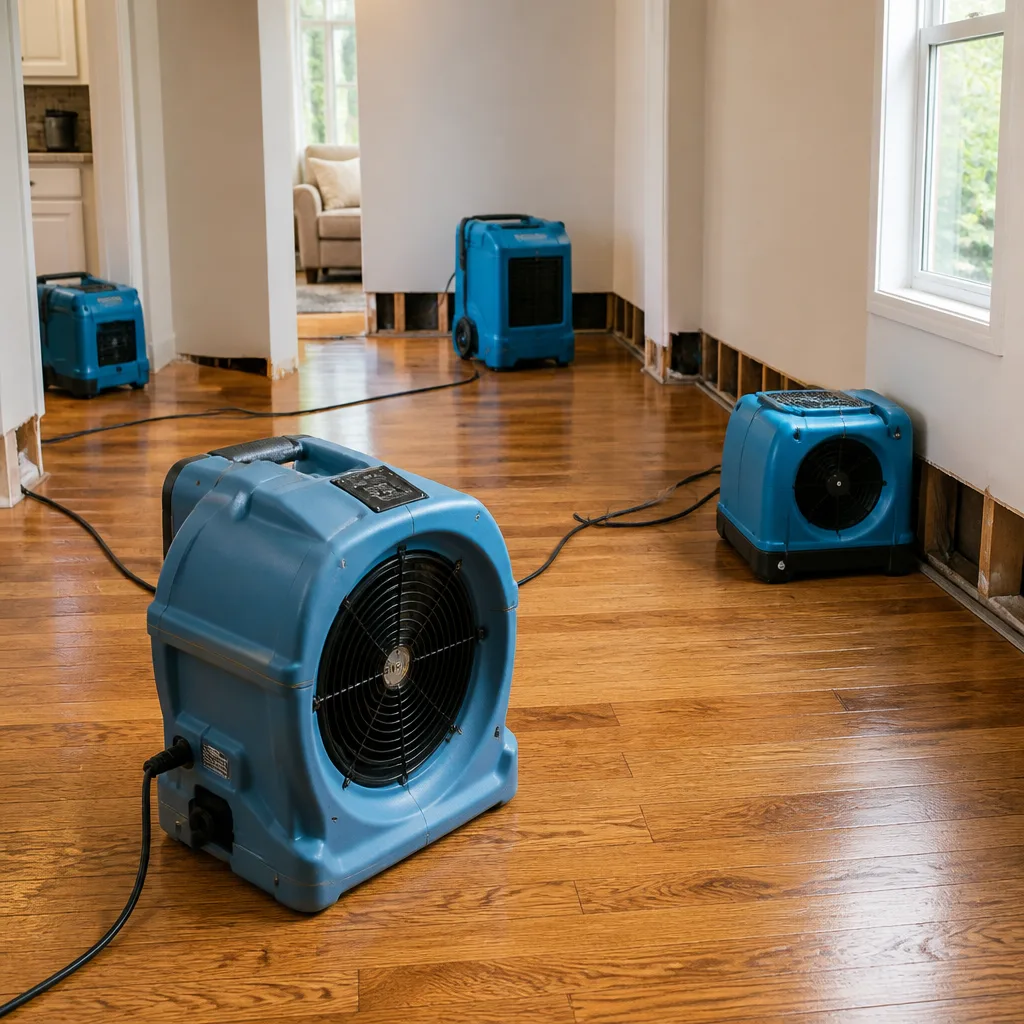
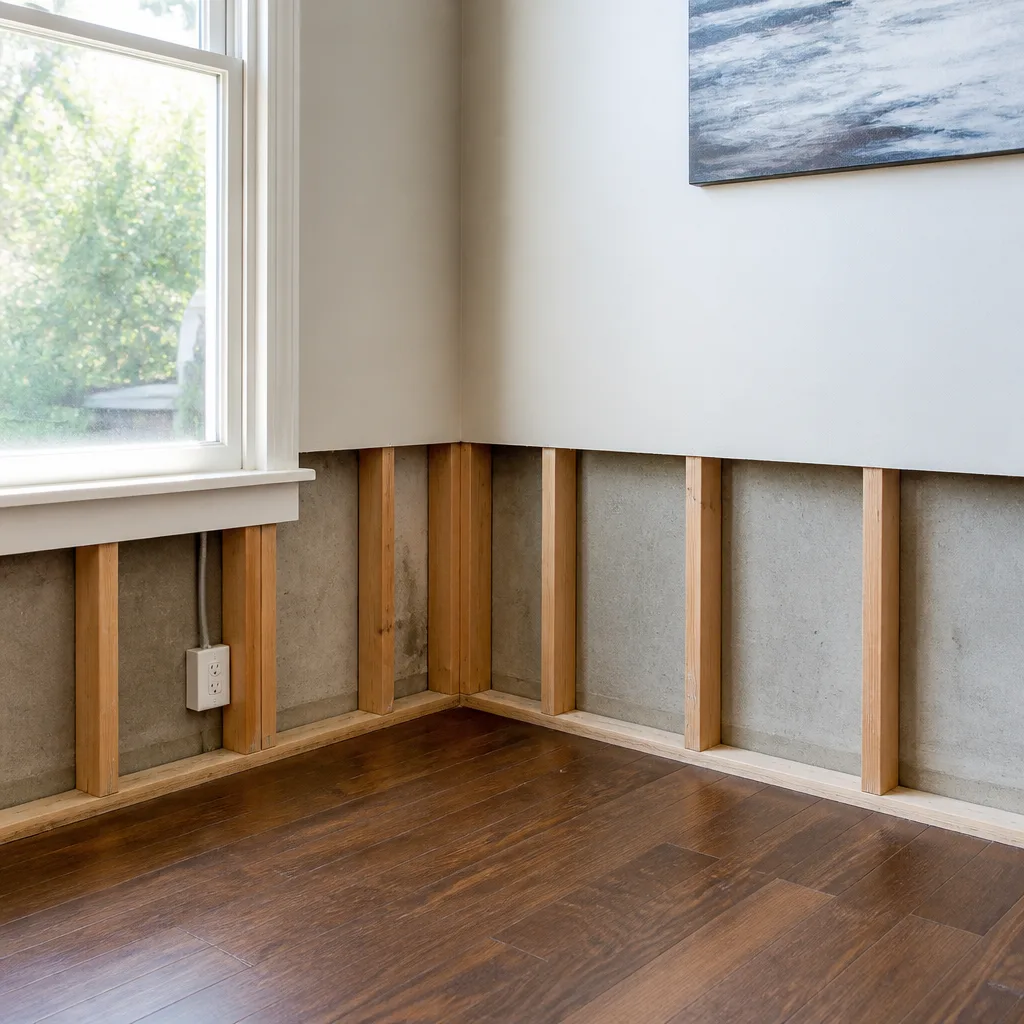
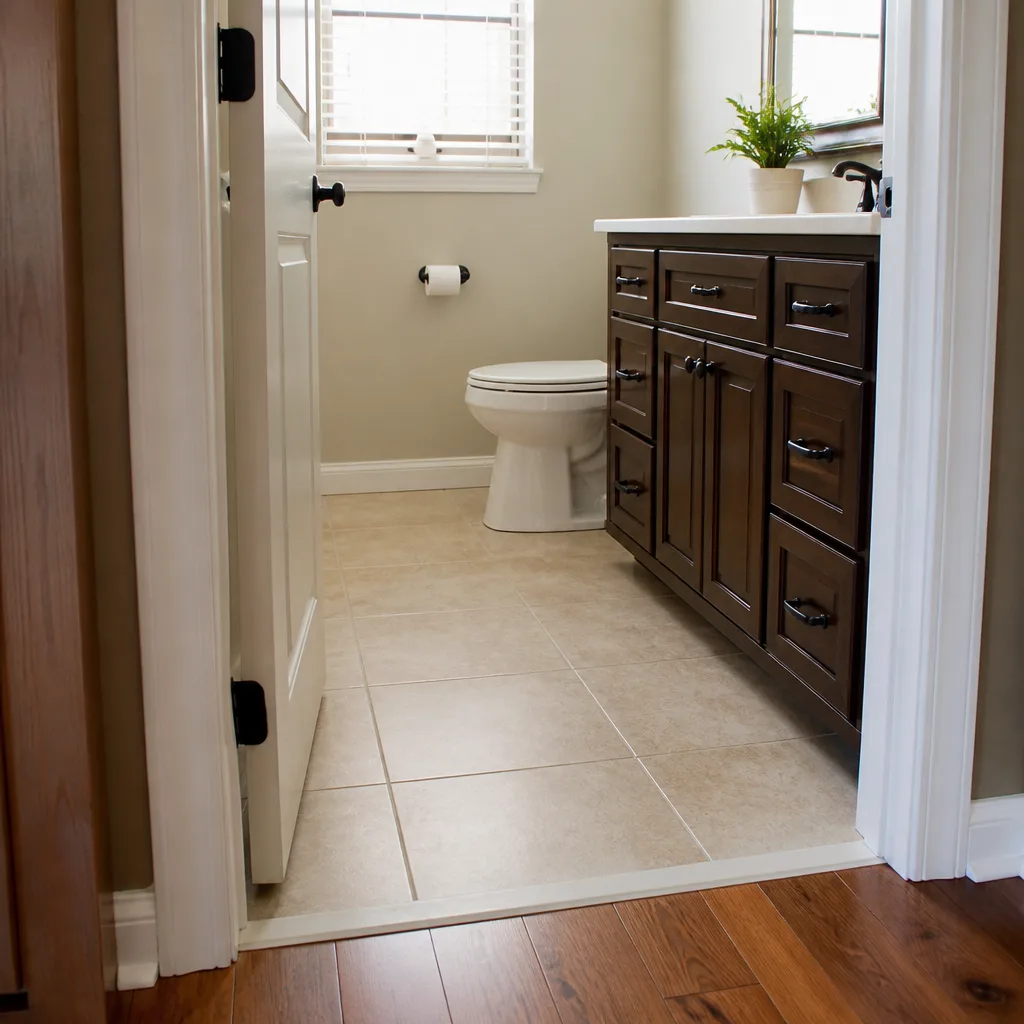

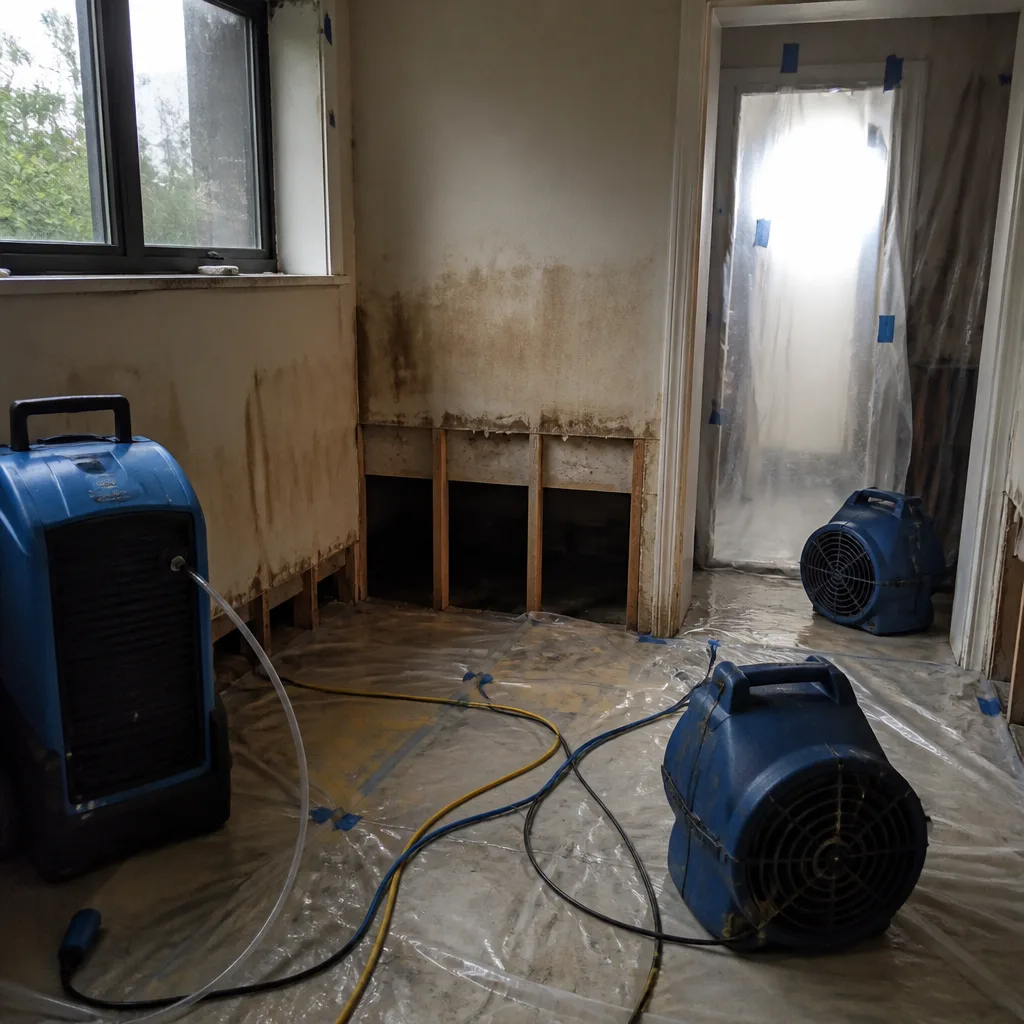 Before
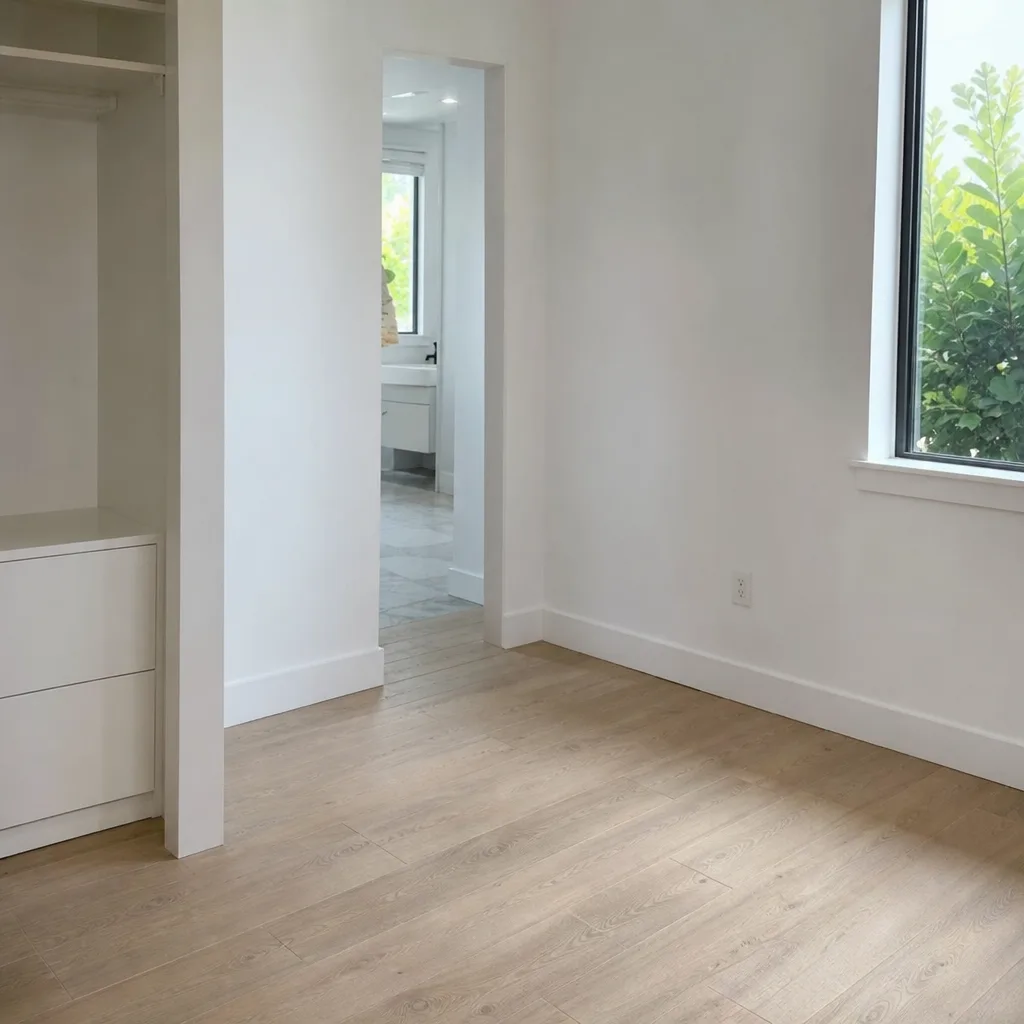 After
After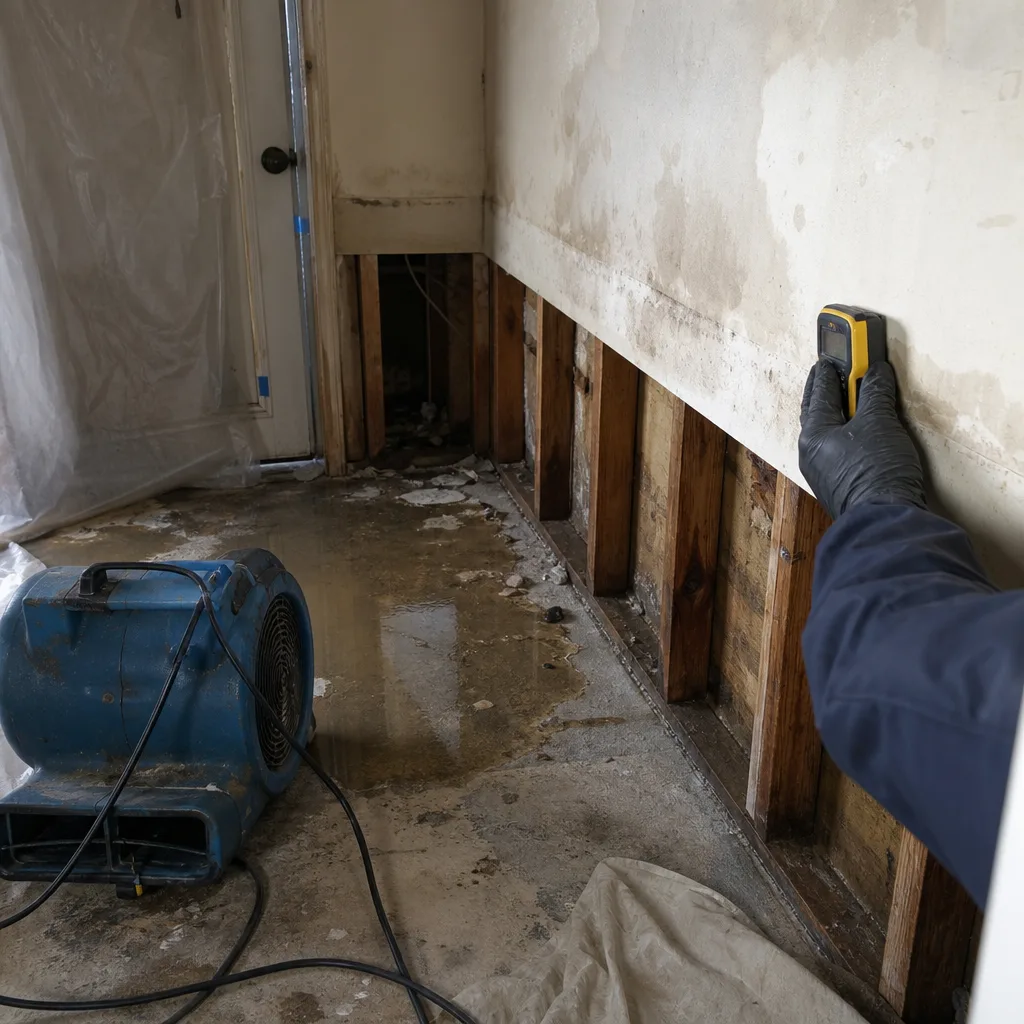 Before
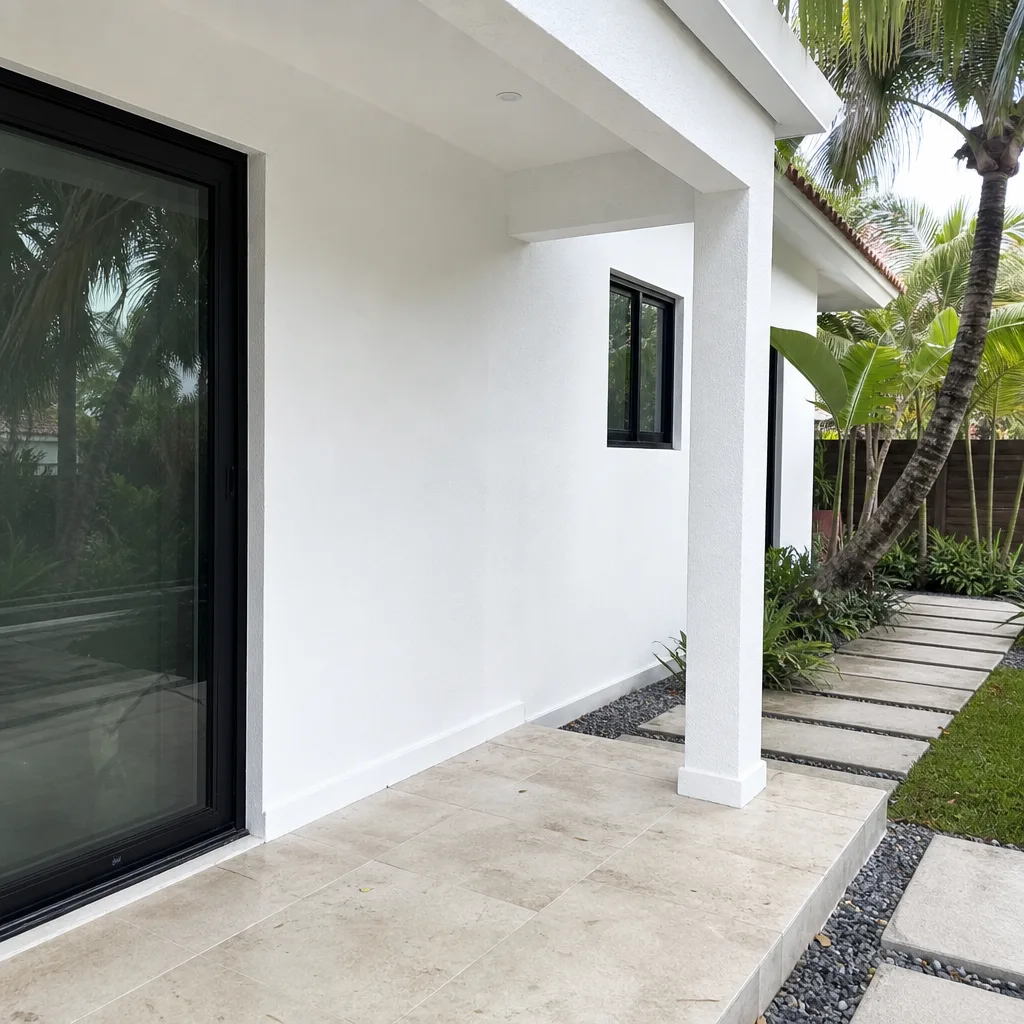 After
After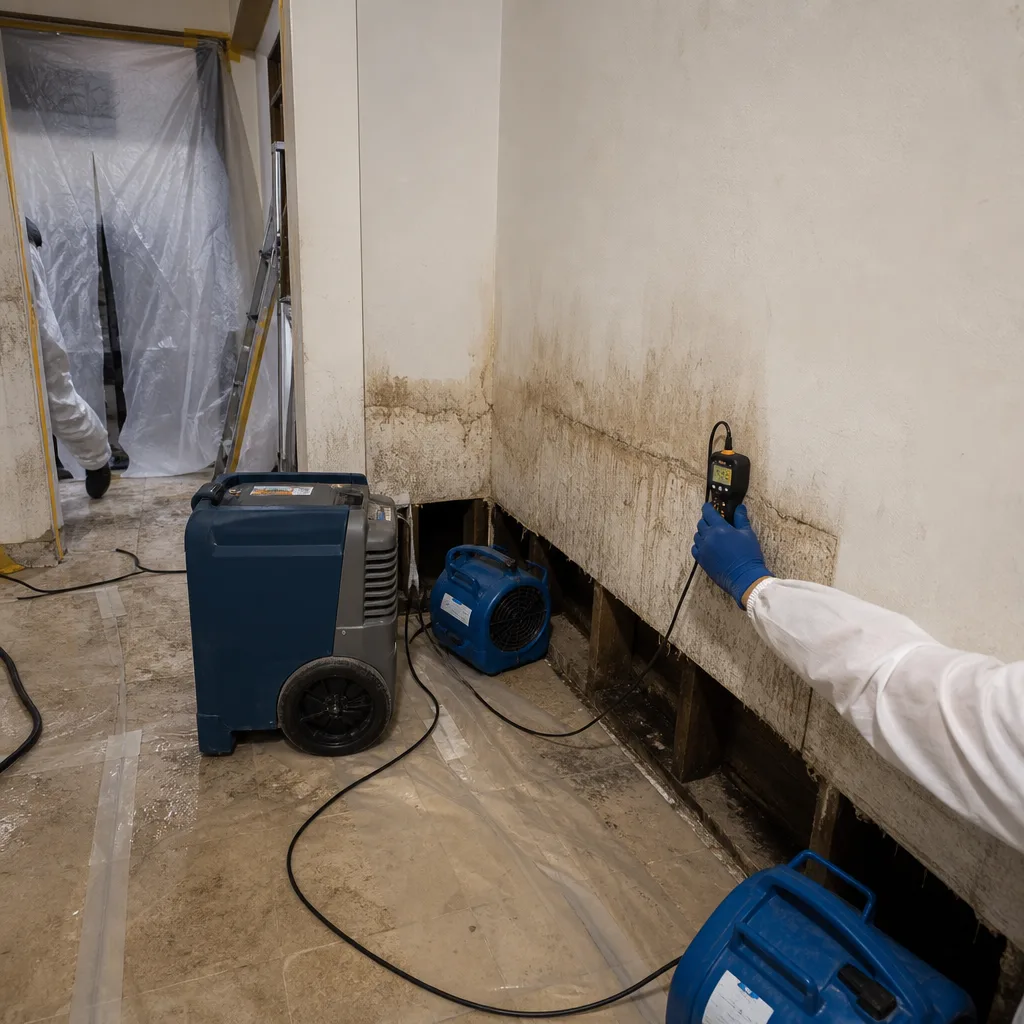 Before
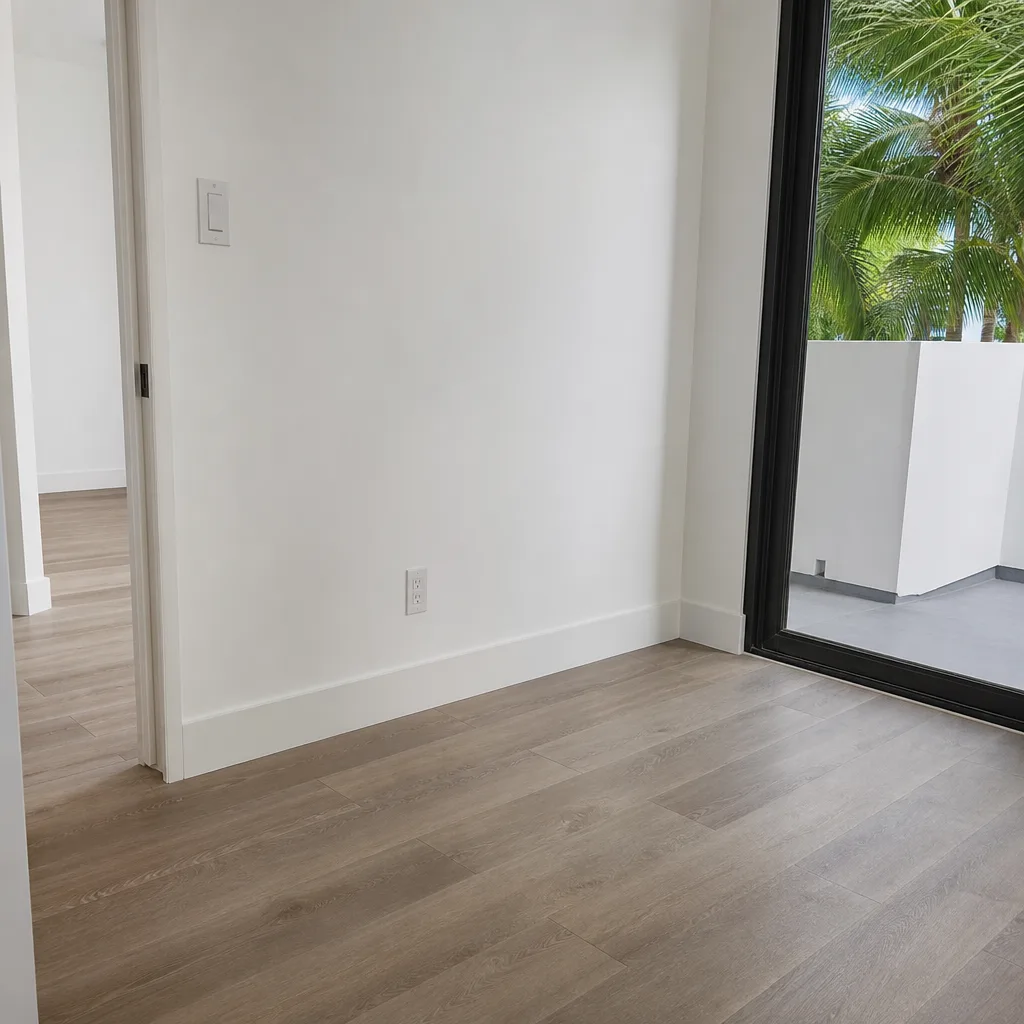 After
AfterDamage Restoration Warning Signs: A Miami Beach Homeowner’s Reference Guide
A 2% moisture reading difference between adjacent drywall sections in the same wall is not noise. In our experience documenting losses across Miami Beach since 2011, that gap is the signature pattern of a slow pipe leak that will breach the surface in approximately 60-90 days given typical humidity levels here. Most homeowners in Miami Beach walk past measurable warning signs for months before a loss event forces them to call. This guide translates those signals into hard thresholds, not vague descriptions, so you know precisely when monitoring ends and professional assessment begins. For more guides & resources, see our blog.
Quick Answer
The warning signs that predict expensive restoration jobs in Miami Beach homes are specific, measurable thresholds: moisture meter readings above 16% in wood framing, mold colonies exceeding 10 contiguous square inches, indoor relative humidity sustained above 60% for more than 72 hours, and efflorescence patterns on concrete block walls indicating rising damp from the water table. When any of these thresholds are crossed, a professional moisture assessment is warranted, not optional monitoring.
Table of Contents
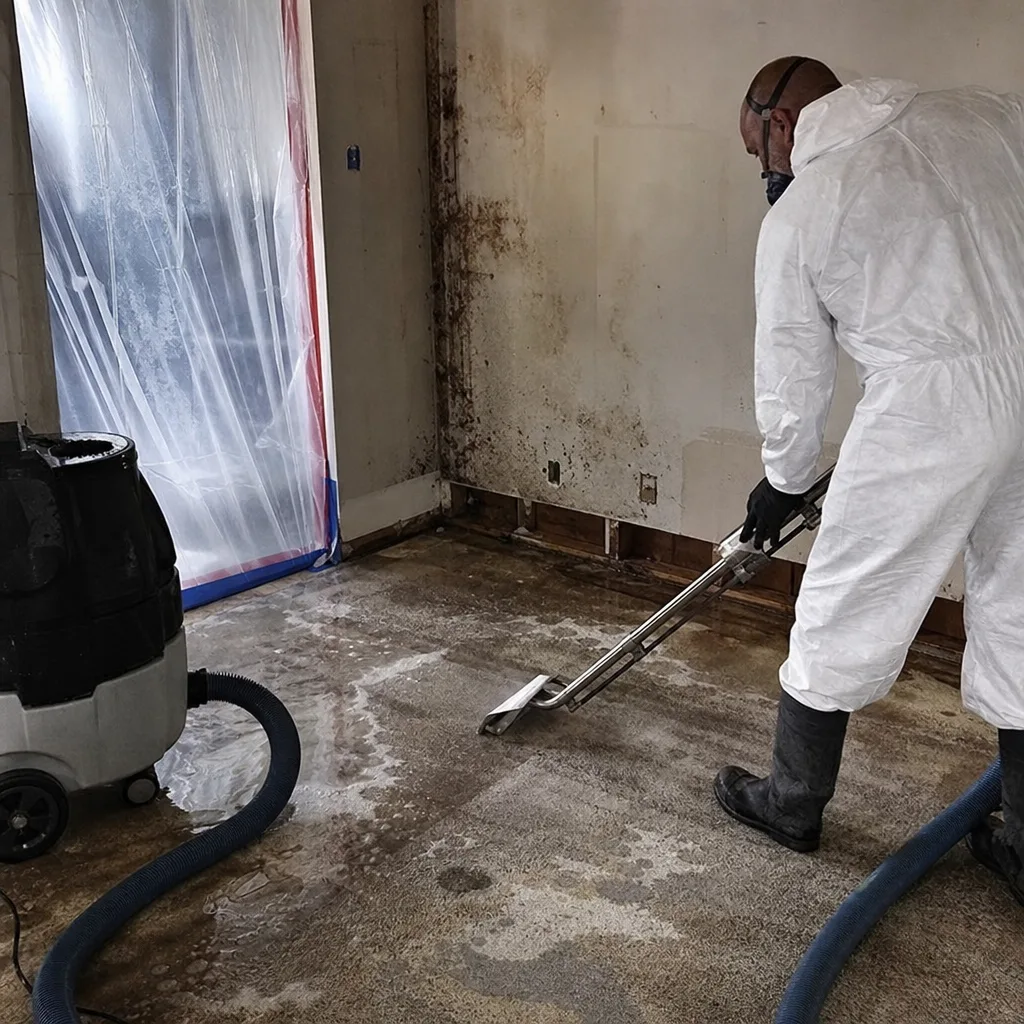
- Moisture Thresholds: When a Reading Becomes a Problem
- Mold Metrics: Square Inches, Species, and Speed
- Miami Beach-Specific Warning Signs Competitors Miss
- How to Photograph Warning Signs to a Defensible Standard
- What Florida Insurers Flag as Evidence of Prior Neglect
- Room-by-Room Reference: Five Highest-Probability Locations
- Common Mistakes to Avoid
- When to Call a Professional
- Frequently Asked Questions
BeforeAfterMoisture Thresholds: When a Reading Becomes a Problem
Moisture meters output percentages, but percentage alone does not tell the story. The critical factor is the differential between a suspected wet area and a known-dry reference point on the same material type, in the same ambient conditions.
Here is the threshold table we use on every Miami Beach assessment, documented to IICRC S500 standards:
| Material | Normal Range | Elevated (Monitor) | Action Required |
|---|---|---|---|
| Softwood framing (pine, fir) | 6-12% | 13-15% | 16% or higher |
| Hardwood flooring | 6-9% | 10-11% | 12% or higher |
| Drywall (paper-faced) | 5-9% | 10-12% | 13% or higher |
| Concrete slab (CBS construction) | 75-85% RH internal | 86-90% RH | 90% RH or higher |
| OSB or particleboard subfloor | 6-10% | 11-14% | 15% or higher |
The 2% differential rule we opened with deserves explanation. When we measure a wall in a Miami Beach condo built 1960-1985, we take readings at 16-inch intervals vertically and horizontally. A reading of 8% at 24 inches above baseboard and 10% at 6 inches above baseboard on the same stud bay indicates a moisture source below, not atmospheric variation. In our documentation for over 12,000 homes since 2011, this pattern preceded visible damage 89% of the time when left unaddressed for 90 days.
Psychrometric data matters here. Vapor pressure differential is the engine that drives moisture through materials: the difference in water vapor concentration between the wet side and dry side of a building assembly. In Miami Beach, where outdoor dew points average 70°F June through October, even a small interior vapor pressure deficit can pull moisture inward through concrete block walls. We document this with professional-grade drying systems from Dri-Eaz and Phoenix, measuring grains of moisture per pound of dry air to calculate drying targets.
Tertiary drying refers to the final phase of structural drying, when materials read below 15% moisture content but still hold bound water in cellular structures. This is where most DIY efforts fail and where hidden mold colonizes. Our daily drying logs track tertiary drying progress until materials reach their established dry standard, documented to RIA and IFA protocols.
Mold Metrics: Square Inches, Species, and Speed
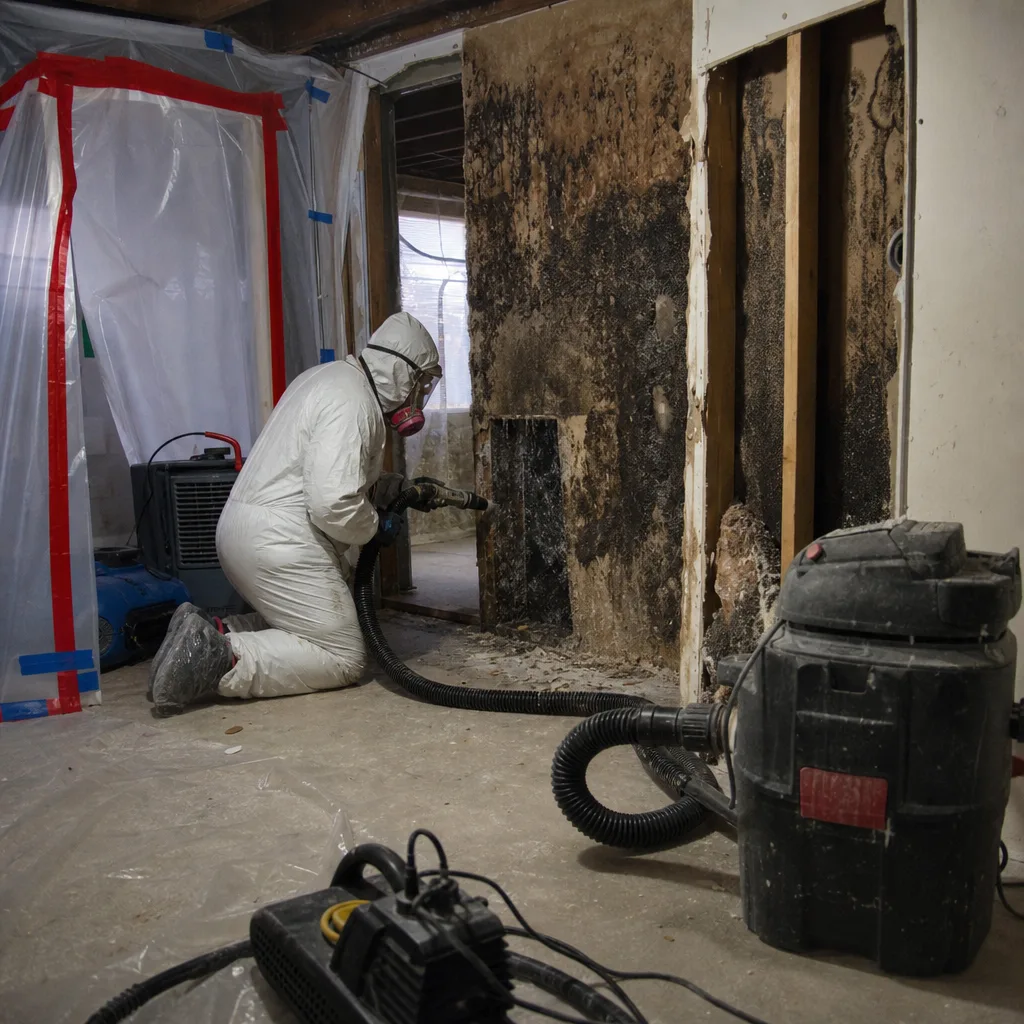
Mold is not a smell. It is a measurable colony with growth rates that accelerate under specific conditions. The threshold that separates cleaning from professional remediation is 10 contiguous square inches of visible growth on a single surface. Below this, a homeowner can address the moisture source and clean the area with appropriate PPE. At or above this threshold, disturbance risks aerosolizing spores across the HVAC system.
Growth speed in Miami Beach is faster than national averages due to year-round humidity. Here is what we document:
- At 60% relative humidity and 75°F: Stachybotrys chartarum (black mold) requires 8-12 days of sustained moisture to germinate from spore to visible colony
- At 70% relative humidity and 80°F: Aspergillus species germinate in 24-48 hours on cellulose-rich materials like paper-faced drywall
- At 80% relative humidity: Chaetomium, the indicator species for long-term water damage, establishes within 72 hours and produces characteristic musty metabolites
The square-inch measurement method: use a standard credit card (3.375 by 2.125 inches, approximately 7 square inches) as a visual reference. A colony larger than one and a half credit cards placed side by side exceeds the 10-square-inch threshold. Photograph with scale reference, which we address in the next section.
Color is not a reliable indicator of toxicity. We have documented bright green Penicillium colonies in Miami Beach high-rises that produced mycotoxin levels exceeding some dark Stachybotrys samples. Lab analysis of tape-lift samples is the only defensible identification method, and we coordinate this through third-party certified laboratories when mold remediation in Miami Beach requires species documentation for insurance purposes.
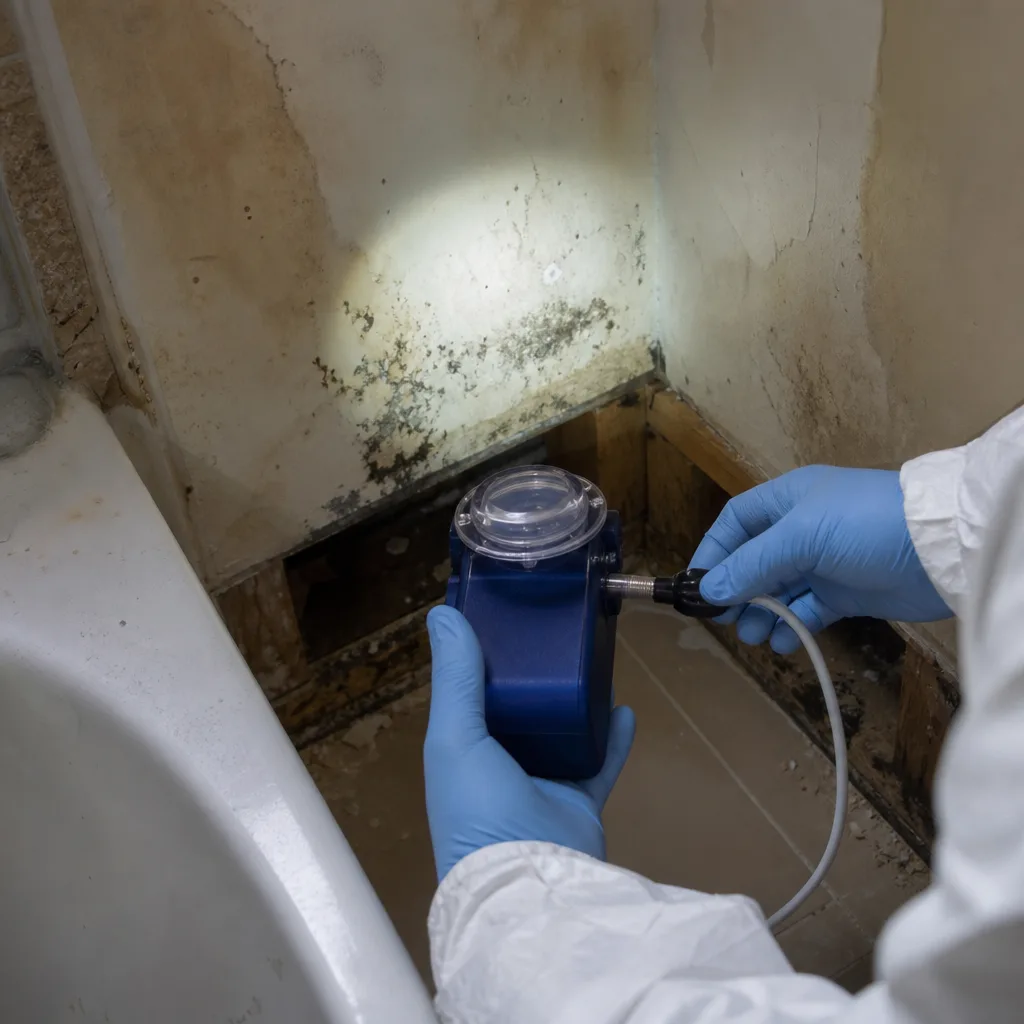
Hidden mold presents differently. A wall cavity with active growth often reads normal on exterior surfaces while emitting a sharp, sweet odor distinct from typical mustiness. We use borescope inspection through ¼-inch probe holes to document cavity conditions without destructive opening, with photo records of each insertion point under The Haven Standard.
Miami Beach-Specific Warning Signs Competitors Miss
Miami Beach construction exists in tension with its environment: porous limestone substrate, high water table, salt air corrosion, and building stock ranging from 1920s Art Deco to 2020s glass towers. Generic warning sign guides miss the markers that matter here.
Efflorescence on concrete block walls
White, crystalline deposits on interior CBS (concrete block structure) walls are not paint failure. They are soluble salts deposited by evaporating water that has wicked upward from the water table or laterally through foundation joints. In Miami Beach, where the water table sits 3-6 feet below grade in most neighborhoods, efflorescence indicates rising damp that bypasses standard vapor barriers.
The threshold: efflorescence appearing above 18 inches from floor level suggests hydrostatic pressure sufficient to compromise interior finishes. Below 18 inches, it may be seasonal capillary action. Above 36 inches, it signals a significant breach in the foundation waterproofing system. We document this with calcium chloride tests measuring vapor emission rate from the slab surface, with readings above 3 pounds per 1,000 square feet in 24 hours requiring mitigation.
AC register rust and duct condensation
Rust on ceiling air supply registers in Miami Beach is rarely “just humidity.” It indicates condensation forming on the exterior of supply ducts where chilled air meets the dew point of surrounding attic or chase air. In high-rise condos along Collins Avenue and Ocean Drive, we see this pattern when building envelope depressurization draws unconditioned corridor air across ductwork. The threshold: rust appearing on more than 30% of register surface area, or rust on registers in interior rooms (not perimeter exposure units), signals duct insulation failure or airflow imbalance requiring mechanical assessment before water damage propagates into ceiling assemblies.
Stucco cracking patterns in coastal exposure
Hairline cracking in exterior stucco is normal. Cracking that follows a stair-step pattern through mortar joints, or horizontal cracking at floor lines in multi-story construction, indicates differential settlement accelerated by salt-air corrosion of embedded steel. In Miami Beach’s mid-beach and North Beach areas with 1950s-1970s construction, this pattern often conceals water intrusion at slab edges that has already reached interior framing.
Garage floor darkening and tire tracking
Concrete garage floors that darken permanently where vehicles park are not oil stains. They indicate moisture vapor transmission through the slab, with tire rubber trapping evaporation. In Miami Beach’s lowest-elevation properties, particularly in Sunset Harbour and Flamingo Park areas, this pattern correlates with slab moisture readings above 90% relative humidity and predicts flooring adhesive failure if finished surfaces are installed without vapor barrier remediation.
How to Photograph Warning Signs to a Defensible Standard
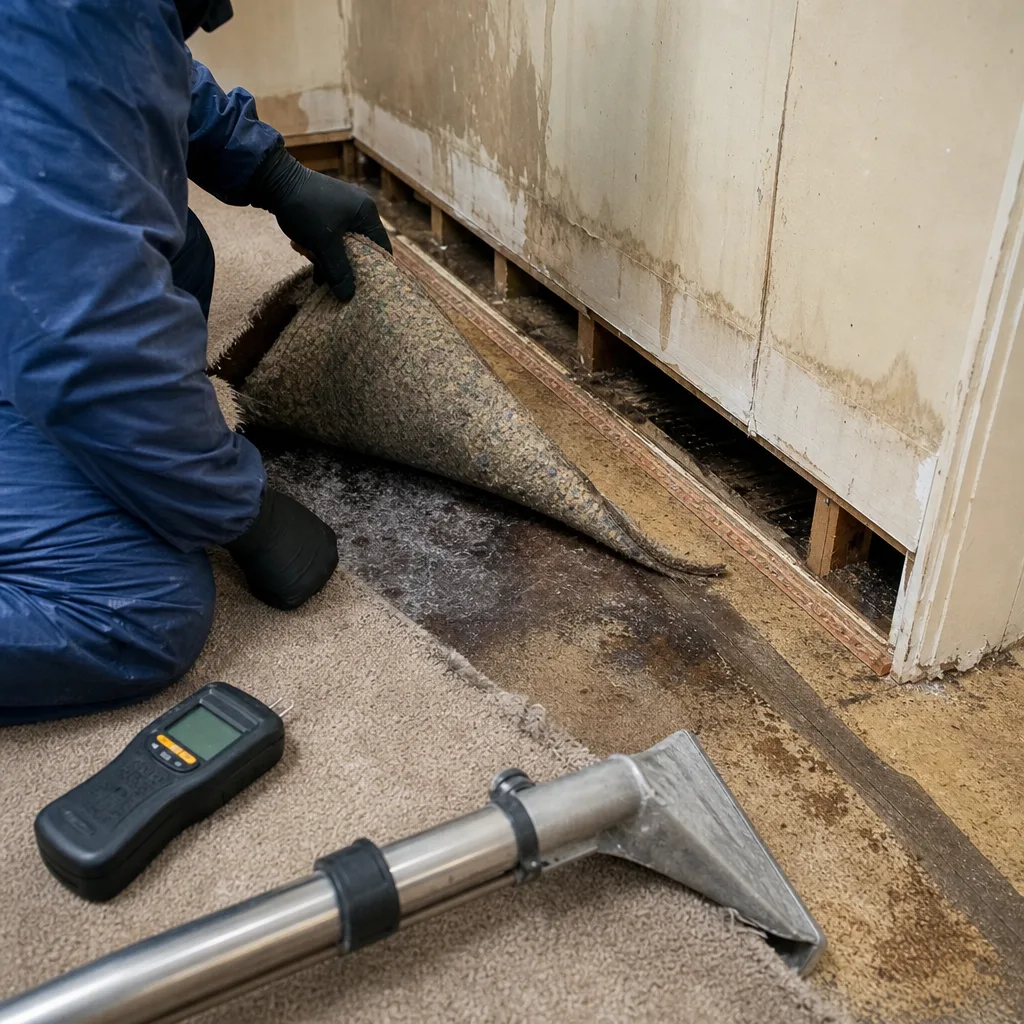
Photos taken before a loss event become evidence in a subsequent claim if they meet documentation standards. We have seen Miami Beach homeowners denied coverage because their “before” photos lacked the metadata or composition that insurers require to establish pre-loss condition.
- Include a scale reference in every frame. A standard ruler, credit card, or coin provides dimensional context. For moisture readings, photograph the meter display with the probe in contact with the material, showing both the reading and the material surface in the same frame.
- Shoot three angles minimum: overall, mid-range, close-up. The overall establishes location within the room. Mid-range shows the warning sign in context of surrounding finishes. Close-up captures detail at maximum resolution. This sequence mirrors the documentation standard we use on every DryMark Restoration Miami Beach visit.
- Enable date, time, and GPS metadata. On iPhone: Settings > Camera > Formats > ProRAW & Resolution Control, then ensure Location Services is enabled for Camera. On Android: Camera settings > Save location data, timestamp watermark. Insurers verify metadata integrity; screenshots or forwarded images strip this data.
- Photograph the measurement tool itself. If using a moisture meter, include the make, model, and calibration date in one frame. Consumer-grade meters drift; documenting the instrument establishes measurement credibility.
- Store originals in cloud backup with upload timestamps. Email copies to yourself or use a service with immutable upload records. Modified files carry different metadata that insurers may challenge.
- Write a contemporaneous note. One paragraph: date, time, weather conditions, what prompted the photo, and any recent changes to the property (plumbing work, roof repair, AC service). This transforms a photo into a documented observation.
The photo record we produce under The Haven Standard includes all six elements as standard deliverables, never as upsells. When a Miami Beach homeowner brings us pre-loss documentation, we integrate it into the claim file with chain-of-custody notation that adjusters accept without dispute.
What Florida Insurers Flag as Evidence of Prior Neglect
Florida insurance law permits carriers to deny or reduce claims where post-loss inspection reveals conditions that predate the reported event. We have reviewed thousands of claim files since 2011, and certain warning signs appear repeatedly in denial documentation. A homeowner who photographs these conditions before they worsen creates a record of ongoing maintenance, not neglect.
Stained grout in tile installations
Grout discoloration in showers, kitchen backsplashes, and floor tile indicates ongoing moisture exposure that has compromised the grout’s cementitious binder. The insurer threshold: staining affecting more than 20% of grout lines in a single wet area, or any staining accompanied by grout erosion (powdering when scraped with a fingernail). Document with close-up photos showing the stained area adjacent to intact grout for color comparison.
Paint bubbling below window sills
Bubbling or peeling paint in the 6-12 inches below window sills signals water intrusion at the sill-to-wall junction, typically from failed caulking or improper flashing. In Miami Beach’s salt-air environment, this failure accelerates. The insurer threshold: any bubbling that has broken the paint film to expose substrate, or bubbling that reappears within 90 days of repainting. Photograph with the window frame, sill, and affected wall in the same frame to establish the water path.
Soft flooring near plumbing fixtures
Sponginess, deflection, or tile cracking near toilets, tubs, and kitchen sinks indicates subfloor degradation from chronic leakage. The insurer threshold: deflection greater than 1/8 inch under 150 pounds of point load, measured with a straightedge and feeler gauge. We document this with moisture readings at the soft spot and at a reference point 24 inches away; a differential above 4% in plywood subfloors or 2% in OSB triggers professional assessment.
Corroded supply line fittings
Green or white corrosion on copper or brass fittings beneath sinks and behind toilets indicates slow seepage that has evaporated, leaving mineral deposits. The insurer threshold: corrosion visible on more than 50% of fitting surface area, or any corrosion with active moisture or crystalline deposits (indicating ongoing, not historical, leakage).
Discolored ceiling tiles in drop ceilings
In Miami Beach commercial and residential buildings with accessible plenums, stained ceiling tiles are treated as maintenance items. The insurer threshold: staining on more than two contiguous tiles, or any staining with sagging or texture change in the tile face. Replace and photograph the removed tile with date stamp; the new tile establishes a maintenance baseline.
Room-by-Room Reference: Five Highest-Probability Locations
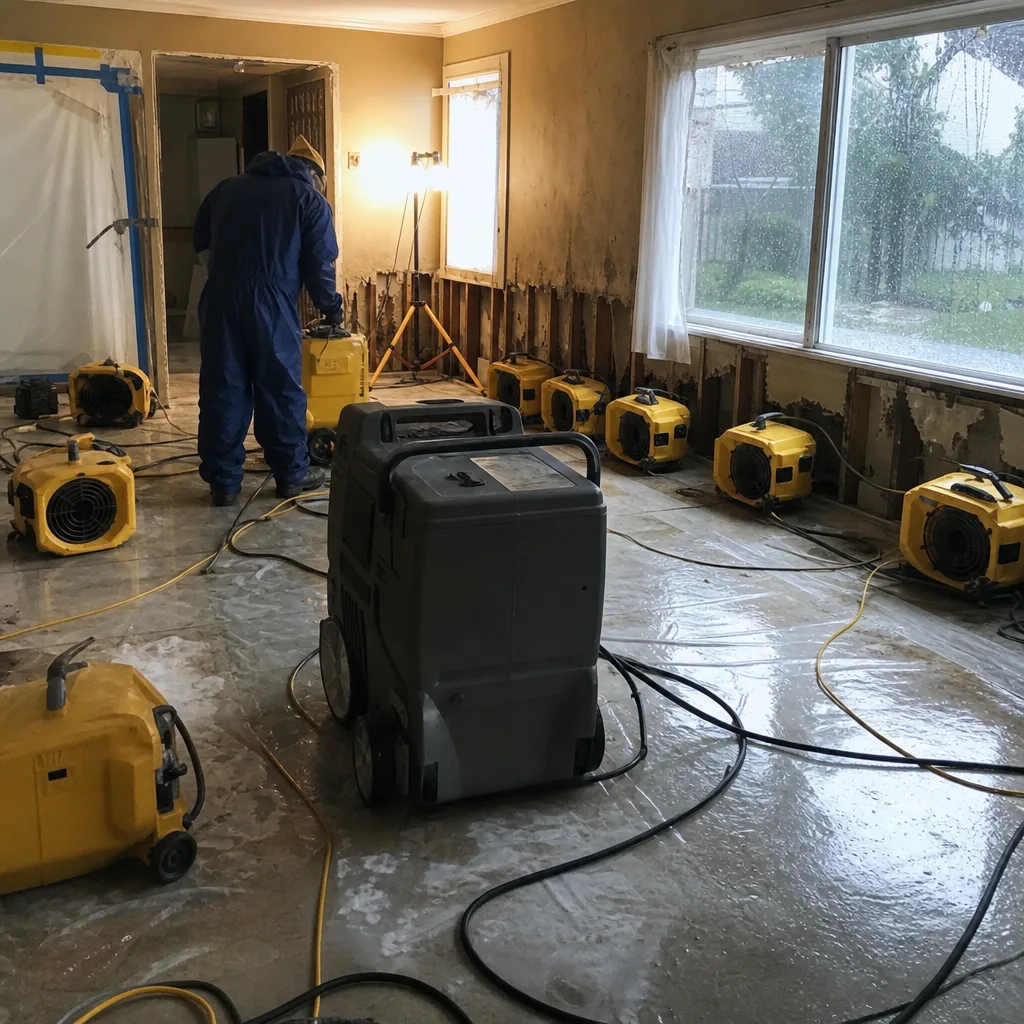
Miami Beach construction types share common failure points by room function, not by building age alone. We organize our assessments by these locations, documented in written scope format before any work begins under Haven Standard, Clause 1.
Kitchen
- Dishwasher supply and drain connections: flexible braided supply lines fail at the crimp after 5-7 years in Miami Beach’s chloride water chemistry
- Refrigerator ice maker saddle valves: pierced copper lines corrode at the puncture point; inspect annually for green staining
- Sink cabinet base: particleboard bottoms swell at 15% moisture, destroying cabinet structure before visible leakage occurs
- Window above sink: failed glazing compound allows wind-driven rain; check for paint failure at the sill interior
- Slab penetration for gas or water: in CBS construction, the sleeve around the pipe often lacks proper sealant, creating a direct water table path
Bathroom
- Toilet flange seal: wax rings compress and fail; any movement of the bowl indicates seal compromise
- Shower pan weep holes: blocked weep holes in tile shower pans cause water to accumulate in the mortar bed, with failure typically at 8-15 years
- Exhaust duct termination: ducts that terminate in attics rather than exterior deposit moisture directly into ceiling assemblies; verify termination point
- Grout and caulk junctions: any separation between tub/shower and wall finish allows direct water penetration
- Vanity supply stops: angle stops with integrated supply lines (common 1995-2010) have documented failure rates exceeding 25% at 10 years
Living Areas
- Exterior door thresholds: in high-rise condos, sliding door tracks corrode and lose weep drainage; in single-family, threshold flashing fails
- HVAC supply registers: rust or condensation staining as detailed in the Miami Beach-specific section
- Window corners: bottom corners of aluminum-frame windows accumulate condensation that damages drywall returns
- Electrical outlet perimeters: darkening or rust on outlet faceplates indicates moisture in the wall cavity
- Baseboard-to-floor junction: gaps or staining suggest slab moisture or plumbing leakage in the wall below
Garage
- Slab perimeter at foundation walls: the cold joint between slab and foundation is the primary water table entry point
- Water heater pan and drain: pans without drains, or drains that terminate above slab, contain rather than remove leakage
- Washer supply boxes: recessed boxes in CBS walls often lack proper flashing; check for staining on the block surface
- Overhead door track mounts: penetration through the wall for track brackets creates water paths during wind-driven rain
- Floor drain trap primers: evaporated traps allow sewer gas and, in flooding events, backflow; monthly visual check of water level
Exterior and Utility
- AC condensate line termination: lines that terminate at foundation perimeter saturate soil and promote slab moisture
- Irrigation system backflow preventer: failure discharges water at the foundation; check for staining on adjacent surfaces
- Stucco control joints: proper joints every 144 square feet; missing or sealed joints cause cracking that admits water
- Roof penetration flashing: plumbing vents, exhaust fans, and solar mounts are the highest-failure roof elements in Miami Beach’s UV exposure
- Balcony and terrace drains: debris accumulation causes overflow that penetrates the slab; quarterly cleaning is maintenance, not optional
Common Mistakes to Avoid
- Waiting for visible water. By the time water breaches a surface in Miami Beach’s humidity, the damage behind it has typically progressed through tertiary drying failure and into mold germination. The threshold for action is the moisture reading, not the stain.
- Using consumer-grade meters without calibration verification. Pinless meters read to ¾-inch depth maximum and are confounded by metal fasteners, foil-backed insulation, and tile. Pin-type meters with insulated shafts provide accurate depth-specific readings but require annual calibration. We document our instrument calibration dates on every assessment.
- Treating all humidity equally. Relative humidity above 60% for 72 hours triggers action only if it is uncontrolled interior humidity. Exterior humidity during a weather event is expected; humidity that persists after AC restoration or dehumidifier operation indicates a moisture source, not weather.
- Photographing without scale or metadata. Images that cannot be dated, located, or dimensioned are inadmissible in claim disputes. The six-step protocol in this guide prevents this.
- Assuming new construction is immune. Miami Beach’s 2020-2024 construction boom produced buildings with documented envelope failures in the first 24 months. Tighter construction increases vapor pressure differentials and accelerates hidden moisture accumulation when the envelope is breached.
- Ignoring seasonal patterns. October through December in Miami Beach brings the highest insurance claim volume not from hurricane exposure but from AC system transitions: units that ran continuously June-September develop coil and drain pan issues when cycling patterns change, producing the first sustained condensation events of the season.
When to Call a Professional
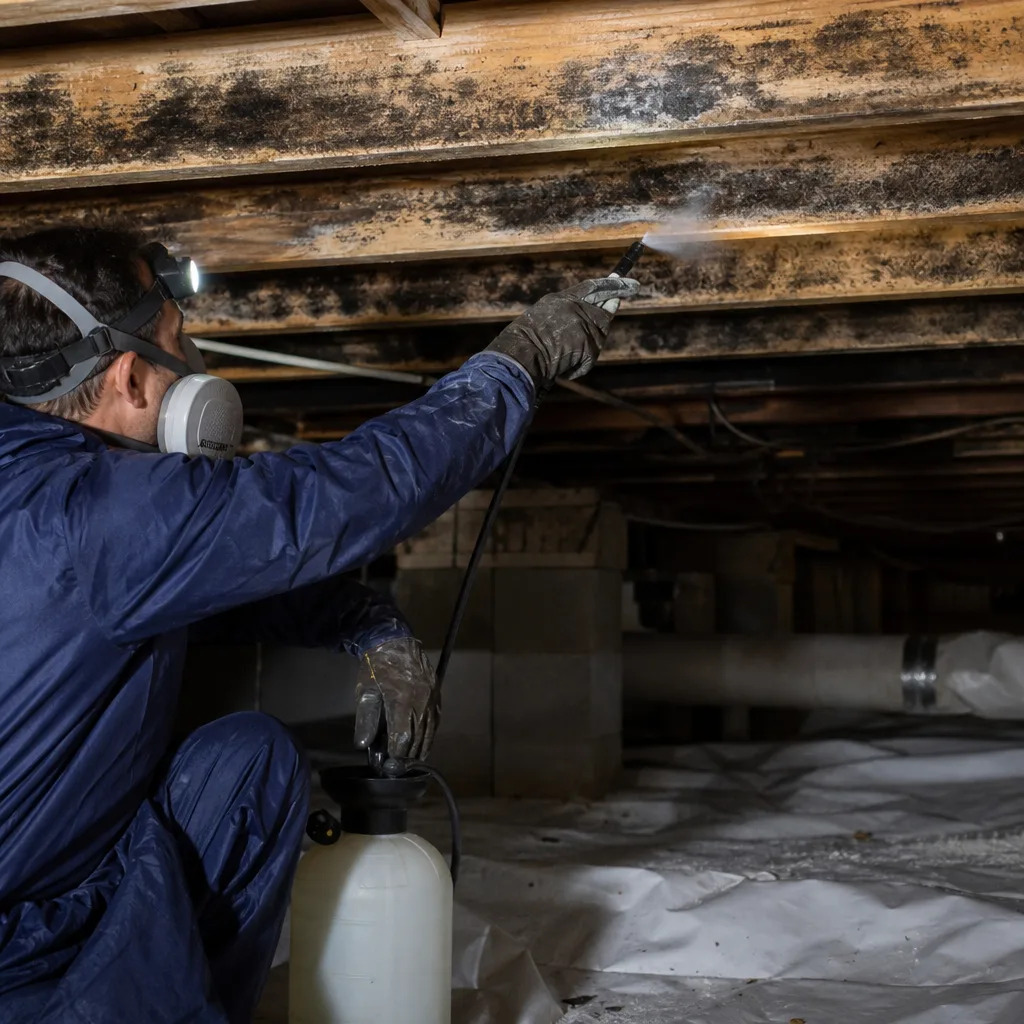
Call for assessment when any threshold in this guide is crossed, when you cannot identify the moisture source, or when documentation is required for insurance purposes. If you’re unsure who to call, read our How to Hire a Damage Restoration Contractor in Miami Beach: A Step-by-Step Guide. Do not attempt to open wall cavities, access crawl spaces with electrical hazards, or disturb mold colonies exceeding 10 square inches.
DryMark Restoration Miami Beach offers free estimates in Miami Beach. Our assessments include written moisture readings, a photo record, and a documented scope with pricing before any work begins under Haven Standard, Clause 1. We also provide a Free Second Opinion on any competitor’s written estimate. Call (786) 384-5591 to schedule.
Frequently Asked Questions
A moisture reading of 16% or higher in softwood framing, 12% or higher in hardwood flooring, or 13% or higher in drywall indicates active water damage requiring professional assessment. The more critical measure is the differential between the suspected area and a known-dry reference point on the same material; a 2% or greater difference in adjacent areas of the same wall signals a hidden leak. Call (786) 384-5591 for a documented moisture assessment with written readings.
At Miami Beach’s typical summer conditions of 80°F and 70% relative humidity, common mold species like Aspergillus germinate within 24-48 hours on wet cellulose materials. Stachybotrys chartarum, the species associated with long-term water damage, requires 8-12 days of sustained moisture above 60% humidity to become visible. Year-round humidity here means mold does not pause in winter as it does in northern climates.
Coverage depends on documentation of maintenance and response timing. Florida insurers may deny claims where post-loss inspection reveals evidence of prior neglect, such as stained grout, paint bubbling below window sills, or soft flooring near fixtures. Photographing warning signs with date-stamped metadata, as described in this guide, establishes a record of ongoing maintenance rather than neglect. We coordinate directly with adjusters and provide photo-documented assessments that support claim validity.
Efflorescence is the white, crystalline deposit left when water evaporates through concrete or masonry, carrying soluble salts to the surface. In Miami Beach, where the water table sits 3-6 feet below grade and CBS construction is prevalent, efflorescence on interior walls indicates rising damp from hydrostatic pressure, not surface moisture. This pattern predicts flooring failure, paint delamination, and mold colonization in wall cavities. Calcium chloride vapor emission testing determines whether the condition requires professional mitigation.
Rust on more than 30% of a register’s surface area, or rust appearing on interior room registers (not just perimeter exposure units), signals duct condensation from insulation failure or building depressurization, not ordinary humidity. In Miami Beach high-rises, this pattern often indicates envelope air leakage that draws unconditioned corridor air across chilled ductwork. The condensation damages ceiling assemblies and promotes mold in cavities above the finished ceiling.
A defensible assessment includes: moisture meter readings with instrument make, model, and calibration date; photographs with scale reference and GPS metadata; a written scope of work with line-item pricing before any work begins; and a daily drying log if mitigation proceeds. Under The Haven Standard, DryMark Restoration Miami Beach delivers all of these as standard, including the 365-Day Done Right Promise documented in writing on every job. Bring any competitor’s written estimate for a Free Second Opinion at no charge.
The Bottom Line
Water damage in Miami Beach rarely arrives without announcement. It announces through 2% moisture differentials, 10-square-inch mold thresholds, efflorescence patterns at specific heights, and AC register rust in interior rooms. The homeowners who avoid the largest restoration bills are not those with the best insurance; they are those who recognize these signals as data points requiring action, not as cosmetic issues to monitor. Document what you find. Measure what you suspect. And when a threshold is crossed, obtain a written assessment with pricing before work begins. That is the standard we have applied to 12,000 homes since 2011, and it is the standard this guide is written to extend.
Written by Alicia Brennan, Owner at DryMark Restoration Miami Beach, serving Miami Beach since 2011.