
Last updated September 23, 2026
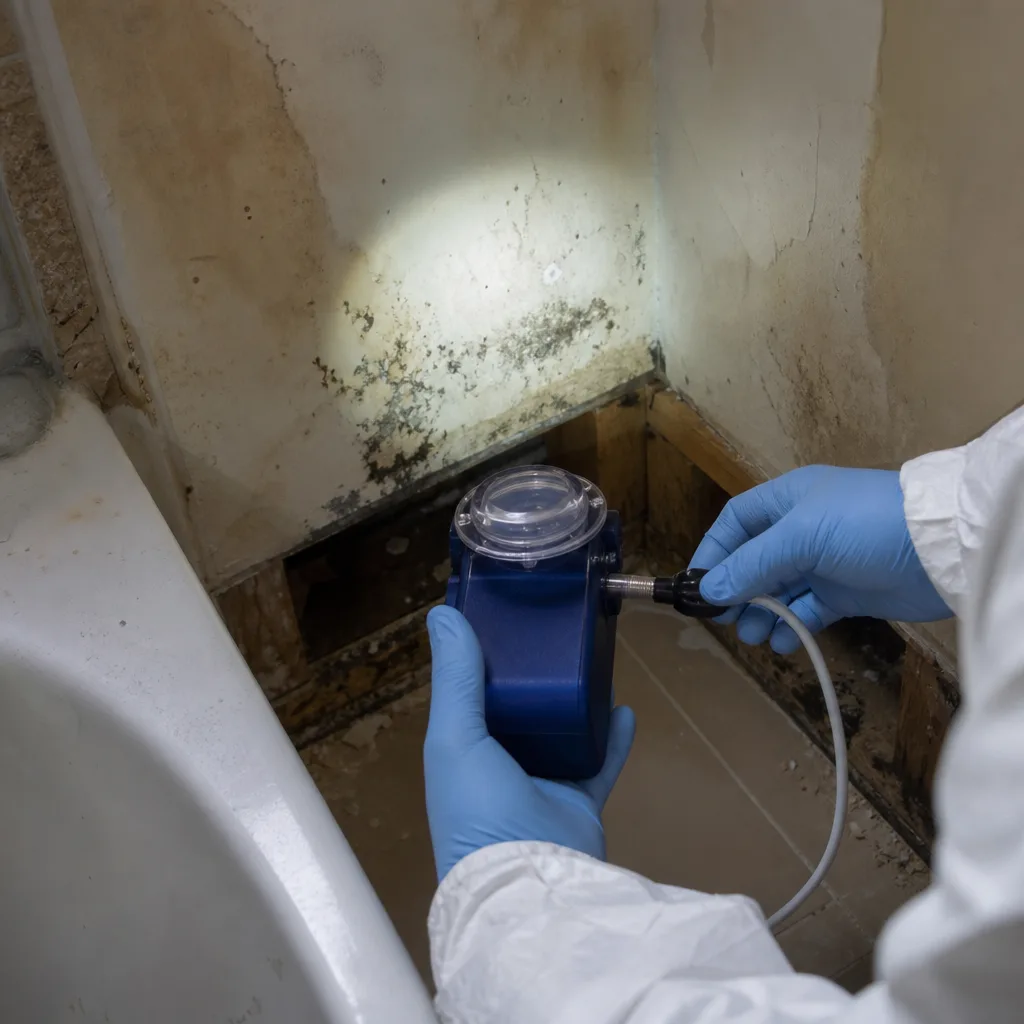
Free visual inspection and a written scope of work before any mitigation begins - photos, moisture readings, and drying logs go in your claim file
The scope we write is the scope we bill. Anything new gets shown to you, in writing, before we touch it.
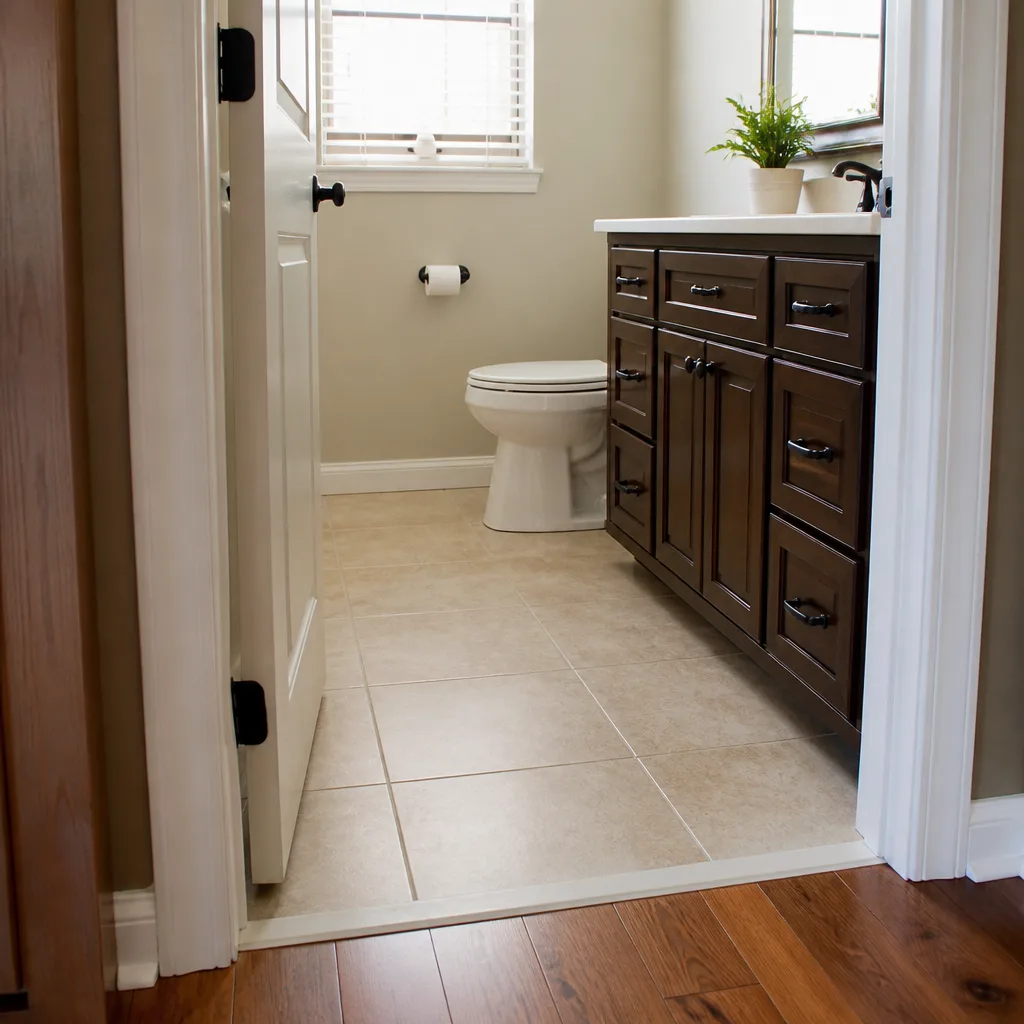

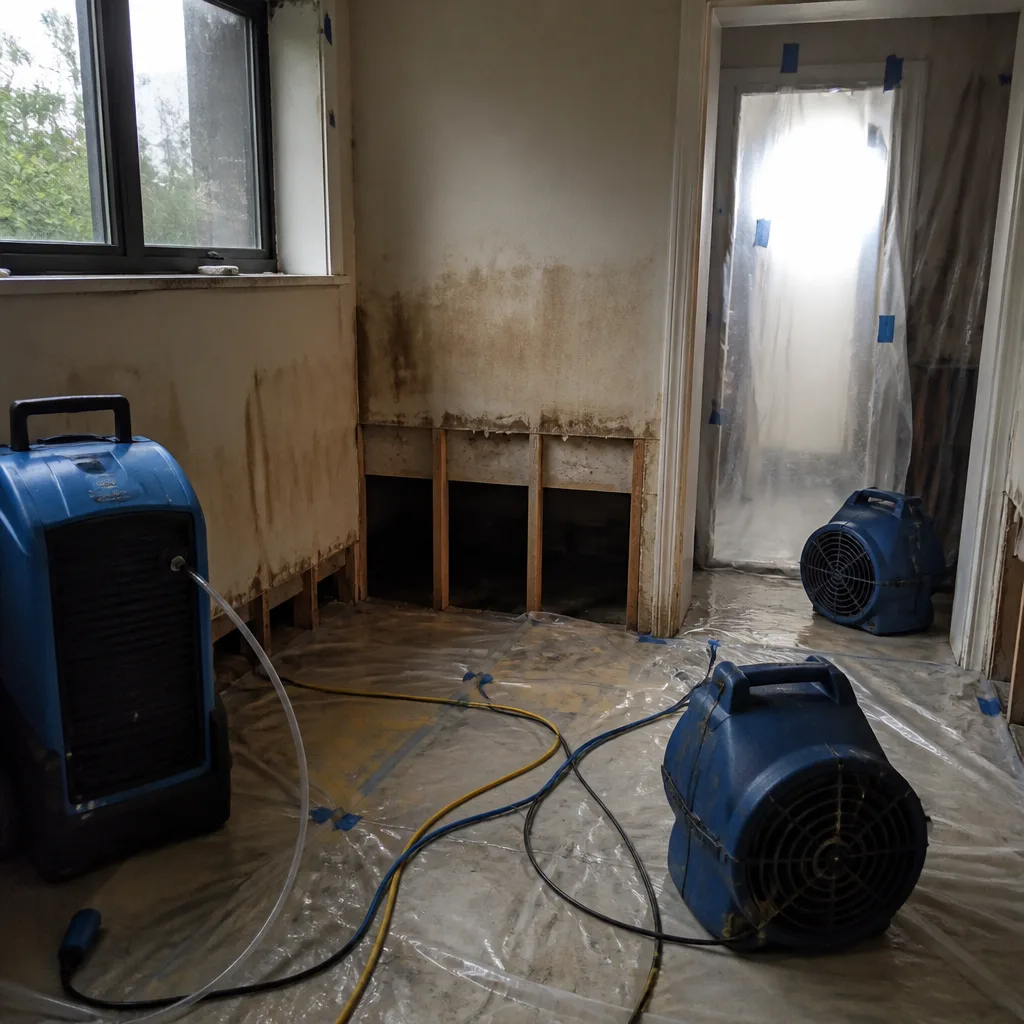 Before
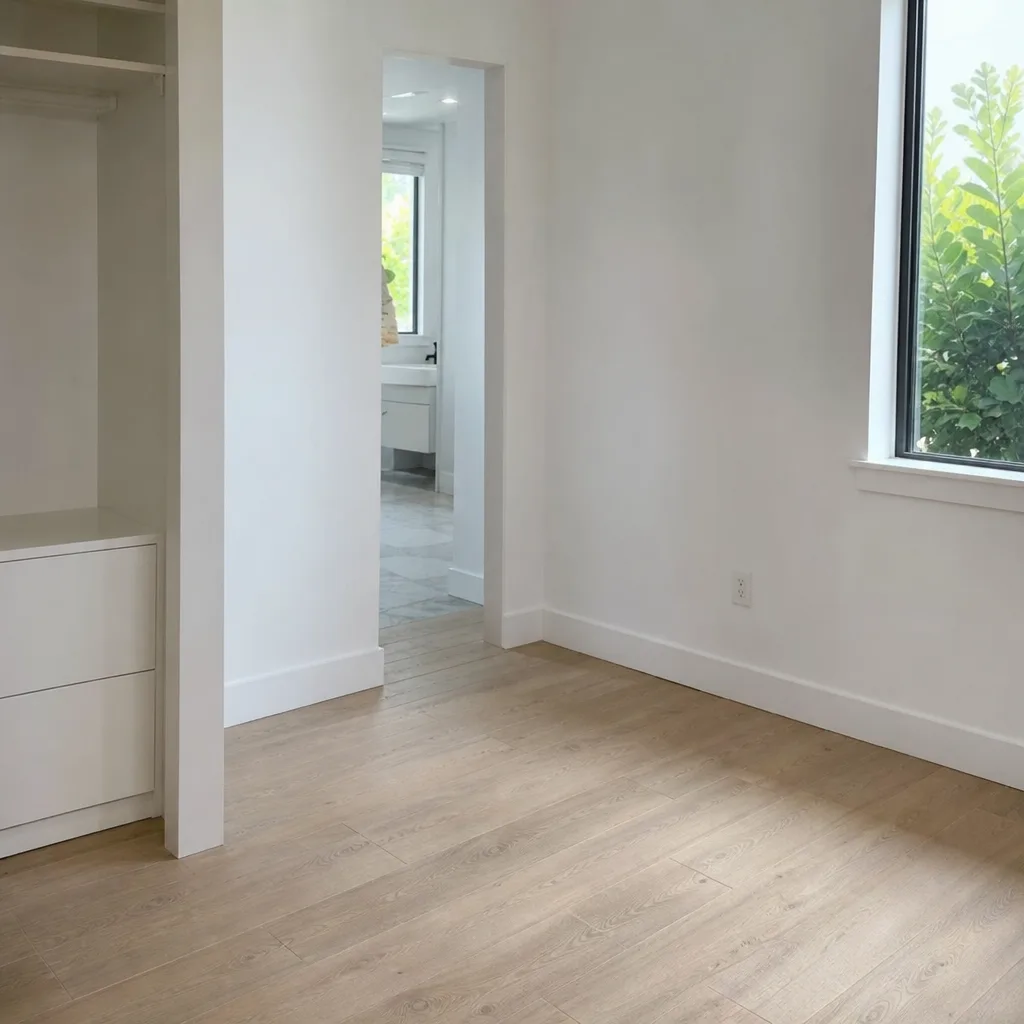 After
After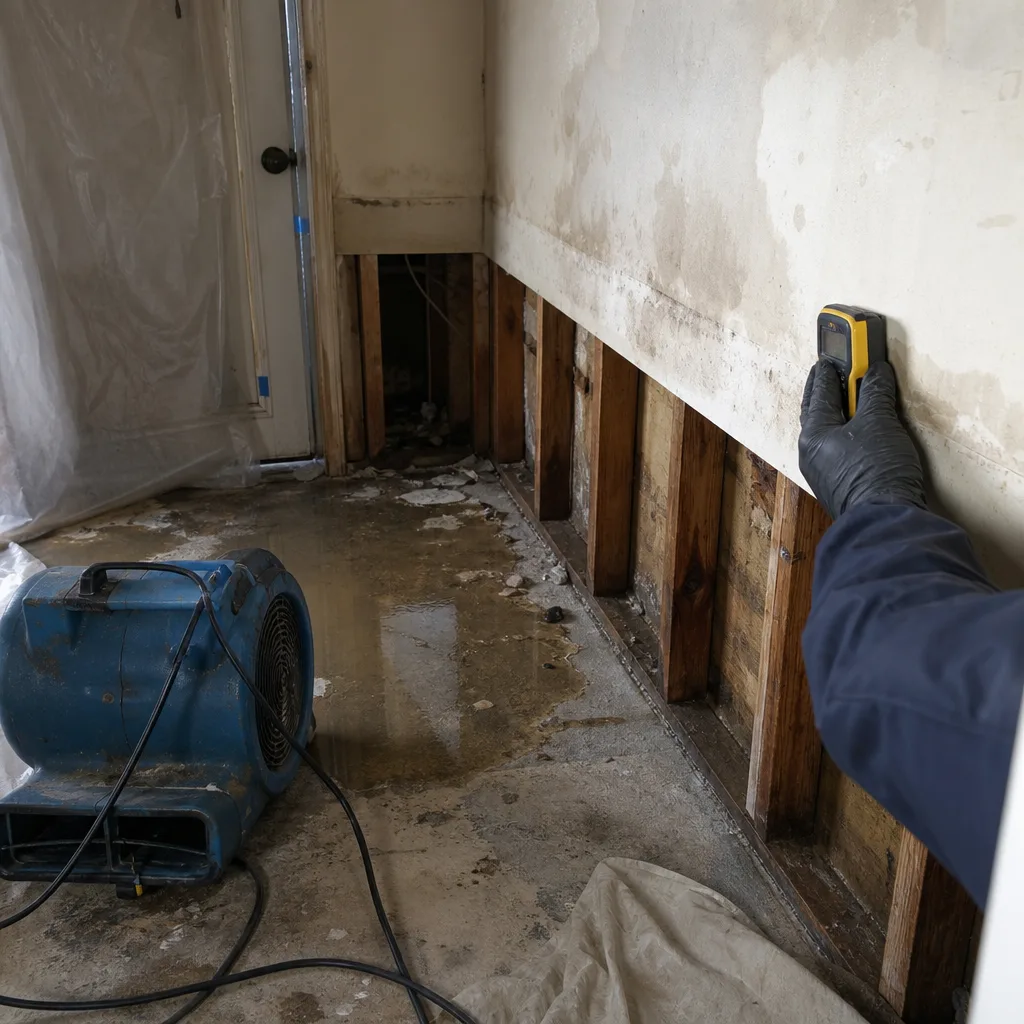 Before
 After
After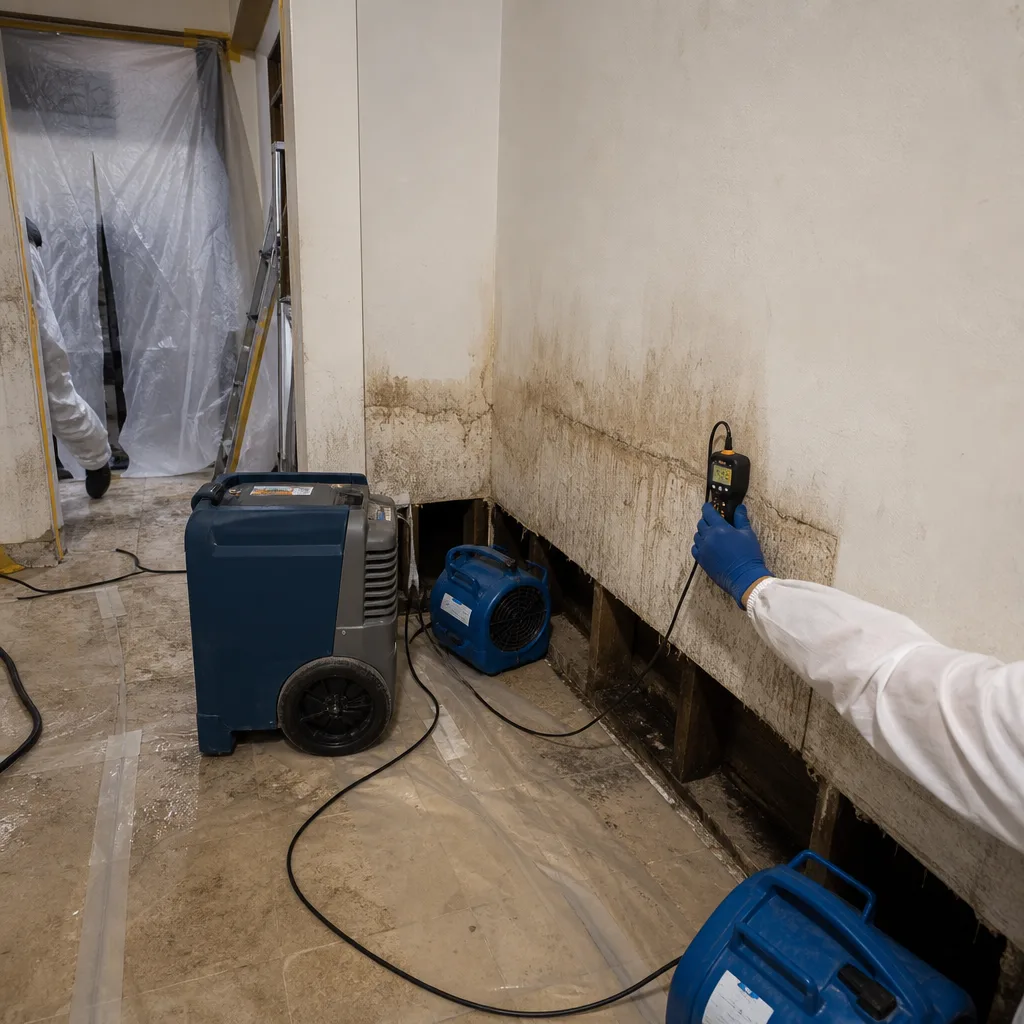 Before
 After
AfterSeasonal Damage Restoration Care for Miami Beach: Year-Round Homeowner’s Guide
February is Miami Beach’s highest month for slab leak discovery. Not because pipes fail in winter, but because reduced AC runtime drops interior humidity and makes pressure anomalies audible that summer masking noise concealed. Most homeowners here don’t face four distinct seasons. They face two damage windows: hurricane season’s wind and water intrusion from June through November, and dry season’s HVAC-driven condensation and plumbing stress from December through May. Conflating them into a single generic checklist misses both. This guide-along with our Complete Guide to Damage Restoration in Miami Beach-assigns specific, measurable tasks to each window based on the failure patterns that actually generate Miami Beach restoration calls.
Quick Answer
Miami Beach homeowners need two distinct maintenance protocols: a pre-hurricane season documentation and inspection routine (April-May) focused on wind-driven water entry points, and a dry-season HVAC and plumbing monitoring routine (December-March) focused on condensation, slab leaks, and salt-deposited sealant failure. Each protocol includes specific moisture thresholds, photo documentation standards, and monthly log entries that serve as pre-loss evidence if a claim becomes necessary.
Table of Contents
- Why Miami Beach Has Two Damage Windows, Not Four Seasons
- Pre-Hurricane Season Documentation: April-May Tasks
- Active Hurricane Season Protocols: June-November
- Dry Season HVAC and Plumbing Monitoring: December-March
- Salt Deposition on West-Facing Walls: The October-January Risk
- Month-by-Month Log Format for Documentation
- What Seasonal Damage Restoration Costs in Miami Beach
BeforeAfterWhy Miami Beach Has Two Damage Windows, Not Four Seasons
The continental seasonal model doesn’t apply here. Miami Beach sits at 25.8 degrees north latitude with a tropical monsoon climate classification. Average relative humidity stays above 70% eight months of the year. Annual rainfall exceeds 60 inches, with over 60% concentrated between June and October. These numbers create distinct failure patterns that don’t align with spring, summer, fall, and winter.
We’ve documented this through 12,000+ homes restored since 2011. The patterns are consistent. Hurricane season damage arrives suddenly: wind-driven rain through compromised window seals, roof membrane lifting, storm surge backflow through drainage systems. Dry season damage arrives gradually: condensate line blockages that rot soffits over weeks, slab leaks that undermine flooring before visible staining appears, salt-catalyzed sealant failure that allows moisture migration behind stucco.
The critical distinction for homeowners is claim classification. Sudden damage, documented within 72 hours of the event, typically receives coverage under standard HO-3 and HO-5 policies. Gradual damage, even when the root cause is a covered peril, often falls under maintenance exclusions. This is why timing and documentation matter more in Miami Beach than in climates where freeze-thaw cycles or seasonal snow load create obvious annual inspection points.
Our water damage restoration in Miami Beach work regularly involves claims denied because the homeowner couldn’t establish when damage began. The two-window model prevents this by assigning specific inspection tasks to specific calendar periods, creating a dated record.
Pre-Hurricane Season Documentation: April-May Tasks
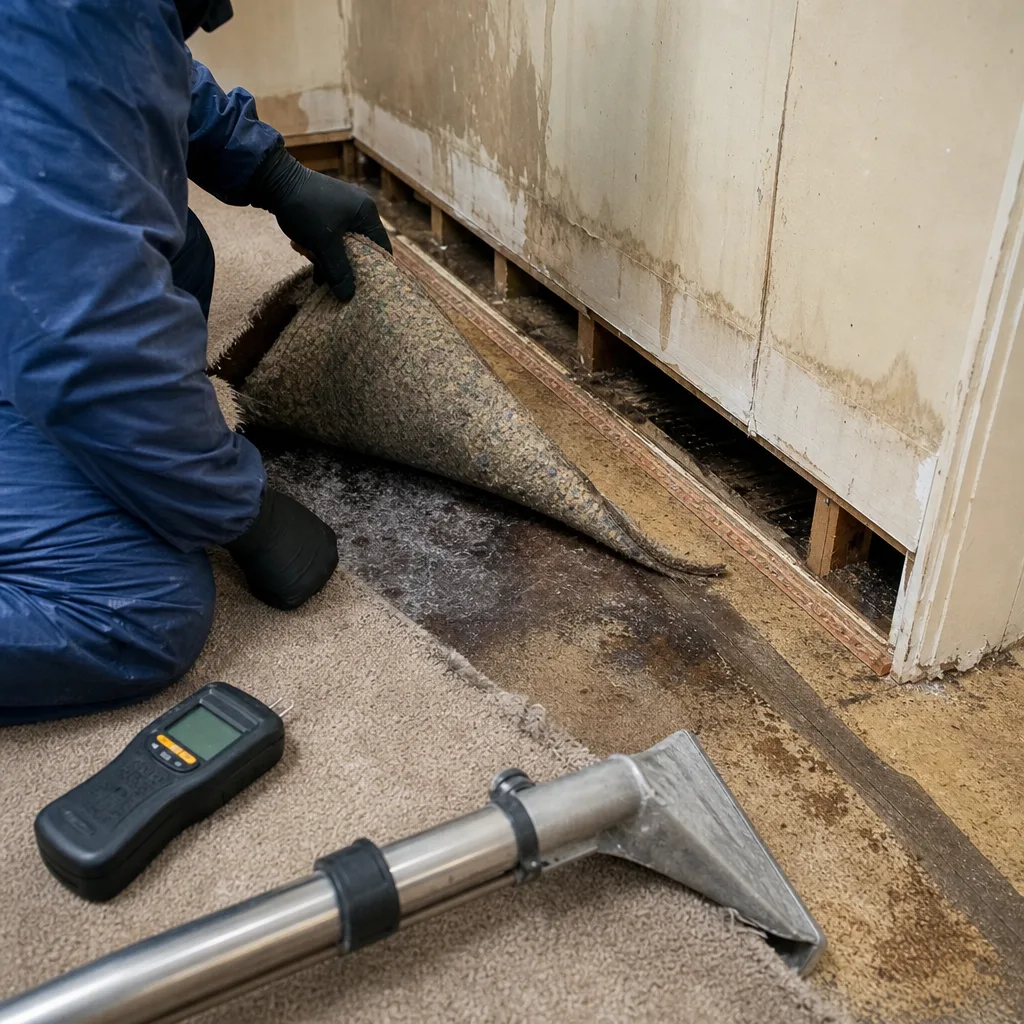
April and May are the only reliable window for pre-storm documentation. Once the tropical Atlantic warms and the first waves begin forming off Cape Verde, most homeowners shift to supply gathering and shutter installation. Documentation gets deferred until it’s too late to establish baseline condition.
The standard we apply, drawn from IICRC documentation protocols and refined through adjuster review of thousands of claims, requires four elements:
- Consistent-angle photography of every room. Stand in the same corner each year, use the same focal length, and capture all four walls plus ceiling and floor. Store with date stamps in cloud backup. Post-storm comparison of these images has proven admissible in Florida insurance disputes when metadata is preserved.
- Roof and envelope inspection with written condition notes. Document membrane seams, flashing points, and sealant beads around windows and penetrations. Note any cracking, lifting, or separation. This isn’t a prediction of failure; it’s evidence of pre-event condition.
- Drainage system verification. Clear gutters, scuppers, and perimeter drains. Test sump pump operation with measured discharge rate. Photograph clear flow. In Miami Beach’s flat-grade construction, blocked drainage is the primary vector for storm surge and sustained rainfall entry.
- Tree and debris assessment within fall distance. Document canopy condition, deadwood, and proximity to structure. This supports both prevention decisions and post-event causation analysis.
The Haven Standard, Clause 1 applies here in reverse: just as we deliver a written price before work begins on any restoration job, the homeowner should possess a written pre-season condition record before any storm arrives. Both documents serve the same purpose, eliminating dispute over what existed before the event.
Neighborhoods in Miami Beach with particular vulnerability include the lower-elevation sections of South Beach between 5th and 15th Streets, where storm surge historically reaches first, and the mid-century condo stock in North Beach, where original window systems often lack modern impact ratings. Documenting these specific conditions in April, not June, provides the clearest baseline.
Active Hurricane Season Protocols: June-November
Once a named storm enters the forecast cone, the documentation phase ends and the monitoring phase begins. The critical metric is the 72-hour post-storm moisture survey window.
Here’s why this matters. Florida insurance law distinguishes between sudden water damage, which occurs at a definable time and place, and gradual damage, which develops over an extended period. A roof compromised during Hurricane Idalia on August 30, 2023, with water intrusion documented by September 2, is sudden damage. The same roof with water intrusion discovered on September 15, after visible ceiling staining appears, becomes gradual damage. The physical reality is identical. The claim outcome is not.
The 72-hour protocol:
- Visual inspection within 24 hours of storm passage. Photograph any visible water entry, debris impact, or envelope compromise. Use the pre-storm angles for direct comparison.
- Moisture meter survey within 48-72 hours. Check drywall, baseboards, and subflooring in all rooms, especially those beneath roof penetrations and on the windward side. Document readings by location. Wood moisture content above 16% in conditioned space indicates active drying need. Readings above 20% indicate likely microbial growth conditions within 48-72 additional hours.
- HVAC assessment. Verify system startup, condensate drainage, and duct integrity. Storm-driven pressure differentials can separate duct connections and create hidden moisture reservoirs.
- Written scope before any drying begins. This is Haven Standard, Clause 1. A written price delivered before work starts, with no scope-creep additions once the crew is inside. In post-storm conditions, with multiple homes damaged and adjusters overloaded, this documentation discipline prevents the invoice disputes that delay payment for months.
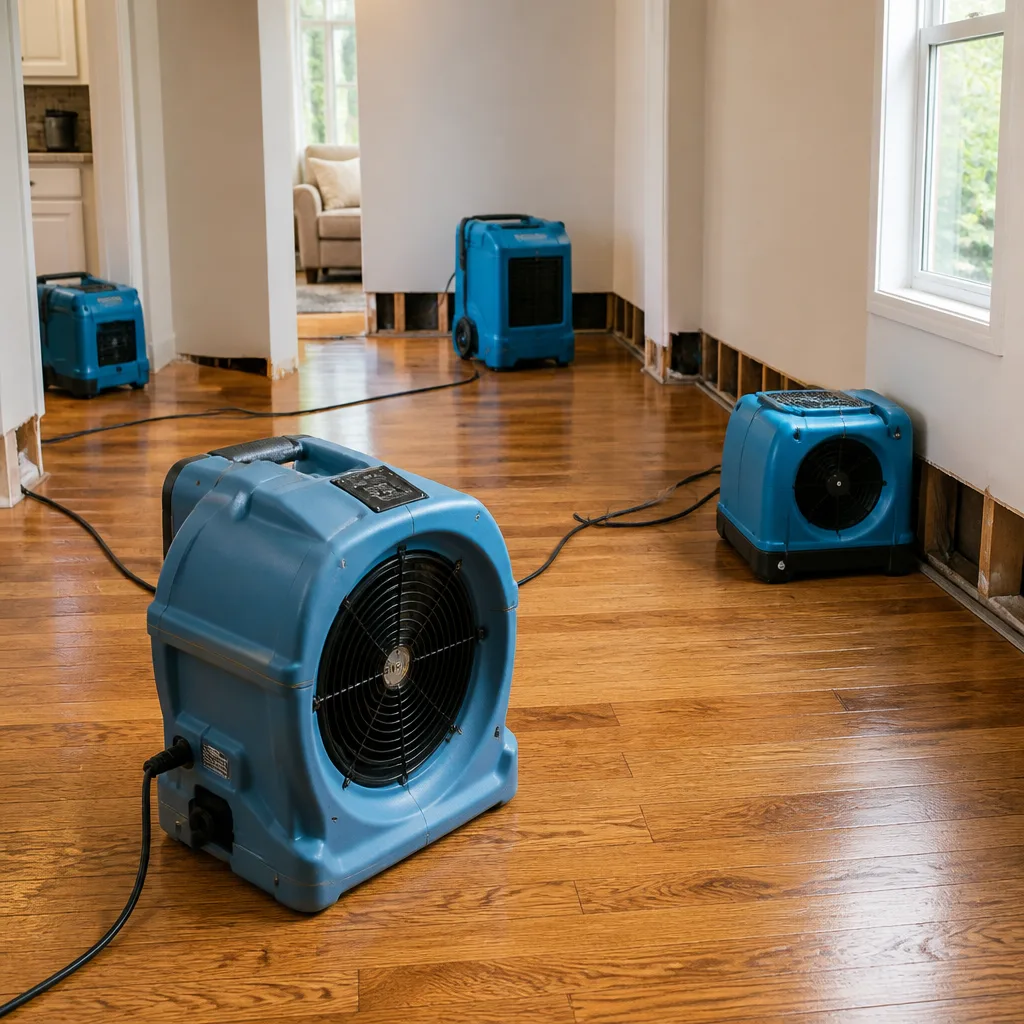
Our DryMark Restoration Miami Beach home page details the full documentation protocol we deploy on every job. The equipment list matters: Dri-Eaz and Phoenix dehumidifiers with logged psychrometric data, Injectidry systems for cavity drying, and daily moisture readings recorded to IICRC S500 standards. These logs become the evidence that converts restoration invoices into payable claims.
One Miami Beach-specific factor: the city’s combined stormwater and sewer system in older districts. Post-storm backup can introduce Category 3 water through floor drains even without visible flooding. Any moisture detection in ground-floor slabs after significant rainfall warrants professional assessment, not DIY extraction.
Dry Season HVAC and Plumbing Monitoring: December-March
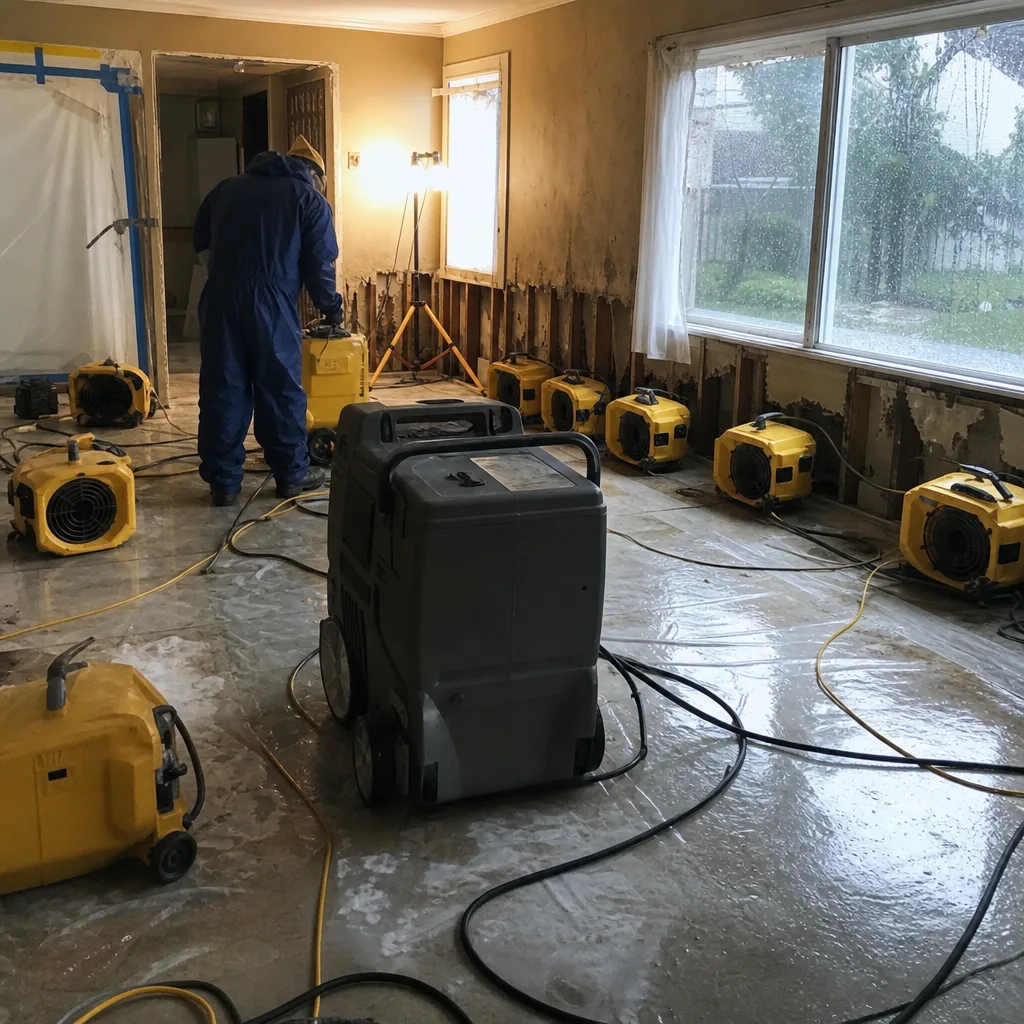
December through March brings lower humidity, reduced rainfall, and the highest rate of concealed damage discovery in our Miami Beach records. The February slab leak peak is the most dramatic example-one we detail in our Water Damage Restoration Maintenance Checklist for Miami Beach Homeowners-but the pattern extends across all systems.
HVAC condensate monitoring is the highest-ROI dry season task. Miami Beach’s cooling load drops sufficiently that many systems cycle less frequently, but humidity remains high enough that condensate production continues during runtime. The difference is dwell time: condensate that drained promptly in summer now sits in pans and lines longer, allowing biofilm buildup and eventual overflow.
Specific intervals and thresholds:
- Primary drain pan inspection: monthly. Remove access panels and photograph pan condition. Any standing water more than 24 hours after system shutdown indicates partial blockage. Clean with nitrogen or approved brush; chemical treatments alone rarely clear established biofilm.
- Secondary pan and float switch test: monthly. Pour measured water into secondary pan and verify float switch triggers shutdown. In Miami Beach’s high-rise and mid-rise stock, failed float switches are the leading cause of ceiling damage in units below.
- Moisture reading at condensate line termination: quarterly. Use pinless meter on drywall or baseboard near line exit. Readings above 12% in dry season indicate slow leak that summer evaporation masked.
- Slab and foundation perimeter: monthly visual, annual professional. Check for efflorescence, tile lifting, or baseboard separation. The reduced ambient humidity of January and February makes pressure anomalies from slab leaks audible, often as ticking or rushing sounds in wall cavities. Document any observations with date and location.
The vapor pressure differential concept matters here. In summer, high outdoor humidity reduces the driving force for moisture movement from slab to air. In dry season, the larger differential accelerates evaporation from any leak point, concentrating salts and accelerating concrete degradation. What appears as “winter damage” is actually accelerated expression of a leak that existed year-round.
Our mold remediation in Miami Beach work sees peak call volume in March and April, as the humidity rise of spring activates colonies that established during dry season in concealed cavities. Early detection through the monitoring above prevents the scope expansion that makes remediation costly.
Salt Deposition on West-Facing Walls: The October-January Risk
Miami Beach’s prevailing easterlies dominate most of the year. From October through January, cold front passages shift winds to northerly and northwesterly components with sustained velocities that carry salt spray across the barrier island. West-facing walls, typically the least weathered surface, receive their highest annual salt deposition during this period.
The mechanism is straightforward. Salt hygroscopically attracts moisture from air above 75% relative humidity, a threshold Miami Beach exceeds regularly. Deposited salt lowers the effective humidity threshold for liquid water formation on surfaces. Paint and sealant systems designed for dry salt exposure fail prematurely when cycling through wet-dry conditions with salt present.
Insurers classify resulting damage as maintenance exclusion in most policies. The gradual nature of paint failure, combined with the homeowner’s duty to maintain exterior surfaces, places remediation costs outside coverage. Prevention is the only viable strategy.
Specific tasks for October-January:
- West wall inspection after each frontal passage. Look for chalking, blistering, or sealant separation. Photograph progression.
- Fresh water rinse: monthly during this window. Low-pressure rinse of west-facing surfaces to remove salt accumulation before hygroscopic cycling begins. Avoid high pressure, which drives water behind compromised sealant.
- Sealant bead inspection at all penetrations and transitions. Window perimeters, utility entries, deck-to-wall junctions. Replace any bead showing adhesion loss or cohesive cracking. Use polyurethane or silicone specified for salt-air exposure, not generic latex caulk.
Buildings west of Collins Avenue in South Beach, and those on the western edge of the bayfront islands, show this pattern most acutely. The salt load is measurable: we’ve documented chloride surface concentrations on west walls in January that exceed east wall annual averages by 40%.
Month-by-Month Log Format for Documentation
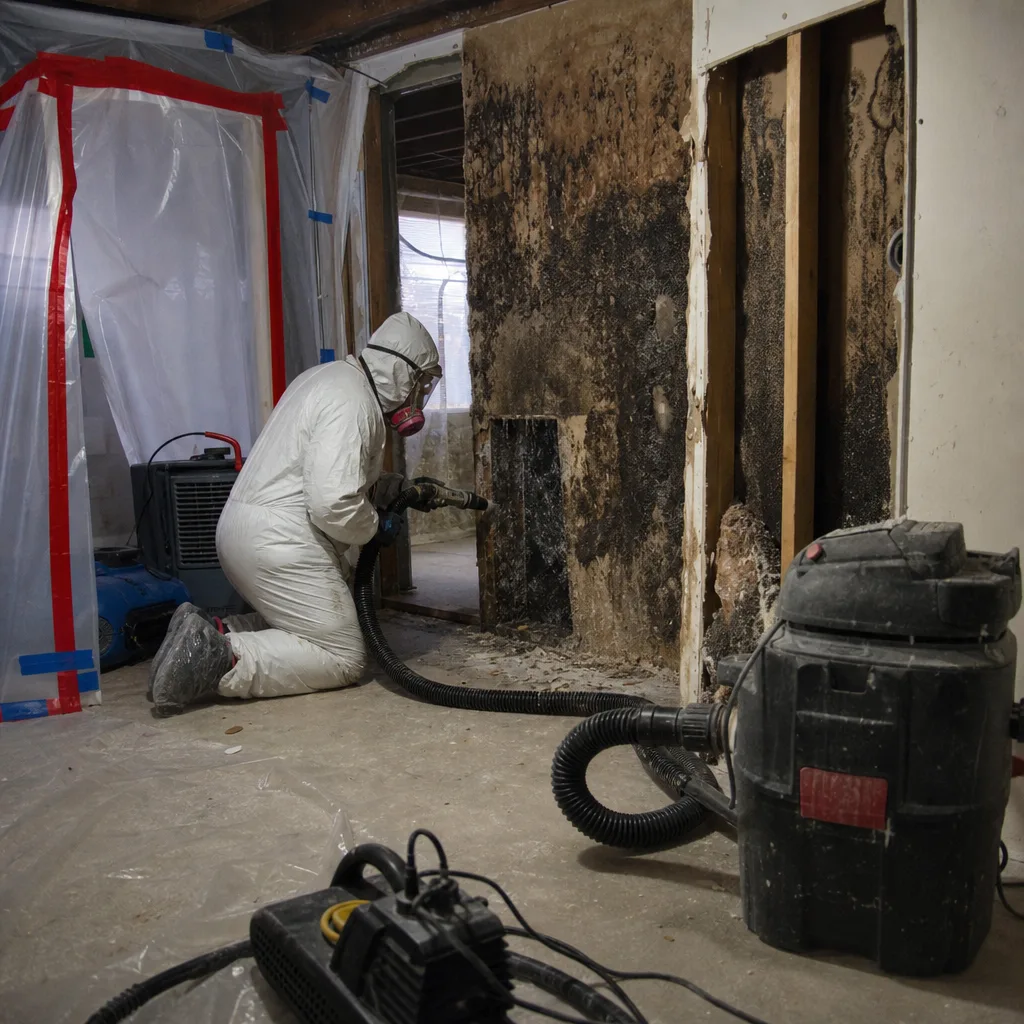
The log serves two purposes: maintenance scheduling for the homeowner, and pre-loss documentation for any claim. Format matters for admissibility. A narrative journal carries less weight than structured entries with consistent data fields.
Recommended format, derived from the daily drying logs we produce on every restoration job:
| Field | Content Standard |
|---|---|
| Date | Calendar date of inspection or observation |
| Location | Room or building face, with consistent naming |
| Observation | Measurable finding: moisture reading, visual condition, sound, odor |
| Action Taken | Specific maintenance performed or professional contact initiated |
| Photo Reference | File name or cloud location of supporting image |
| Next Review Date | Scheduled follow-up based on finding severity |
Example entry:
January 15, 2024. Master bedroom, north wall. Pinless moisture reading 14% at baseboard, 12% at 48″ height. No visible staining. Audible pressure variation in wall cavity consistent with prior February slab leak pattern. Contacted plumber for pressure test; appointment January 18. Photo: MB_NW_20240115_001. Next review: post-plumber, or February 15 if no intervention.
This format produces, over a calendar year, a dated record of property condition and maintenance response. In claim disputes, it demonstrates due diligence and establishes timeline. We’ve seen this log format support successful claim outcomes where unstructured homeowner testimony failed.
Store in cloud backup with automatic sync. Local storage only, on devices vulnerable to storm damage, defeats the purpose.
What Seasonal Damage Restoration Costs in Miami Beach
Pricing visibility is Haven Standard, Clause 1. The ranges below reflect Miami Beach market conditions as of 2024, based on our written scopes delivered before work begins; for deeper cost context, see our Damage Restoration Cost Breakdown: The Miami Beach Homeowner’s Reference for 2026. Actual project pricing varies with square footage, material classification, and access conditions.
| Service Category | Typical Range | Notes |
|---|---|---|
| Emergency water extraction and drying ( Category 1, clean water) | $2,800 - $5,500 | Per affected area; psychrometric logging included; daily moisture readings to IICRC S500 |
| Category 2/3 water damage (gray/black water, including sewage) | $4,500 - $9,200 | Includes antimicrobial application, controlled demolition, HEPA air filtration; higher end for high-rise access |
| Mold remediation, localized (under 10 sq ft visible) | $1,800 - $3,400 | Containment, negative air, removal, HEPA vacuum; post-remediation verification included |
| Mold remediation, whole-room or system | $5,500 - $14,000 | HVAC involvement, cavity work, or extensive drywall removal; tertiary drying phase extends timeline |
| Fire and smoke damage restoration | $8,500 - $25,000+ | Wide range by combustion source and affected square footage; fire & smoke damage restoration in Miami Beach details full protocol |
| Post-storm structural drying and documentation package | $3,200 - $7,800 | Includes photo record, drying log, written scope; direct adjuster coordination available |
| Reconstruction after mitigation (per room) | $4,000 - $12,000 | Scheduled work, not emergency dispatch; written price before work begins, with material selections documented |
These ranges are delivered as written prices before any work starts, with no scope-creep additions once the crew is inside. The Free Second Opinion on any competitor’s written estimate applies: bring another company’s scope and we’ll review it at no charge. This is how documentation-first restoration works. The price is known, the work is defined, and the record is complete.
Insurance coordination is standard on every job. Photo documentation on every visit, direct adjuster communication, and the daily drying logs that turn restoration invoices into payable claims. The 365-Day Done Right Promise, backed by The Haven Standard, applies to all work: if it’s not done right, we make it right.
Common Mistakes to Avoid
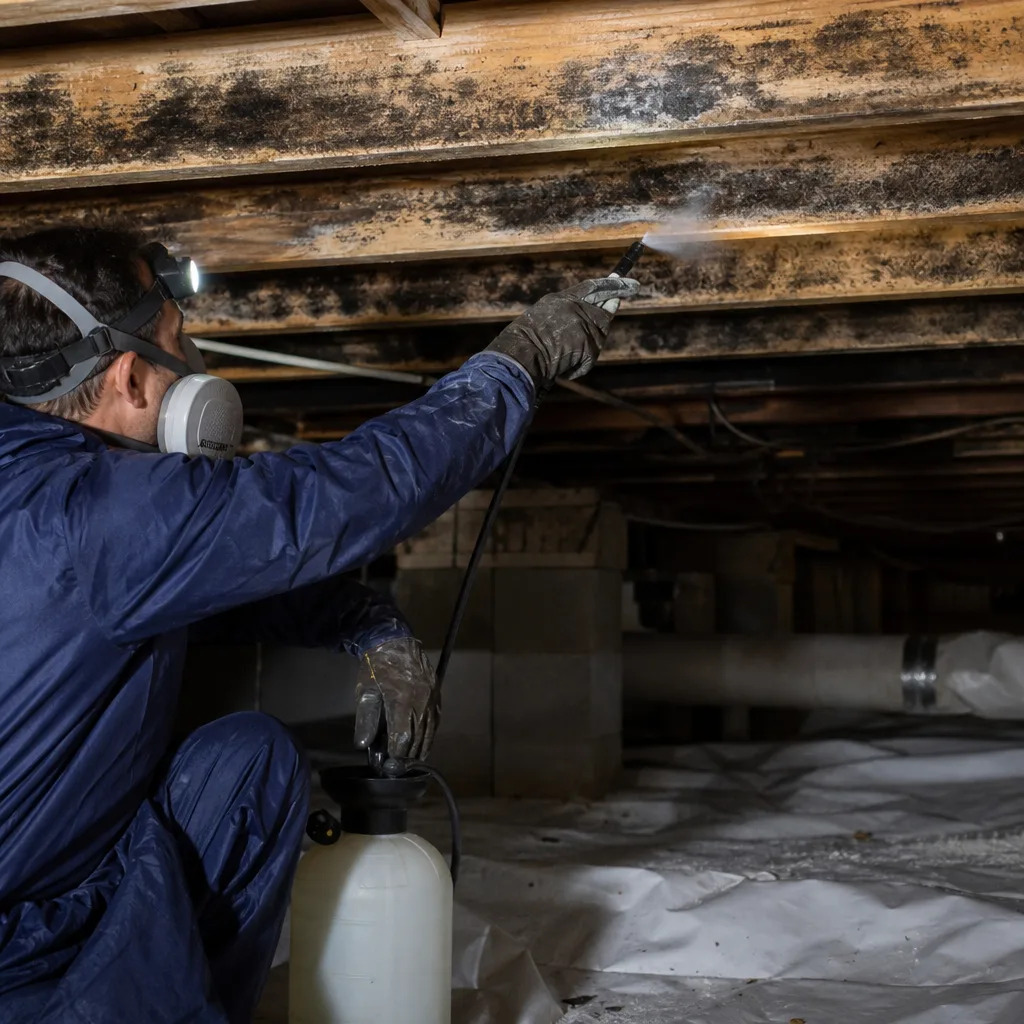
- Waiting for visible damage before acting. By the time water stains appear on Miami Beach drywall, the cavity behind has often sustained days or weeks of saturation. Moisture meters cost less than $50; monthly readings prevent the scope expansion that makes restoration expensive.
- Using hurricane season as the only annual inspection point. The dry season generates equal claim volume through gradual mechanisms. A single pre-season checklist in June misses six months of HVAC and plumbing risk.
- Photographing without metadata or consistent angles. A phone photo of “the living room” without date stamp and without matching the prior year’s position creates anecdotal evidence, not admissible documentation. Use the same corner, same height, same focal length.
- Assuming new construction is exempt. Miami Beach’s post-2000 building stock has shown higher-than-expected envelope failure rates in our records, often due to sealant installation in humid conditions or rapid construction scheduling that compromised curing times.
- Neglecting the secondary drain pan. In high-rise construction, the secondary pan and float switch are the only barrier between a clogged primary line and significant damage to units below. Testing takes five minutes; failure costs tens of thousands in liability exposure.
- Relying on insurance to cover gradual damage. Florida HO-3 and HO-5 policies universally exclude damage from maintenance neglect. The homeowner’s log of regular inspection and prompt response is the primary defense against this exclusion.
- Using unverified contractors post-storm. Verify license, insurance, and local physical address before signing. Background-checked, uniformed technicians with named credentials are standard at DryMark Restoration Miami Beach; anything less introduces documentation risk that can void claim support.
When to Call a Professional
Some conditions require immediate professional assessment regardless of season. Category 2 or 3 water intrusion, any moisture reading above 20% in conditioned space, visible mold growth exceeding 10 square feet, or fire and smoke damage involving structural components. These scenarios involve health hazards, code requirements, or claim documentation needs that exceed homeowner capacity.
DryMark Restoration Miami Beach offers free estimates in Miami Beach. Call (786) 384-5591. A live person answers every call, 24 hours a day, 7 days a week, with no voicemail on emergency lines. Every job is quoted in writing before work begins, documented with a photo record on every visit, and covered by the 365-Day Done Right Promise under The Haven Standard.
Frequently Asked Questions
Category 1 water damage restoration in Miami Beach typically ranges from $2,800 to $5,500 per affected area, while Category 2 or 3 damage runs $4,500 to $9,200 depending on contamination level and access conditions. These are written prices delivered before work begins under Haven Standard, Clause 1. Call (786) 384-5591 for a specific estimate on your situation.
Insurance covers sudden water damage from defined events, but excludes gradual damage from maintenance neglect. The 72-hour post-storm moisture survey and year-round maintenance log described in this guide establish the documentation needed to support sudden damage classification. Photo records, dated moisture readings, and written scopes from a professional restoration company strengthen claim position significantly.
Live phone coverage is available 24 hours a day, 7 days a week with no voicemail on emergency lines. Emergency water damage and storm response dispatch operates continuously. Reconstruction and non-emergency work is scheduled with a written scope and price agreed before any crew arrives. Speed language applies to mitigation; rebuild work is scoped and scheduled like any professional construction project.
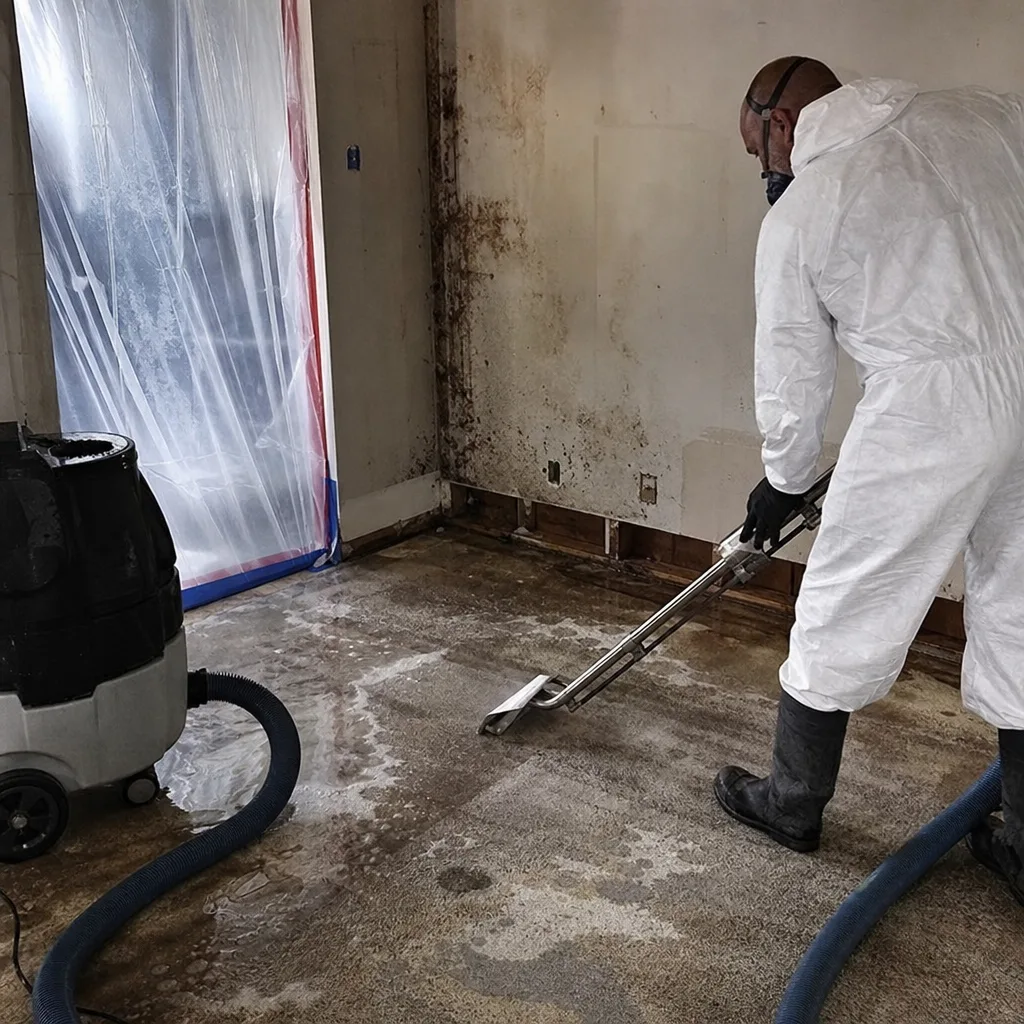
Visible mold exceeding 10 square feet, or any mold in HVAC systems, requires professional remediation under IICRC S520 standards. Surface cleaning without containment and source moisture elimination typically results in recurrence within 30-60 days in Miami Beach’s climate. Professional remediation includes moisture source identification, controlled demolition, HEPA air filtration, and post-remediation verification with documentation.
DryMark Restoration coordinates directly with adjusters on every claim. The photo record on every visit, daily drying logs, and written scope delivered before work begins are formatted specifically for adjuster review. This documentation-first approach, developed by a former claims adjuster who founded the company in 2011, converts restoration invoices into payable claims without the disputes that delay payment.
Reduced AC runtime in Miami Beach’s dry season lowers interior humidity and background noise, making pressure anomalies from slab leaks audible that summer masking concealed. The leaks existed year-round; February conditions simply reveal them. This is why monthly foundation perimeter inspection during dry season is critical, not optional.
The Bottom Line
Miami Beach’s climate creates two distinct damage windows, not four seasons. Hurricane season demands pre-storm documentation and rapid post-storm moisture assessment to preserve claim classification. Dry season demands HVAC condensate monitoring and plumbing vigilance to catch gradual damage before it becomes extensive. Salt deposition on west-facing walls from October through January accelerates maintenance failures that insurers exclude. A structured month-by-month log, with consistent photography and measurable observations, serves both prevention and claim documentation. The homeowners who avoid major restoration costs are those who treat documentation as maintenance, not afterthought, and explore more guides & resources to stay prepared year-round.
Written by Alicia Brennan, Owner at DryMark Restoration Miami Beach, serving Miami Beach since 2011.