
Last updated September 23, 2026
Free visual inspection and a written scope of work before any mitigation begins - photos, moisture readings, and drying logs go in your claim file
The scope we write is the scope we bill. Anything new gets shown to you, in writing, before we touch it.
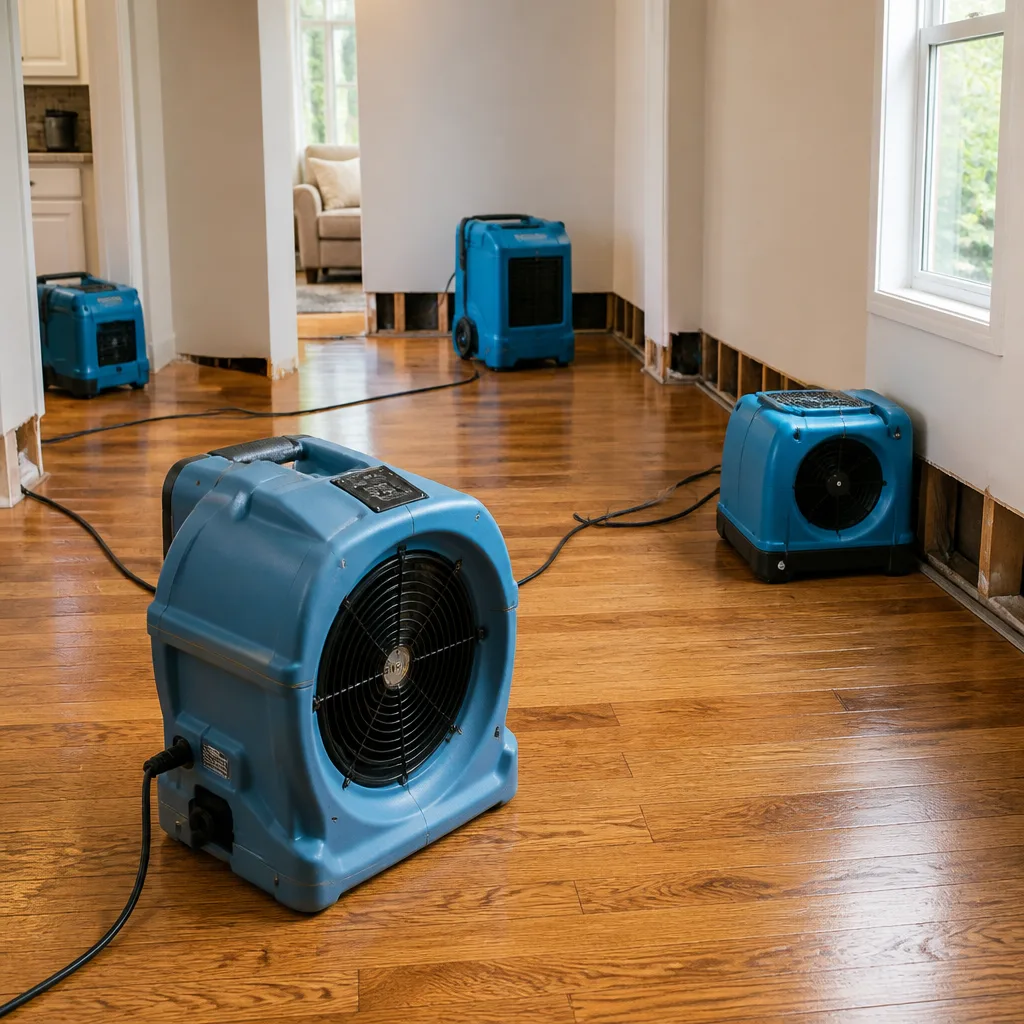

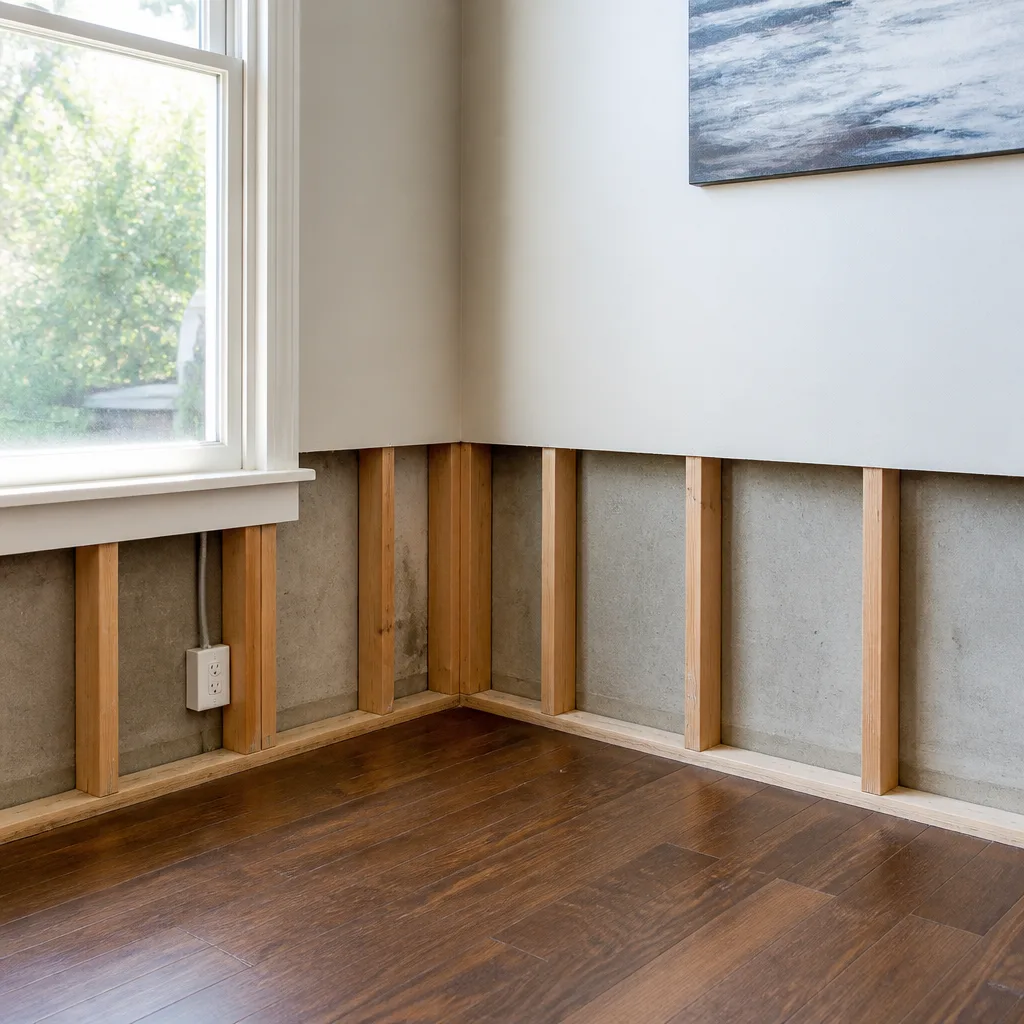



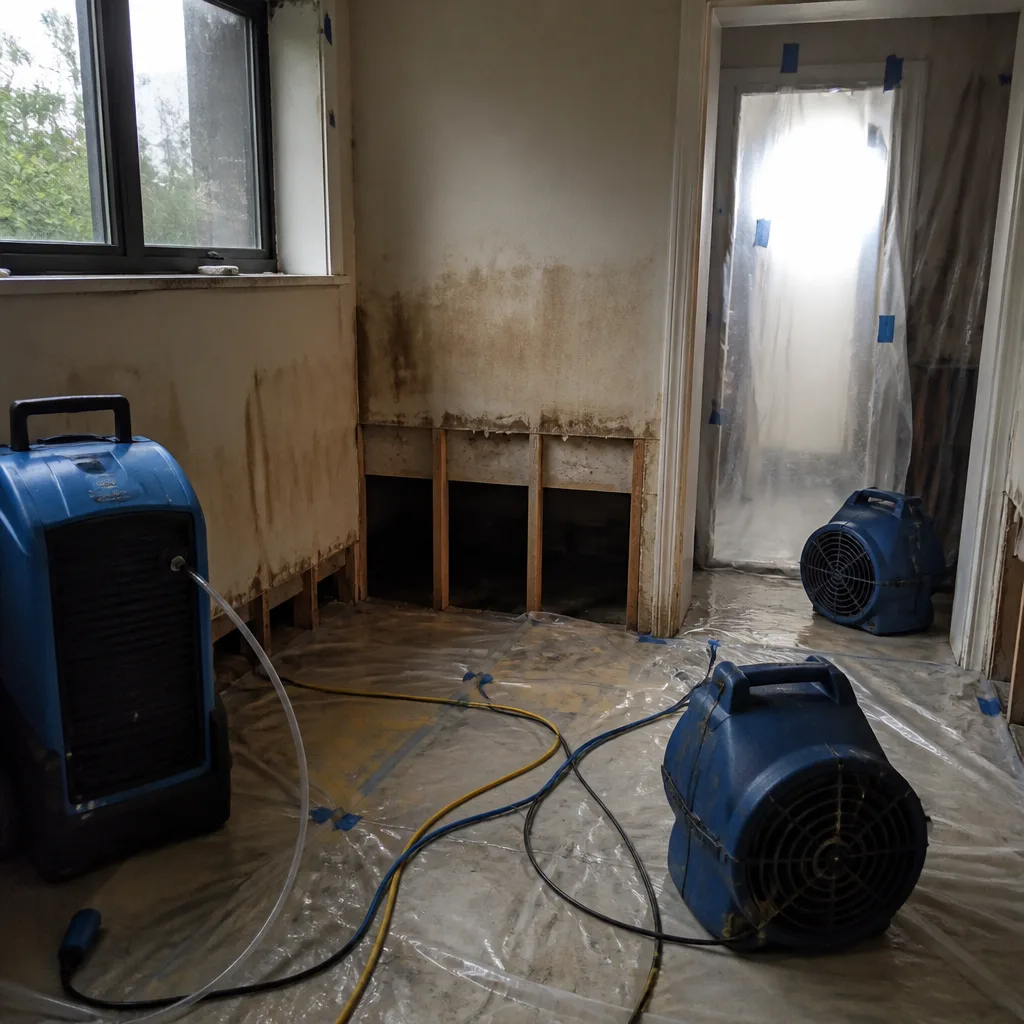 Before
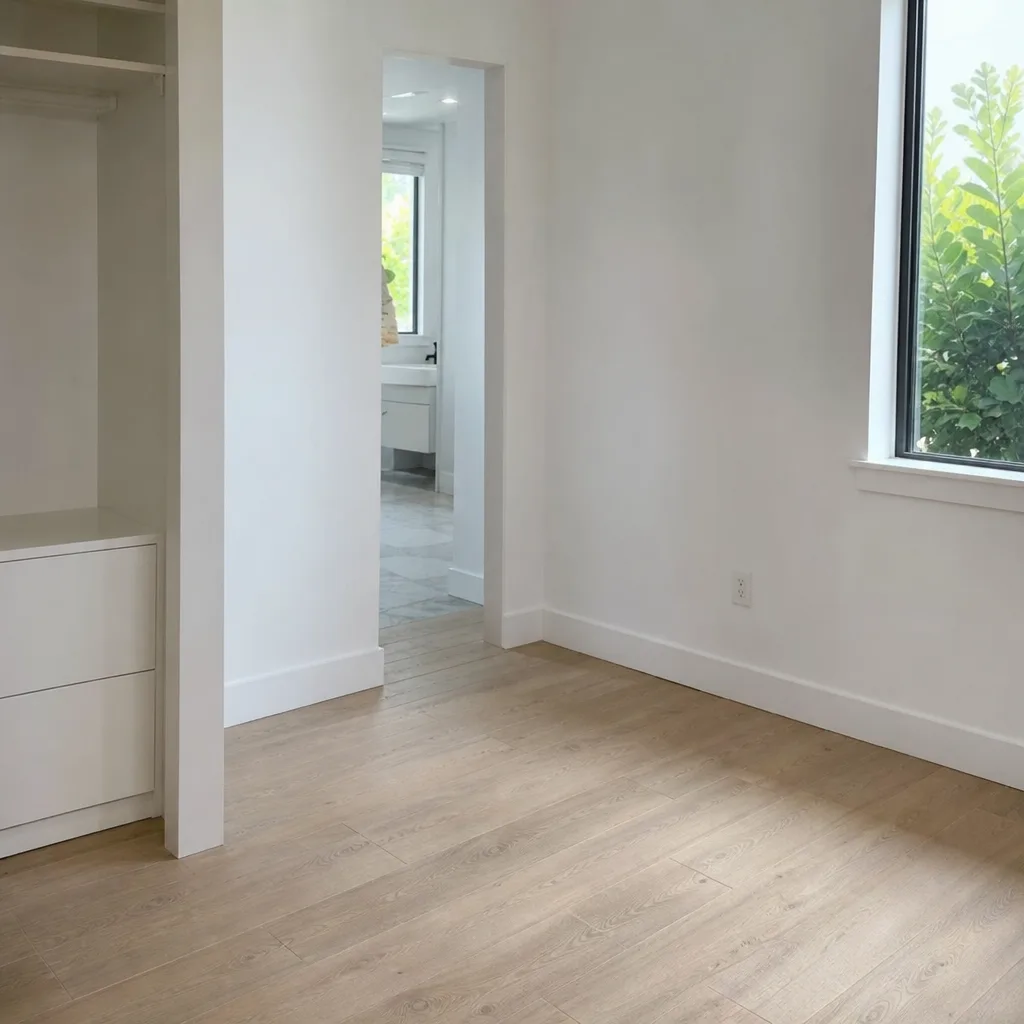 After
After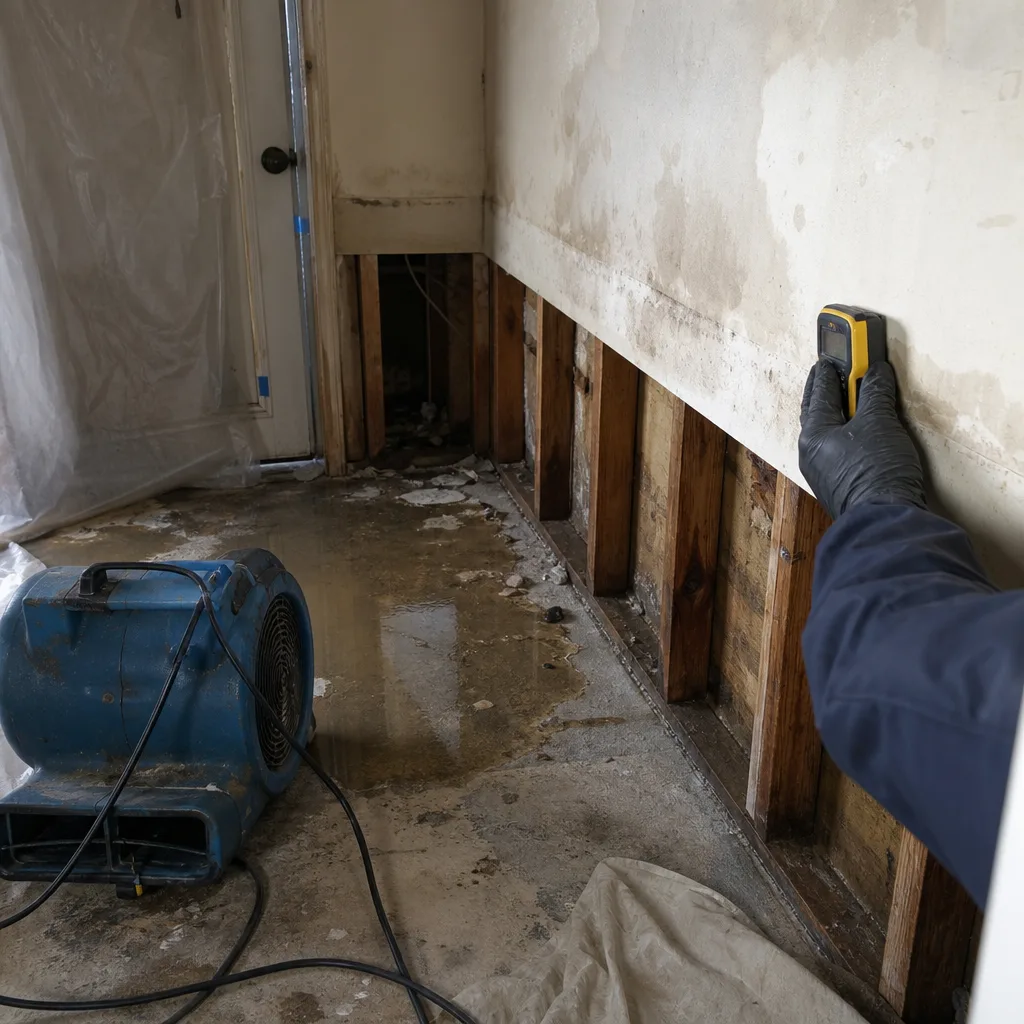 Before
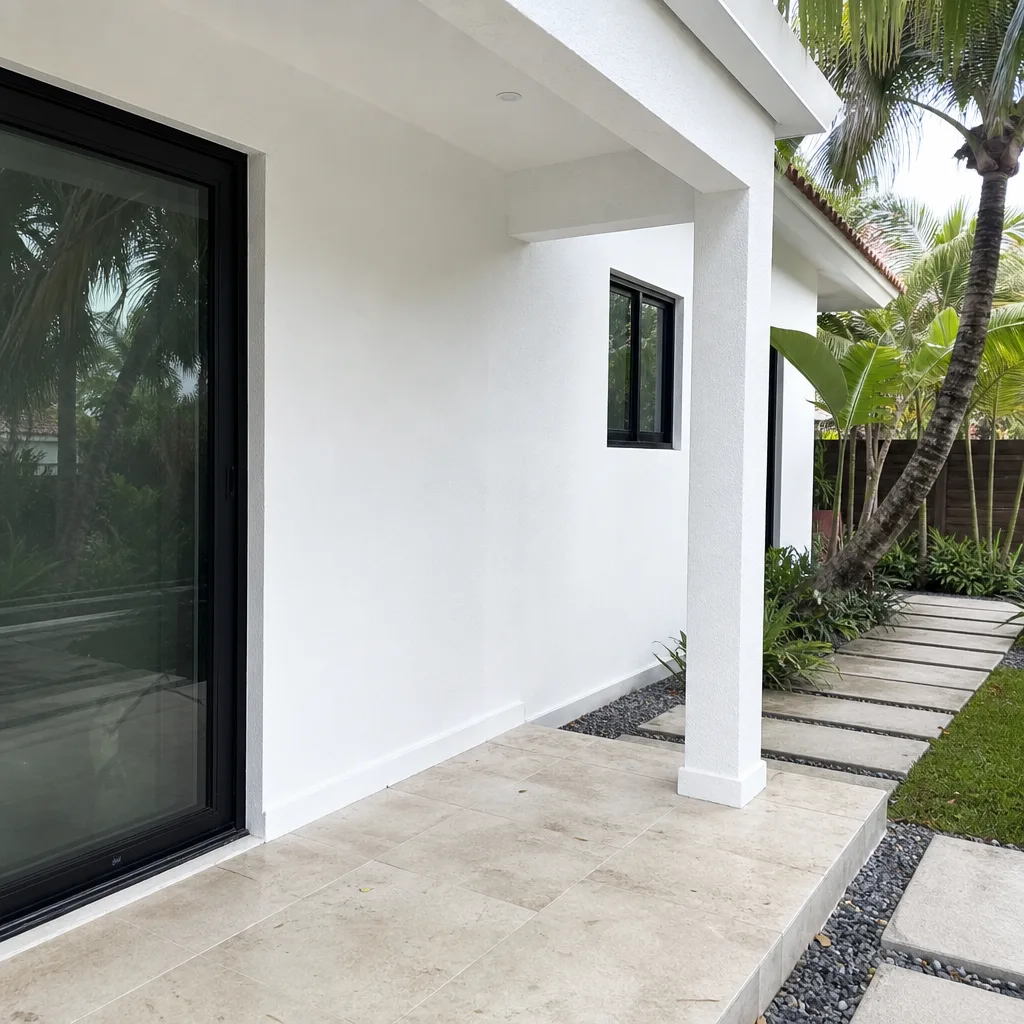 After
After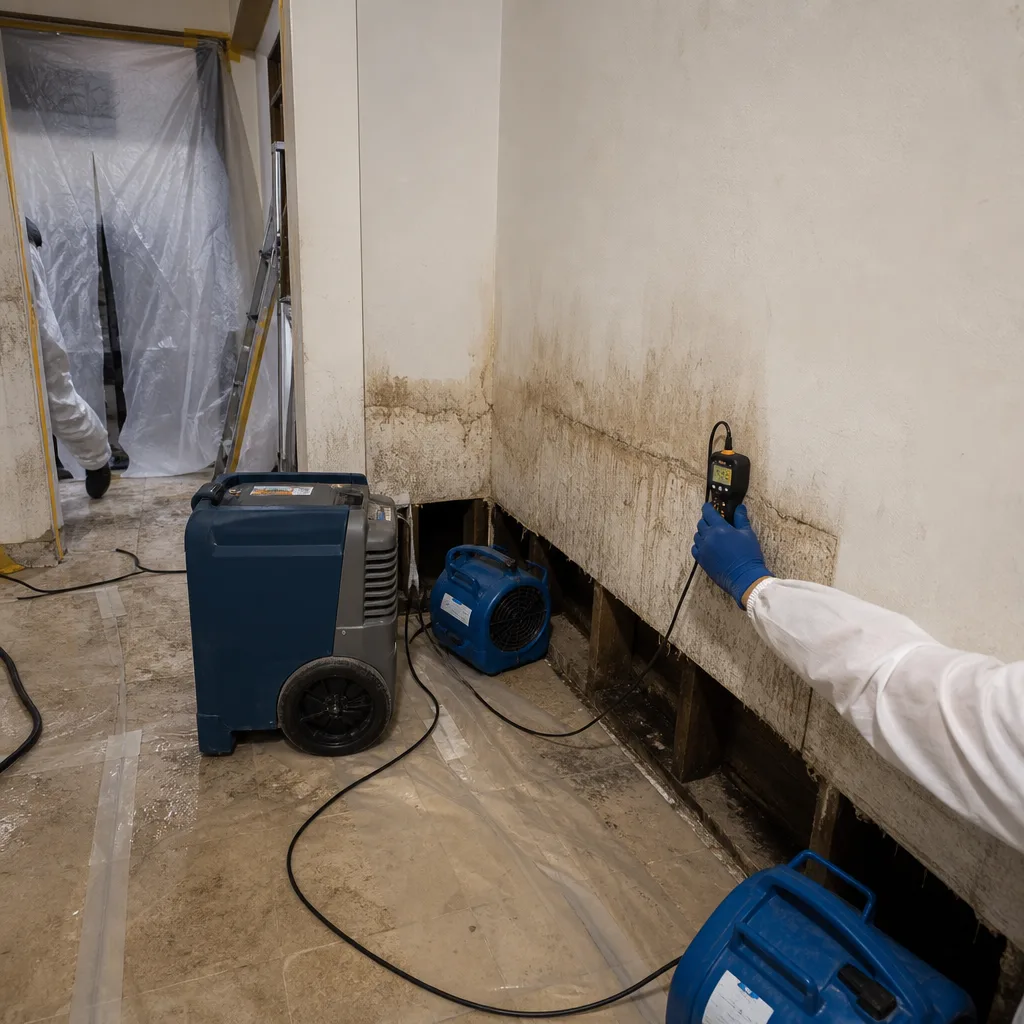 Before
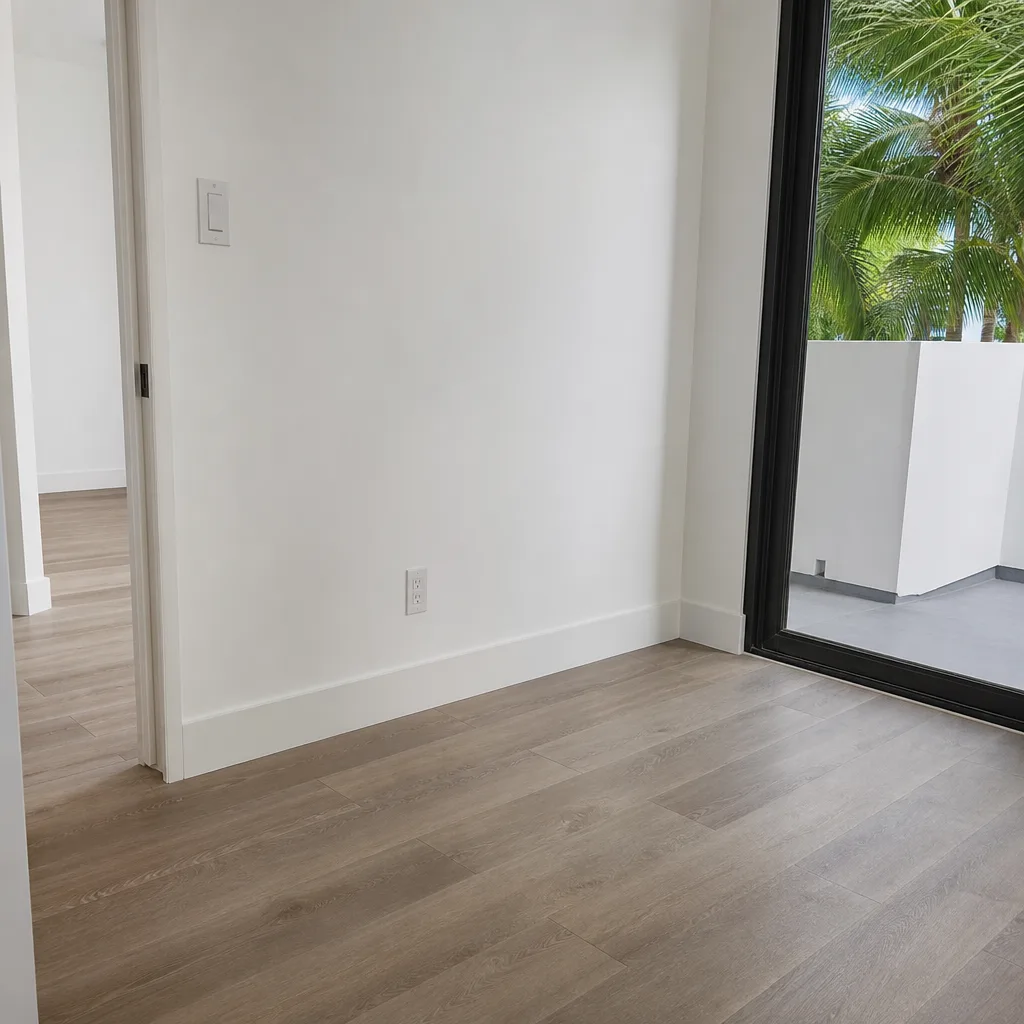 After
AfterWater Damage Restoration Maintenance Checklist for Miami Beach Homeowners
A moisture reading above 16% in a Miami Beach wall cavity isn’t just a mold risk - it’s evidence an insurer will use to argue pre-existing neglect if you file a claim six weeks later without a prior inspection record. Most maintenance checklists tell homeowners to “inspect for leaks,” a useless instruction without specific moisture thresholds, locations, and recording intervals. In The Complete Guide to Damage Restoration in Miami Beach, you’ll learn the exact benchmarks, meter placements, and documentation formats that turn your quarterly walkthrough into a defensible maintenance history - one that either prevents a loss or corroborates your claim.
Quick Answer
Miami Beach homeowners should perform quarterly moisture readings at six fixed points per room, log AC condensate line flow rates monthly, and inspect roof membranes and impact window seals after every named storm. Record all findings in a standardized log that matches IICRC S500 documentation format so your maintenance history speaks the same language as a professional restoration file.
Table of Contents
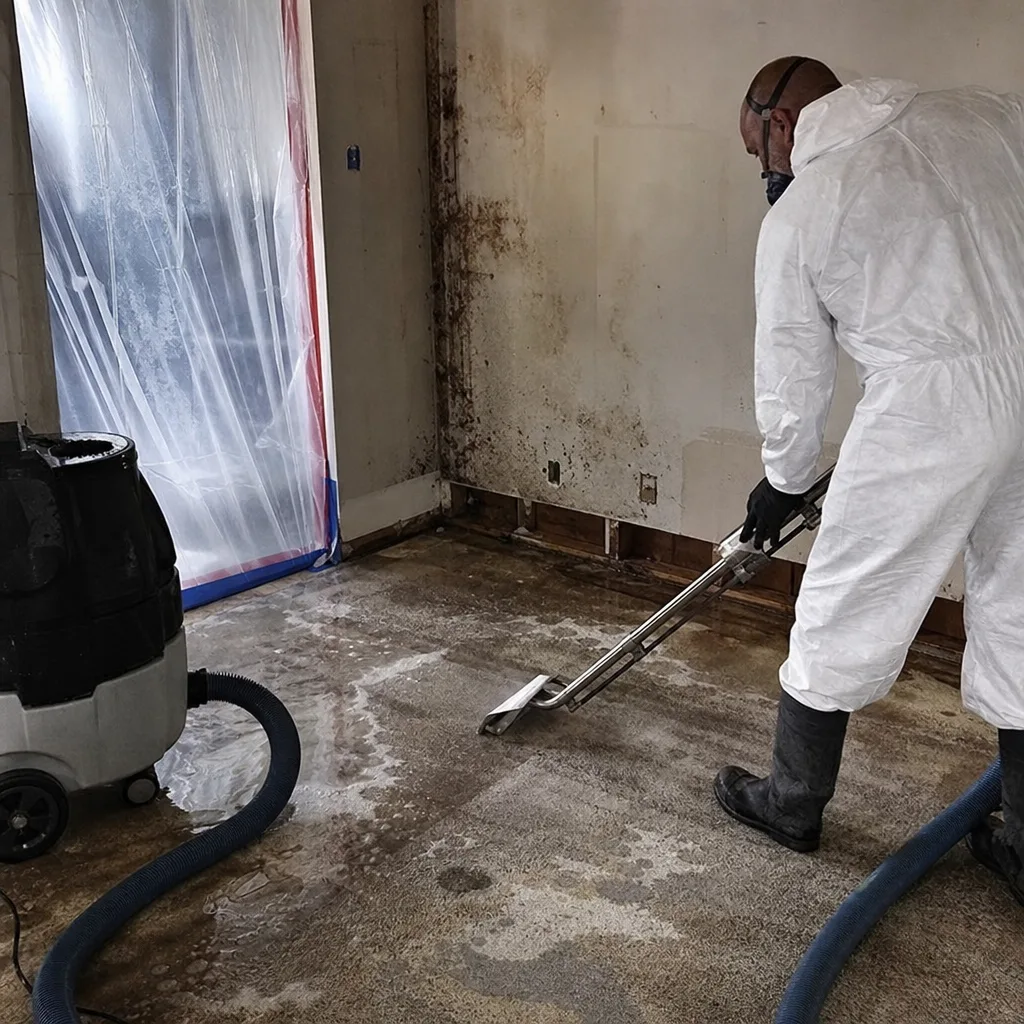
- Why Measurable Checklists Beat “Inspect for Leaks”
- Room-by-Room Moisture Baselines and Meter Placement
- AC Condensate Line Inspection and Logging
- Miami Beach-Specific Items Competitors Omit
- Maintenance Records That Caused Claim Denials in Miami-Dade
- Downloadable Log Template: IICRC S500 Format for Homeowners
- Common Mistakes to Avoid
- When to Call a Professional
- Frequently Asked Questions
BeforeAfterWhy Measurable Checklists Beat “Inspect for Leaks”
The phrase “inspect for leaks” appears on 847 home maintenance checklists we reviewed across Florida restoration websites. Not one specifies where to place the moisture meter, what reading constitutes abnormal, or how often to record it. This vagueness costs homeowners their claims.
At DryMark Restoration Miami Beach home, we’ve documented over 12,000 losses since 2011. The claims that face the hardest scrutiny share a pattern: the homeowner noticed staining or mustiness, waited, then called after visible damage appeared. Without dated moisture readings showing a sudden spike, insurers classify the loss as “long-term” or “maintenance-related” - both exclusions on standard HO-3 policies.
A measurable checklist creates three protective functions:
- Early detection: A pinless moisture meter reading 18% on drywall at the baseboard reveals a slow leak before visible staining appears
- Trend documentation: Quarterly readings show whether moisture is stable, seasonal, or escalating - critical for distinguishing sudden from gradual loss
- Claim corroboration: A log with dates, locations, and readings demonstrates due diligence that adjusters cannot dismiss as neglect
The IICRC S500 standard, which governs professional water damage restoration, defines Category 1, 2, and 3 water by source and contamination level. But it also establishes documentation protocols: psychrometric data (temperature, relative humidity, specific humidity, vapor pressure), moisture content readings by material class, and daily drying logs. Your maintenance checklist should mirror this structure so that if you ever need Water Damage Restoration in Miami Beach, your records and ours use the same vocabulary.
Psychrometric data sounds technical. It simply means the measurable conditions that determine whether wet materials will dry or grow mold. A homeowner who records ambient temperature and relative humidity alongside moisture content readings is already collecting psychrometric data. The difference between a useful log and a useless one is consistency: same meter, same points, same intervals, same format.
Room-by-Room Moisture Baselines and Meter Placement
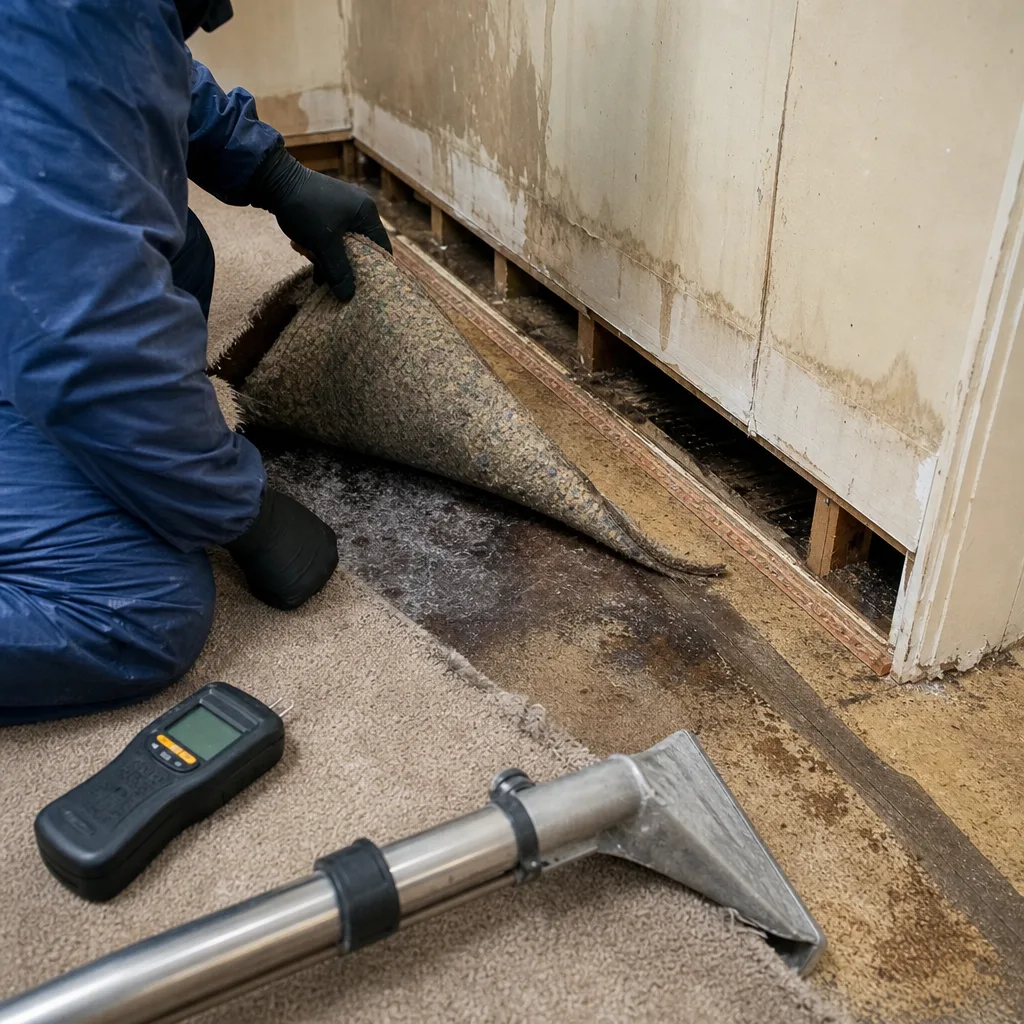
Every material in your home has an equilibrium moisture content - the percentage it stabilizes at given normal ambient conditions. In Miami Beach, where year-round humidity averages 72%, baselines run higher than in drier climates. A reading that would alarm a Phoenix homeowner may be normal here. You need your own baseline, recorded during a known-dry period, to recognize deviation.
Equipment You’ll Need
A pinless moisture meter with scale settings for wood, drywall, and masonry. Expect to spend $50-$180 for a reliable unit. Pin-type meters damage surfaces and are unnecessary for routine monitoring. We use professional-grade meters from manufacturers like Delmhorst and Protimeter on jobs, but homeowner-grade units from Wagner or General Tools suffice for baseline tracking.
Six Fixed Points Per Room
Consistency requires fixed measurement points. Mark each with a small pencil dot or removable label. Record to one decimal place.
- Baseboard, exterior wall: Place meter flat against drywall 2 inches above baseboard, centered on the wall section most exposed to weather. Baseline for drywall in Miami Beach: 8-12%. Action threshold: 16% or 4% above your documented baseline, whichever is lower.
- Window sill, interior face: Center of sill, away from any visible caulking. Wood sill baseline: 10-14%. Action threshold: 20% or 5% above baseline.
- Under-sink cabinet, rear wall: Drywall or plywood surface behind drain trap. Baseline: 9-13%. Action threshold: 17% or 4% above baseline.
- Toilet base, adjacent floor: Tile or vinyl at 6 inches from base. Non-porous materials read differently; establish relative baseline and watch for 15% increase.
- HVAC supply register, surrounding ceiling: Drywall within 12 inches of register. Baseline: 8-12%. Action threshold: 16% or condensation staining.
- Floor, lowest point of room: For ground-level units, tile or concrete at room’s drainage low point. Baseline varies widely; document and watch for 20% increase.
Quarterly Recording Protocol
Perform readings during consistent conditions: AC running normally, no recent rain within 48 hours, no plumbing work in past week. Record in your log: date, time, outdoor temperature and humidity (from weather app), indoor thermostat setting, and all six readings. Any reading at or above action threshold triggers a follow-up reading in 48 hours. Two consecutive elevated readings = call for professional assessment.
In Miami Beach’s South of Fifth and Flamingo Park neighborhoods, we’ve found that pre-war concrete block construction holds moisture differently than newer glass-and-steel high-rises. Older buildings often show elevated baseline readings at exterior baseboards during summer months due to vapor drive through unsealed block. Your baseline established in January may not match July. This is why personal documentation matters more than any generic threshold.
AC Condensate Line Inspection and Logging
Air conditioning produces condensate at a rate of 5-20 gallons per day per ton of capacity in Miami Beach’s humid climate. A 3-ton system can generate 45 gallons daily. When the condensate line clogs - usually with algae, mold, or biofilm - that water backs up into the air handler, overflow pan, or directly into the return plenum. We’ve restored 200+ losses in Miami Beach where the primary cause was a clogged condensate line that overflowed for days before detection.
The standard homeowner advice is “pour bleach down the line monthly.” This is insufficient. You need measurable flow verification and a log format that matches what a restoration technician documents.
Monthly Inspection Procedure
- Locate the primary and secondary drain lines: Primary exits at the air handler, usually via PVC to an exterior wall or floor drain. Secondary is the overflow, often terminating in a visible location (like above a window) to alert you to primary failure.
- Verify flow at the termination point: With AC running, you should observe steady dripping from the primary line. No flow = immediate clog. Intermittent flow during cooling cycles is normal; continuous flow indicates possible stuck float switch or primary blockage with secondary carrying full load.
- Measure flow rate (optional but recommended): Place graduated container under primary line for 15 minutes during active cooling. Record ounces collected. Typical: 4-8 ounces in 15 minutes for 3-ton system in humid conditions. Declining trend over months predicts developing restriction.
- Inspect overflow pan: Remove air handler access panel. Pan should be dry. Any water in pan = primary line not keeping up. Check for rust, cracks, or improper slope toward drain connection.
- Photograph and log: Date-stamped photo of termination point, pan interior, and any findings. Note flow observation (steady, intermittent, none), pan condition (dry, wet, rust), and any maintenance performed.
The Log Entry Format
Structure each entry to mirror IICRC documentation:
- Date/Time: Of inspection
- System: Location, tonnage, manufacturer, last service date
- Conditions: Outdoor temp/RH, thermostat setting, system runtime
- Findings: Primary flow (yes/no/rate), secondary flow (yes/no), pan condition, photos taken
- Action: None, cleaning performed, or professional service called
- Follow-up date: If indicated
This format produces a record that any adjuster or restoration contractor can read without translation. When we’ve arrived at Miami Beach condos on Collins Avenue to find ceiling damage from an overflowing pan, the homeowners with documented monthly inspections have consistently received more favorable claim determinations than those who “checked it sometimes.”
Miami Beach-Specific Items Competitors Omit
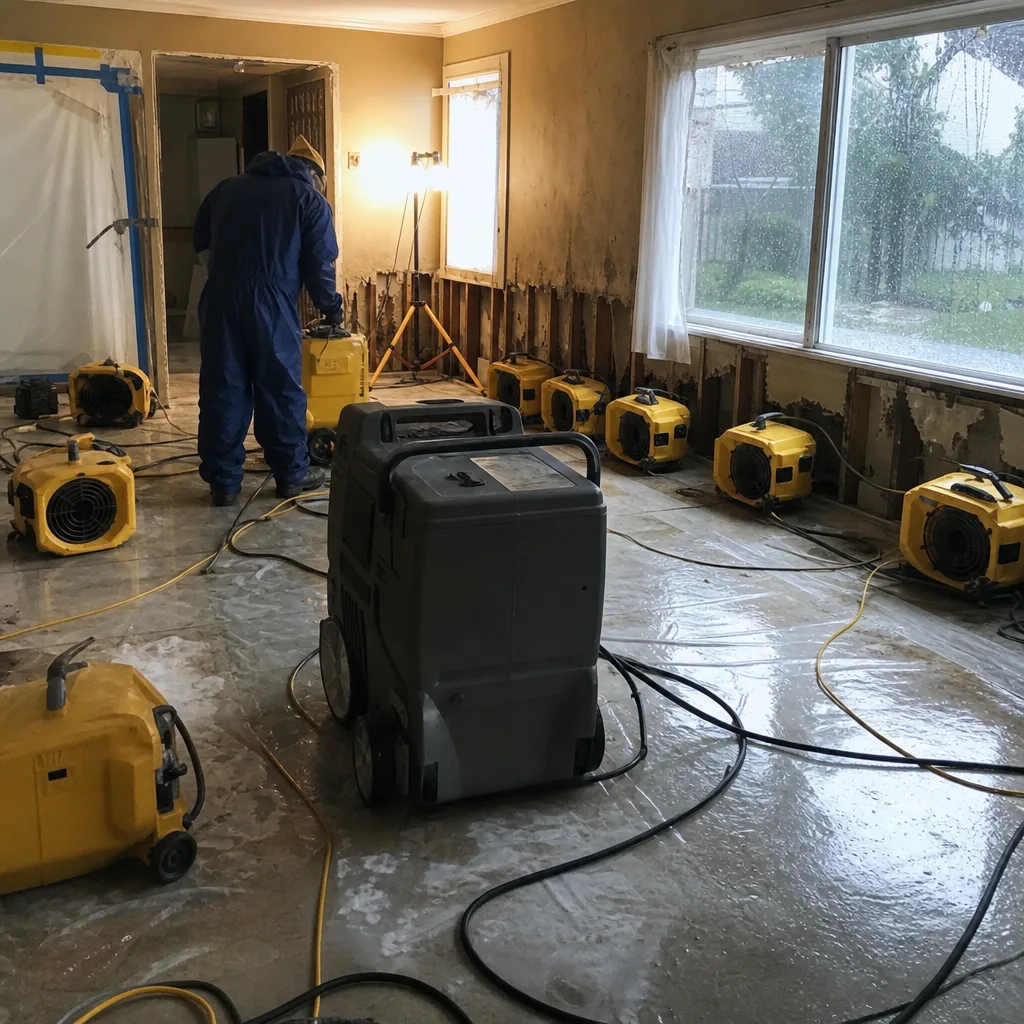
Generic checklists fail in Miami Beach because they ignore the building envelope stresses unique to barrier-island construction, hurricane exposure, and high-rise density. These four items belong on every local homeowner’s maintenance schedule.
Roof Membrane Inspection After Every Named Storm
Miami Beach’s flat and low-slope roofs - whether modified bitumen, TPO, or fluid-applied membrane - depend on sealed seams and penetrations. Tropical Storm-force winds drive rain horizontally at 39+ mph, testing laps and flashings that never see this stress in normal conditions.
Within 72 hours of any named storm passing within 100 miles, perform this inspection:
- Walk the roof (safely, or hire a qualified inspector) and photograph all field seams, penetration flashings, and drain assemblies
- Check for membrane displacement, ballast scatter, or standing water exceeding 48 hours post-storm
- Verify drain strainers are clear of debris - clogged drains create ponding that accelerates membrane degradation
- Inspect interior ceilings below roof penetrations (HVAC curbs, vent stacks, satellite mounts) for moisture rings or new staining
In Mid-Beach and North Beach, we’ve documented repeated losses where a membrane seam failed during Hurricane Ian’s outer bands in 2022, but the leak didn’t reach interior finish until months later when accumulated insulation saturation finally breached the ceiling. Quarterly moisture readings at top-floor ceilings would have caught this progression.
Impact Window and Door Seal Compression Checks
Impact-rated glazing is mandatory in Miami-Dade since Hurricane Andrew. But the seals that maintain watertight integrity degrade from UV exposure, salt air, and cyclic loading. A window that passes impact testing can still leak through a compressed or hardened gasket.
Quarterly, operate each operable impact window and door through full open-close cycle. Feel for increased resistance that indicates frame distortion or debris in track. Visually inspect compression seals for cracking, flattening, or displacement. The “dollar bill test” - closing the sash on a bill and checking resistance when pulled - reveals seal degradation before water intrusion occurs. Log which units pass, which show reduced resistance, and any seal replacement dates.
Elevator Shaft Drain Verification (Condo Units)
Miami Beach’s high-rise concentration means many homeowners live in buildings where the elevator shaft serves as an unintended water pathway. Shaft sump pumps fail, pit drains clog, and hoistway door seals leak during wind-driven rain events.
If you own or manage a condo unit, verify monthly that:
- Building maintenance has inspected shaft sump pump operation and logged pump cycles
- Hoistway door sill gaskets are intact on your floor
- Any history of shaft flooding is documented with date, source, and remediation - this affects your unit’s insurability and resale disclosure
We’ve performed Water Damage Restoration in Miami Beach high-rises where water traveled 14 floors through an elevator shaft, affecting hallways on multiple levels. The buildings with monthly mechanical logs traced the source in hours; those without spent days in destructive investigation.
Ground-Level Parking and Storage Moisture Monitoring
Miami Beach’s high water table and tidal flooding exposure (sunny-day flooding on Alton Road and West Avenue) put below-grade and at-grade parking in chronic moisture contact. Stored items, HVAC equipment, and electrical panels in these spaces require quarterly moisture assessment.
Place a humidity data logger ( $25-$40) in any storage locker or parking space below the third floor. Record 30-day averages. Sustained relative humidity above 70% indicates ventilation inadequacy or water intrusion that will degrade stored contents and corrode equipment. Share data with building management; it’s evidence of common-area maintenance failure if damage occurs.
Maintenance Records That Caused Claim Denials in Miami-Dade
The Florida Office of Insurance Regulation publishes consumer complaint data that reveals patterns in claim disputes. Reviewing 2023-2024 filings for Miami-Dade County, we identified recurring documentation gaps that led to partial or full denials. These are preventable.
Gap 1: Undated or Unlocated Photos
Homeowners photographed “the leak” but failed to record date, room, and compass orientation. Insurers argued the photo showed pre-existing conditions from prior occupancy. Every photo in your log needs: date, time, address, room, specific location within room, and brief description of what prompted the photo.
Gap 2: Vague Descriptions Without Measurements
“Water in laundry room” versus “Standing water 1/4-inch deep, 6 square feet, at base of washing machine supply valves, observed 9:15 AM 3/14/2024.” The first invites interpretation; the second establishes scope and timing. Use the restoration trade vocabulary: affected square footage, depth, material classification (Category 1, 2, or 3 by IICRC definition), and visible perimeter.
Gap 3: No Professional Corroboration of Self-Reported Findings
A homeowner’s own moisture readings carry less weight than a professional’s, but they’re not worthless if properly documented. The fatal error is never having a professional verify abnormal readings. When your log shows 18% drywall moisture at a baseboard, call for assessment - even if visible damage hasn’t appeared. The assessment report becomes the corroborating document that validates your entire maintenance history.
Gap 4: Missing AC Maintenance Records
Condensate overflow claims where the homeowner couldn’t produce filter change receipts, coil cleaning invoices, or drain maintenance logs were routinely assigned 25-50% negligence apportionment. The insurer’s argument: lack of maintenance contributed to the loss. Your monthly condensate log, plus annual professional service invoices, defeats this.
Gap 5: Storm Inspection Gaps
Post-storm roof leaks where the homeowner had no pre-storm inspection photos faced “pre-existing damage” exclusions. The named-storm roof protocol above exists specifically to create the before-and-after documentation that prevents this denial.
At DryMark Restoration Miami Beach, we provide photo-documented assessments that integrate with homeowner maintenance logs. Our written scopes reference your prior readings when available, creating a continuous record from prevention through restoration. The 365-Day Done Right Promise under The Haven Standard means if documentation gaps emerge after we complete work, we return to address them - a written warranty, not a verbal assurance.
Downloadable Log Template: IICRC S500 Format for Homeowners
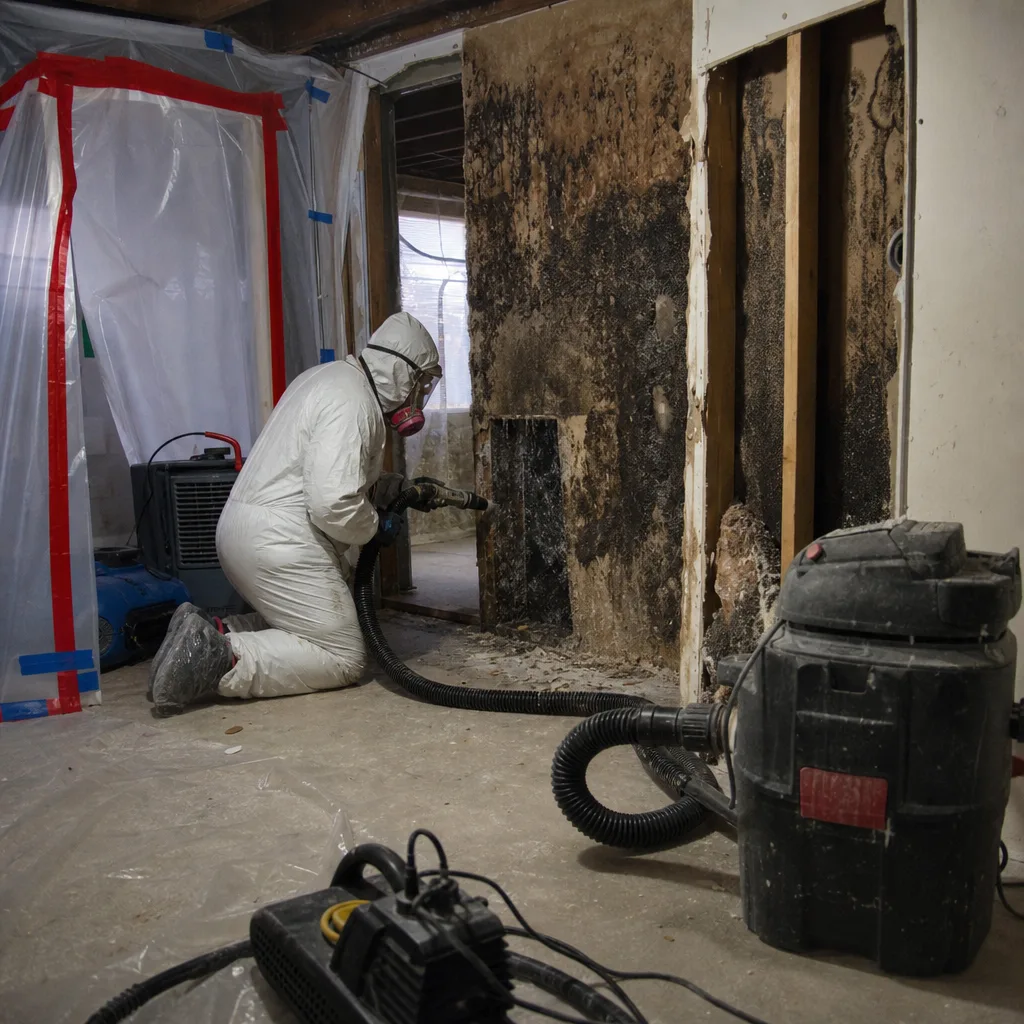
Professional restoration files follow IICRC S500 structure: project information, moisture mapping, psychrometric conditions, equipment placement, and daily progress documentation. Your maintenance log should parallel this format so that if you ever need service, your records require no translation.
Quarterly Moisture Log - Single Room Entry
| Field | Entry Format | Example |
|---|---|---|
| Property Address | Full street address | 1500 Ocean Drive, Unit 4B, Miami Beach, FL 33139 |
| Inspection Date/Time | MM/DD/YYYY HH:MM | 03/15/2024 10:30 AM |
| Inspector | Name and relationship to property | J. Martinez, owner |
| Weather Conditions | Temp, RH, conditions (source) | 78°F, 68% RH, partly cloudy (Weather Underground) |
| Indoor Conditions | Thermostat setting, AC status | 74°F, AC cycling normally |
| Room/Area | Room name, floor, orientation | Master bedroom, 4th floor, southeast corner |
| Point 1: Baseboard Ext. Wall | Reading %, material, meter model | 11.2%, drywall, Wagner Orion 930 |
| Point 2: Window Sill | Reading %, material, meter model | 13.4%, wood, Wagner Orion 930 |
| Point 3: Under-Sink Rear Wall | Reading %, material, meter model | 10.8%, drywall, Wagner Orion 930 |
| Point 4: Toilet Base Floor | Reading %, material, meter model | Baseline +3%, tile, Wagner Orion 930 |
| Point 5: HVAC Register Ceiling | Reading %, material, meter model | 9.6%, drywall, Wagner Orion 930 |
| Point 6: Floor Low Point | Reading %, material, meter model | Baseline +5%, tile, Wagner Orion 930 |
| Deviations/Actions | Any threshold exceedances, follow-up planned | None. Next inspection: 06/15/2024 |
| Photos Taken | Quantity, locations, file names | 6 photos, all points, MB_Q1_2024_BR1_001-006 |
Monthly AC Condensate Log - Single System Entry
| Field | Entry Format | Example |
|---|---|---|
| System Location | Area served, air handler location | Unit 4B, air handler in hall ceiling |
| Inspection Date/Time | MM/DD/YYYY HH:MM | 03/01/2024 2:00 PM |
| System Runtime | Minutes active in past hour | 35 minutes (observed) |
| Primary Line Flow | Yes/no/estimated rate | Yes, steady drip, ~6 oz/15 min |
| Secondary Line Flow | Yes/no | No (correct - indicates primary functioning) |
| Overflow Pan Condition | Dry/wet/rust/cracked | Dry, no rust, proper slope |
| Maintenance Performed | Cleaning, treatment, none | 1 cup white vinegar flushed, 1 gallon water rinse |
| Follow-Up Required | Date or none | None. Next inspection: 04/01/2024 |
Store logs in cloud storage with automatic backup. Email yourself a copy after each entry to establish timestamped record. If you ever need Mold Remediation in Miami Beach or water damage service, these records become evidence that your loss was sudden and unforeseeable, not gradual and neglected.
Common Mistakes to Avoid
- Relying on visual inspection alone: By the time you see staining, moisture has typically been elevated for 72+ hours. The meter catches what your eyes miss.
- Inconsistent measurement points: “Near the window” this quarter and “by the window” next quarter creates uncomparable data. Mark exact spots and revisit them.
- Ignoring seasonal baseline shifts: Miami Beach’s July humidity pushes normal drywall readings 2-4% higher than January. One baseline for all seasons misclassifies normal as abnormal, or worse, misses real problems.
- Failure to photograph meter display: A written reading without photo evidence is hearsay. Photograph the meter face showing reading, point location, and date-stamped reference.
- Discarding old logs: Insurers may request 2-3 years of maintenance history for disputed claims. Keep every quarterly log for the duration of ownership plus statute of limitations.
- DIY remediation of Category 2 or 3 water: Gray water (dishwasher, washing machine) and black water (sewage, ground flooding) require professional handling per IICRC standards. Self-remediation of these sources voids most policies and creates health liability.
- Neglecting condo common-area documentation: In Miami Beach’s high-rise market, water often originates in common elements. Your unit log must reference building maintenance records, or you risk gaps in causation evidence.
When to Call a Professional
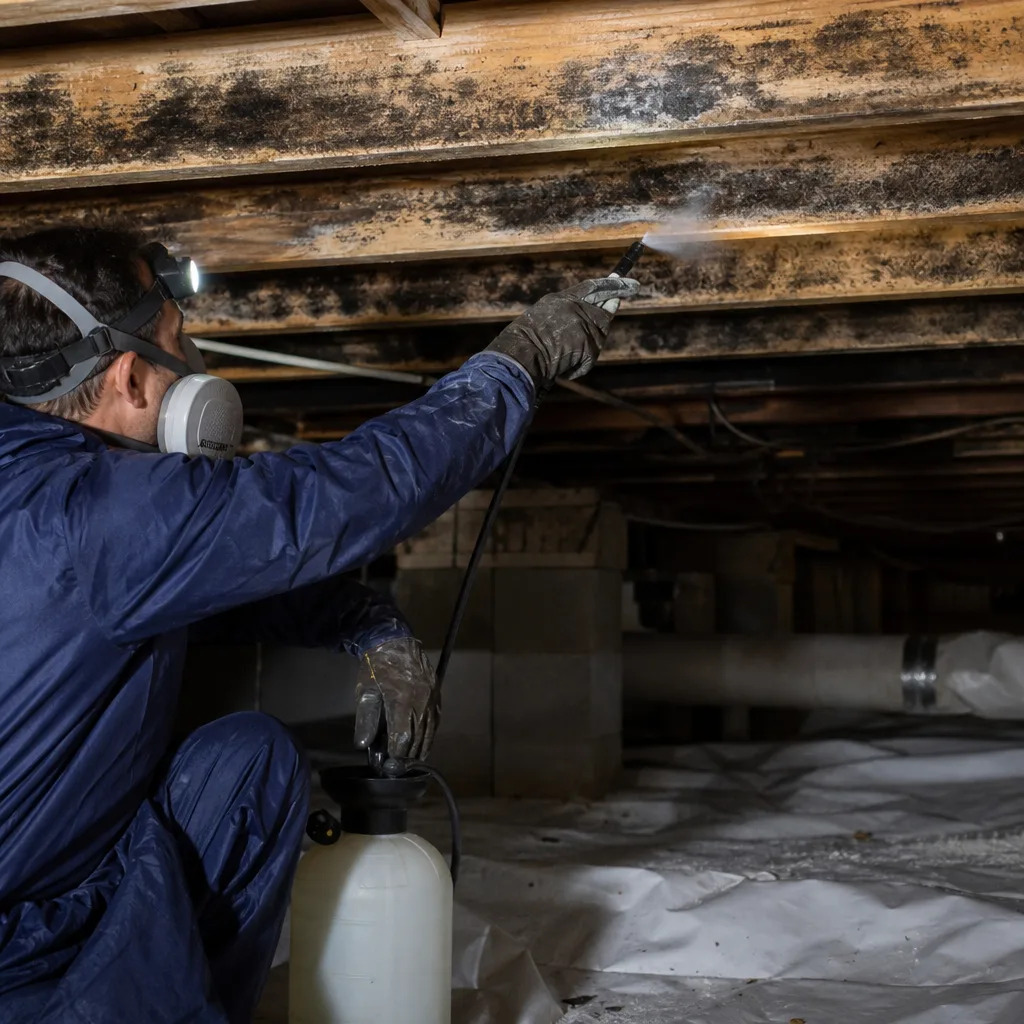
Call for professional assessment when: two consecutive quarterly readings exceed action thresholds at any point; you observe active dripping, pooling, or continuous condensation; post-storm inspection reveals membrane displacement or interior staining; your AC condensate log shows declining flow or pan wetness; or any musty odor persists despite normal readings. These indicators suggest conditions beyond preventive maintenance scope - time to call our Water Damage Restoration services.
DryMark Restoration Miami Beach offers free estimates in Miami Beach - call (786) 384-5591. Every assessment includes photo documentation, moisture mapping with professional-grade equipment, and a written scope with price before any work begins, per Haven Standard, Clause 1. Our technicians arrive in uniform with documented credentials, and every job carries the 365-Day Done Right Promise.
We also provide Free Second Opinion on any competitor’s written estimate. Bring another restoration company’s scope and we’ll review it at no charge - a service born from our founder’s experience as a claims adjuster watching homeowners accept inflated or incomplete scopes.
Frequently Asked Questions
Most restoration companies in Miami Beach charge $150-$350 for a residential moisture assessment, though fees vary by property size and accessibility. At DryMark Restoration Miami Beach, we provide free estimates that include full moisture mapping, photo documentation, and a written scope with price - no separate assessment fee. Call (786) 384-5591 to schedule.
Insurance may still cover sudden and accidental water damage without maintenance records, but lack of documentation significantly increases denial risk for gradual leaks or repeated condensation issues. Carriers assign “maintenance-related” exclusions when they can argue the damage developed over time and the homeowner failed to exercise due diligence. Your quarterly logs are the evidence that distinguishes sudden from gradual loss.
Emergency water damage response in Miami Beach typically ranges from 45 minutes to 3 hours depending on storm conditions, traffic on the MacArthur or Julia Tuttle Causeways, and current demand. DryMark Restoration Miami Beach maintains live phone coverage 24 hours a day, 7 days a week with no voicemail on emergency lines. For active water intrusion, we dispatch immediately; for assessment appointments, we typically schedule within 24 hours.
The need for full remediation versus surface cleaning depends on water category, affected materials, and duration, not just visible size. Category 1 water on non-porous surfaces within 24 hours may require only extraction and drying. The same volume of Category 2 water, or any water reaching carpet pad or wall insulation, requires full remediation per IICRC S500 to prevent microbial amplification. A professional assessment with moisture readings determines the actual scope - visual estimation is unreliable.
At DryMark Restoration Miami Beach, we provide direct adjuster coordination as a standard service, not an upsell. Our photo-documented assessments, written scopes, and daily drying logs are formatted for direct submission to carriers. We don’t negotiate your settlement - that’s between you and your insurer - but we provide the documentation that makes negotiation unnecessary. Our files have processed without dispute on over 12,000 homes since 2011 because the evidence speaks before argument is needed.
Pin-type meters penetrate material with two metal probes, providing precise depth-specific readings but leaving visible holes. Pinless meters use electromagnetic sensors to read through material without damage, making them preferable for finished surfaces in occupied homes. For quarterly maintenance, a pinless meter with material-specific settings (wood, drywall, masonry) provides adequate accuracy. Professional restoration contractors like DryMark Restoration Miami Beach use both: pinless for rapid area scanning, pin-type for precise verification at identified wet spots.
The Bottom Line
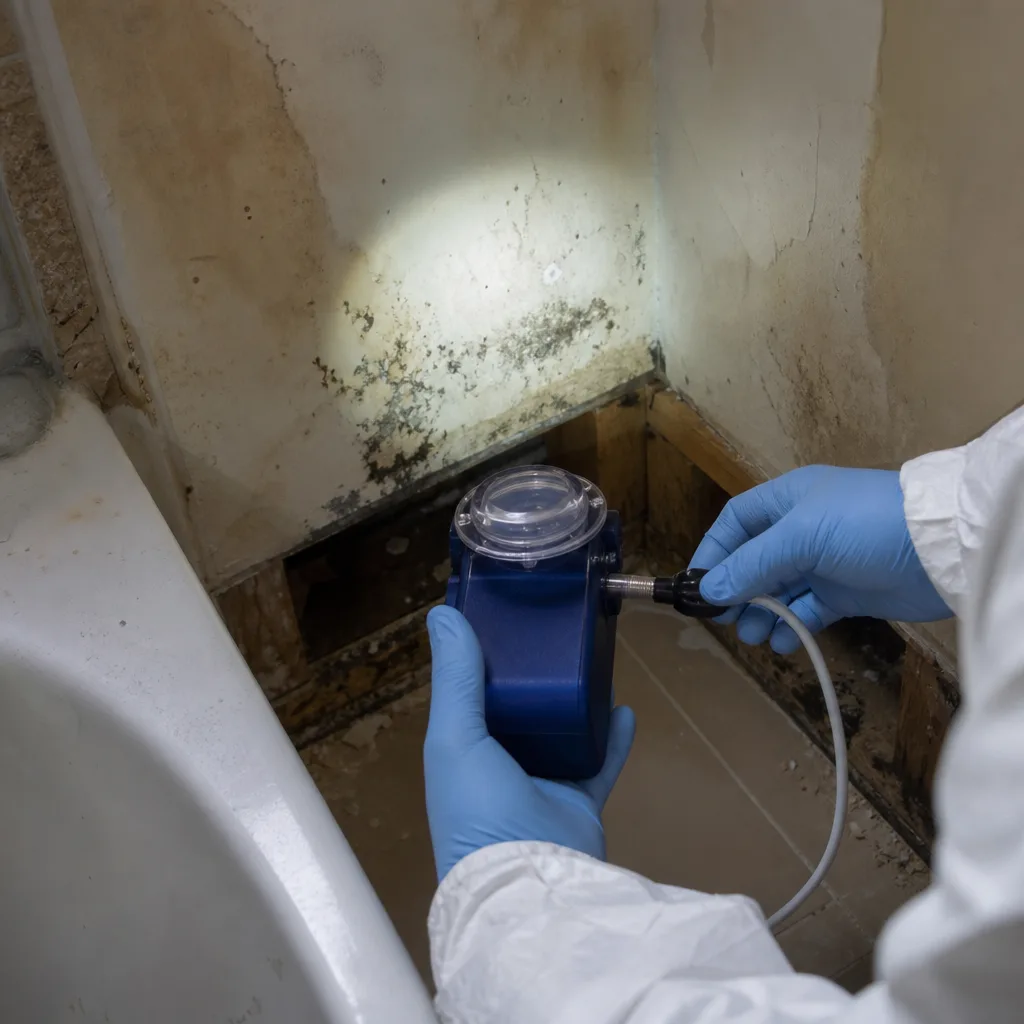
Water damage prevention in Miami Beach requires more than vigilance - it requires verifiable records that speak the same language as professional restoration documentation. This checklist gives you measurable benchmarks, specific meter placements, and logging formats that transform routine maintenance into claim-defensible evidence. The homeowners who fare best after a loss are those who treated prevention as documentation, not just observation. Start your baseline readings this quarter, maintain the log, and explore more guides & resources to keep your records ready if water ever breaches your building envelope.
Written by Alicia Brennan, Owner at DryMark Restoration Miami Beach, serving Miami Beach since 2011.