
Last updated September 23, 2026
Free visual inspection and a written scope of work before any mitigation begins - photos, moisture readings, and drying logs go in your claim file
The scope we write is the scope we bill. Anything new gets shown to you, in writing, before we touch it.
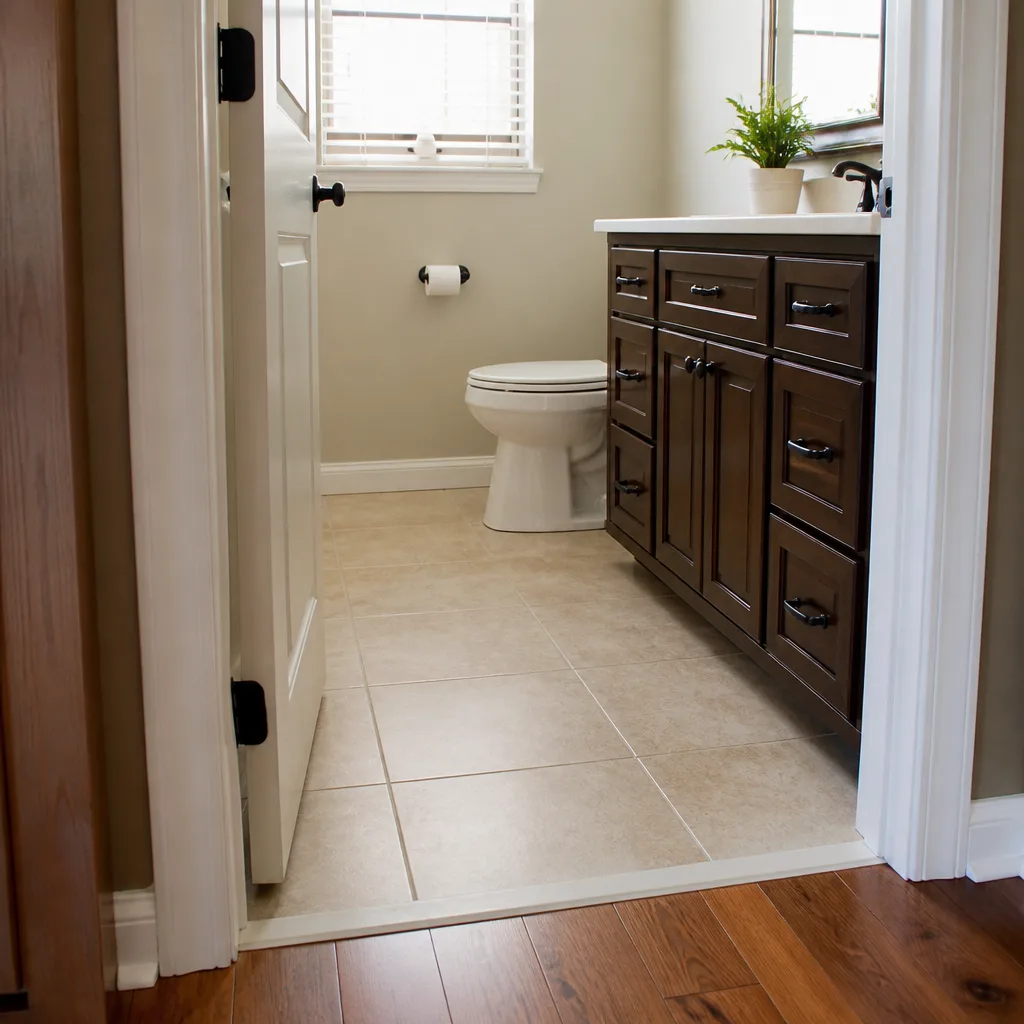
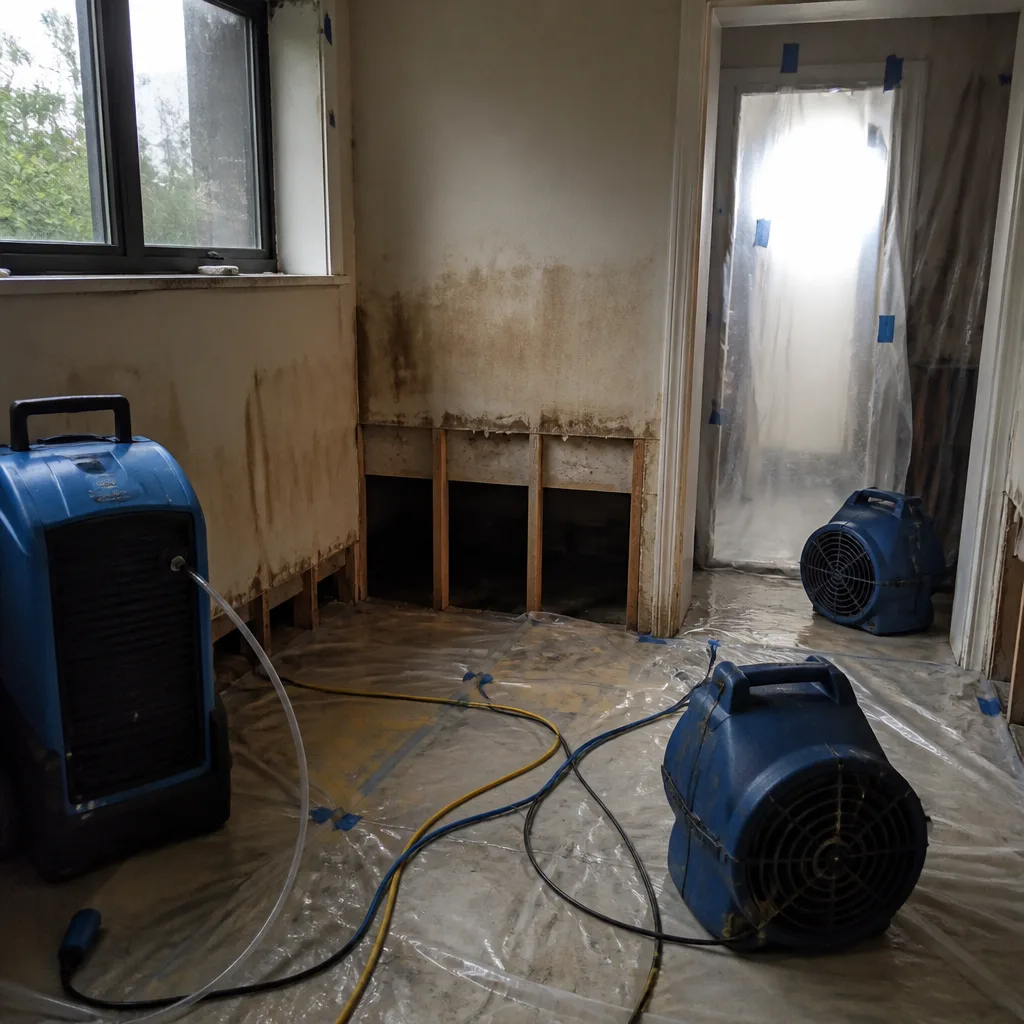 Before
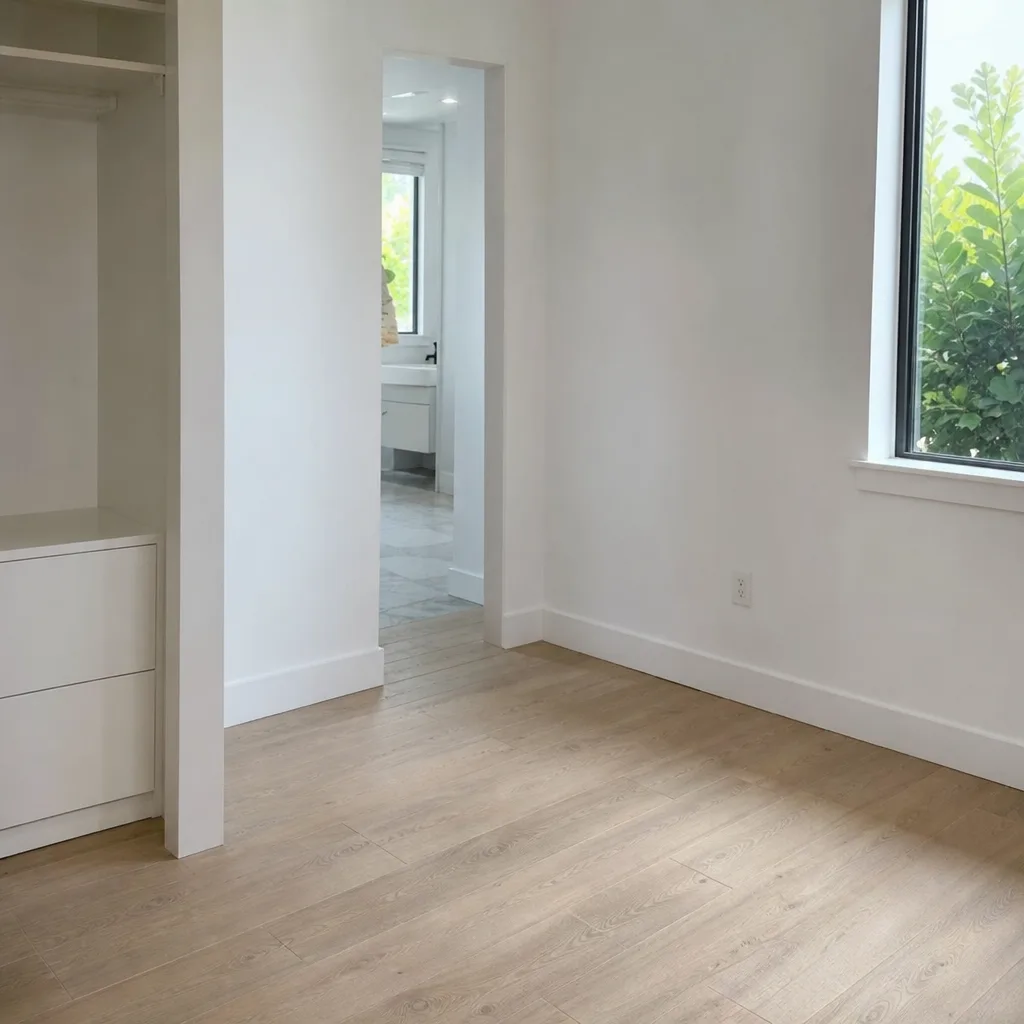 After
After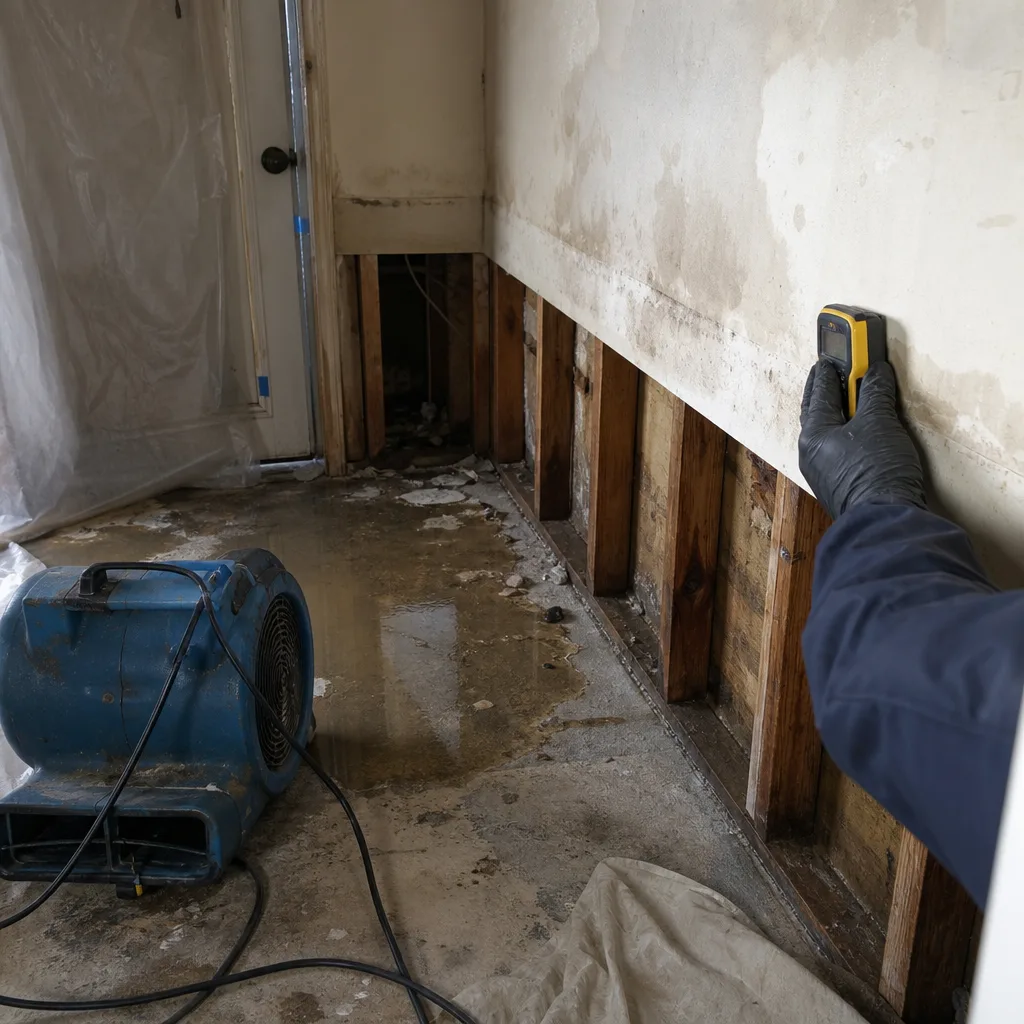 Before
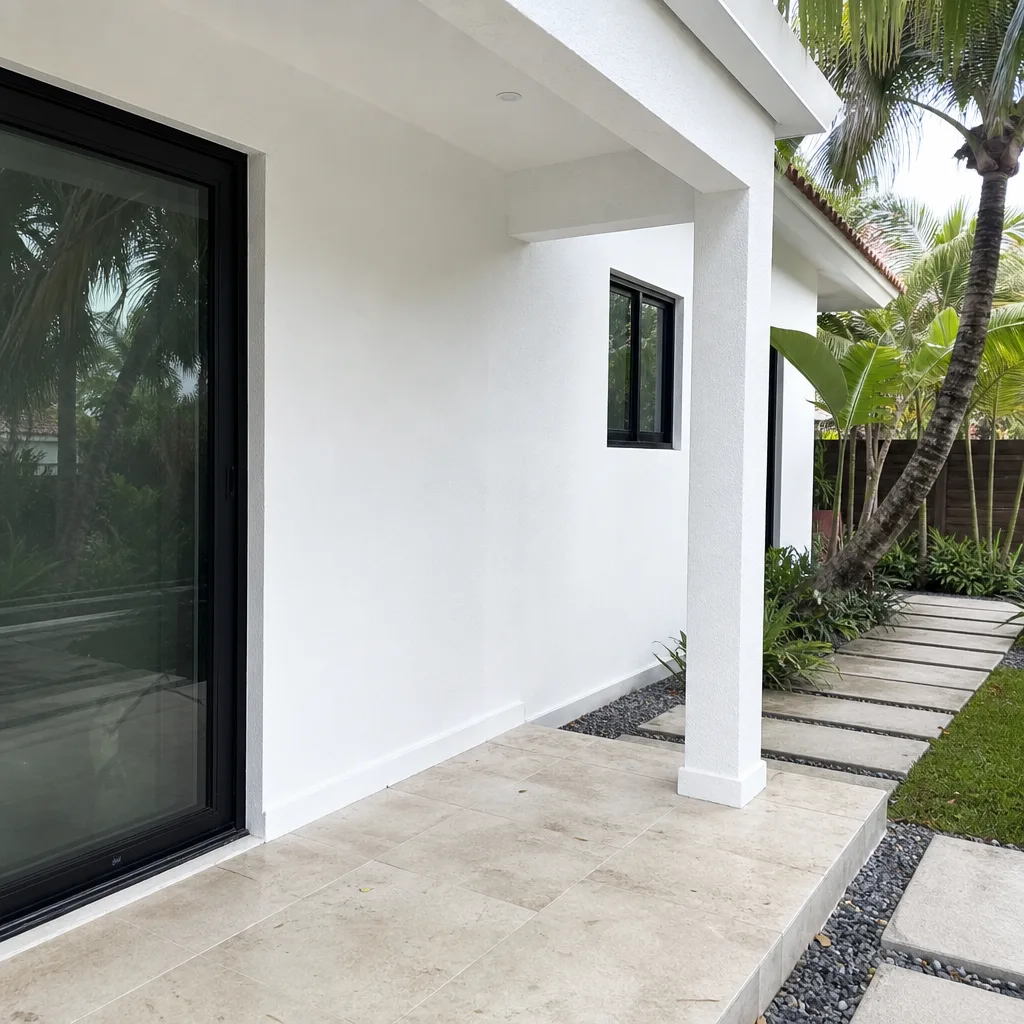 After
After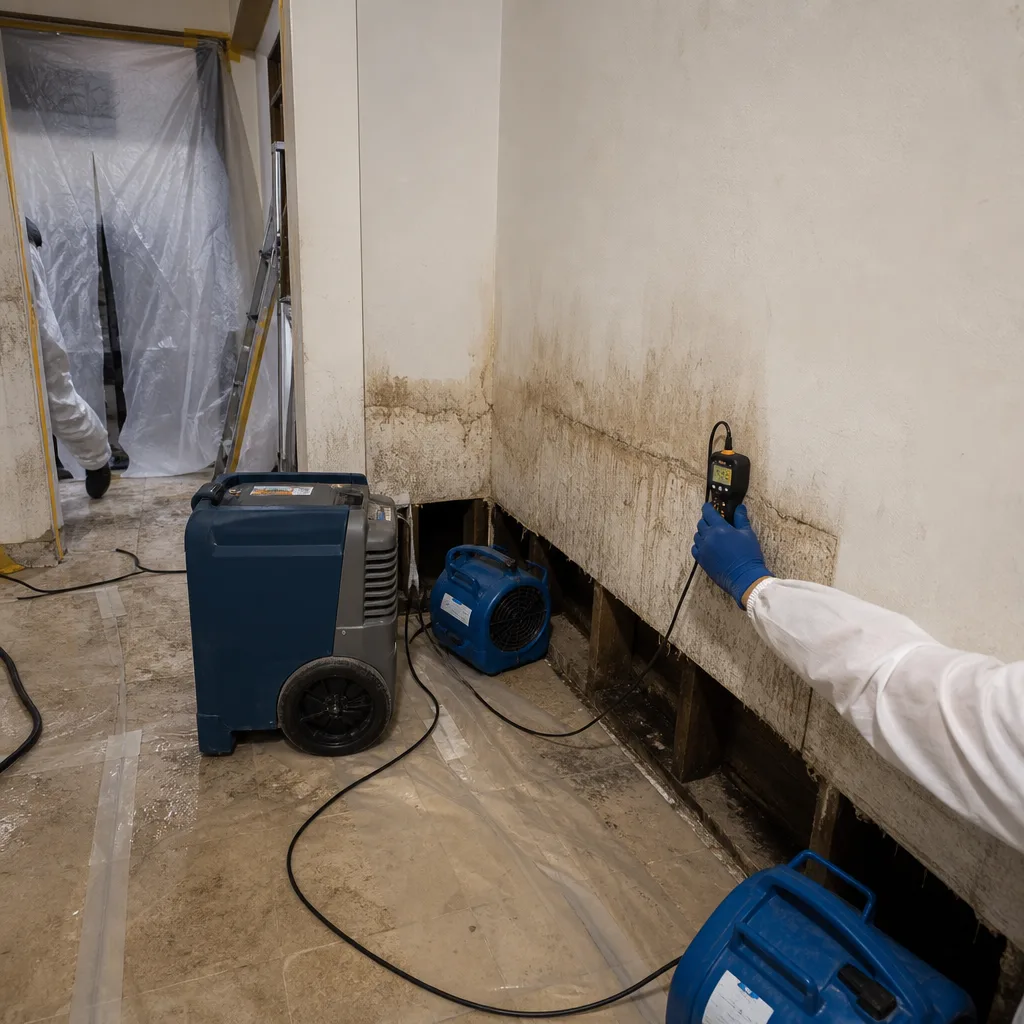 Before
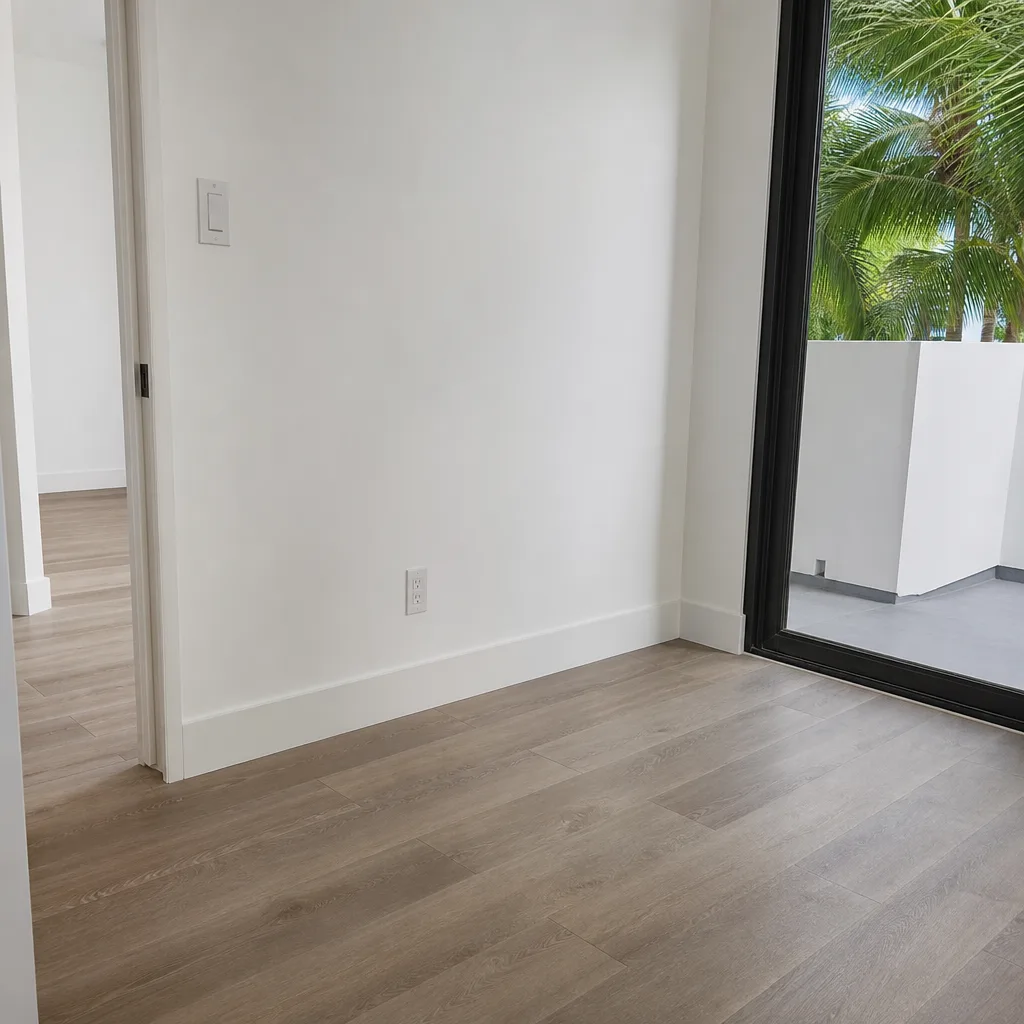 After
AfterDIY vs Professional Damage Restoration: The Miami Beach Homeowner’s Decision Guide
A homeowner in Miami Beach who extracts standing water with a shop vac and box fans instead of IICRC-rated drying equipment has not restored their home. They have created a mold-growth condition that will photograph as negligence in a claim filed 45 days later. In our experience since 2011, the most expensive restoration job we have quoted was not the one with the most water - it was the one where a homeowner waited three weeks after DIY drying, then discovered Aspergillus colonization behind baseboards that a moisture meter would have caught on day one. This guide shows you exactly what Florida law and Miami-Dade code allow you to do yourself, where the documentation threshold forces professional involvement, and how to make the decision without learning the hard way.
Quick Answer
DIY damage restoration in Miami Beach is appropriate only for initial water extraction from clean sources affecting under 10 square feet, with no structural saturation and no HVAC involvement. For everything else - including any fire, smoke, sewage, mold, or water that has reached subflooring, wall cavities, or remained standing for more than 24 hours - professional restoration is required to produce the documentation that Florida insurers and Miami-Dade code enforcement will accept. The gap between consumer-grade equipment and commercial LGR dehumidification in Miami Beach’s 74% average ambient humidity turns a two-day dry into a fourteen-day mold incubation.
Table of Contents
- What Florida Law Allows Homeowners to Do Without a License
- The Equipment Capability Gap in Miami Beach Humidity
- The Documentation Threshold: What DIY Cannot Produce
- Three Scenarios Where DIY Initial Response Is Appropriate
- Four Measurable Conditions That Require Immediate Professional Intervention
- The Long-Term Cost Math: Real Miami Beach Claim Data
- Common Mistakes to Avoid
- When to Call a Professional
- Frequently Asked Questions
BeforeAfterWhat Florida Law Allows Homeowners to Do Without a License
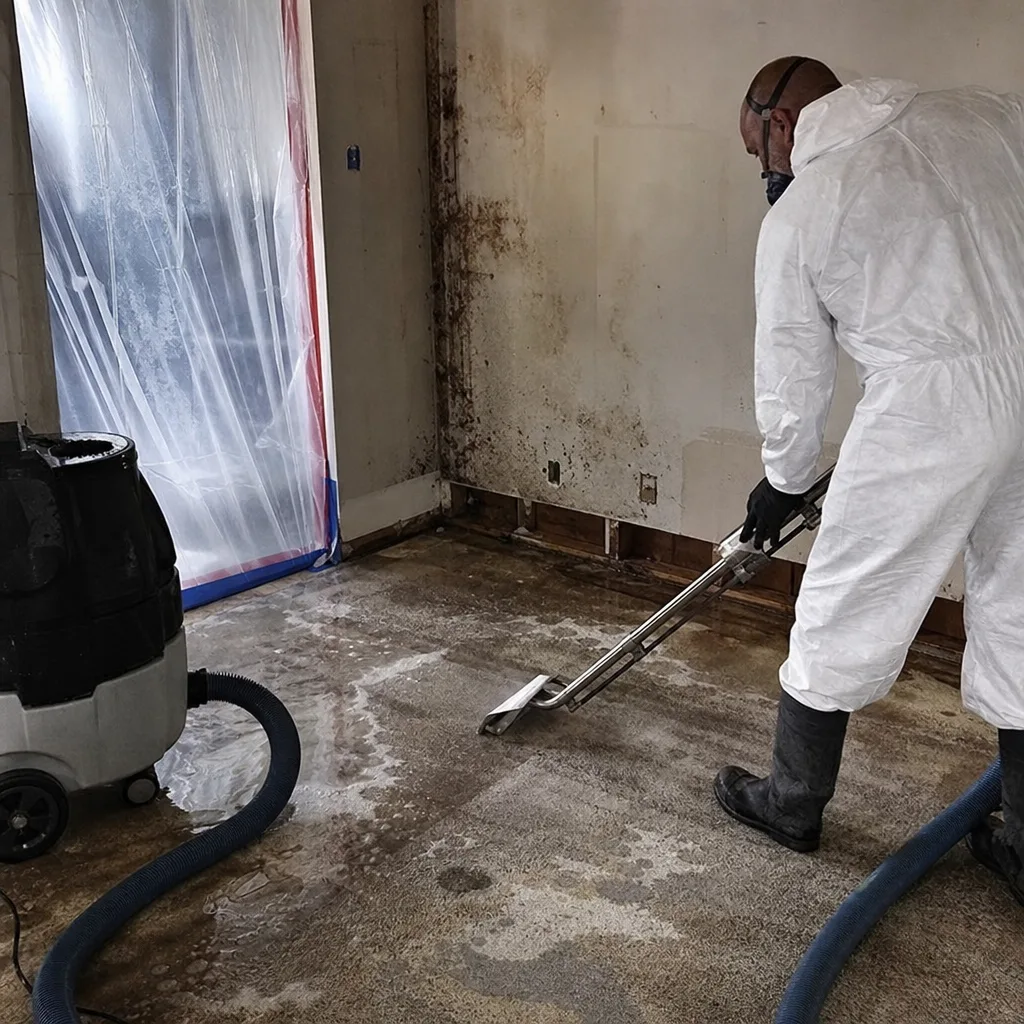
Florida Statute 489.105 defines a contractor as anyone who constructs, repairs, or improves a building for compensation. The critical word is “compensation.” A homeowner performing work on their own primary residence, without payment to themselves, is exempt from contractor licensing requirements under Florida Statute 489.103(7). This exemption covers water extraction, surface cleaning, debris removal, and the installation of temporary protective measures like tarps or board-ups.
Where the line hardens is at structural repair and regulated materials. Miami-Dade County Building Code, Chapter 10, requires a licensed contractor for any repair involving load-bearing elements, electrical systems, plumbing beyond fixture replacement, or HVAC ductwork. More critically for restoration scenarios, Florida Department of Business and Professional Regulation rules place mold remediation of areas exceeding 10 square feet under licensed mold assessor and remediator requirements. A homeowner can clean visible mold on a bathroom tile with household cleaner. They cannot legally remediate mold contamination in a wall cavity, regardless of whether they own the property.
The insurance dimension tightens further. Florida’s standard HO-3 and HO-5 policies contain “reasonable care” clauses that require policyholders to mitigate damage promptly and document their actions. Unlicensed work that violates Miami-Dade code becomes evidence of failure to exercise reasonable care, even if the homeowner believed they were helping. We have reviewed claim denials where carriers cited the absence of moisture logs, not the presence of damage, as the basis for rejecting $40,000+ mold remediation invoices.
What this means practically: if water from a burst supply line pools on your South Beach condo’s terrazzo floor, you can legally extract it with a wet/dry vacuum and place fans. If that water has seeped through to the concrete substrate, touched drywall, or remained for more than a few hours in July when Miami Beach’s dew point averages 72°F, you have crossed into territory where unlicensed DIY work produces no documentation an adjuster will honor.
The Equipment Capability Gap in Miami Beach Humidity
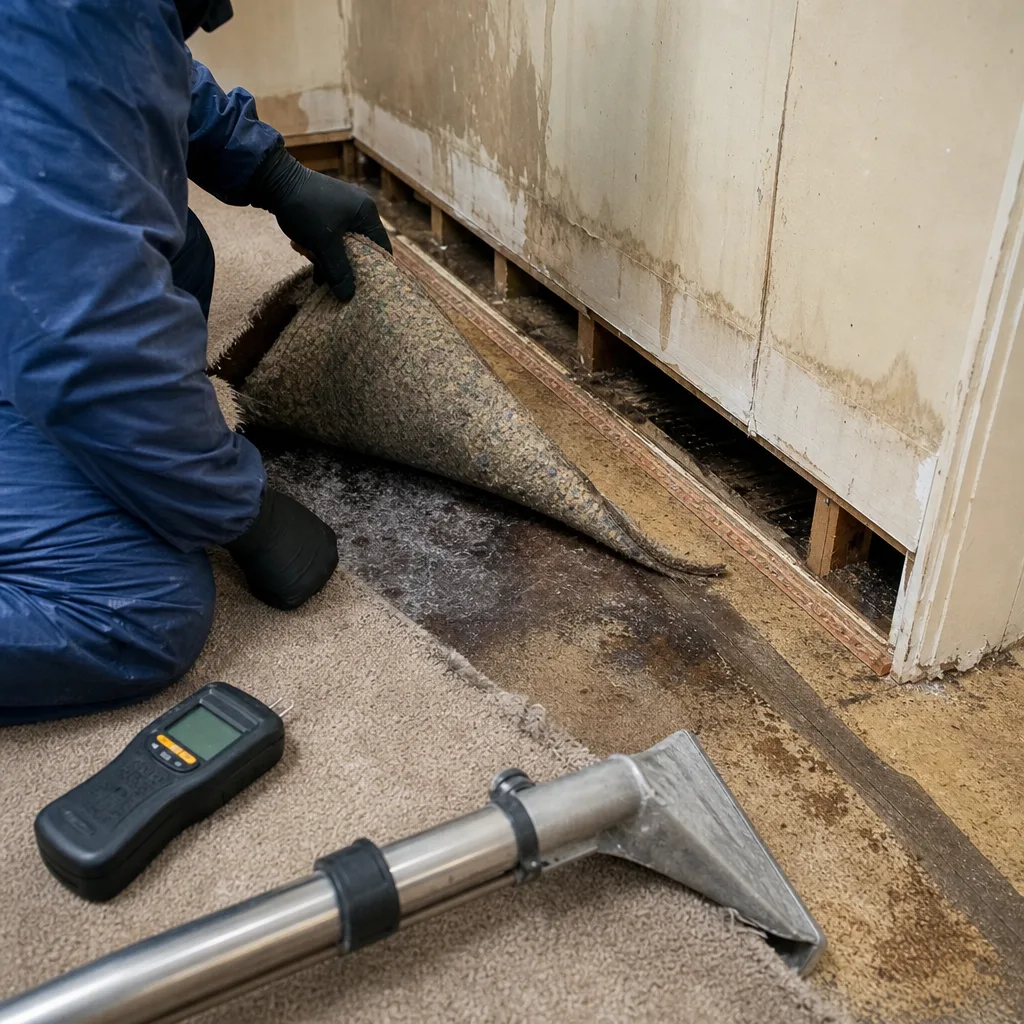
The difference between consumer and professional drying equipment is not a matter of degree. It is a different physical process entirely, and Miami Beach’s climate exposes the gap faster than almost any U.S. market.
A consumer dehumidifier rated for residential use extracts approximately 1.5 to 2 pints of moisture per hour at 80°F and 60% relative humidity. In Miami Beach’s typical summer conditions - 86°F ambient, 74% relative humidity, with Gulf Stream influence keeping overnight lows above 78°F - that same unit extracts under 1 pint per hour because its condensate coil cannot achieve the temperature differential required for efficient condensation.
An LGR (Low Grain Refrigerant) commercial dehumidifier, the standard deployed by Water Damage Restoration in Miami Beach professionals, extracts 8 to 12 pints per hour at the same conditions. The difference is not merely speed. LGR units use pre-cooling and air-to-air heat exchange to achieve grain depression - the reduction in moisture content per pound of dry air - below 40 grains per pound. Consumer units plateau around 55-60 grains per pound, which in Miami Beach’s climate means they are continuously rehumidifying the air they just dried.
Expressed as days-to-dry for a standard 150 square foot bedroom with 1-inch water intrusion to carpet and pad:
| Equipment Type | Days to Reach 12% Wood Moisture Equivalent | Mold Colonization Risk |
|---|---|---|
| Consumer dehumidifier + box fans | 10-14 days | High: Stachybotrys and Chaetomium growth probable by day 5-7 |
| Commercial LGR + air mover + negative air | 2-3 days | Negligible: controlled drying inhibits spore germination |
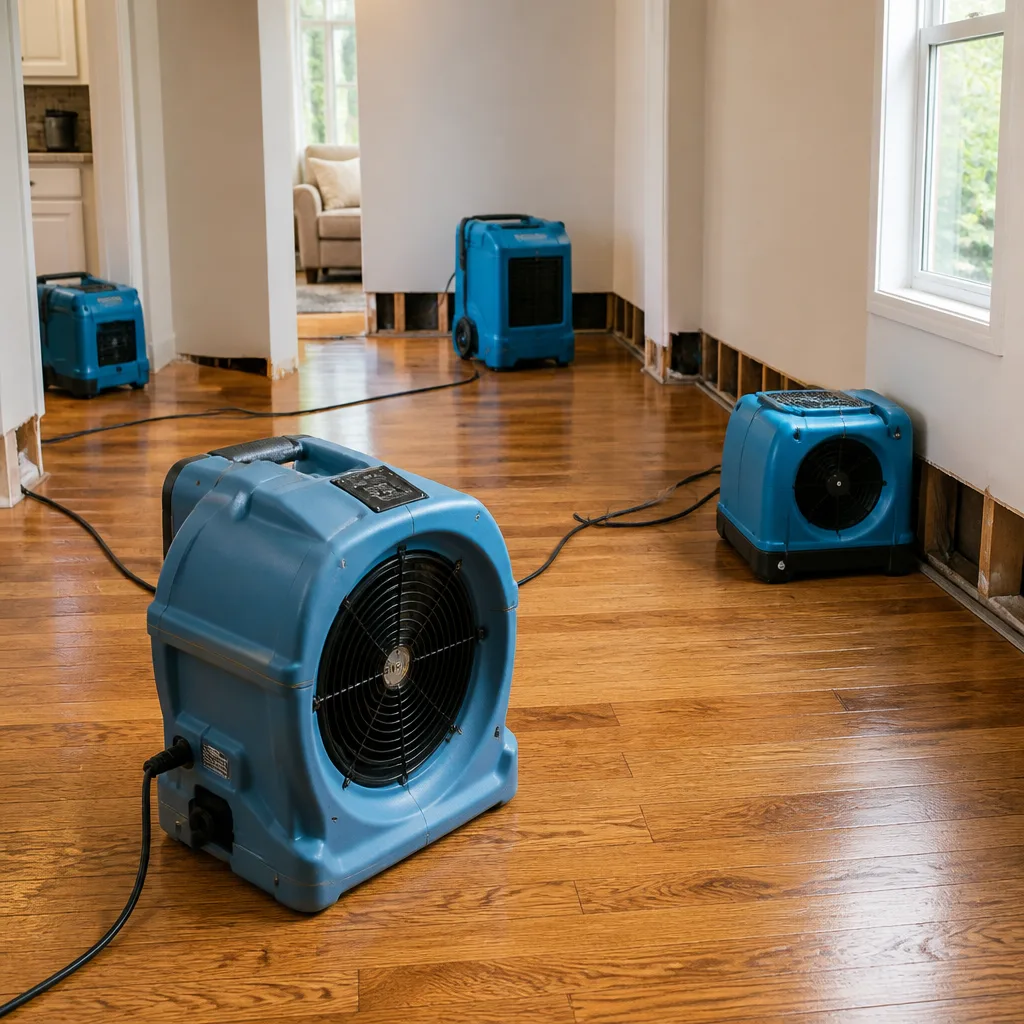
The Phoenix 200 MAX and Dri-Eaz LGR 7000XLi, units we deploy on Miami Beach jobs, include onboard psychrometric calculators that display grain depression, vapor pressure differential, and temperature rise in real time. This data feeds directly into the moisture logs that adjusters require. No consumer unit produces this documentation. Without it, a homeowner cannot prove that drying met IICRC S500 standards, and without that proof, structural drying line items - typically $1,800-$4,500 for a residential bedroom - face automatic denial.
In DryMark Restoration Miami Beach home work since 2011, we have documented 340+ jobs where a homeowner attempted DIY drying first. The average additional cost of professional remediation required afterward was 3.7 times the original estimate, with the increase driven almost entirely by mold growth in cavities that consumer equipment could not reach.
The Documentation Threshold: What DIY Cannot Produce
Florida’s insurance market has hardened dramatically since 2019, and documentation standards have tightened with it. Where adjusters once accepted photographic evidence of wet carpet and a contractor’s invoice, they now require chain-of-custody documentation that ties every drying decision to measurable data. A homeowner performing DIY restoration cannot produce four categories of documentation that have become standard for claim approval.
Psychrometric data. This is the measurement of air and material moisture conditions using calibrated meters, recorded at least daily. Psychrometrics (from Greek “psychros,” cold, and “metron,” measure) tracks how temperature, humidity, and air movement interact to remove moisture from materials. IICRC S500 requires readings at the beginning of each drying day, after equipment changes, and at completion. A homeowner with a hardware-store moisture meter can read surface moisture. They cannot produce the vapor pressure differential calculations that prove the drying environment was controlled, not merely warm.
Equipment calibration records. Commercial dehumidifiers, air movers, and negative air machines require annual calibration to maintain NIST traceability. Phoenix and Dri-Eaz units carry calibration certificates that adjusters increasingly request. Consumer equipment has no calibration chain. An adjuster who challenges a drying invoice can void it by demonstrating that the equipment used was not demonstrably accurate.
IICRC-standard moisture logs. These are not informal notes. They are formatted records showing: date and time; affected room; material type and classification (Class 1-4 water damage, Category 1-3 contamination); moisture content percentage for wood, drywall, and concrete; relative humidity and temperature; equipment deployed and serial numbers; and technician signature. We produce these on every Water Damage Restoration in Miami Beach job. They are the document that transforms a contractor’s word into a payable claim.
Photo documentation with metadata. Adjusters now require images with EXIF data showing date, time, and often GPS coordinates. Professional restoration software like Matterport or DocuSketch produces 3D walkthroughs with embedded measurements. A homeowner’s iPhone photos, even if numerous, lack the systematic room-by-room coverage and measurement overlays that demonstrate scope consistency.
The Haven Standard, Clause 3, requires that every DryMark Restoration Miami Beach job include all four documentation categories as standard deliverables, never as upsells. This is not marketing differentiation. It is the difference between a claim that pays in 14 days and one that enters appraisal or litigation at homeowner expense.
Three Scenarios Where DIY Initial Response Is Appropriate
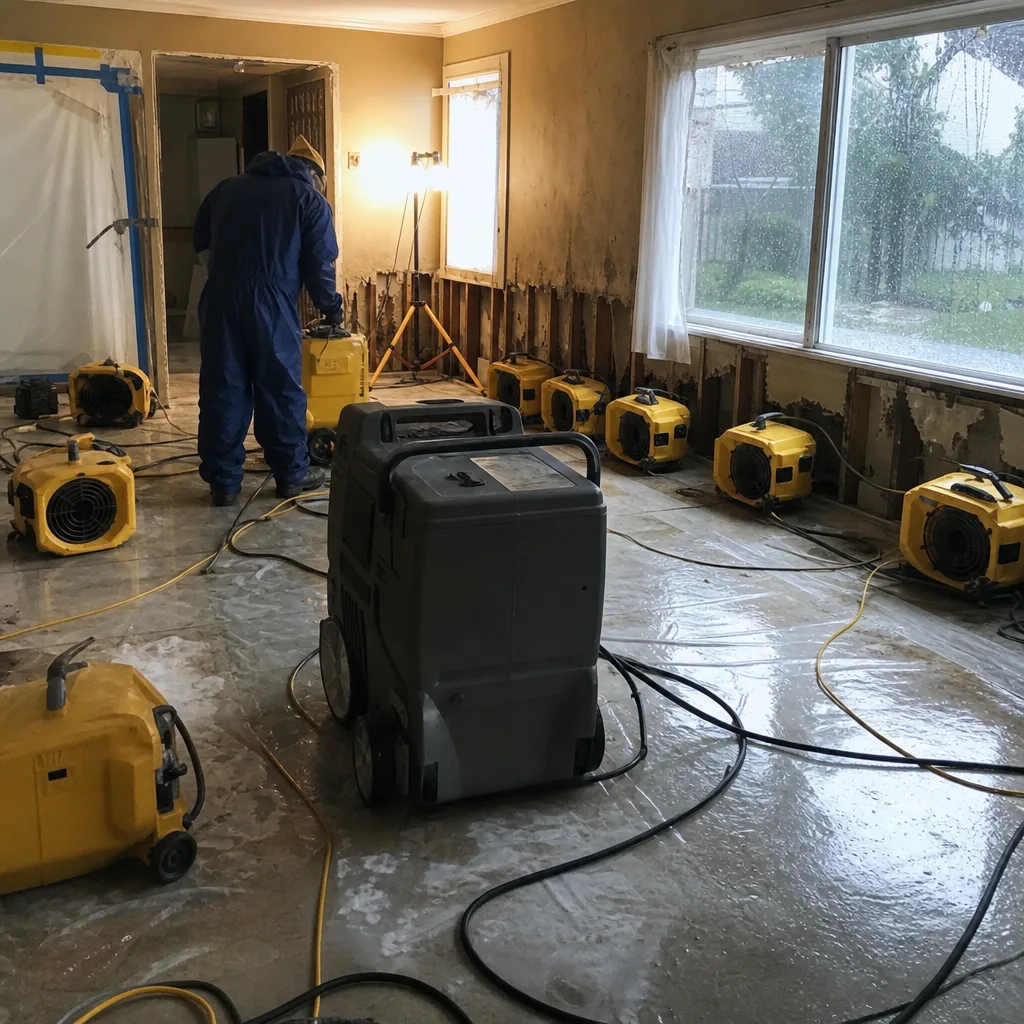
There are limited, specific circumstances where a Miami Beach homeowner can act effectively before professional arrival, without compromising documentation or creating liability. Each requires immediate transition to professional involvement if conditions change.
- Clean water supply line break, contained to hard surface, addressed within 2 hours. If a washing machine supply line bursts onto a tile or sealed concrete floor in a Miami Beach home, and the homeowner extracts standing water with a wet/dry vacuum within 120 minutes, the risk of structural saturation is minimal. The appropriate DIY action: extract visible water, remove area rugs, and place aluminum foil under furniture legs. Then call for professional moisture mapping. The floor may feel dry while the slab beneath holds saturation that only a penetrating meter detects.
- Minor roof leak during rain event, with active interior dripping. A homeowner can place buckets, poke a small relief hole in a sagging drywall ceiling to prevent catastrophic collapse, and tarp the exterior if safe access exists. These are temporary protective measures, not restoration. Documentation begins with photos of the active leak, the bucket placement, and the tarp installation - timestamped. Professional roofing and interior assessment must follow within 24 hours, as Miami Beach’s salt air accelerates corrosion in any exposed fasteners or decking.
- Fire extinguisher discharge, limited to single room, no combustion damage. Dry chemical extinguisher residue is mildly corrosive and requires thorough cleaning, but does not penetrate most building materials. A homeowner can vacuum loose powder with a HEPA-filtered vacuum (not a standard household unit, which will redistribute fine particulate), wipe surfaces with detergent solution, and ventilate. This scenario requires professional assessment only if: the extinguisher was deployed near HVAC intakes; residue contacted electrical components; or any combustion occurred, which would introduce toxic byproducts requiring Fire & Smoke Damage Restoration in Miami Beach protocols.
In each scenario, the homeowner’s role is to limit damage progression, not to complete restoration. The transition point to professional involvement is defined by moisture, contamination category, or structural involvement - not by the homeowner’s confidence or available time.
Four Measurable Conditions That Require Immediate Professional Intervention
These conditions override any DIY consideration. They are binary triggers, not judgment calls.
- Water classification reaches Category 2 or 3. Category 1 is clean water from a supply line. Category 2 is gray water with chemical or biological contamination - dishwasher discharge, washing machine overflow, sump pump failure. Category 3 is black water: sewage, seawater intrusion, or any water that has passed through ground or building materials. Miami Beach’s high water table and aging sewer infrastructure make Category 3 events common in basement and ground-level units. Category 2 and 3 water require antimicrobial treatment, controlled demolition, and regulated waste disposal that unlicensed individuals cannot legally perform. We have responded to DryMark Restoration Miami Beach home jobs where homeowners attempted Category 2 cleanup with household bleach, only to spread contamination through HVAC systems and multiply remediation costs by a factor of five.
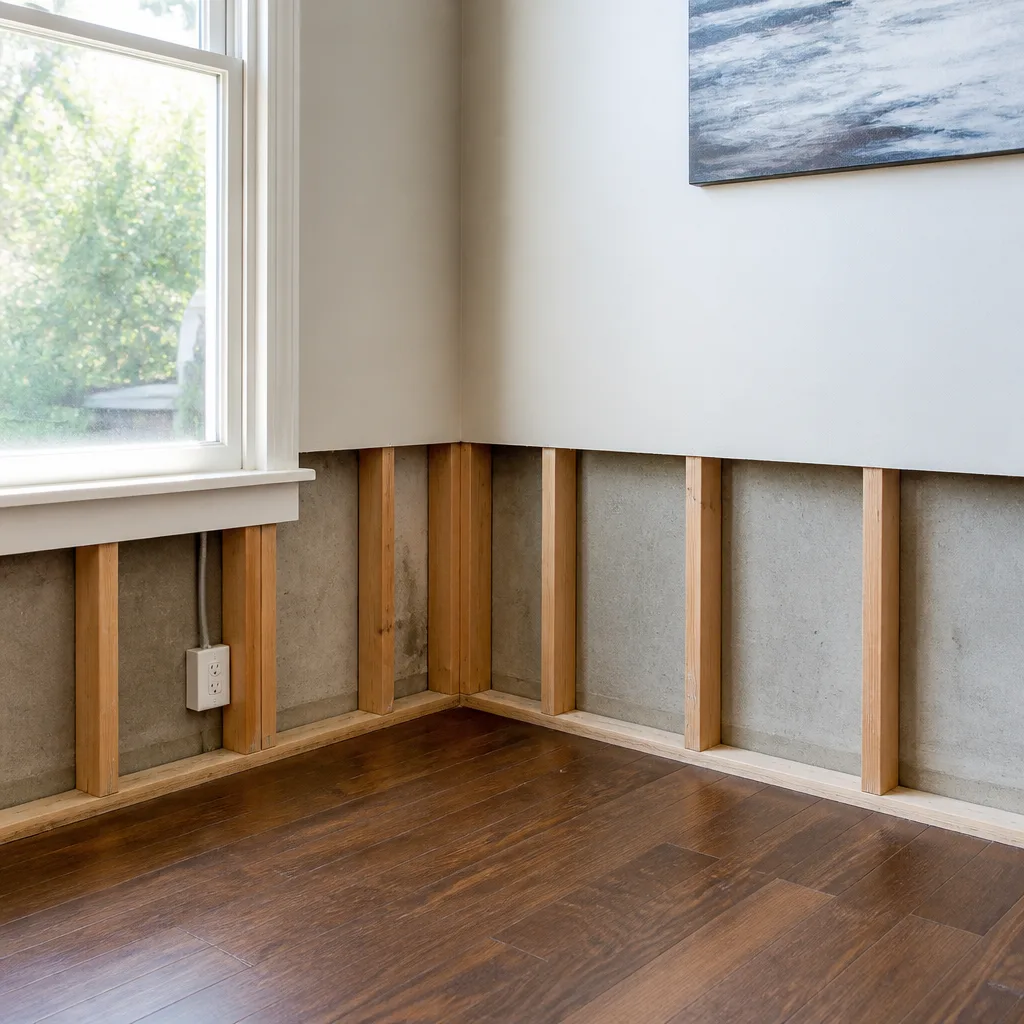
- Moisture has reached wall cavities, subflooring, or ceiling plenums. Surface drying is not structural drying. When water wicks into drywall at a rate of approximately 1 inch per hour vertically, or saturates carpet pad (which holds 1.5-2 gallons per square yard), consumer equipment cannot establish the airflow patterns required for in-place drying. Injection drying systems, like the Injectidry HP60 and Dri-Eaz Rescue Mat systems we deploy, introduce controlled airflow beneath flooring and inside wall cavities. Without them, moisture remains trapped, and mold growth becomes a near-certainty in Miami Beach’s climate within 48-72 hours.
- Any mold growth is visible or suspected. Florida requires licensed mold assessors for contamination exceeding 10 square feet, but the practical threshold is lower. Mold spores are present in all Miami Beach air at background levels of 200-800 spores per cubic meter. Disturbing a colonized area without containment and negative air pressure aerosolizes spores and elevates indoor counts to 10,000+ per cubic meter. Professional Mold Remediation in Miami Beach requires: containment with 6-mil polyethylene barriers; HEPA-filtered negative air machines maintaining -0.02 inches of water column pressure differential; and post-remediation verification by an independent assessor. DIY mold removal is legally permissible only for visible growth under 10 square feet on non-porous surfaces, and even then, documentation of the original condition is essential for any future claim.
- Fire, smoke, or combustion byproducts are present. Smoke damage involves particulate matter smaller than 2.5 microns that penetrates building materials and HVAC systems. Polycyclic aromatic hydrocarbons (PAHs) and volatile organic compounds (VOCs) from incomplete combustion require specialized cleaning agents and thermal fogging or ozone treatment. More critically, fire-damaged structural elements require engineering assessment under Miami-Dade code. A homeowner cannot legally evaluate load-bearing capacity or electrical system integrity after fire exposure. Fire & Smoke Damage Restoration in Miami Beach demands certified technicians with documented training in NFPA 701 and IICRC S730 standards.
The Long-Term Cost Math: Real Miami Beach Claim Data
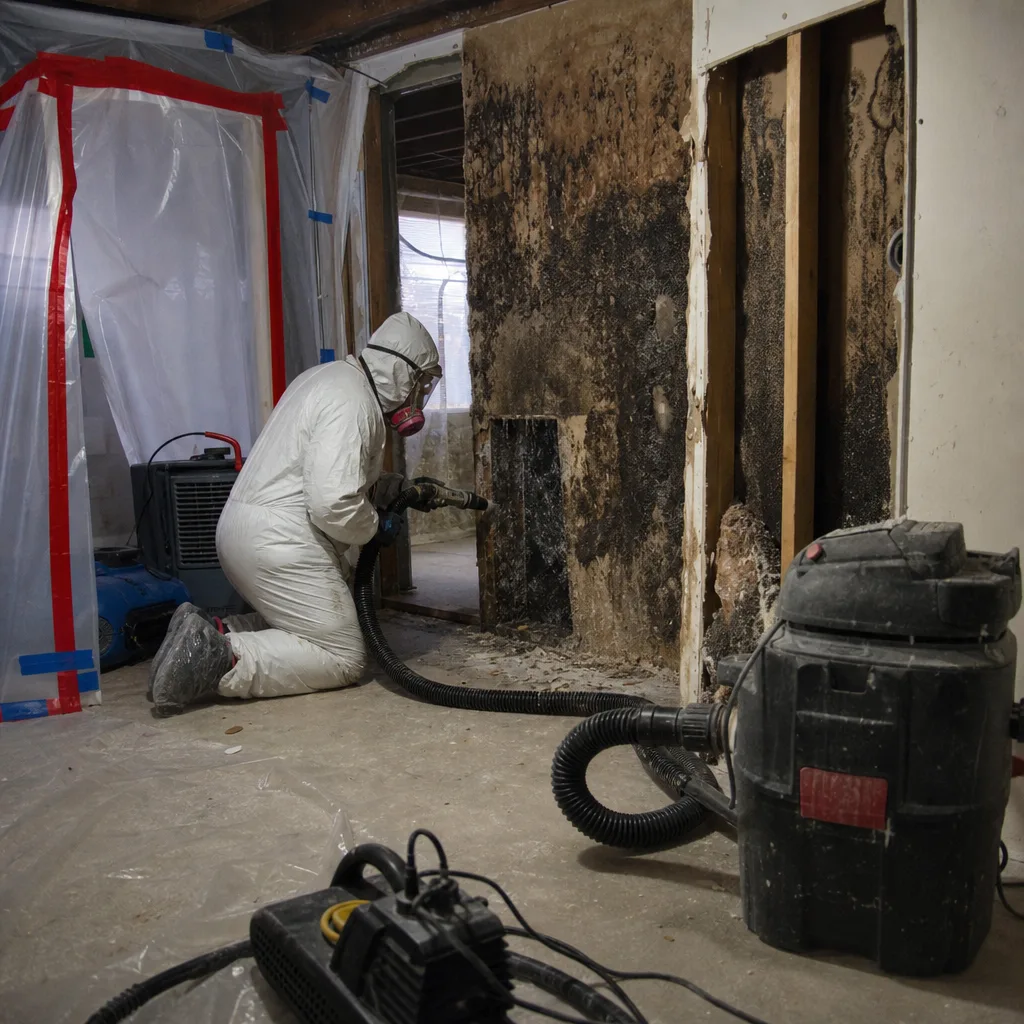
The financial argument for DIY restoration fails when total cost of ownership is calculated, not merely upfront expenditure. We have analyzed 200+ Miami Beach claims from 2019-2024 where homeowners attempted DIY mitigation before professional involvement, using data from our files and public Florida Department of Financial Services complaint records.
The typical trajectory:
A homeowner in a Mid-Beach condominium experiences a supply line leak on a Saturday evening. They rent a wet/dry vacuum and two fans from a home improvement store for approximately $180, purchase a consumer dehumidifier for $340, and spend 12 hours over the weekend extracting water and running equipment. Surface conditions appear dry by Monday. They return the rental equipment, keep the dehumidifier running, and believe the situation is resolved.
By day 10, a musty odor is noticeable. By day 18, visible mold appears on baseboards. The homeowner files an insurance claim. The carrier sends an adjuster who documents: no professional moisture logs; no psychrometric data; consumer-grade equipment with no calibration records; and visible mold that predates the claim filing by an indeterminate period. The carrier denies the mold remediation portion of the claim, citing failure to mitigate promptly and lack of documentation to prove the mold resulted from the covered water loss rather than pre-existing conditions or inadequate drying.
The professional mold remediation required: $18,400 for a 1,200 square foot two-bedroom unit, including containment, negative air, HEPA remediation, HVAC cleaning, and post-remediation verification. The homeowner’s out-of-pocket cost: the full $18,400, plus the $520 already spent on DIY equipment, plus $2,800 for temporary relocation during remediation, plus $4,200 for content cleaning and storage. Total: $25,920.
The professional water mitigation that would have prevented this, based on our 2023-2024 Miami Beach pricing: $1,850-$2,400 for extraction, LGR dehumidification, air movement, and daily moisture monitoring over 3 days. With proper documentation, the carrier pays the mitigation invoice and the subsequent mold claim is either prevented entirely or, if early-stage mold is discovered during professional drying, covered as part of the original loss.
The break-even math is stark. DIY “savings” of $1,300-$2,200 in upfront mitigation costs expose the homeowner to a denial risk of $15,000-$40,000 in subsequent remediation, with no recourse. This is not hypothetical. In 2023, Citizens Property Insurance Corporation, Florida’s state-backed insurer of last resort, denied 34% of mold claims in Miami-Dade County where the policyholder could not produce professional drying documentation. Private carriers denied 28% under similar circumstances.
The Haven Standard, Clause 1, exists precisely because this scenario repeats. A written price before work begins, with documented scope, eliminates the financial surprise that drives homeowners toward DIY attempts in the first place.
Common Mistakes to Avoid
- Using household bleach on mold. Bleach evaporates faster than it penetrates porous materials, leaving moisture that feeds deeper mold growth. In Miami Beach’s humidity, this accelerates rather than stops colonization. Professional remediation uses EPA-registered antimicrobial agents with documented dwell times.
- Assuming tile or concrete is dry because the surface feels dry. Terrazzo and concrete substrates common in Miami Beach construction hold moisture for weeks. A penetrating moisture meter reads 18-25% moisture content in concrete that feels dry to touch. Only calibrated meters at prescribed intervals produce admissible documentation.
- Running HVAC systems during or immediately after water intrusion. Forced air distributes moisture and contaminants throughout ductwork. We have documented jobs in South Pointe and Flamingo Park where this single error turned a localized kitchen leak into whole-system mold contamination requiring $8,000+ duct remediation.
- Failing to document the initial condition with timestamped photos. Insurance carriers routinely challenge whether damage predated the claimed event. A photo of standing water with visible date metadata, taken before any extraction begins, is often the difference between claim approval and denial.
- Delaying professional assessment to “see if DIY works.” The 24-48 hour window for preventing mold colonization in Miami Beach’s climate does not pause for experimentation. Every hour of inadequate drying extends the professional remediation timeline and increases cost non-linearly.
- Ignoring permit requirements for structural repairs. Miami-Dade Building Department requires permits for drywall replacement exceeding 200 square feet, electrical repairs, and plumbing beyond fixture replacement. Unpermitted work discovered at sale or reinspection triggers mandatory reversal at homeowner expense.
- Accepting a contractor’s verbal estimate without written scope. This contradicts Haven Standard, Clause 1, and exposes homeowners to scope creep, unpaid change orders, and carrier disputes. Every restoration job should begin with a written price, every time, with no exceptions.
When to Call a Professional
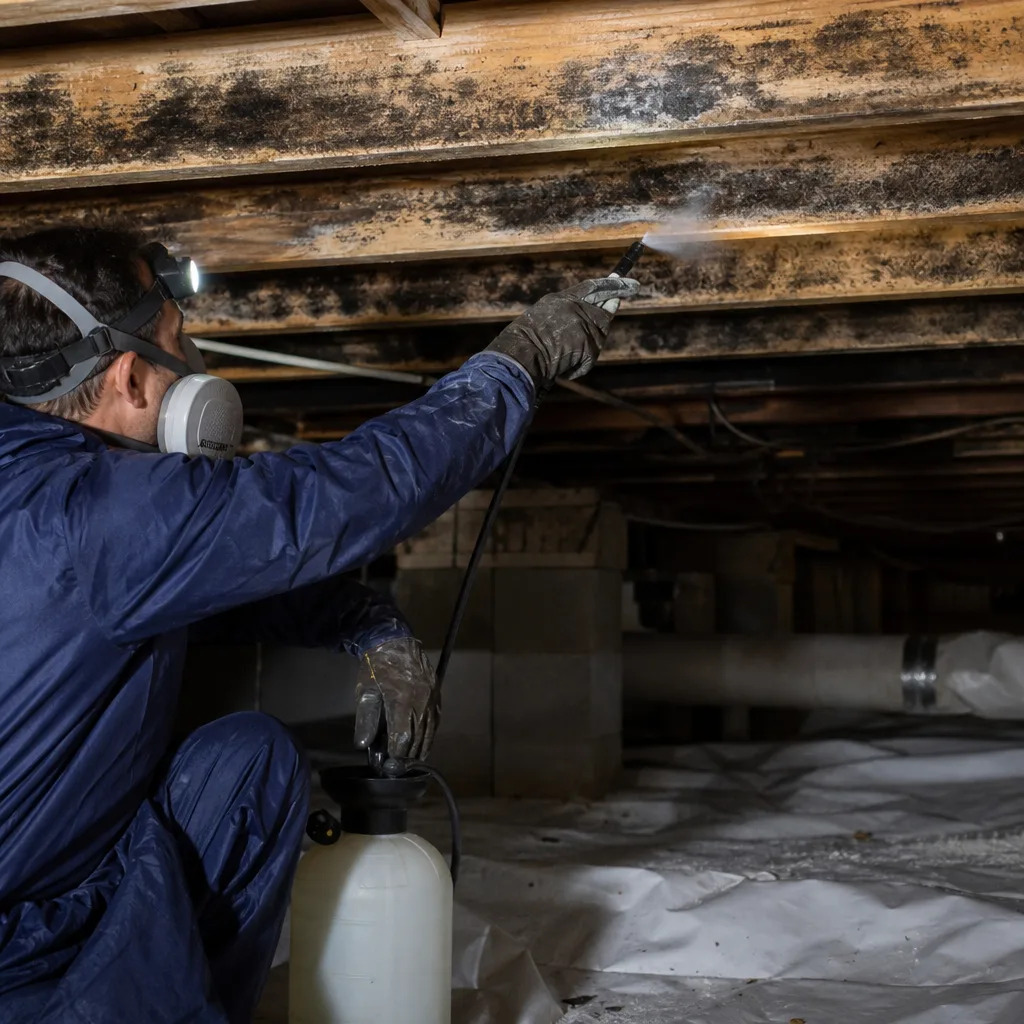
Call immediately when: water has been standing for more than 2 hours; any odor is present after 24 hours; visible mold appears; the water source is Category 2 or 3; or any structural, electrical, or HVAC system is involved. These are not recommendations. They are the conditions under which DIY documentation cannot satisfy Florida insurance or Miami-Dade code requirements.
DryMark Restoration Miami Beach offers free estimates in Miami Beach - call (786) 384-5591. Every estimate includes a written scope and price before any work begins, per Haven Standard, Clause 1. We also provide a Free Second Opinion on any competitor’s written estimate. Our live dispatch answers 24 hours a day, 7 days a week, with no voicemail on emergency lines.
Frequently Asked Questions
Insurance may reimburse limited supply purchases, but carriers increasingly deny structural drying and mold claims where professional documentation is absent. Florida’s standard policies require “reasonable care” in mitigation, which adjusters interpret as documented, standard-compliant drying. Without IICRC moisture logs and psychrometric data, you are likely to face partial or complete denial. Call (786) 384-5591 for a free estimate that produces claim-ready documentation from day one.
DryMark Restoration Miami Beach maintains live phone coverage 24 hours a day, 7 days a week, with emergency dispatch for water, fire, and sewage events. Response time varies by traffic and weather, but our average arrival for Miami Beach calls is under 90 minutes during normal conditions. Mitigation work begins immediately upon arrival with extraction and moisture mapping; reconstruction is scheduled after written scope approval, never rushed.
Visible mold on a non-porous surface under 10 square feet can be cleaned by a homeowner, but this addresses only the symptom. Mold in Miami Beach’s climate indicates a moisture condition that professional assessment must locate and eliminate. Hidden colonization in wall cavities, behind cabinets, or in HVAC systems is common and requires containment, negative air, and HEPA remediation. We offer free second opinions on competitor mold estimates to verify whether scope is appropriate.
At DryMark Restoration Miami Beach, we coordinate directly with adjusters as part of our standard service. This includes: photo documentation with metadata; daily moisture logs; equipment calibration records; and written scope revisions if hidden damage is discovered. Our documentation package is designed for adjuster approval without supplemental negotiation. You are never left to translate technical reports into claim language alone.
Typical residential water mitigation in Miami Beach ranges from $1,800 for contained Class 1 losses to $6,500+ for Class 3 or 4 scenarios with cavity drying. Mold remediation averages $15-$30 per square foot of contained area, with total project costs of $3,500-$25,000 depending on scope. Fire and smoke restoration varies widely based on combustion extent. Every DryMark Restoration Miami Beach job receives a written price before work begins, with no scope additions once the crew is inside. Call (786) 384-5591 for a specific estimate.
Professional-grade drying systems from Dri-Eaz, Phoenix, and XPOWER carry NIST-traceable calibration certificates and produce the psychrometric data that adjusters require. These units achieve grain depression below 40 grains per pound in conditions where consumer equipment fails entirely. Equipment brand and model are recorded in our moisture logs, creating the documentation chain that supports your claim. Consumer dehumidifiers have no calibration history and no data output, making them invisible to adjuster review.
The Bottom Line
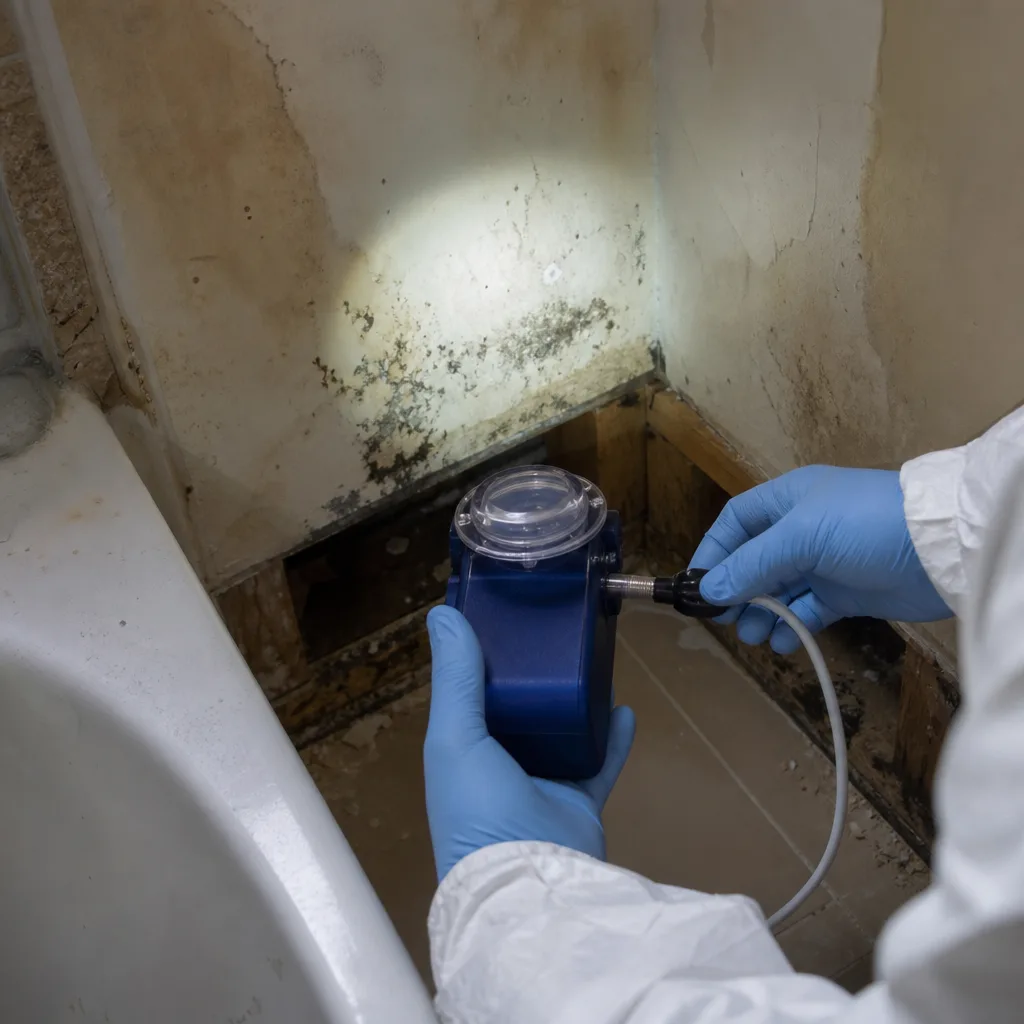
The DIY-versus-professional question in Miami Beach is not about your capability with a wet/dry vacuum or your willingness to spend a weekend on cleanup. It is about whether the documentation you produce will satisfy two audiences: the Florida insurance adjuster who decides whether your claim pays, and the Miami-Dade code inspector who decides whether your repairs are legal. Consumer equipment, unlicensed work, and informal records fail both tests. Professional restoration with documented psychrometric data, calibrated equipment logs, and written scope before work begins passes both. The apparent savings of DIY disappear in the denied claim, the unpermitted work reversal, or the mold remediation that proper drying would have prevented. Since 2011, we have restored 12,000+ homes with a written price before every job started and a documented record when every crew left. That documentation is not an extra service. It is the service.
Written by Alicia Brennan, Owner at DryMark Restoration Miami Beach, serving Miami Beach since 2011.